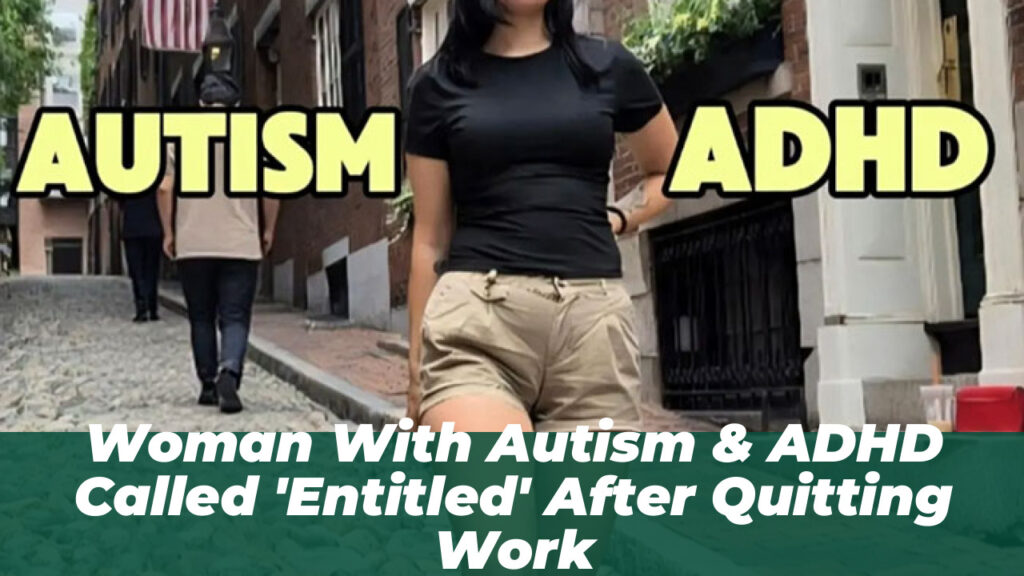
In the digital landscape of 2026, social media often serves as a battleground for conflicting ideologies. Recently, the story of Maria (@mariaaudhd), a creator who went viral for discussing her decision to stop working due to “autistic burnout,” has ignited a fierce debate. After sharing her struggle, she was met with a wave of criticism, with many labeling her as “entitled.” But is this truly a case of privilege, or are we witnessing a fundamental misunderstanding of how neurodivergence impacts professional life in 2026?
The Viral Story: Maria (@mariaaudhd) and the “Entitled” Label
Maria’s journey, which has been widely discussed across various platforms, details a grueling cycle of short-term employment. From a nine-month stint at a coffee chain to a position as a hospital receptionist that left her mental health in tatters, her history reflects a pattern common among many neurodivergent individuals. When she announced her decision to step away from the traditional workforce, the internet polarized. Critics argue that her choice is a luxury, while supporters highlight that her resignation was a necessary survival tactic for her long-term health. Much like navigating the complexities of modern career trajectories, Maria’s experience underscores the difficulty of maintaining a conventional path when one’s internal needs are ignored.
Decoding Autistic Burnout: Why It’s Not Just “Laziness”
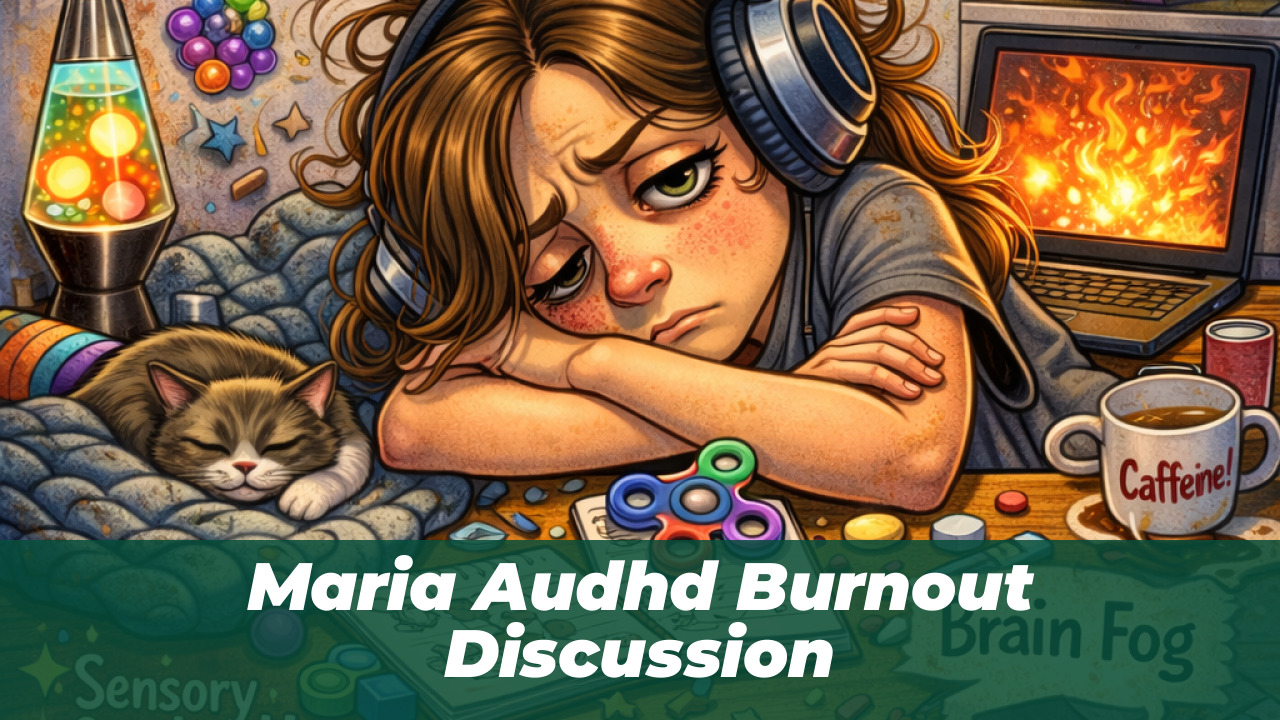
In 2026, the medical community has moved past the outdated notion that burnout is merely a result of a heavy workload. For individuals with Autism and ADHD, autistic burnout is a physiological and psychological state of exhaustion. It occurs when the demands of daily life, specifically the masking required to navigate neurotypical social norms, consistently exceed an individual’s internal resources. This is not a refusal to work; it is an inability to function due to chronic nervous system dysregulation.
The Masking Toll: Why Women Struggle in Traditional 2026 Workplaces
Women are frequently misdiagnosed or diagnosed late, often because they have spent years masking, which is the act of consciously mimicking neurotypical behaviors to blend in. By 2026, research has confirmed that this constant performance is unsustainable. The effort required to manage sensory overwhelm, executive dysfunction, and social nuances in a standard office environment can lead to total cognitive collapse. For many, the traditional 40-hour work week is not just difficult; it is fundamentally incompatible with their brain’s wiring.
The Privilege vs. Reality Conflict: Addressing the Critics
The accusation of entitlement often stems from the economic reality that many individuals do not have the option to quit. However, framing this as privilege ignores the medical reality of disability. If an individual is unable to maintain employment due to a health condition, the conversation should shift toward why our current systems lack the flexibility to accommodate them, rather than shaming the individual for choosing health over a paycheck that leads to a breakdown. While some might suggest looking for Zong unlimited call and internet packages to stay connected while working remotely, the core issue remains the lack of institutional support for neurodivergent needs.
Moving Forward: How Modern Workplaces Can Adapt for 2026
The 2026 workplace is evolving, but not fast enough. To prevent stories like Maria’s from becoming the norm, companies need to implement:
- Asynchronous Workflows: Reducing the pressure of real-time social interaction by allowing tasks to be completed on a flexible schedule.
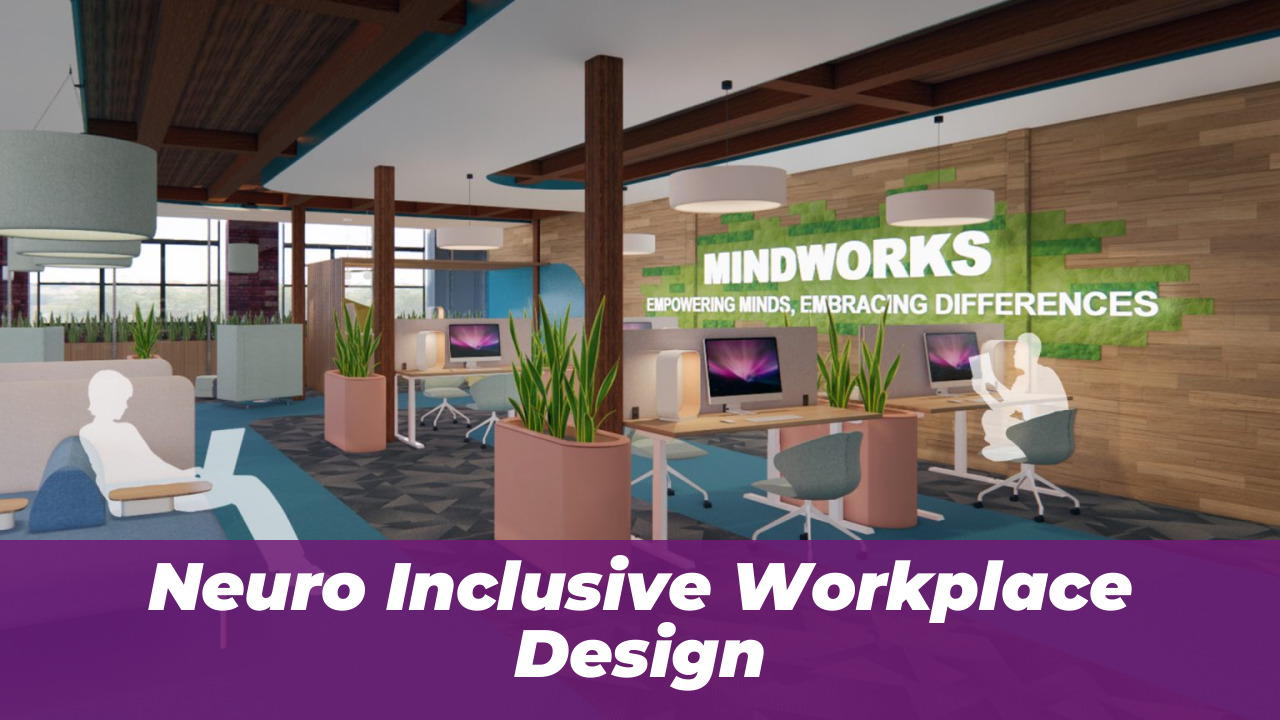
- Sensory-Friendly Environments: Adjusting lighting, noise levels, and office layouts to prevent sensory overload.
- Task-Based Productivity: Focusing on output and quality of work rather than the number of hours spent sitting at a desk.
- Neuro-Inclusive Management: Training supervisors to recognize the early signs of burnout, such as increased irritability or withdrawal, before it reaches a breaking point.
- Flexible Communication Channels: Allowing employees to choose between written, verbal, or digital communication based on their current executive function levels.
- Clear Role Expectations: Providing detailed, written instructions for tasks to reduce anxiety caused by ambiguity.
- Mandatory Break Policies: Normalizing short, frequent breaks to help employees regulate their nervous systems throughout the day.
- Quiet Zones: Designating specific areas for deep focus without interruption.
- Reduced Meeting Culture: Eliminating unnecessary meetings that drain social energy without adding value.
- Inclusive Benefits Packages: Offering mental health support that specifically acknowledges neurodivergent challenges.
- Remote-First Options: Prioritizing work-from-home arrangements that eliminate the stress of commuting and office sensory inputs.
- Peer Mentorship: Connecting neurodivergent employees with mentors who understand their unique challenges.
- Transparent Feedback Loops: Ensuring communication is direct and constructive rather than relying on social subtext.
- Accommodations for Executive Dysfunction: Providing tools and support for organization and time management.
- Advocacy Training: Educating the entire workforce on neurodiversity to reduce stigma.
Conclusion: Redefining Productivity in a Neuro-Inclusive World
Maria’s story is a mirror held up to our current professional culture. As we move further into 2026, the goal should not be to force everyone into a rigid, one-size-fits-all mold. Instead, we must foster an environment where productivity is measured by results, and where neurodivergent individuals are supported rather than ostracized for recognizing their own limits. True progress lies in empathy, understanding, and the courage to redesign the way we work.
Quick Reference: Connectivity Options for Remote Workers (2026)
| Package Name | Price | On-Net Mins | Off-Net Mins | Internet Data | Validity | Dial Code |
|---|---|---|---|---|---|---|
| Zong Monthly Pro | Rs. 1200 | 5000 | 500 | 50GB | 30 Days | 6464# |
| Jazz Work-From-Home | Rs. 950 | 3000 | 300 | 40GB | 30 Days | 117*30# |
Pros & Cons of Leaving Traditional Employment
Pros:
- Significant reduction in sensory overload and masking fatigue.
- Ability to structure a day around personal energy levels.
- Improved long-term mental health outcomes.
- Opportunity to pursue freelance work that aligns with special interests.
- Greater autonomy over the physical work environment.
Cons:
- Financial instability and potential loss of employer-provided benefits like health insurance.
- Potential for social isolation without the structured interaction of a physical workplace.
- Stigma and judgment from those who do not understand the reality of neurodivergence.
- Loss of a clear, external professional identity.
- Difficulty in negotiating self-employment taxes and administrative overhead.