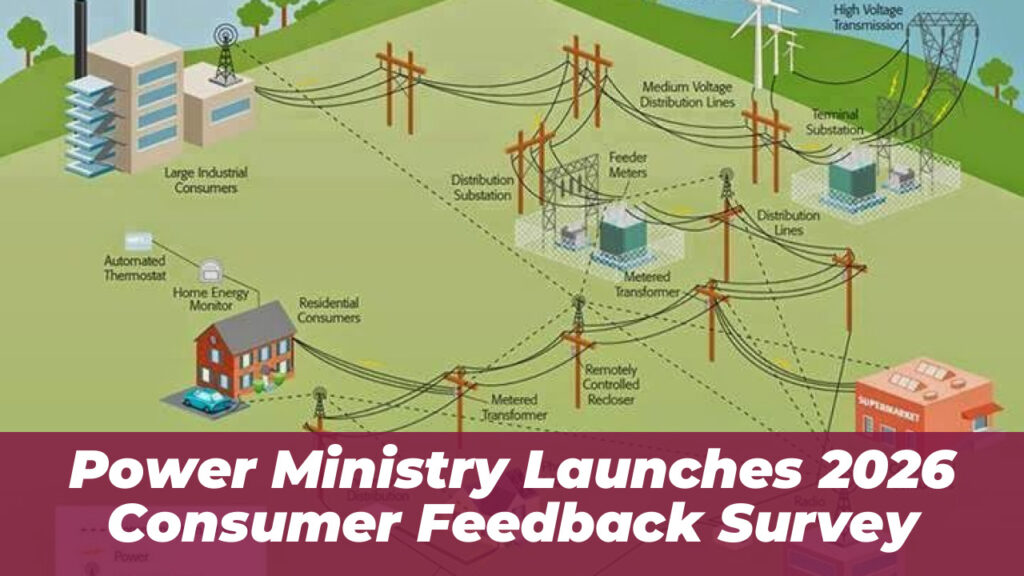
The Power Ministry has officially launched a nationwide Consumer Perception Survey, marking a significant evolution in how utility providers engage with the public. As of September 2026, the directive mandates that all distribution companies rigorously collect feedback regarding service reliability, billing transparency, and grid maintenance. While some may view this as a bureaucratic formality, it represents a crucial mechanism for holding utilities accountable in an increasingly complex energy market.
In this analysis, we examine the scope of this survey, why your input is vital to the current energy landscape, and how the infrastructure challenges defining 2026 are fundamentally reshaping power delivery.
Why the Ministry is Prioritizing Consumer Feedback Now
The energy sector is currently navigating a period of unprecedented strain. The surge in AI-driven data centers and the aggressive transition toward renewable energy have pushed existing infrastructure to its limits. The Ministry’s primary objective is to reconcile official reports of power availability with the lived experiences of households and businesses. While the government continues to invest in large-scale infrastructure, initiatives like the LIIBS 2026 economic framework underscore that energy stability is the bedrock of national development and sustainable growth.

Key Focus Areas of the 2026 Survey
Unlike previous iterations, the 2026 survey is structured around three core pillars that directly influence your monthly utility experience:
- Service Reliability: Quantifying the frequency of unscheduled load shedding and evaluating the efficiency of response teams during grid failures.
- Billing Transparency: Addressing widespread concerns regarding the complexity of tariff adjustments and the lack of clarity in miscellaneous surcharges.
- Infrastructure Integrity: Identifying specific geographic areas where aging equipment, lack of preventative maintenance, or local interference is compromising grid stability.
- Digital Service Integration: Assessing the ease of use of mobile apps and online portals for bill payments and fault reporting.
- Customer Support Efficacy: Evaluating the responsiveness of helplines and the resolution time for complaints filed through official channels.
The Infrastructure Challenge: Beyond the Survey
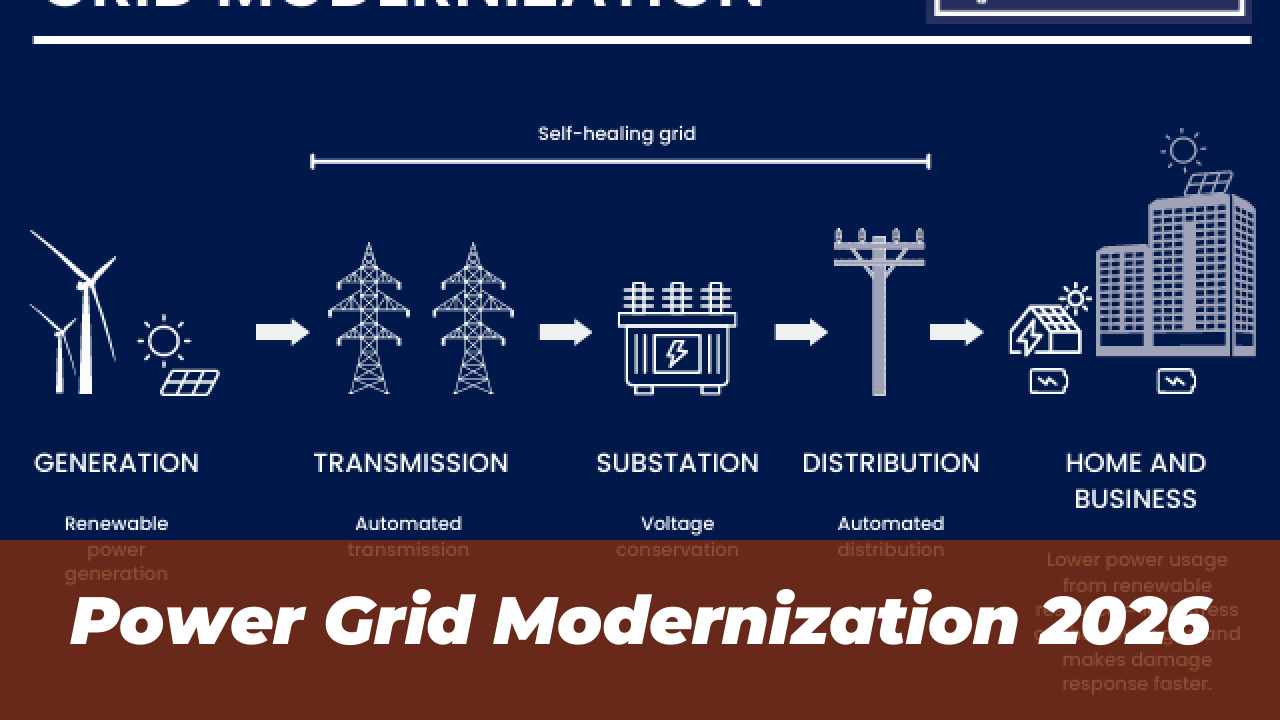
While the government actively seeks feedback, it is essential to recognize the hurdles facing the power sector in 2026. From the proliferation of solar-hybrid projects to the persistent issue of infrastructure vandalism, the grid is in a state of rapid transition. Recent regulatory oversight actions have highlighted that while generation capacity has expanded, the distribution network remains a bottleneck. This survey is designed to help regulators pinpoint exactly where the “last mile” of delivery is faltering, ensuring that future capital expenditure is directed toward the most critical points of failure.
How Your Feedback Directly Influences Policy
Consumer skepticism is natural, but in a regulated market, this data is the primary instrument for institutional accountability. When a high volume of verified negative feedback is logged for a specific region, it triggers a series of mandatory actions:
- Mandatory Audits: Regulators are empowered to launch immediate investigations into the operational efficiency of the local distribution company.
- Budget Reallocation: Financial resources are diverted from administrative overhead toward immediate, prioritized infrastructure repairs.
- Performance Benchmarking: DISCOs are now ranked based on consumer satisfaction scores, which directly impacts their operational licensing and executive bonuses.
- Policy Reform: Recurring complaints regarding billing structures provide the empirical evidence needed to simplify tariff slabs.
- Technological Upgrades: Clusters of complaints regarding low voltage or frequent outages serve as a roadmap for the deployment of smart-grid hardware.
How to Participate in the 2026 Consumer Survey
To ensure your voice impacts policy, participation must be conducted exclusively through official channels. Avoid third-party platforms, as these are often unauthorized and pose significant data privacy risks.
- Access the Official Portal: Navigate to the Ministry’s dedicated feedback dashboard.
- Verify via Consumer Number: Use the reference number from your most recent electricity bill to authenticate your location and account status.
- Provide Granular Detail: Move beyond general complaints; provide specific timestamps for outages and clear descriptions of billing discrepancies.
- Monitor Quarterly Reports: The Ministry has committed to publishing quarterly summaries, allowing you to track how collective feedback is driving systemic adjustments.
- Engage via Official Apps: Use the government-sanctioned mobile application to provide real-time updates on your area’s power status.
Quick Reference: Sample Utility Packages (2026)
| Package Name | Price | On-Net Mins | Off-Net Mins | Internet Data | Validity | Dial Code |
|---|---|---|---|---|---|---|
| Power Saver Daily | $1.50 | 500 | 50 | 2GB | 24 Hours | 123# |
| Grid Connect Weekly | $8.00 | 2500 | 200 | 15GB | 7 Days | 456# |
| Utility Pro Monthly | $25.00 | Unlimited | 1000 | 60GB | 30 Days | *789# |
Pros and Cons of Government Utility Surveys
| Pros | Cons |
|---|---|
| Direct channel for consumer grievances | Potential for bureaucratic inertia |
| Data-driven infrastructure allocation | Risk of data privacy concerns |
| Increased accountability for DISCOs | Skepticism regarding long-term implementation |
Specifications Table: Smart Metering Standards (2026)
| Feature | Specification |
|---|---|
| Connectivity | 5G/IoT Enabled |
| Accuracy | +/- 0.5% |
| Billing Cycle | Real-time / Pre-paid |
| Tamper Detection | Advanced Infrared Sensors |
| Data Latency | < 5 Seconds |
The Bottom Line: Moving Toward a Consumer-Centric Grid
The Power Ministry’s commitment to capturing consumer sentiment is a critical step toward grid modernization. While legacy issues such as aging infrastructure and energy theft will not be resolved overnight, the data collected from this survey provides the empirical evidence required to demand higher performance standards. As we navigate the energy requirements of late 2026, your input functions as a vital data point that influences where resources are deployed. If you seek tangible improvements in your local grid reliability, participating in this survey is the most effective way to ensure the system remains accountable to those it serves.