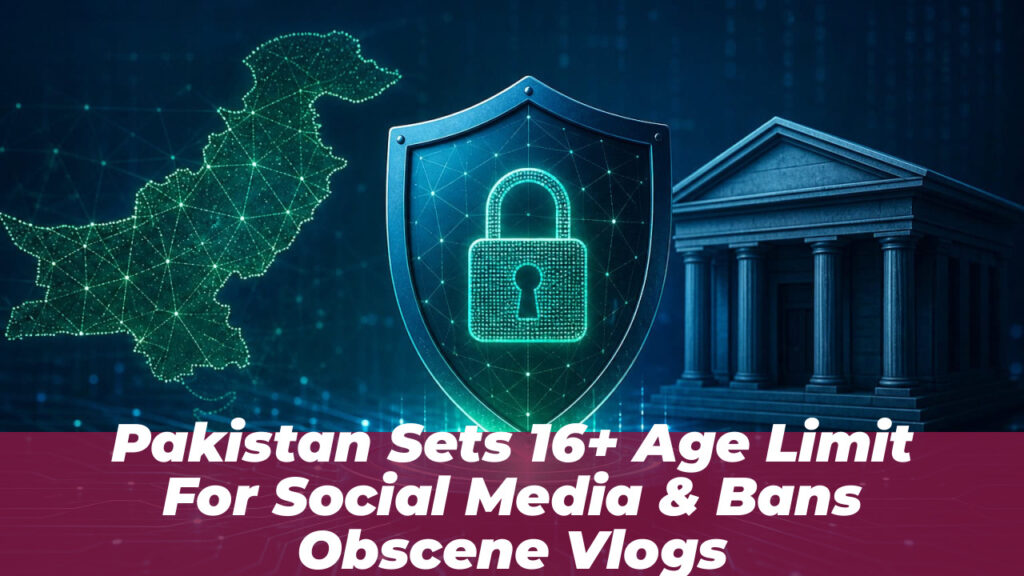
As of September 2026, the digital landscape in Pakistan is undergoing a significant transformation. With the rapid rise of social media consumption among teenagers, the government has intensified its efforts to establish a safer online environment. The recent push for a mandatory minimum age for social media accounts and a strict crackdown on obscene vlogging is not merely a policy change; it is a response to the evolving challenges of the digital age.
The Legislative Turning Point (September 2026)
The debate gained momentum on September 1, 2026, when the Punjab Assembly passed a landmark resolution advocating for a minimum age limit of 16 for social media platforms. This move is designed to mitigate the psychological and social risks associated with unrestricted internet access for minors. Legislators argue that the current digital ecosystem lacks the necessary safeguards to protect children from harmful algorithms and predatory content. By setting this threshold, the state aims to align with modern international digital safety standards, ensuring that technology consumption is tempered by maturity.
Why the Crackdown on ‘Family Vlogging’?
The rise of family vlogging in Pakistan has been a double-edged sword. While it has provided a platform for creative expression, it has also become a breeding ground for content that blurs the lines between privacy and exploitation. The government’s proposed regulations aim to define obscenity in this context, specifically targeting content that compromises the dignity of minors for the sake of views and monetization. By regulating these creators, the state intends to enforce a standard of ethical digital conduct, ensuring that the influence of the LIIBS 2026 economic framework is reflected in how digital media contributes to societal values rather than degrading them.
The Mechanism of Change: PTA and NCCIA
The Pakistan Telecommunication Authority (PTA), in collaboration with the National Cyber Crime Investigation Agency (NCCIA), is currently exploring technical frameworks for age verification. Unlike previous attempts, the 2026 strategy focuses on robust enforcement mechanisms:
- Integrated API Verification: Linking social media accounts with verified digital identity databases (such as NADRA-integrated systems) to ensure users meet the 16-year age requirement.
- Platform Accountability: Requiring global platforms to establish local compliance offices that adhere to Pakistan’s safety standards and data sovereignty laws.
- Algorithm Auditing: Monitoring how platforms push content to younger audiences to prevent exposure to harmful material, a move aligned with global efforts to detect synthetic and misleading media that often circulates in unregulated spaces.
- Direct Reporting Channels: Creating a streamlined portal for citizens to report non-compliant content that violates the new ethical standards.
- Cross-Agency Enforcement: Coordinating between the PTA and law enforcement to penalize repeat offenders who monetize exploitative content.
Global Benchmarking
Pakistan is not acting in isolation. The current policy framework draws inspiration from the 2026 legislative models of Australia and the UK. By observing how these nations have successfully implemented age-gating technologies, Pakistan seeks to adopt a best-fit model that protects its youth while maintaining connectivity with the global digital economy. The focus remains on preventing the “wild west” era of social media from negatively impacting the country’s youth demographic.
Impact on the Creator Economy
For many professional content creators, these regulations represent a shift toward a more mature industry. While concerns about censorship exist, the move is expected to filter out low-quality, exploitative content, potentially raising the bar for legitimate creators who focus on education, technology, and arts. Creators are encouraged to pivot toward high-value content that aligns with the national economic and digital growth goals established earlier this year.
Parental Responsibility: A 2026 Checklist
With these regulations on the horizon, parents must take proactive steps to safeguard their households:
- Digital Literacy: Educate children about the risks of sharing personal information and the permanence of their digital footprint.
- Monitoring Tools: Utilize built-in platform controls such as Family Pairing features to manage screen time and content filters.
- Open Dialogue: Discuss the impact of social media rather than just enforcing bans, as open communication is more effective than restrictive measures.
- Verified Content: Encourage the consumption of educational media over mindless scrolling.
- Privacy Settings: Regularly audit the privacy settings on all family devices to ensure location data and personal details are restricted.
- Offline Engagement: Balance digital activity with physical hobbies and community interaction to reduce dependency on social platforms.
Conclusion
The drive to set a minimum age for social media and curb obscene vlogging is a pivotal step toward a more secure digital future for Pakistan. As the policy moves from the assembly floor to implementation, the goal remains clear: to create an environment where technology serves as a tool for progress rather than a source of harm.