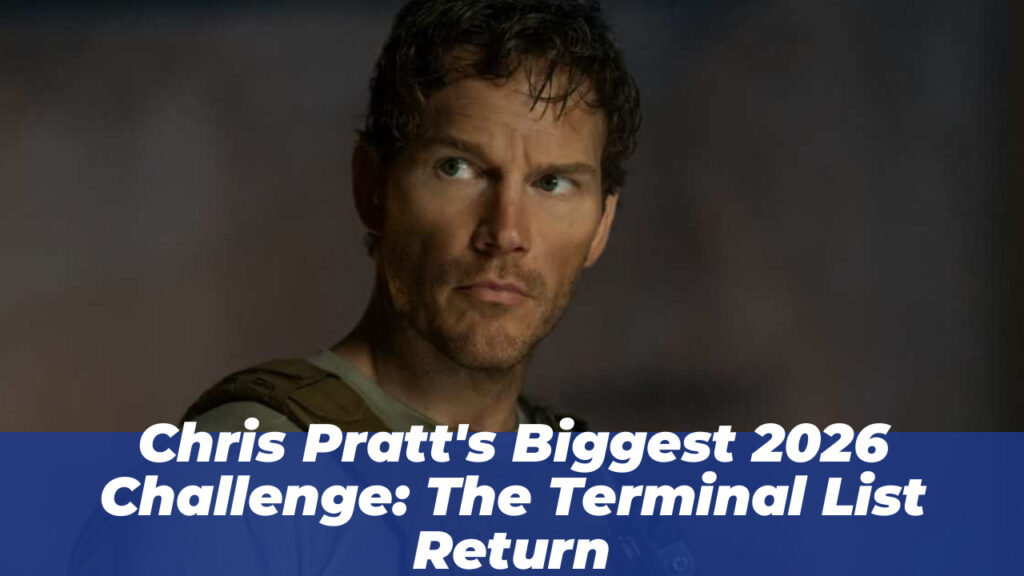
When The Terminal List debuted on Prime Video in 2022, it defied critical skepticism to become a legitimate streaming juggernaut. Chris Pratt, stepping away from the neon-soaked world of his previous blockbuster roles, proved he could carry the heavy, jagged mantle of James Reece, a Navy SEAL pushed to the brink of insanity. However, as we arrive in October 2026, the landscape of streaming has shifted dramatically, making this return a high-stakes gamble.
The four-year gap between seasons is not merely a production delay; it is a significant professional hurdle for Pratt. In an era where audience attention spans are fractured by a constant influx of new content, sustaining interest over a 48-month hiatus is a rare feat. For Pratt, the stakes couldn’t be higher. This isn’t just another action role; it is a definitive test of his individual star power independent of massive franchise IP.
The Four-Year Void: Can Prime Video Sustain the Momentum?
The streaming industry is currently obsessed with “retention metrics.” Data from 2026 suggests that shows with a hiatus longer than three years often struggle to recapture their original audience share. When a series disappears for nearly half a decade, the cultural conversation moves on, and audiences often find themselves occupied by the latest true-crime sensations or emerging digital trends.
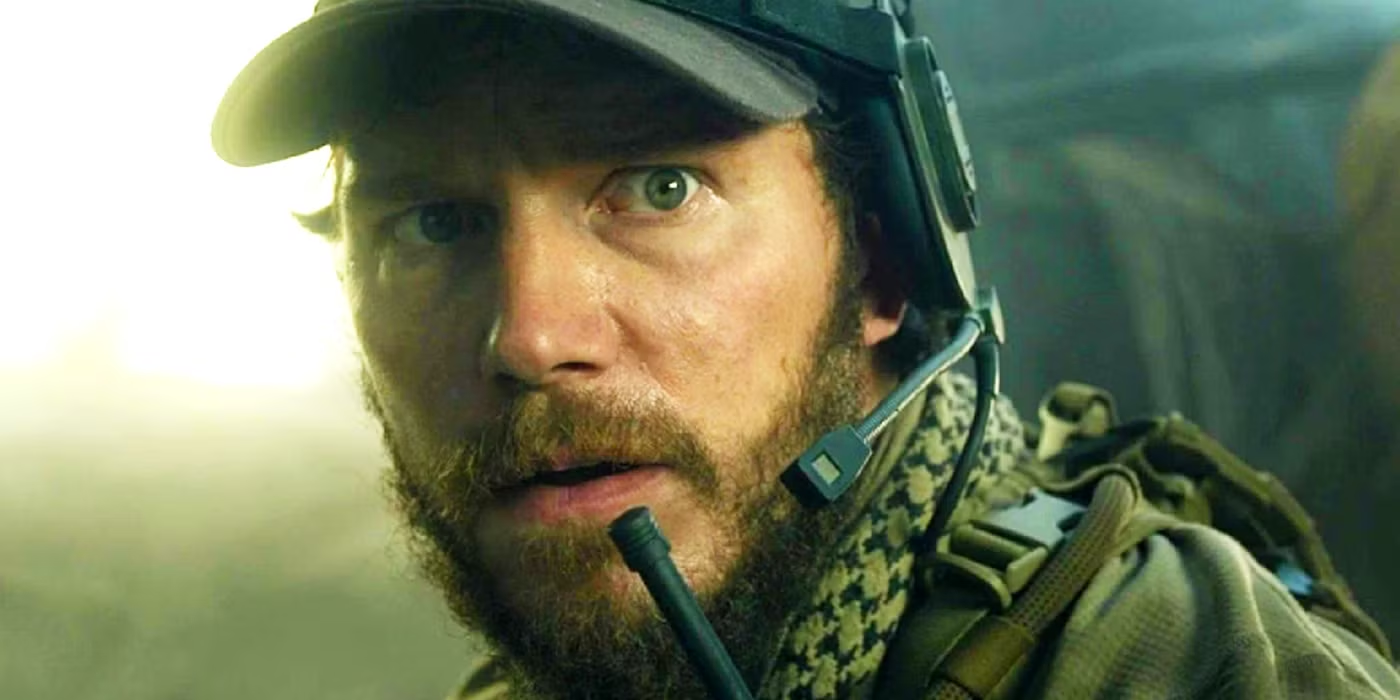
Prime Video is betting that Pratt’s transition from a blockbuster hero to a gritty, grounded anti-hero is enough to pull viewers back. Unlike the lighthearted charm he brought to his earlier roles, James Reece requires a level of emotional austerity that is difficult to sustain. If the audience has moved on to fresher, more immediate obsessions, Pratt’s ability to anchor a long-form franchise will be scrutinized by studio executives who are increasingly cautious about budget allocation for legacy series.
Bridging the Gap: What You Need to Remember Before James Reece Returns
If you are jumping back into the fray, it is easy to forget the intricacies of the original conspiracy. Here is the essential breakdown to bring you up to speed.
The Fallout of Season 1: A Brief Recap of the Conspiracy
James Reece began the series as a man mourning his family, only to realize their deaths were part of a massive, top-level military cover-up. By the end of the season, Reece had systematically executed those responsible, including his own superiors. He didn’t just survive; he dismantled a corrupt chain of command from the inside out, leaving him a broken man sailing toward an uncertain future.
Why ‘Dark Wolf’ Wasn’t Enough to Keep the Flame Alive
The 2024 spin-off attempt, The Terminal List: Dark Wolf, was intended to bridge the gap and keep the franchise in the public consciousness. However, without Pratt’s central performance, the show failed to generate the same level of viewer engagement. It proved that the brand isn’t just about the tactical action; it is about the specific, haunted portrayal Pratt brings to the screen. The attempt to expand the universe prematurely only highlighted how much the audience identifies the series with Pratt’s specific performance.
The Pratt Factor: Shifting from Blockbuster Hero to Gritty Anti-Hero
Pratt has spent the better part of a decade being the “funny guy” or the “dinosaur trainer.” In 2026, his career trajectory is clearly moving toward darker, more prestige-oriented storytelling. This pivot is risky. Actors who move from high-octane spectacles to intense character studies often face a “credibility gap” with audiences who are used to seeing them in a certain light. The Terminal List serves as the primary litmus test for whether he can sustain a career in the “gritty thriller” genre long-term.
The Stakes for Prime Video’s 2026 Strategy
Prime Video is currently navigating a competitive market where subscribers are quick to cancel if a platform lacks “appointment television.” By centering their Q4 2026 strategy on the return of James Reece, they are banking on the idea that the “Pratt factor” is still a massive draw. If the numbers don’t hit expectations, it could signal a shift in how streamers approach long-term renewals for high-budget dramas, potentially leading to shorter production cycles for future hits.
What to Expect from True Believer: Adapting Jack Carr’s Vision
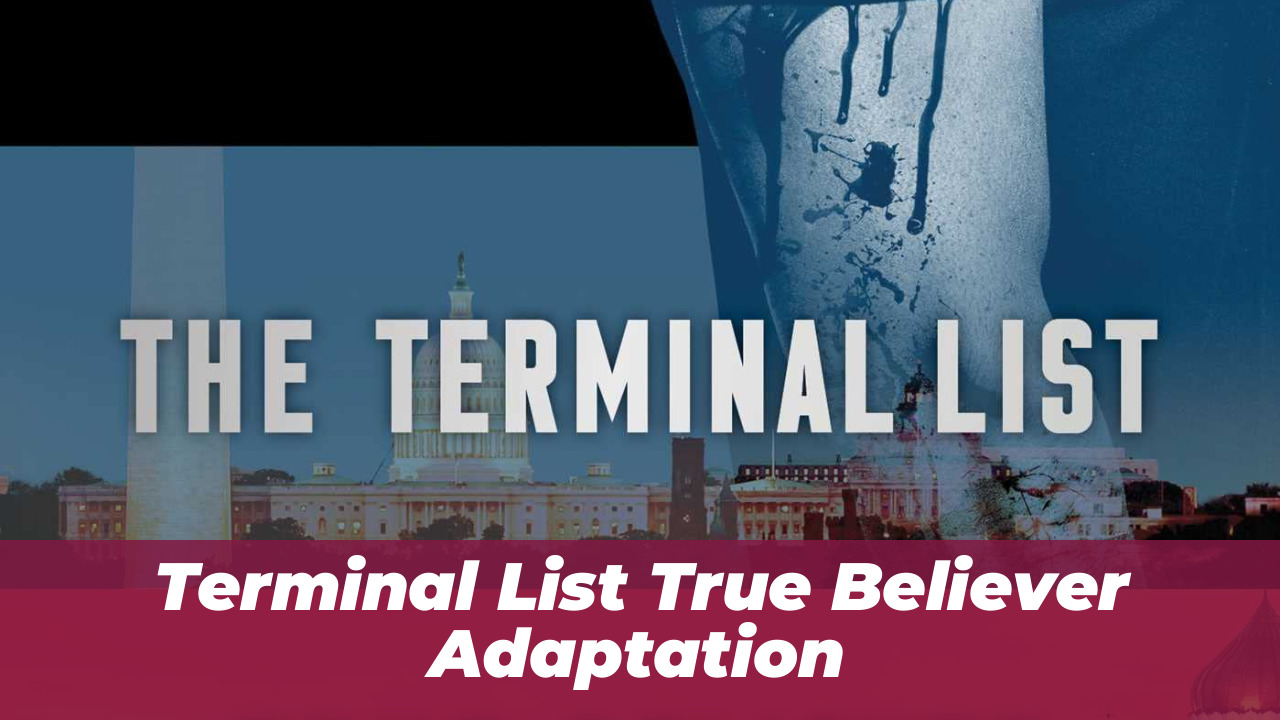
Season 2 is set to adapt True Believer, the second novel in Jack Carr’s series. The story moves away from the revenge-driven narrative of the first season and into a global hunt. Reece is now a wanted man, forced to use his specialized skills for the CIA to track down a terrorist who is essentially a mirror image of himself. It is a more expansive, globetrotting premise that demands higher production values and a more nuanced performance from its lead.
The Final Verdict: Can Pratt Defy the Streaming Hiatus Curse?
The four-year wait is the ultimate challenge. While the industry is seeing a rise in complex, rogue AI models and shifting digital trends, the demand for human-led, visceral storytelling remains. If Pratt can deliver the same intensity he showed in 2022, he will likely cement his status as a serious dramatic actor. If not, the “hiatus curse” might prove that even the biggest stars struggle to keep a franchise alive in the modern, lightning-fast streaming era.
Specifications Table: The Terminal List Season 2
| Feature | Details |
|---|---|
| Lead Actor | Chris Pratt |
| Streaming Platform | Prime Video |
| Genre | Action / Political Thriller |
| Source Material | True Believer by Jack Carr |
| Release Window | October 2026 |
| Character | James Reece |
Pros & Cons
Pros:
- High-budget production quality consistent with 2026 standards.
- Faithful adaptation of Jack Carr’s popular source material.
- Chris Pratt’s proven ability to anchor high-stakes action sequences.
- Stronger narrative focus on global espionage compared to the first season.
- Clear, established character arc for James Reece.
Cons:
- A significant four-year gap may lead to substantial audience attrition.
- The genre is increasingly crowded with similar military thrillers.
- High pressure to perform after the lukewarm reception of the spin-off series.
- Difficulty in regaining momentum after a long-term production hiatus.
- Potential for audience fatigue regarding “dark and gritty” anti-hero tropes.