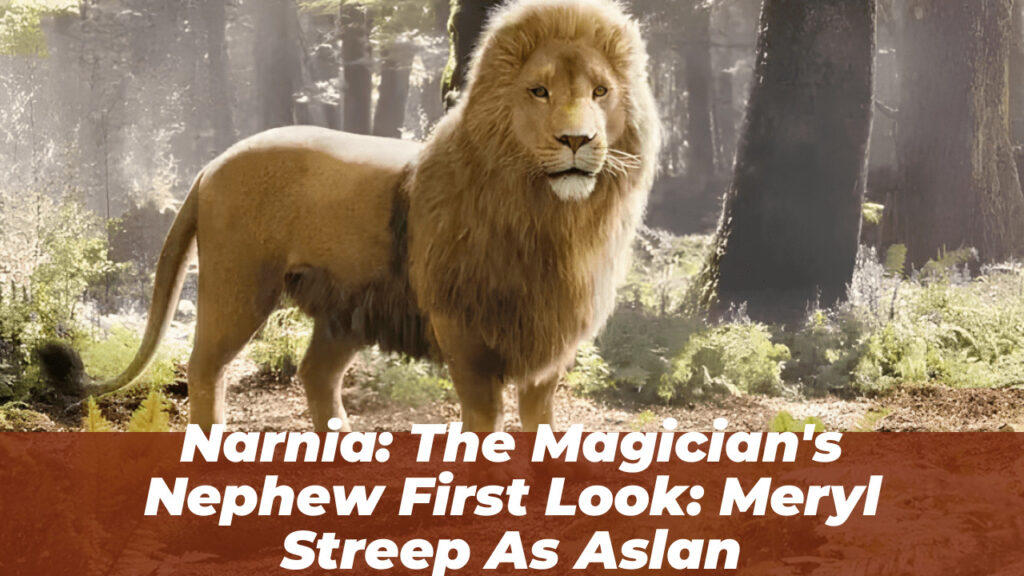
The film industry in 2026 is currently focused on one major project: Greta Gerwig’s ambitious reimagining of Narnia’s origins. With Narnia: The Magician’s Nephew scheduled for a February 12, 2027, theatrical release, the first look at Meryl Streep as the voice of Aslan has arrived, signaling a departure from previous adaptations. This project represents a bold, stylistic reinvention of C.S. Lewis’s universe, balancing nostalgic wonder with a modern, grounded sensibility.
The Evolution of Aslan: Why Meryl Streep Changes Everything
Casting Meryl Streep as the voice of Aslan transforms the character from a purely authoritative, distant figure into one of profound, lived-in wisdom. Gerwig has stated that she sought an actor capable of embodying the capacity for fresh wonder while carrying the weight of an ancient creator. Streep’s vocal performance is expected to serve as the film’s emotional anchor, providing a sense of stability amidst the volatile, shifting origins of the Narnian world.

A Radical Visual Shift: The Heterochromatic Lion
The visual reveal of Aslan has sparked significant discussion. Departing from the traditional golden-maned lion of past iterations, the 2027 design features a striking red-striped visage and heterochromatic eyes one piercing blue, the other a deep, glowing orange. This aesthetic choice emphasizes the supernatural nature of the character, distinguishing this version of Aslan as a primal, ancient entity rather than a conventional talking beast. It feels less like a creature from our world and more like a force of nature.
From 1900s to 1950s: Reimagining London
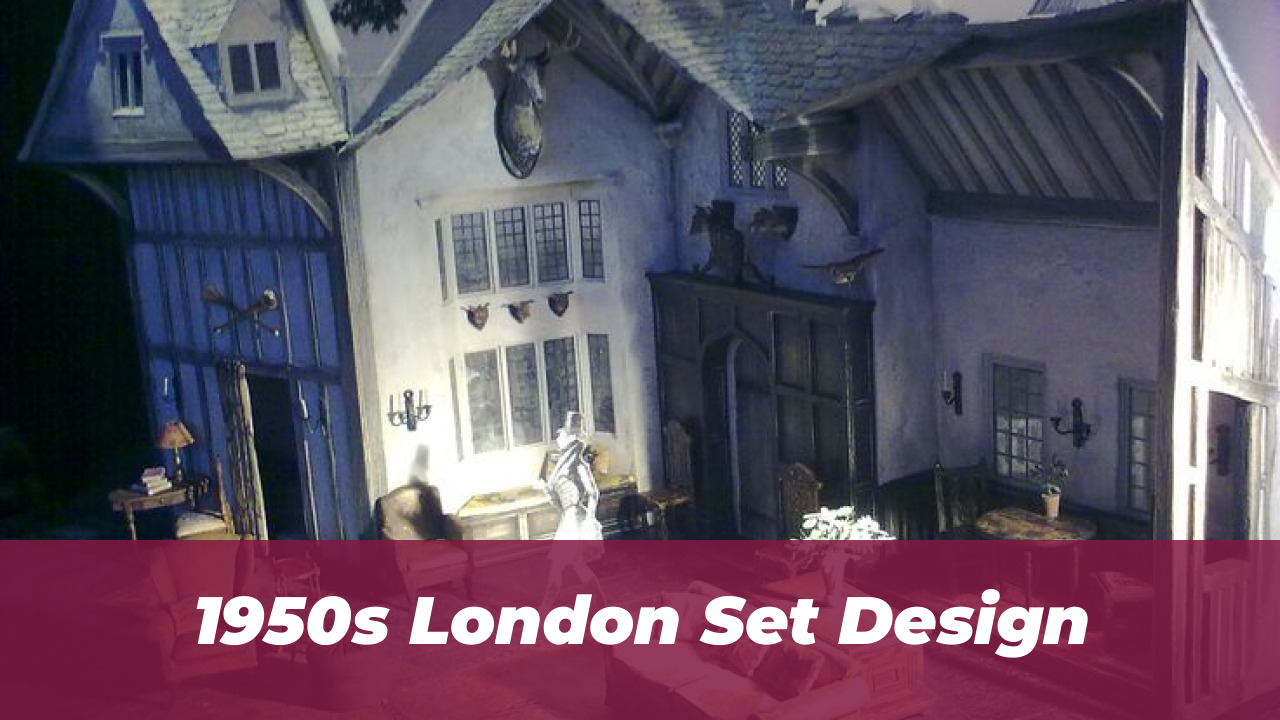
Gerwig has chosen to shift the narrative timeline from the book’s early 1900s setting to a post-war 1950s London. This adjustment allows the film to tap into the anxieties and cultural atmosphere of the mid-20th century. By grounding Digory Kirke and Polly Plummer’s journey in a world recovering from global conflict, the contrast between the drab, industrial reality of London and the vibrant, dangerous magic of Charn becomes far more visceral. It adds a layer of emotional stakes that resonates with modern audiences who appreciate the intense character-driven performances currently dominating the screen.
The “Rock’n’Roll” Adaptation: Greta Gerwig’s Musical Pulse
Perhaps the most intriguing aspect of this production is the description of the film as a rock’n’roll adaptation. With acclaimed composer Mark Ronson at the helm, the score promises to be a departure from typical orchestral fantasy soundtracks. Expect a rhythmic, contemporary energy that drives the pacing, ensuring that the film feels kinetic and urgent. Gerwig is aiming for a sensory experience that feels as electric as the magic powering the Rings of Power.
Production Roadmap and Core Cast
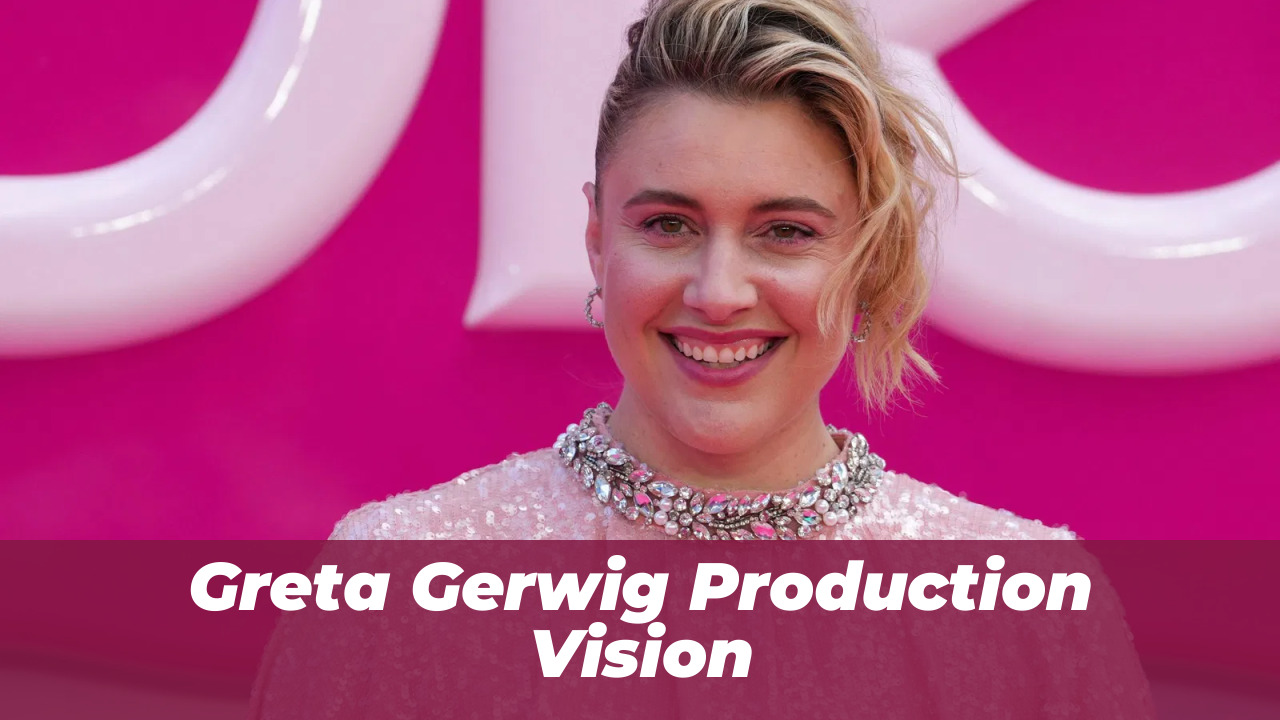
For those tracking the development of this project, the following list outlines the key talent bringing this vision to life.
Core Cast Overview:
- David McKenna as Digory Kirke
- Beatrice Campbell as Polly Plummer
- Emma Mackey as the formidable Jadis
- Meryl Streep as the voice of Aslan
What to Expect from the Charn City Sequences
The ruins of Charn are set to be a visual centerpiece of the film. Production notes suggest that the cinematography leans heavily into brutalist architecture, emphasizing the dying world aspect of the city. Audiences can expect a stark, high-contrast visual style that highlights the tragic history of Jadis’s home, setting the stage for the moral stakes that Digory and Polly will face when they first encounter the Queen.

Production Specifications
| Feature | Details |
|---|---|
| Director | Greta Gerwig |
| Primary Composer | Mark Ronson |
| Release Date | February 12, 2027 |
| Streaming Platform | Netflix (April 2, 2027) |
| Visual Style | High-contrast, Brutalist, Supernatural |
Pros & Cons
Pros:
- Meryl Streep’s casting brings incredible emotional weight to the role of Aslan.
- The 1950s post-war setting provides a fresh, relatable historical context.
- Mark Ronson’s score promises a unique and kinetic auditory experience.
Cons:
- The radical visual changes to Aslan may alienate traditionalists.
- The shift to a rock’n’roll tone is a high-risk creative gamble that deviates from standard fantasy tropes.
- The heavy emphasis on brutalist aesthetics may feel too dark for younger viewers.
- The 1950s timeline adjustment alters the original literary pacing.
Final Thoughts on the Narnian Revival
Narnia: The Magician’s Nephew is shaping up to be a significant project for the 2027 release slate. By blending Meryl Streep’s gravitas with Greta Gerwig’s unconventional stylistic choices, the film aims to offer a fresh perspective on a classic franchise. Whether you are a long-time devotee of the books or a newcomer to the wardrobe, the upcoming February premiere is poised to alter the expectations for modern fantasy storytelling.