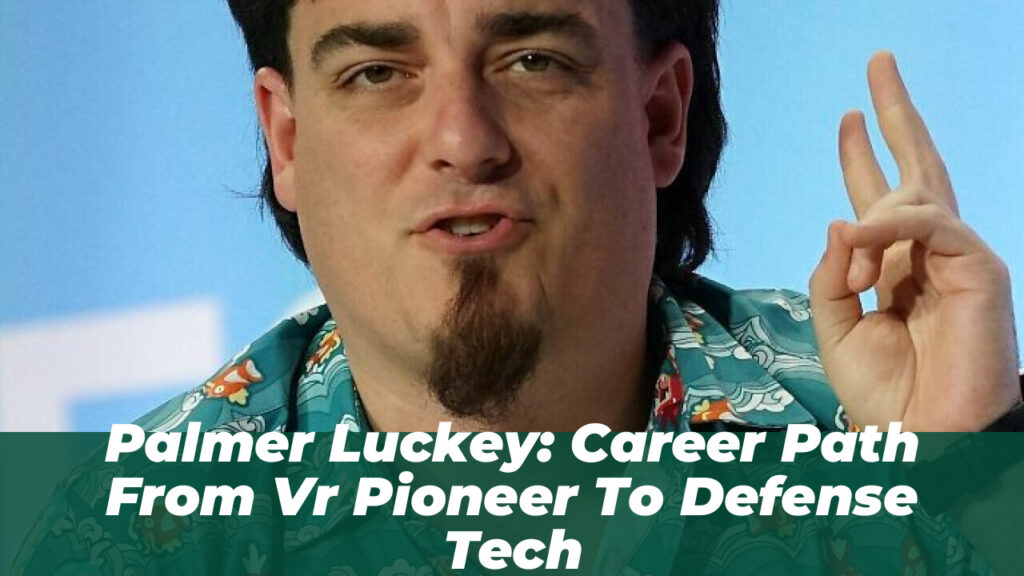
Palmer Freeman Luckey stands as a central figure in modern technology, bridging the gap between consumer electronics and advanced defense systems. Born in 1992, he transformed the virtual reality sector before pivoting toward autonomous military hardware. His career trajectory reflects a consistent focus on rapid iteration and unconventional engineering solutions.
From his early days building custom displays in a garage to leading a major defense contractor, Luckey maintains a distinct technical philosophy. He prioritizes modularity and software-driven hardware to solve complex operational challenges. This profile examines his journey from a VR enthusiast to a significant player in international security.
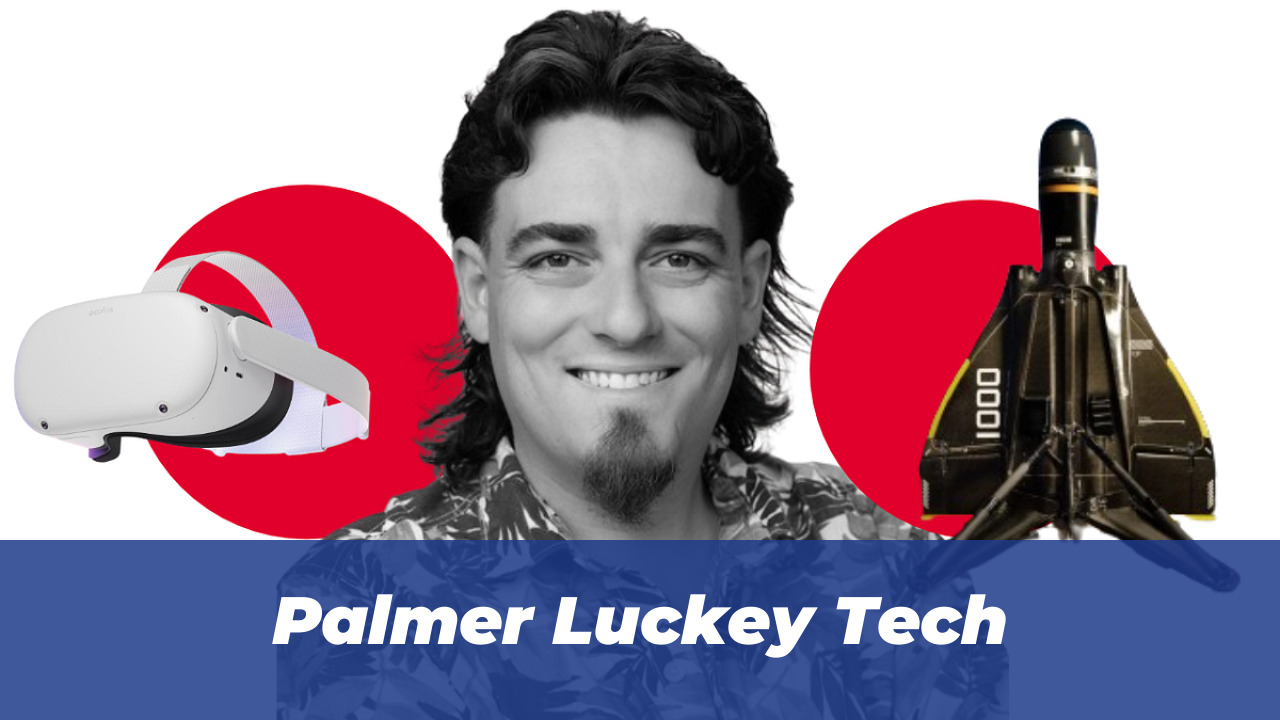
Early Life and Technical Foundations
Luckey grew up in Long Beach, California, where he developed a deep fascination with electronics at a young age. He spent his formative years dismantling and modifying hardware to understand internal circuitry. This hands-on education provided the base for his later innovations in optics and display systems.
His academic path included studies at California State University, Long Beach, though he eventually left to focus on his hardware projects. This decision prioritized practical application over traditional classroom learning. He treated the physical world as a laboratory, testing components and configurations in his spare time.
Luckey often credits his early exposure to hobbyist forums for shaping his collaborative approach to engineering. He engaged with communities of experts to refine his designs and troubleshoot complex technical issues. These interactions established a foundation of open communication that influenced his future professional endeavors.
Engineering Roots in Southern California
The Southern California environment provided Luckey with access to diverse electronic components and a culture of independent invention. He spent countless hours sourcing parts and integrating them into functional prototypes. This environment fostered a mindset that valued speed and efficiency above all else.
By leveraging local resources and online communities, he learned to build high-performance systems with limited budgets. This discipline became a hallmark of his engineering style. He focused on functionality and user experience, ignoring the constraints of traditional corporate development cycles.
The Garage Prototype Era
The transition from hobbyist to innovator occurred within the confines of his parents garage. Luckey worked tirelessly to create a head-mounted display that offered a wide field of view at an affordable price. His early prototypes proved that high-fidelity virtual reality was achievable with off-the-shelf parts.
These early iterations demonstrated his ability to solve difficult optical problems through clever mechanical design. He focused on reducing latency and weight, two essential factors for comfortable immersion. This period solidified his reputation as a disruptive force in the tech industry.
The Virtual Reality Revolution
The unveiling of the early Oculus Rift prototype in 2012 marked a turning point for the gaming and entertainment sectors. Luckey designed the headset to address the lack of affordable VR hardware on the market. His prototype generated immediate interest among developers and enthusiasts globally.
The success of the initial crowdfunding campaign allowed him to scale production and expand his engineering team. He moved beyond the garage to establish a formal company focused on mass-market adoption. This shift forced him to manage the complexities of manufacturing and supply chain management.
Investors poured massive capital into the sector as they recognized the potential of his technology. Luckey became the face of the VR movement, advocating for its integration into various professional and personal applications. His vision laid the groundwork for the modern virtual reality landscape.
Designing the Oculus Rift Prototype
The primary innovation behind the Rift involved custom optics and motion tracking sensors integrated into a lightweight housing. Luckey prioritized low latency to ensure that the user experience remained comfortable and responsive. He tested numerous lens configurations to optimize the field of view.
By focusing on software-hardware synergy, he ensured that the device tracked head movements with extreme precision. This technical achievement set a new standard for home-based virtual reality equipment. He proved that consumer hardware could rival expensive professional systems through smart design choices.
Industry Impact and Corporate Acquisition
Following the successful release of early developer kits, the company attracted significant attention from major technology firms. In 2014, a major social media giant acquired the venture for approximately two billion dollars. This deal provided the resources necessary to bring VR to a global audience.
Luckey remained involved for several years, overseeing the refinement of consumer-ready headsets and software ecosystems. The acquisition validated his belief that VR would eventually become a ubiquitous communication tool. He eventually departed in 2017 to pursue new interests outside of the gaming industry.
Transitioning to Defense Technology
After leaving the consumer electronics sector, Luckey identified a need for more agile development in the defense industry. He observed that traditional military procurement often lagged behind the rapid pace of technological advancement. He sought to apply the lessons of the tech world to national security hardware.
This realization led to the founding of a new company focused on autonomous systems and sensor fusion. By integrating artificial intelligence into military hardware, he aimed to provide warfighters with superior situational awareness. The company quickly gained traction by delivering functional prototypes on accelerated timelines.
His approach challenged the status quo of established defense contractors. He focused on software-defined systems that could be updated remotely to address evolving threats. This strategy allowed for greater flexibility and lower costs compared to legacy military platforms.
Founding Anduril Industries
Anduril Industries emerged as a platform for developing autonomous defense technology, including unmanned aerial vehicles and surveillance towers. Luckey designed the organization to function like a software company rather than a traditional hardware manufacturer. This structure promotes rapid iteration and continuous improvement of all systems.
The company leverages AI to process vast amounts of data from sensors, providing actionable intelligence in real-time. This capability enhances the effectiveness of ground forces and security personnel. By prioritizing software, the team ensures that hardware remains relevant long after its initial deployment.
Shift from Consumer Tech to Military Hardware
The move from VR headsets to defense systems required a fundamental change in engineering priorities. While VR focuses on immersion and comfort, military hardware demands extreme reliability and durability in harsh environments. Luckey adapted his rapid prototyping methods to meet these rigorous standards.
He retained the core philosophy of building modular, scalable solutions that solve specific operational problems. By focusing on mission-critical applications, he ensured that his technology provided immediate value to end users. This transition highlights his ability to apply technical expertise across diverse fields.
Technical Architecture and Innovation
The technical architecture of modern autonomous defense systems relies on high-speed data processing and robust sensor fusion. Unlike early VR prototypes that focused on human perception, these systems focus on environmental analysis. They must identify, track, and classify objects with high accuracy in dynamic settings.
Luckey emphasizes the importance of a unified software stack that connects various hardware components into a single network. This allows for coordinated action between different types of unmanned systems. The architecture supports remote updates, ensuring that the fleet can adapt to new tactics or threats.
Integrating AI into these systems involves training models on diverse datasets to improve decision-making capabilities. This process requires constant testing in simulated and real-world environments. The goal is to reduce the cognitive load on human operators by automating routine tasks.
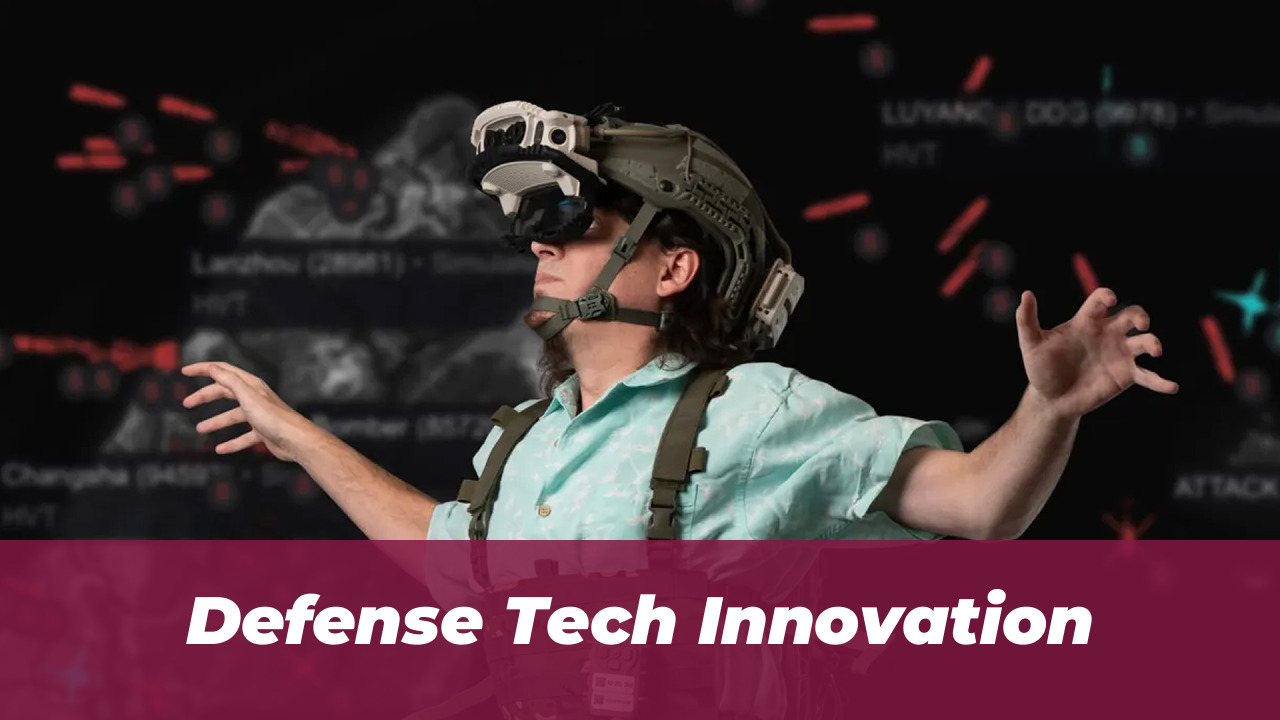
Comparing Early Prototypes to Modern Headsets
Early VR prototypes prioritized basic display resolution and motion tracking to simulate a 3D environment. Modern headsets incorporate sophisticated eye-tracking, haptic feedback, and wireless connectivity to enhance the user experience. The hardware has evolved from a simple peripheral into a standalone computing platform.
Despite these differences, the underlying design philosophy remains focused on user comfort and system latency. Engineers continue to refine the optical path to reduce eye strain and improve visual clarity. These advancements ensure that the technology remains accessible to a wide range of users.
Integrating AI into Autonomous Systems
AI integration in defense systems involves deploying machine learning models directly onto hardware platforms. This edge computing approach allows for instantaneous analysis without relying on constant cloud connectivity. These systems can function independently in communication-denied environments.
The software must be resilient to interference and capable of distinguishing between legitimate threats and background noise. By continuously updating these models, the systems become more effective over time. This iterative process is essential for maintaining a technological edge in modern security operations.
Navigating Defense Procurement Challenges
The defense sector operates under strict regulatory frameworks that dictate how technology is developed and acquired. These procurement cycles often span several years, which conflicts with the rapid prototyping methods favored by tech companies. Luckey works to align his development speed with these necessary oversight requirements.
Regulatory hurdles include rigorous testing, certification, and compliance with data security standards. These requirements ensure that systems are safe and effective before widespread deployment. Successfully managing these processes requires a deep understanding of both technology and government policy.
Disrupting traditional cycles involves demonstrating value through pilot programs and field trials. By delivering working hardware quickly, companies can prove their capabilities and build trust with stakeholders. This evidence-based approach is essential for gaining long-term contracts in a competitive market.
Regulatory Hurdles for AI Systems
Deploying AI in military contexts requires addressing complex ethical and safety concerns. Regulators demand transparency in how systems make decisions and how they handle sensitive data. Compliance with these standards is a significant challenge for any company developing autonomous hardware.
Luckey and his team invest heavily in verification and validation processes to meet these demands. They document system behavior and performance to provide clear evidence of reliability. This proactive approach helps secure approval for testing and deployment in various operational theaters.
Disruption of Traditional Military Cycles
Traditional defense procurement often relies on long-term planning that may become obsolete before completion. By introducing software-defined hardware, companies can update systems as requirements change. This flexibility is a significant departure from the static nature of legacy military platforms.
This approach forces established contractors to reconsider their own development timelines and methodologies. The result is a more competitive landscape that benefits the end user through faster innovation. Increased competition drives efficiency and keeps costs lower for government agencies.
Influence of Hobbyist Community Methods
Luckey brings a community-driven mindset to professional engineering, emphasizing shared knowledge and open collaboration. His early involvement in hobbyist forums taught him the value of feedback loops and rapid iteration. He continues to encourage these practices within his current organization.
This collaborative approach ensures that diverse perspectives inform the design of complex systems. By engaging with users early, engineers can identify issues and implement solutions before they become costly. This method promotes a culture of constant learning and improvement.
Scalable Design Principles
Scalability is a core component of the hardware designs produced by Luckey’s team. Systems are built using modular components that can be easily upgraded or replaced as technology advances. This design choice extends the lifespan of the equipment and reduces total ownership costs.
By focusing on scalable architecture, the company can deploy solutions that grow with the needs of the mission. Whether a project requires a single sensor or a large network, the underlying technology remains consistent. This consistency simplifies maintenance and training for personnel.
Modular Hardware Development
Modular hardware allows for the quick integration of new sensors or processors without replacing the entire system. This approach is particularly effective in the rapidly changing field of defense technology. It ensures that hardware can keep pace with breakthroughs in AI and sensor capabilities.
The focus on modularity reduces the complexity of manufacturing and logistics. By standardizing parts, the team can streamline production and improve supply chain reliability. These efficiencies are critical for delivering technology at scale to demanding clients.
The Future of Autonomous Defense
The integration of autonomous systems into national defense represents a permanent shift in military strategy. As sensor technology improves, the ability to process data at the edge will determine tactical outcomes. Luckey continues to push the boundaries of what portable, autonomous hardware can achieve in contested environments.
Future developments will likely focus on increased swarm capabilities and multi-domain integration. These systems will operate across air, land, and sea, sharing data to create a comprehensive view of the battlefield. The goal remains to provide decision-makers with superior information while minimizing risk to personnel.
Luckey’s commitment to rapid iteration ensures that his systems evolve alongside the threat landscape. By maintaining close ties with operational users, his teams identify gaps in existing technology and address them with software-driven solutions. This cycle of feedback and deployment defines his professional impact.
Frequently Asked Questions
What is the primary focus of Anduril Industries?
Anduril Industries focuses on developing autonomous defense technology, including unmanned aerial vehicles, surveillance towers, and sensor-fused software platforms. The company integrates artificial intelligence to provide real-time situational awareness for military and security applications.
When did Luckey leave his initial VR venture?
Palmer Luckey departed his initial virtual reality venture in 2017. Following his departure, he shifted his professional attention toward the defense sector and the development of autonomous systems.
How does Luckey approach military hardware?
He applies rapid prototyping and software-defined design to military hardware. His approach emphasizes modularity, scalability, and continuous updates to ensure systems remain relevant and effective against evolving threats.
What defines his engineering background?
His background is defined by hands-on experience in electronics and a strong reliance on hobbyist community methods. He prioritizes practical functionality and rapid iteration over traditional, slow-paced corporate development cycles.
How does he handle procurement challenges?
He manages procurement by delivering functional prototypes and participating in pilot programs. This approach builds trust with stakeholders and demonstrates the value of faster development cycles within the defense industry.
Legacy and Future Outlook
Palmer Luckey’s career highlights a significant shift in how technology companies approach development and deployment. From his early success in virtual reality to his current work in defense, he consistently prioritizes speed, modularity, and software integration. His influence extends beyond the products he creates, shaping the way industries think about innovation cycles.
As autonomous systems become more prevalent in global security, the importance of his work will likely continue to grow. He remains a vocal advocate for technological advancement, pushing for systems that are adaptable and resilient. His ability to bridge the gap between consumer tech and mission-critical hardware sets a unique precedent for future entrepreneurs.
The future of his ventures depends on the successful integration of AI into complex, real-world environments. By maintaining a focus on modularity and user-centric design, he ensures that his systems remain at the forefront of technological capability. His legacy is one of disruption and a relentless pursuit of practical engineering solutions.