
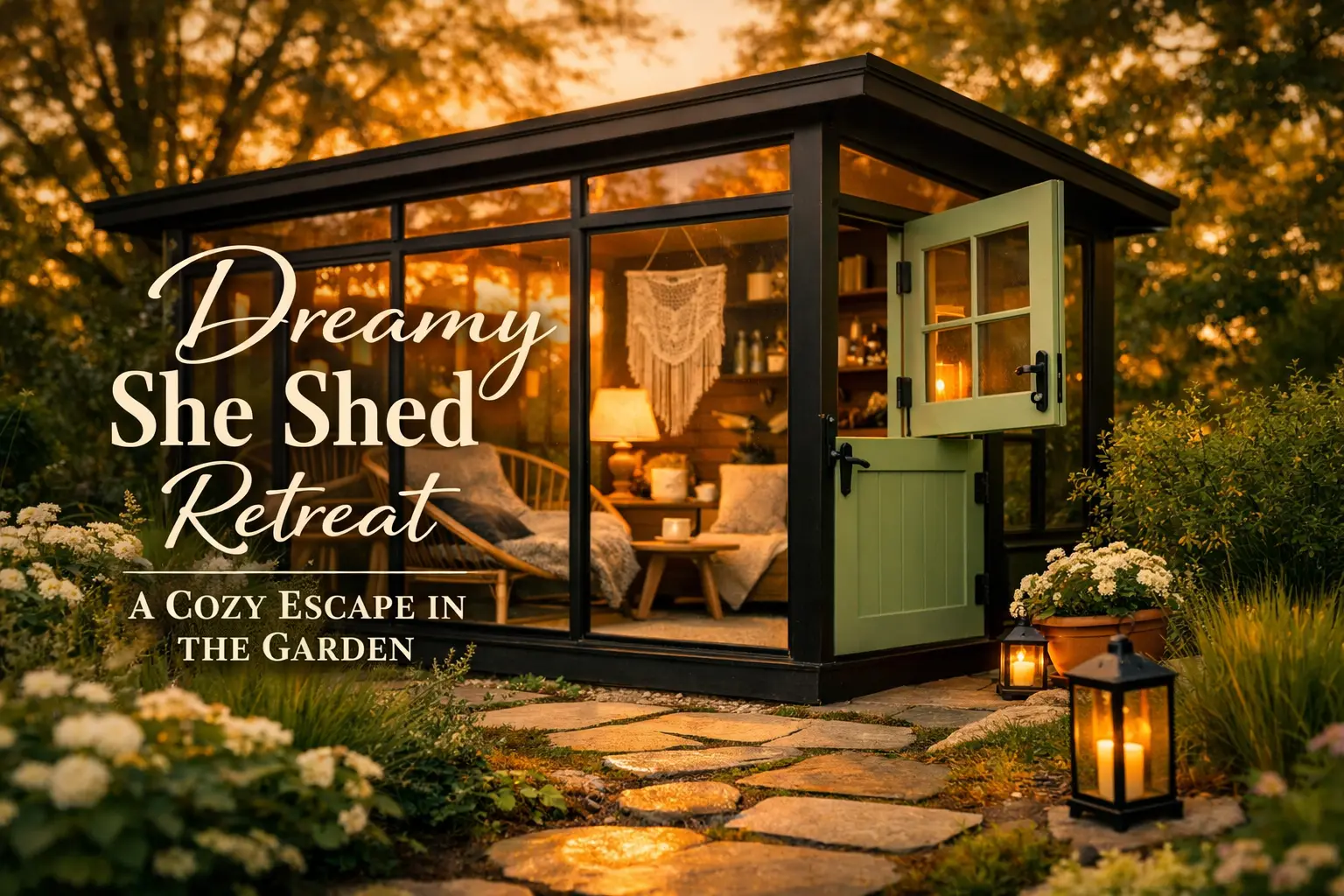
So imagine this: there’s noise everywhere in the house, kids are shouting, the TV is blaring, and you just need a little time for yourself. To finish that book. Or to complete that painting that’s been half-done for two months. This is exactly where the She Shed enters your life, and you need the She Shed Ideas that help you to create your dream.
A she shed isn’t just a garden building. It’s a personal sanctuary. A space that’s entirely yours. Where you can either rest—whether that means a nap, meditation, or just sitting quietly with a cup of tea—or give your creativity room to take off, whether that’s pottery, writing, or any passion project.
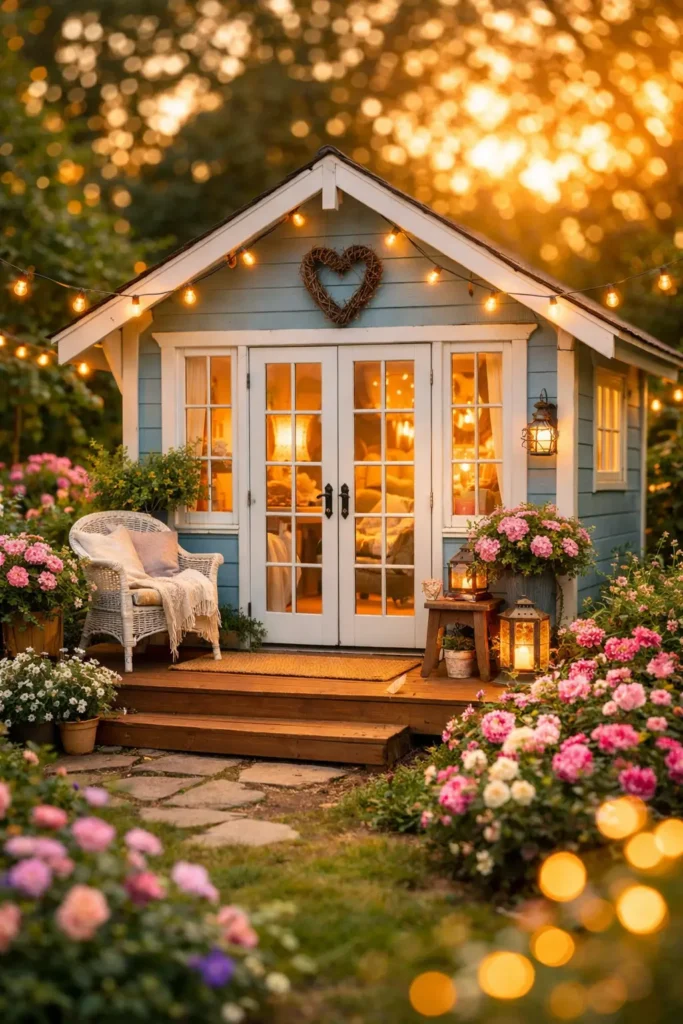
But before you start, keep one thing in mind: set your budget, check your municipality’s zoning laws (yes, you might need a permit), and decide whether you’re upgrading an existing structure or building something new.
Now let’s get started on a journey through 37 She Shed Ideas that will inspire you, not overwhelm you.
Rest & Relaxation Retreats: A New Place to Unplug
This section is for She Shed Ideas that want only one thing: to give you peace. No work, no deadlines. Just you and your time.
1. The Cozy Reading Nook Shed
If you’re the kind of person who sits down to read “just one chapter” and suddenly the sun is coming up, this design is for your She Shed.
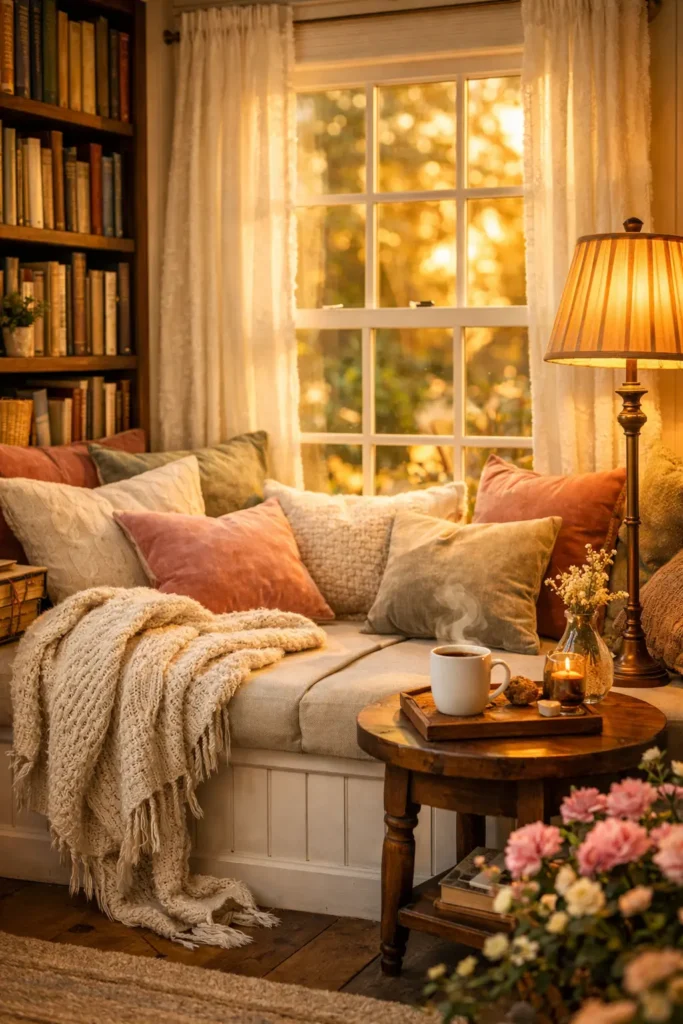
The most important thing in this shed is the built-in seating. If space is tight, a window seat is a brilliant solution. You can add storage underneath—for extra blankets and unread books. And lighting? Go for two or three layers. One overhead ambient light, one reading lamp, and, if possible, fairy lights for that magical touch.
You may be interested: 50 Luxury Bag Brands Ranked
Pro-Tip: Don’t forget soundproofing. If you have kids who shout (and whose don’t), add extra insulation in the walls. Rockwool or acoustic foam panels can do the job.
Best colors for this: Warm taupe, dusty rose, deep forest green. Anything easy on the eyes.
2. The Meditation Sanctuary
Creating a space for meditation means bringing distractions down to zero. In this shed, minimalism is king.
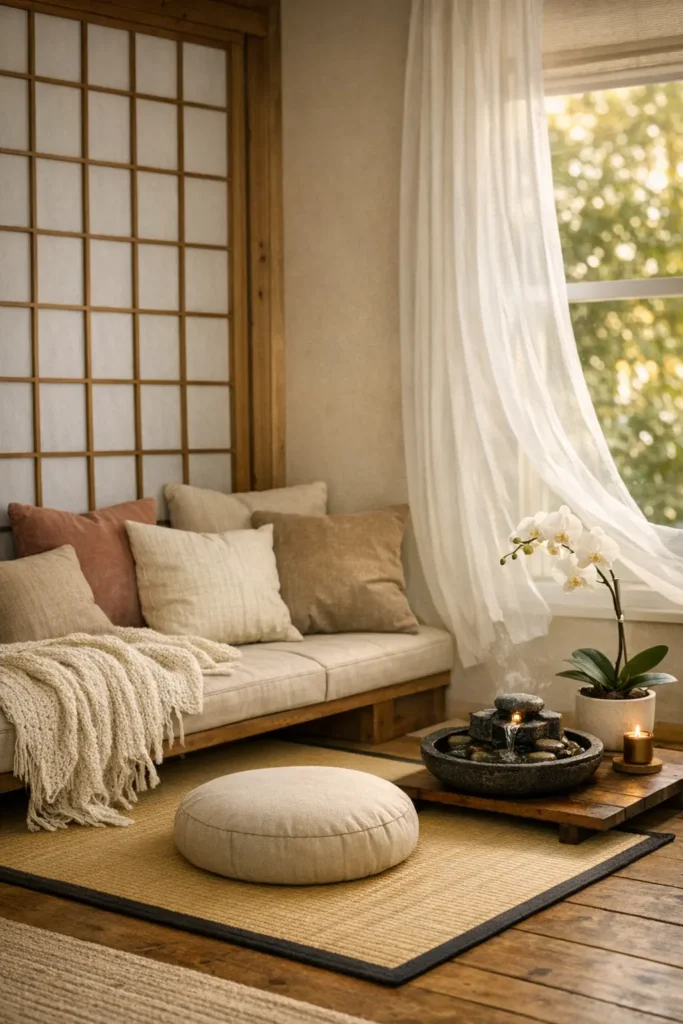
Focus on sensory elements here. Colors? Neutral earth tones—beige, soft grey, matte white. Materials? Bamboo, wood, cotton, linen. Anything that feels natural.
Also read this: 10 Cheap Bedroom Decor Ideas
Put in blackout curtains if you do morning meditation and find bright sunlight distracting. And think carefully about window placement—if it faces the garden, even better, so you get a view of nature.
Designer’s Note: If space allows, create a small altar or focal point. A candle, a crystal, or any meaningful object. This helps set your intention, and this can be a dream She Shed Ideas.
3. The Nap-Worthy Daybed Studio
Do you also get the urge to “just lie down for a bit” at any time of day? This She Shed Idea is built exactly for that.
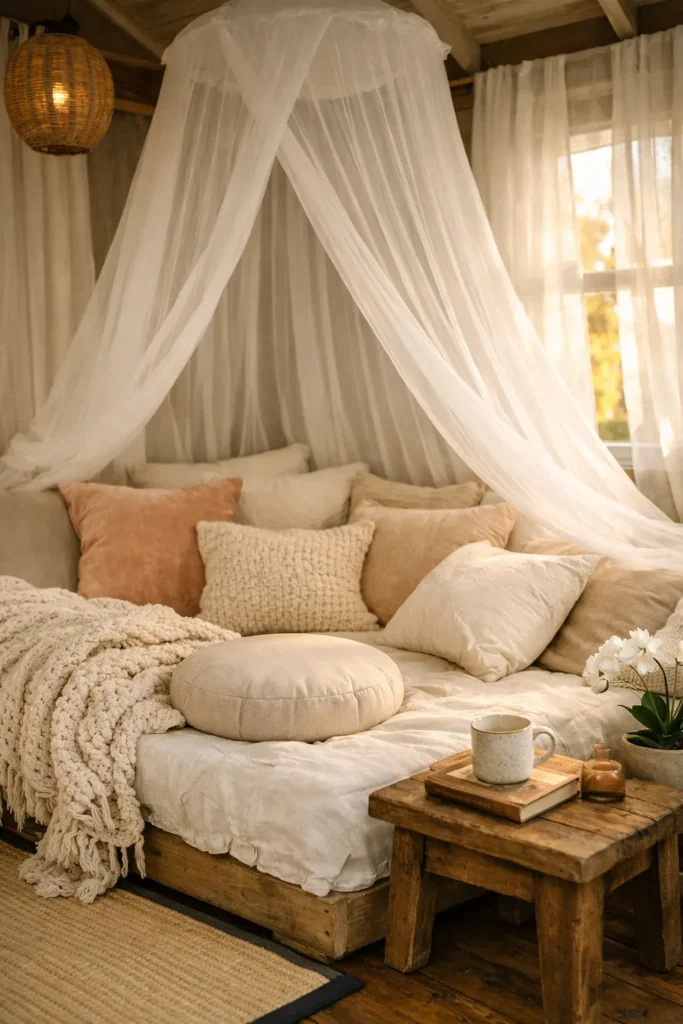
Why a daybed? Because it’s both a bed and a sofa. Sit during the day, sleep at night. Versatility is the key.
Spend more of your budget on textiles. Layered linens—the slightly crinkly kind, made of natural fabric. Heavy drapes that give the room a cave-like feel. And climate control matters: keep a quiet fan and a space heater so it’s nap-friendly in every season.
Pro-Tip: A mosquito net isn’t just for looks—if you’re building your shed in the garden, it’s practical too. Plus, it adds instant romance.
4. The Yoga & Pilates Studio
A yoga shed means you need space to move. So keep furniture minimal, but make functionality maximal.
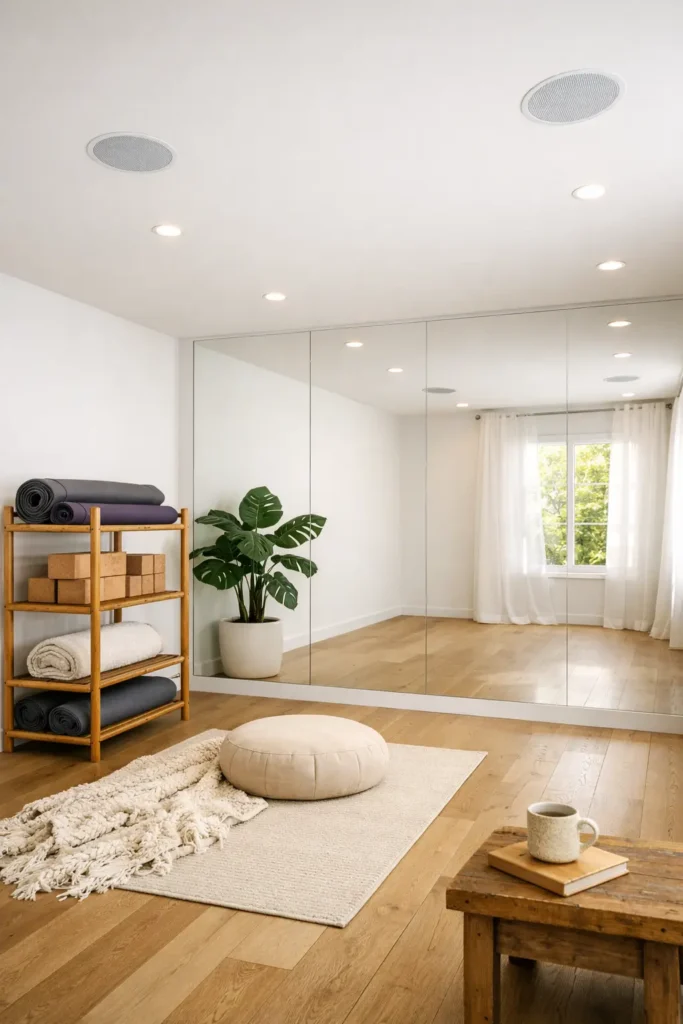
Pay special attention to flooring. Rubber or cork flooring is best—it provides cushion, is non-slip, and if you do hot yoga, it absorbs sweat too.
And mirrors? Not just for checking alignment, but also to visually double the space. If your shed is small, a mirror wall is a game-changer.
Make sure your Wi-Fi and sound system are reliable. You don’t want a morning when you’re about to join an online class and the connection drops.
5. The Tea House Escape
This isn’t just a place to drink tea—it’s a place for ritual. Inspired by Japanese aesthetics, this She Shed Idea is the perfect example of slow living.
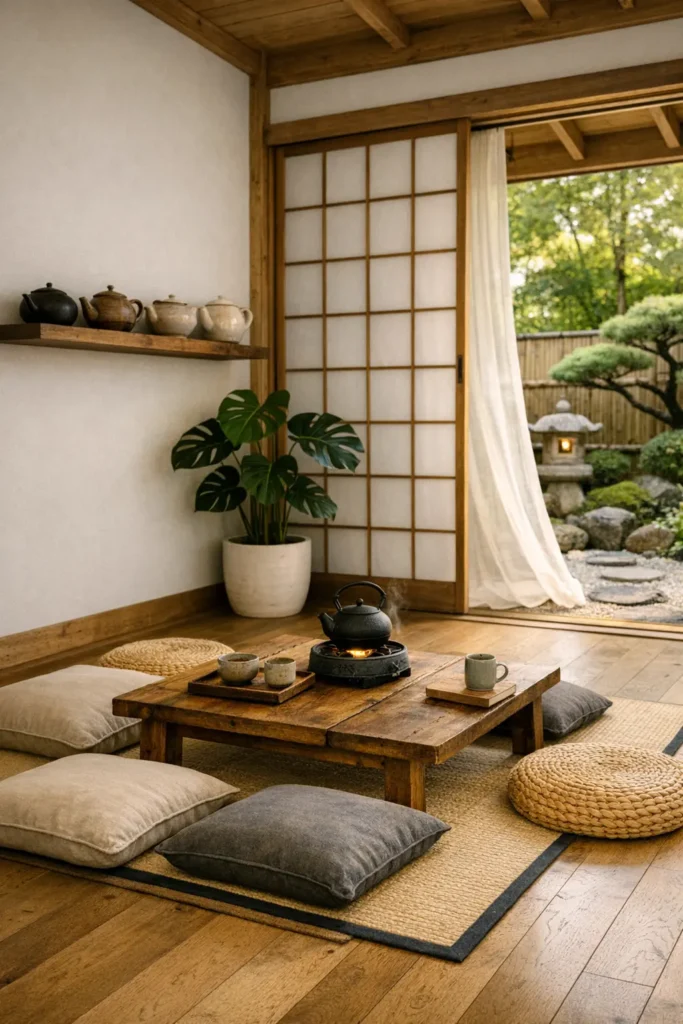
Put in a small countertop where you can keep an electric kettle. Or if you want an authentic feel, a portable gas stove works too.
Use warm wood tones—walnut or teak furniture. And if you keep your seating at floor level, it automatically creates a mindful moment. You’re not just sitting down; you’re being.
Best colors for this: Olive green, cream, charcoal grey, and natural wood.
6. The Plant-Filled Greenhouse Hybrid
If you’re a plant mom who wants to live among your plants, this shed is a literal paradise.
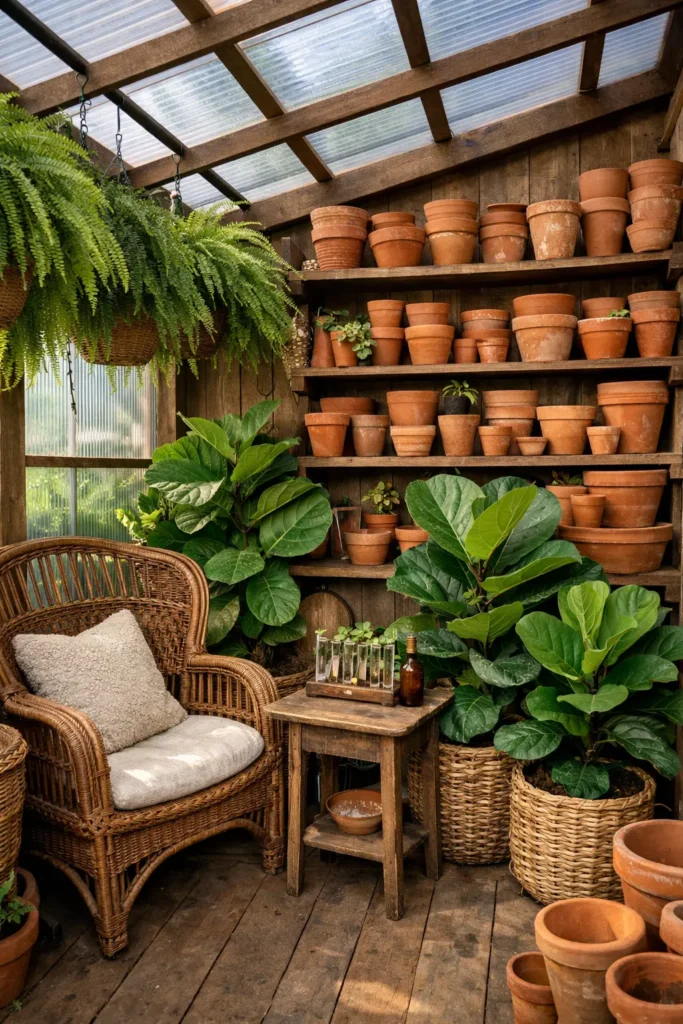
Structural considerations are important here. Use polycarbonate roofing—it gives diffused light that plants love, plus UV protection. Windows and roof vents are essential for ventilation.
Choose water-resistant furniture. Wicker or powder-coated metal works best. Since you’ll be watering your plants, water will get on the floor too.
Designer’s Note: If you’re building a greenhouse-shed hybrid, slope the floor toward a drainage point. It makes managing excess water much easier.
7. The Hot Yoga Studio
A she shed for hot yoga means a serious infrastructure investment. This isn’t just “a room”—it’s an engineered space.
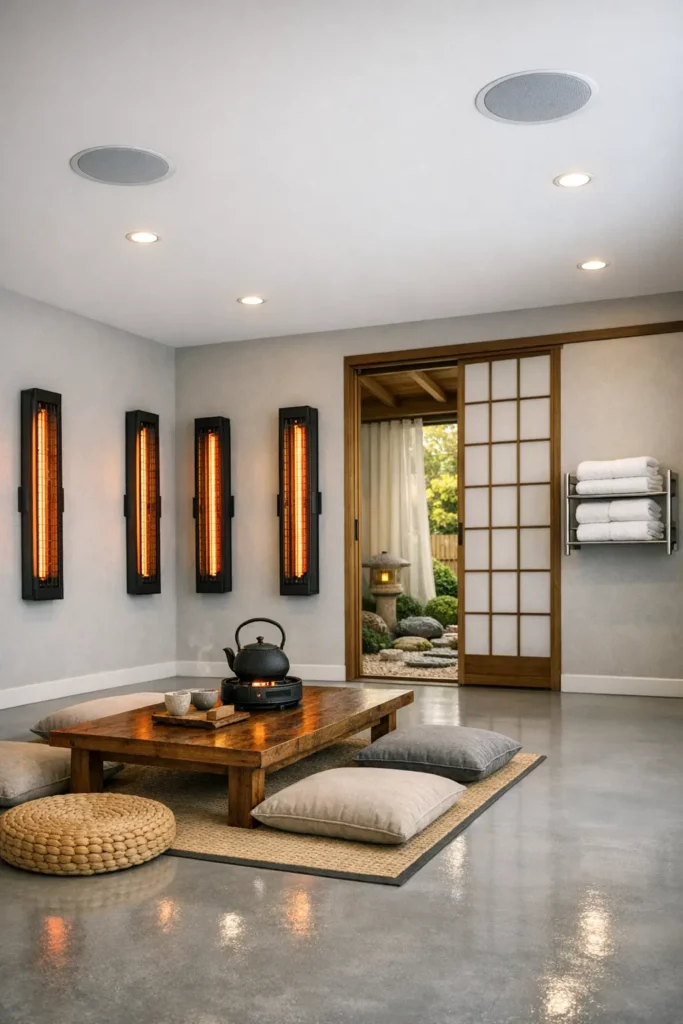
Focus on electrical work. Infrared panels or heaters need dedicated circuits. A regular room heater won’t work because hot yoga temperatures need to reach 40°C.
Install a dehumidifier—an industrial-grade one. Otherwise, moisture buildup can damage your walls and floors. And flooring should be waterproof and non-slip. Rubber or specialized yoga flooring that can handle sweat.
Pro-Tip: An exhaust fan is essential. Heat is important, but fresh air is just as necessary.
8. The Indoor-Outdoor Balcony Shed
This shed blurs the boundary between “inside” and “outside.” The idea is to double up a small space.
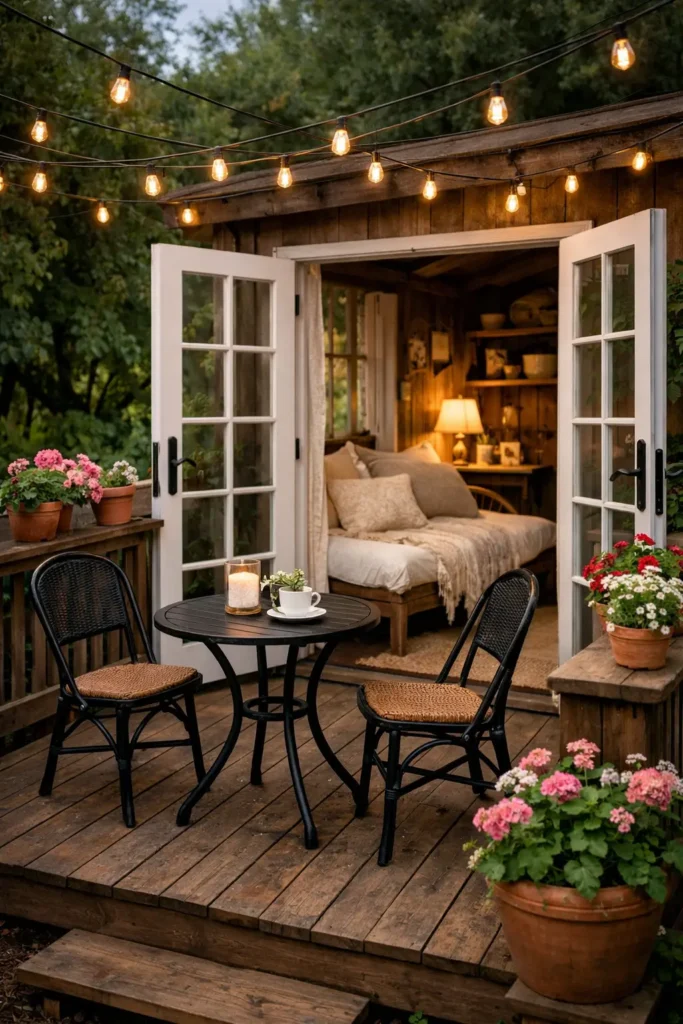
Install French doors or sliding glass doors that can open fully. Add a deck or patio—large enough for a small table and two chairs.
Put in an awning or pergola for shade. And use outdoor-grade textiles—cushions and rugs that can handle both sun and rain.
Best use case: Morning tea on the deck, afternoon nap inside the shed, evening reading with both spaces open.
9. The Spa & Self-Care Suite
A spa at home? Absolutely. If you can afford the plumbing, this is the ultimate luxury she shed.
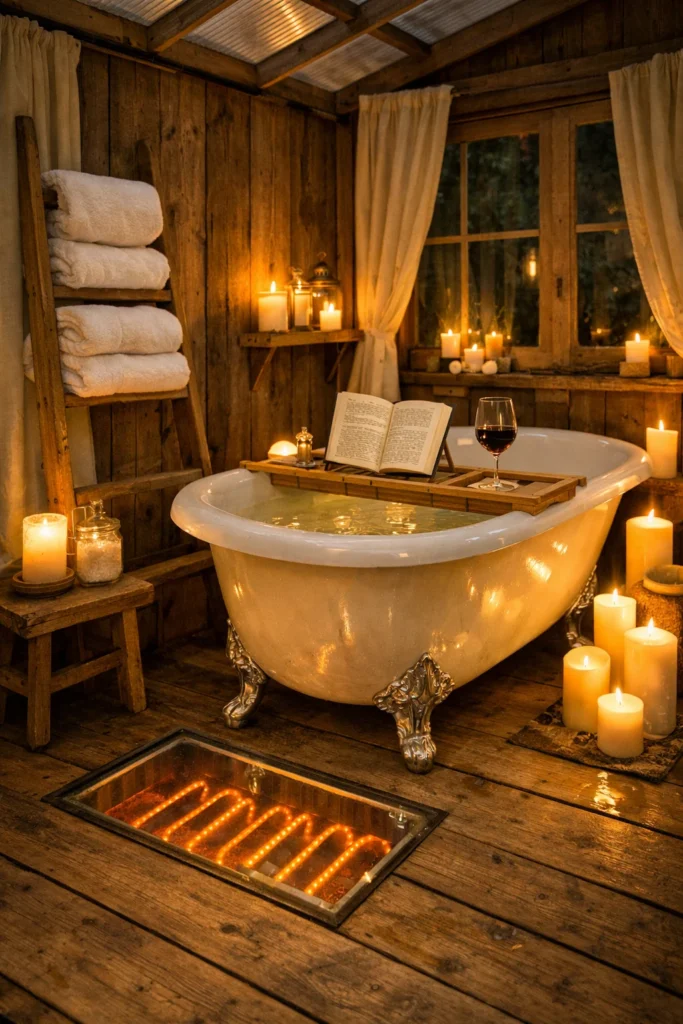
Plumbing is complex—go in knowing that. Insulation needs to be waterproof. A wet-room concept works best: the entire floor slopes toward a drain, walls have waterproof membranes, and drainage is in one spot.
Also read: 20 Living Room Decor Ideas for 2026
Install a tankless water heater so you get endless hot water. And heated floors? Not a luxury—almost a necessity when you step out of the bath in winter and don’t want to say “brrr” when your feet hit the floor.
Zoning Check: Permits for this can be sensitive. Definitely check with your municipality about plumbing and drainage requirements.
10. The Adult “Fort.”
Remember when we used to make forts out of sheets and pillows as kids? This is that same vibe, but now you’re all grown up, and you have a budget.
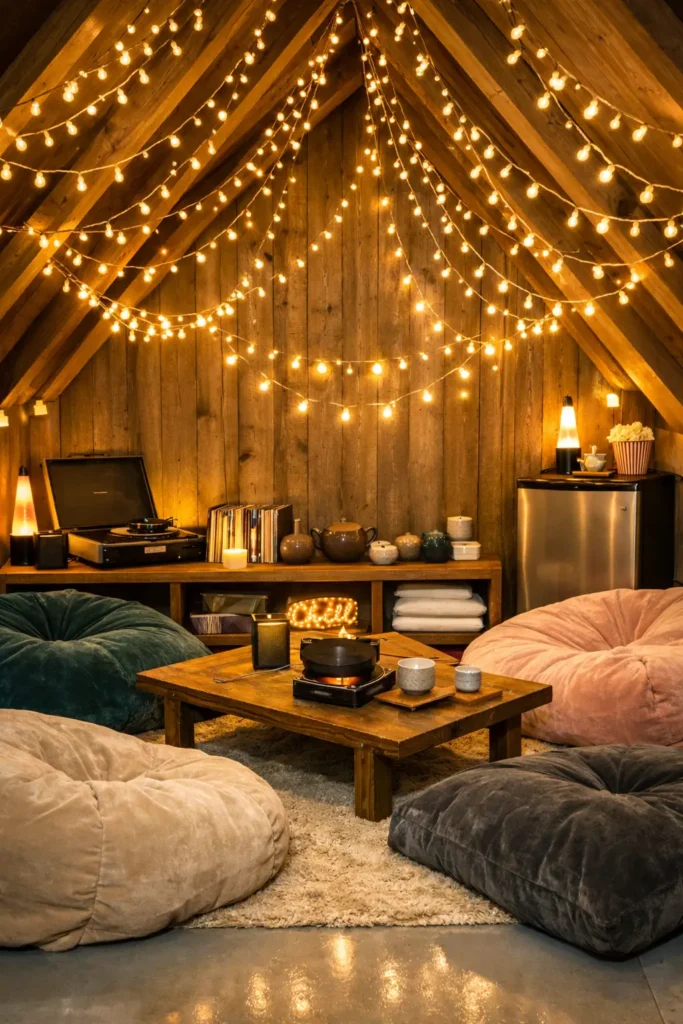
Lighting is king here. String lights, LED strips, and even a lava lamp all work. Keep seating informal—bean bags, floor cushions, a low sofa. Anywhere you can just flop down.
Make sure you have a mini-fridge and a snack station. And entertainment—a record player, a small TV, or a game console. This is the place where you binge-watch guilt-free or listen to 90s music.
Designer’s Note: An A-frame exterior looks unique, but learn to work with the sloping walls inside. Low furniture is your friend.
Creative & Hobby Havens: A Safe Space for Passion Projects
Now let’s talk about she sheds that are function-first. Aesthetics matter here, too, but the biggest question is “is the work getting done?”
11. The Artist’s Loft Studio
A painting space means: light, light, and more light.
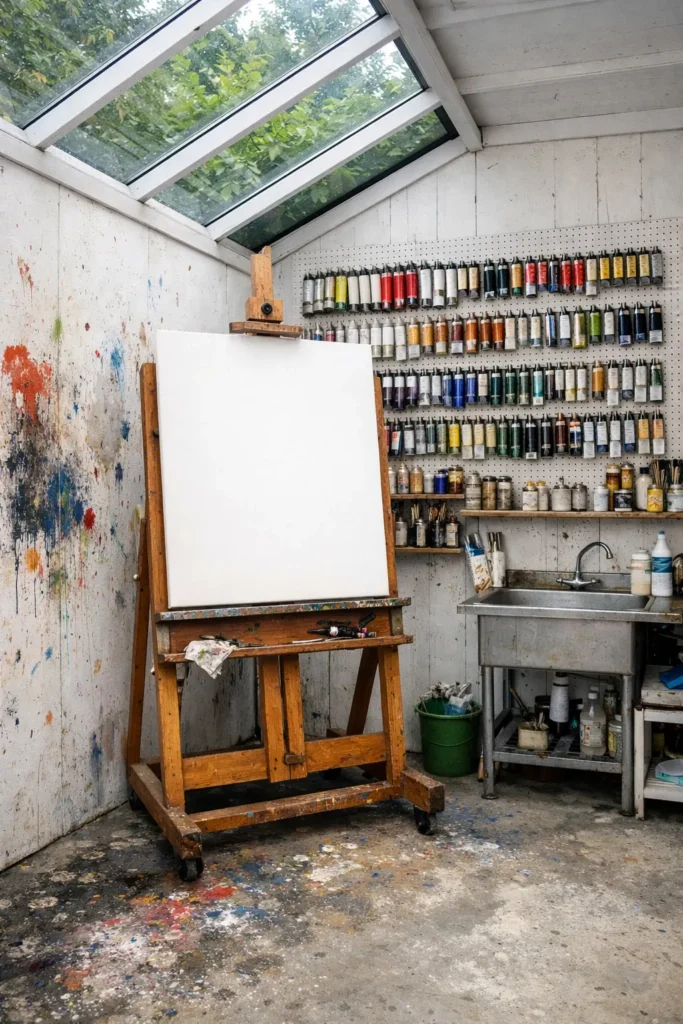
Natural light is an artist’s best friend. Install skylights, and go for north-facing windows—they provide consistent illumination without the harsh shadows of direct sun.
Put in a utility sink. You’ll need it for cleaning brushes. And flooring—sealed concrete works best. Water, paint, turpentine—it all cleans up easily. If you go with wood flooring, get it sealed, or the paint won’t come off.
Pro-Tip: Use a pegboard on your walls. Brushes, tubes, spatulas—everything stays visible and accessible.
12. The Pottery & Ceramics Studio
A pottery shed is heavy-duty. Because you’re dealing with clay, a kiln, and water—all three.
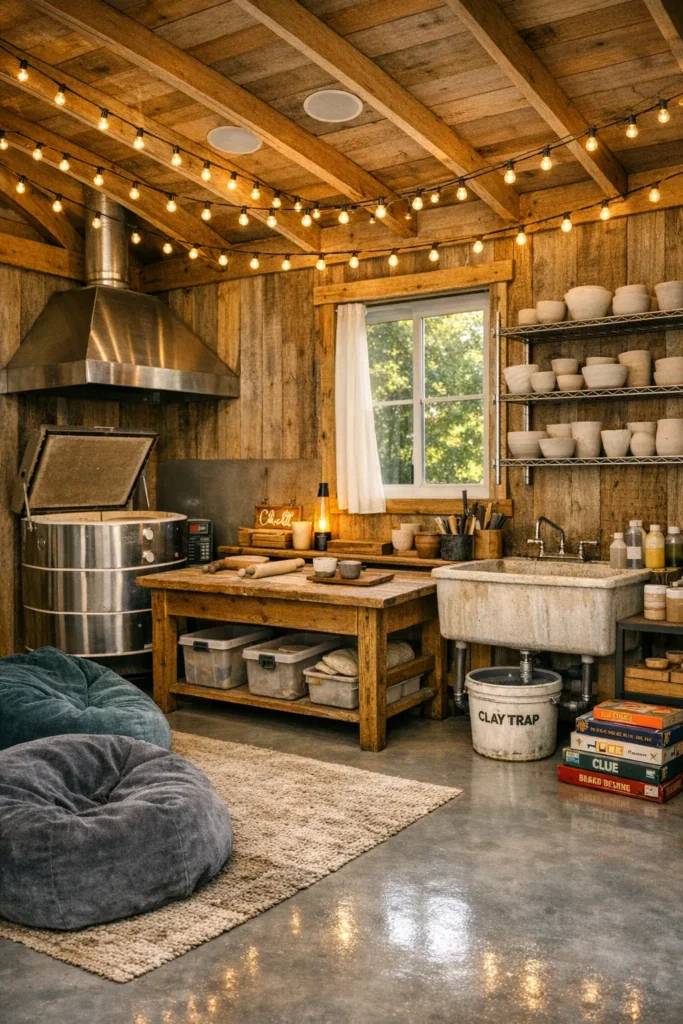
Focus on infrastructure. A kiln needs a 240-volt outlet—that’s not a standard plug. And reinforce the floor under the kiln because the weight is significant.
Ventilation is non-negotiable. Kilns produce fumes, and glazes can be toxic too. Install a powerful exhaust fan or a hood system.
For plumbing, a clay trap is essential. If clay goes into a regular drain, it will block your pipes. Get a professional-grade clay trap installed.
13. The Writer’s Garret
For a writer, a she shed means a distraction-free zone. Here, minimalism is functional.
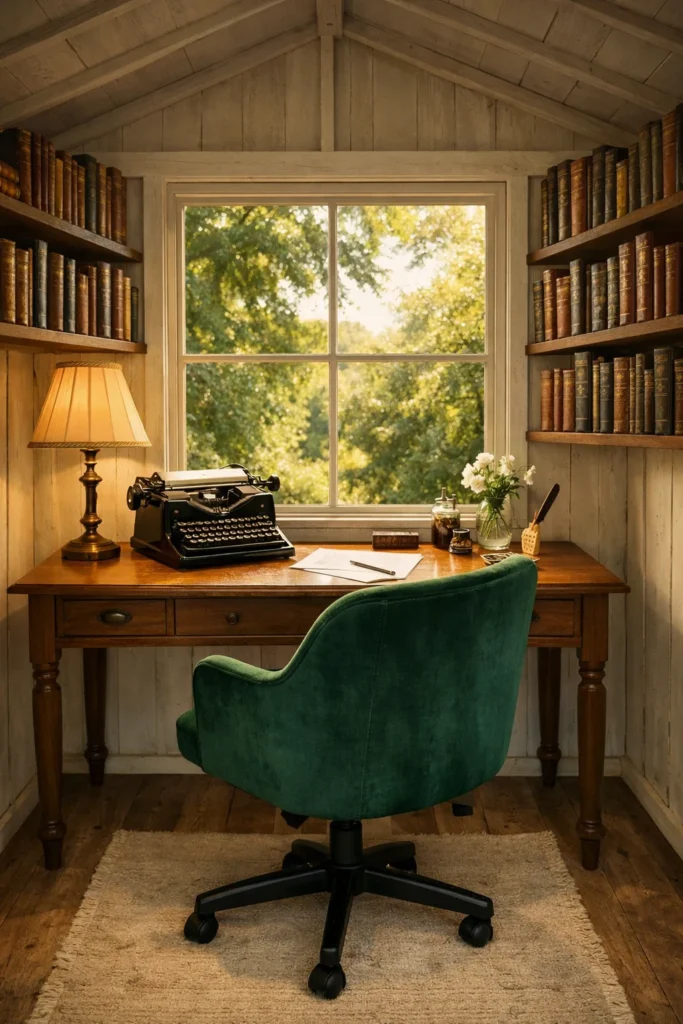
Soundproofing is essential. Add an extra layer to your insulation—double drywall or acoustic foam. You need to hear your characters’ voices, not the sounds from your house.
Position your desk facing the window so that when writer’s block hits, you can look at nature and take a break. For task lighting, use a swing-arm lamp that focuses light where you need it.
Designer’s Note: Get an ergonomic chair, but one that looks vintage. You’ll be sitting for six hours—you don’t want back pain. Stylish and functional can both happen.
14. The Modern Home Office
Since working from home is here to stay, invest in a professional-grade she shed.
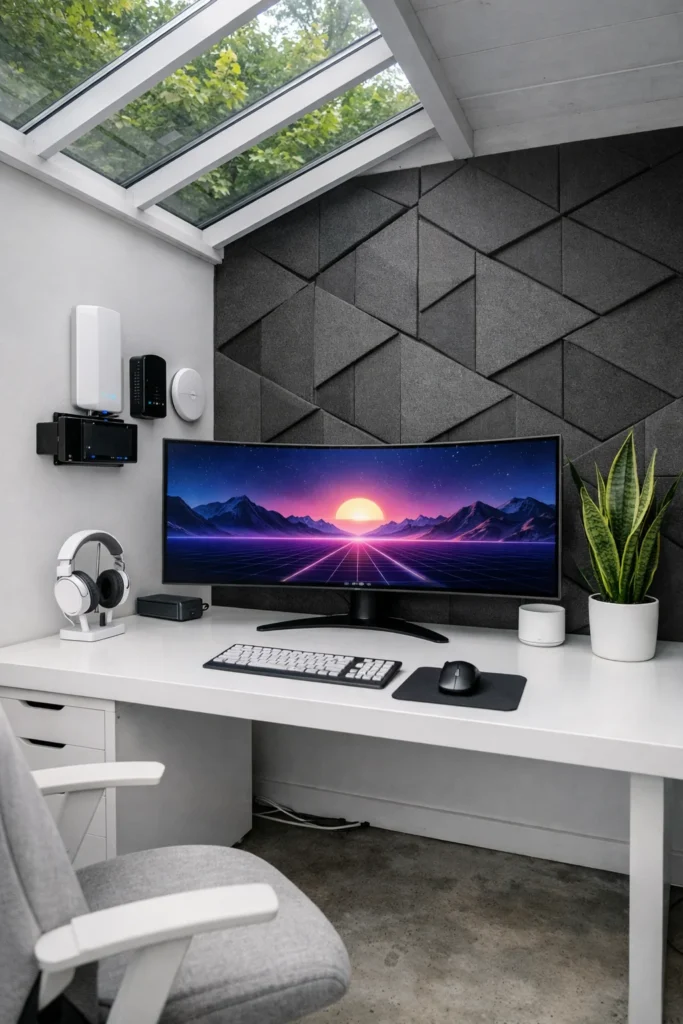
Everything depends on connectivity. Trench an Ethernet cable or run it through conduit. A Wi-Fi extender works, but if you’re on video calls, a wired connection is best.
Install proper insulation—heating for winter, cooling for summer. A mini-split AC unit is efficient and quiet. And acoustic panels? If you’re on calls, they cut down the echo.
Pro-Tip: Set up two monitors if you multitask. It doubles your productivity.
15. The Florist’s Workshop
Working with flowers means organized chaos. But if your shed is smartly designed, the work becomes much easier.
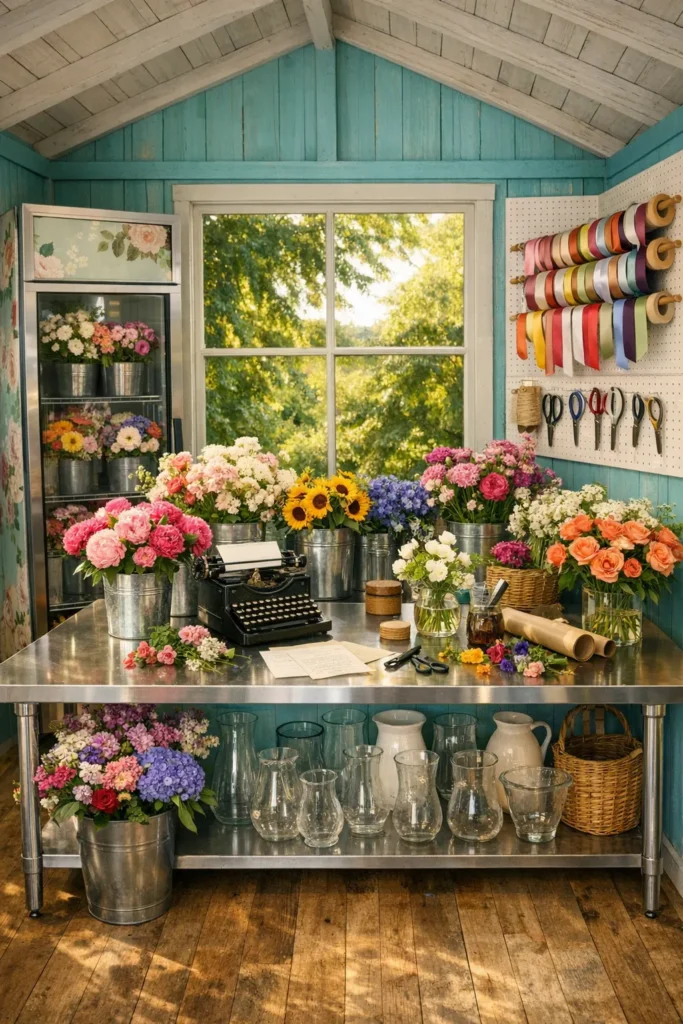
Put in a deep utility sink—trimming flowers, cleaning vases, all of it happens in water. A floral cooler needs a dedicated electrical outlet, and it’s different from a regular refrigerator because it maintains specific temperature and humidity.
Make sure you have ample counter space. Stainless steel is best—easy to clean. And for storage? Use a pegboard for ribbons, scissors, and floral tape—everything stays visible and accessible.
16. The Sewing & Textile Atelier
In a sewing shed, three things matter: power, light, and storage.
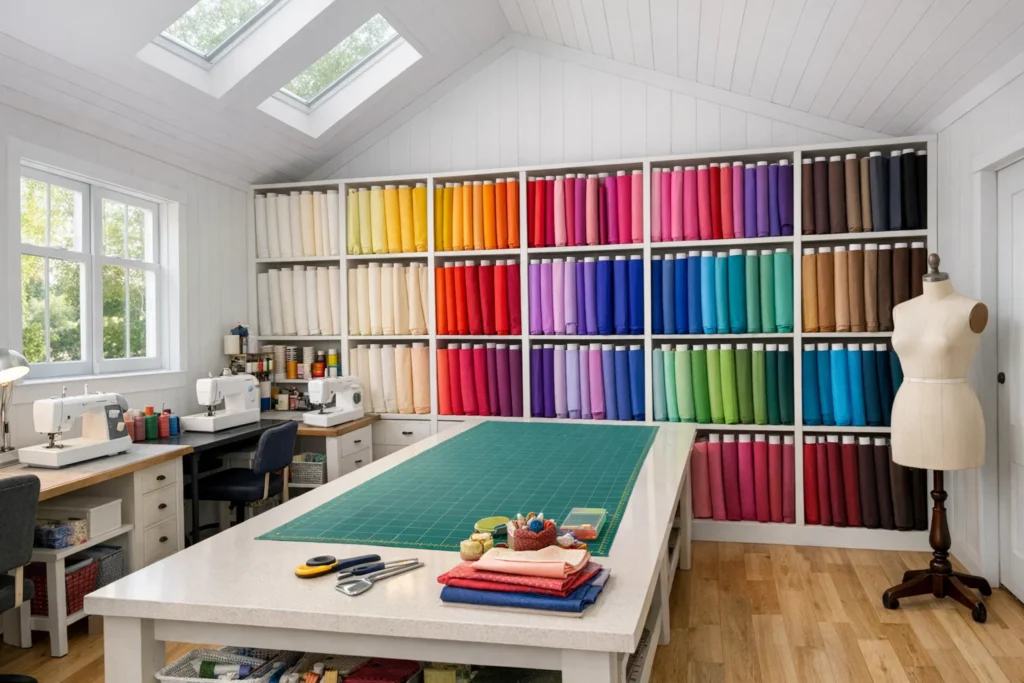
Install multiple dedicated circuits. If you have one machine running, plus an iron, plus a serger—all at the same time—you don’t want a circuit trip.
Natural light is best for cutting, but you also need task lighting—LED strips over each machine. Storage needs to be large-format. Store fabric bolts vertically, and keep pattern files in bins.
Pro-Tip: Install a built-in ironing board that folds into the wall. It saves space, and the iron is always ready.
17. The Music Rehearsal Space
For a music shed, the number one priority is sound mitigation. You want to keep your neighbors happy.
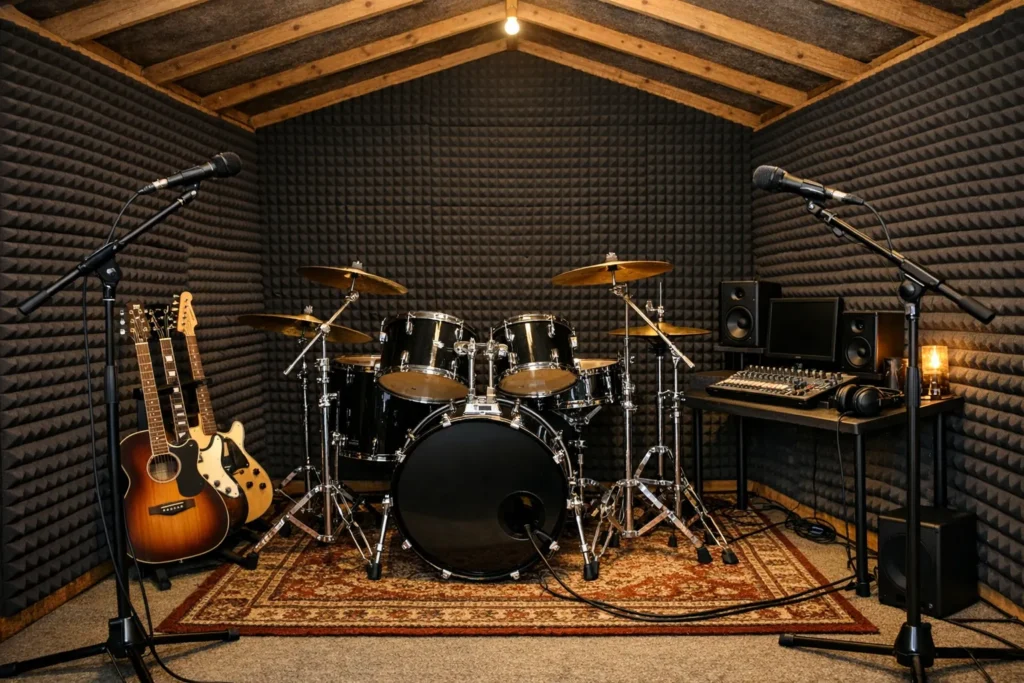
Acoustic treatment is for the interior, but soundproofing is for the exterior too. Use double-layer drywall, acoustic caulk, and a solid-core door—all three. For insulation, use Rockwool, which is specifically designed for sound absorption.
Ventilation is also important—if you’re closed in a shed without windows, overheating will happen. But if you install windows, make them double-pane.
Designer’s Note: If you play drums, build a riser platform on the floor. It helps absorb vibration into the ground.
18. The Photography Studio
A photography shed needs to be flexible. One day it’s a portrait shoot, the next day it’s product photography.
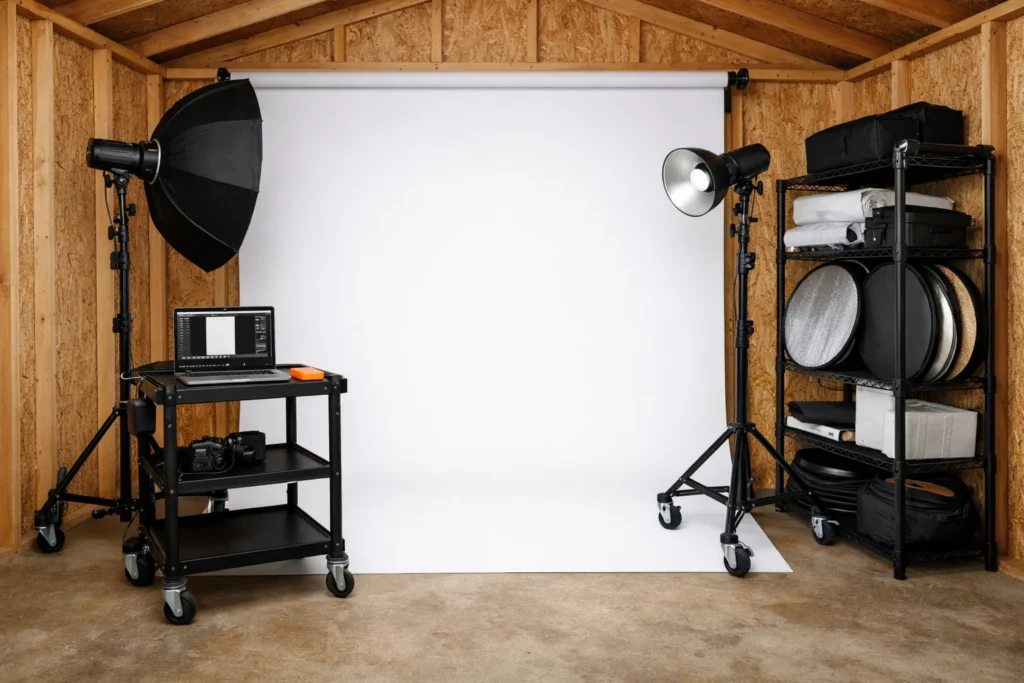
Make sure your electrical capacity is strong. Studio strobes draw a lot of wattage, and you’ll be using multiple lights. Stick to a neutral color palette—white, grey, black—so backgrounds stay flexible.
Ceiling height should be at least 8 feet; 10 feet is better. You need space for boom arms and overhead lights. And have secure storage for expensive gear—a locking cabinet is essential.
19. The Jewelry Making Workshop
Jewelry work is precision work. So focus on the micro-details in your shed.
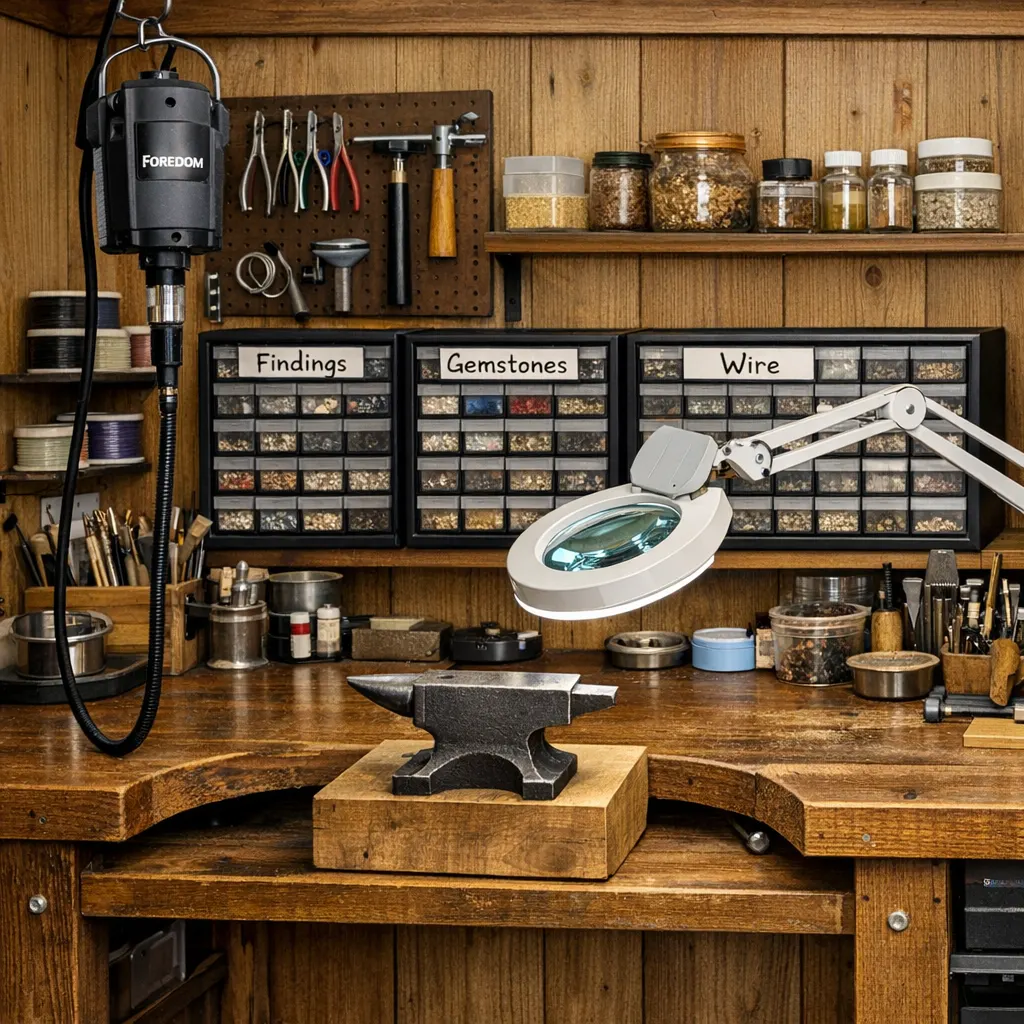
Go all out on task lighting. LED magnifier lamps that show your work at 5x or 10x magnification. Make sure your workbench is at a comfortable height—you’ll be sitting for hours doing jewelry work.
Think about security too. Get a lockbox for gemstones and finished jewelry. And fire safety—if you’re using a torch, keep a fire extinguisher nearby.
Pro-Tip: Use a steel-topped workbench. It’s safe for both hammering and soldering.
20. The Candle & Soap Crafting Lab
Working with fragrance and chemicals means ventilation comes first.
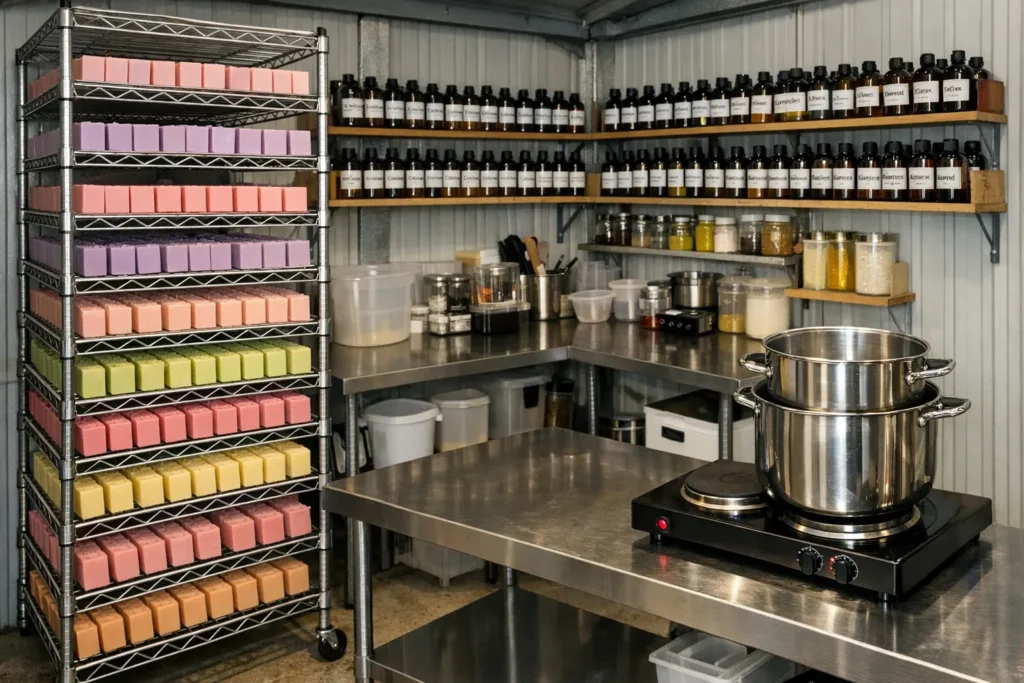
Ventilation is critical. Fragrance oils are strong, and lye fumes can be toxic. Make sure your exhaust fan vents directly outside.
Surfaces should be non-porous—stainless steel or epoxy-coated. Easy to clean and won’t absorb chemicals. Use labeled racks for storage—fragrance oils, base oils, lye—all separate and organized.
Designer’s Note: Keep lye in separate storage and keep safety equipment (goggles, gloves) easily accessible at all times.
Rustic, Farmhouse & Vintage Charm: Aesthetic That Steals Your Heart
This section is for she sheds where look and feel matter most. Function is there too, but the focus is on style.
21. The Farmhouse Potting Shed
In farmhouse style, practicality and charm go hand in hand.
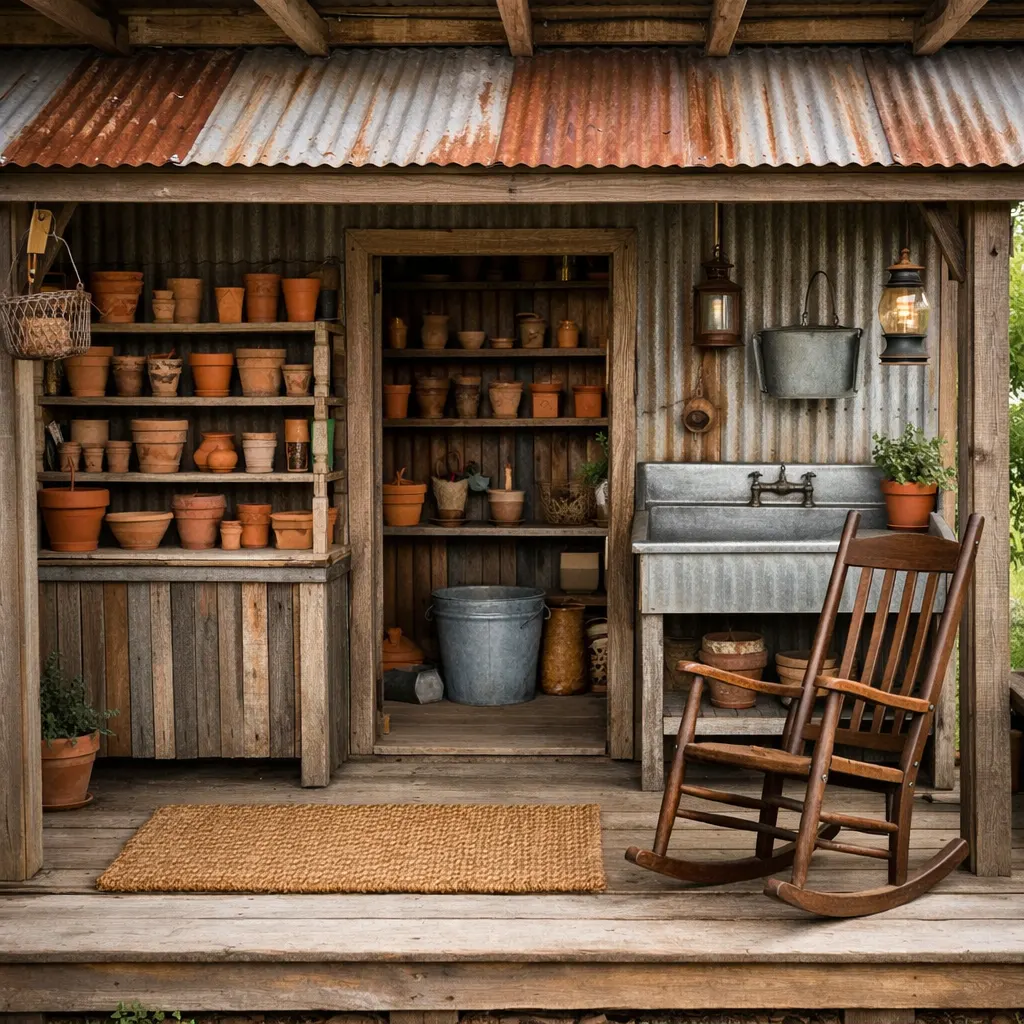
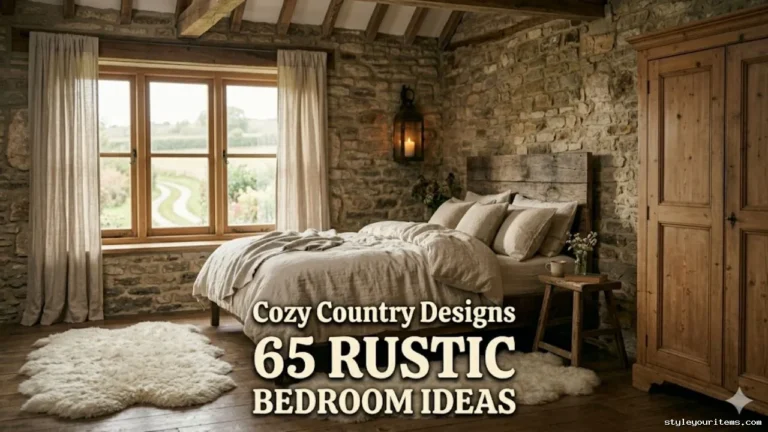
Use reclaimed barn wood on the walls—it gives instant character. Open shelving works best for garden tools. A potting bench with a zinc top is durable and easy to clean.
If you have space, add a porch. A rocking chair and a couple of planters completely change the shed’s vibe.
Best colors for this: White, sage green, matte black accents.
22. The Boho Dreamcatcher Haven
In boho style, texture and pattern are everything. This shed isn’t chaotic—it’s “curated” chaos.
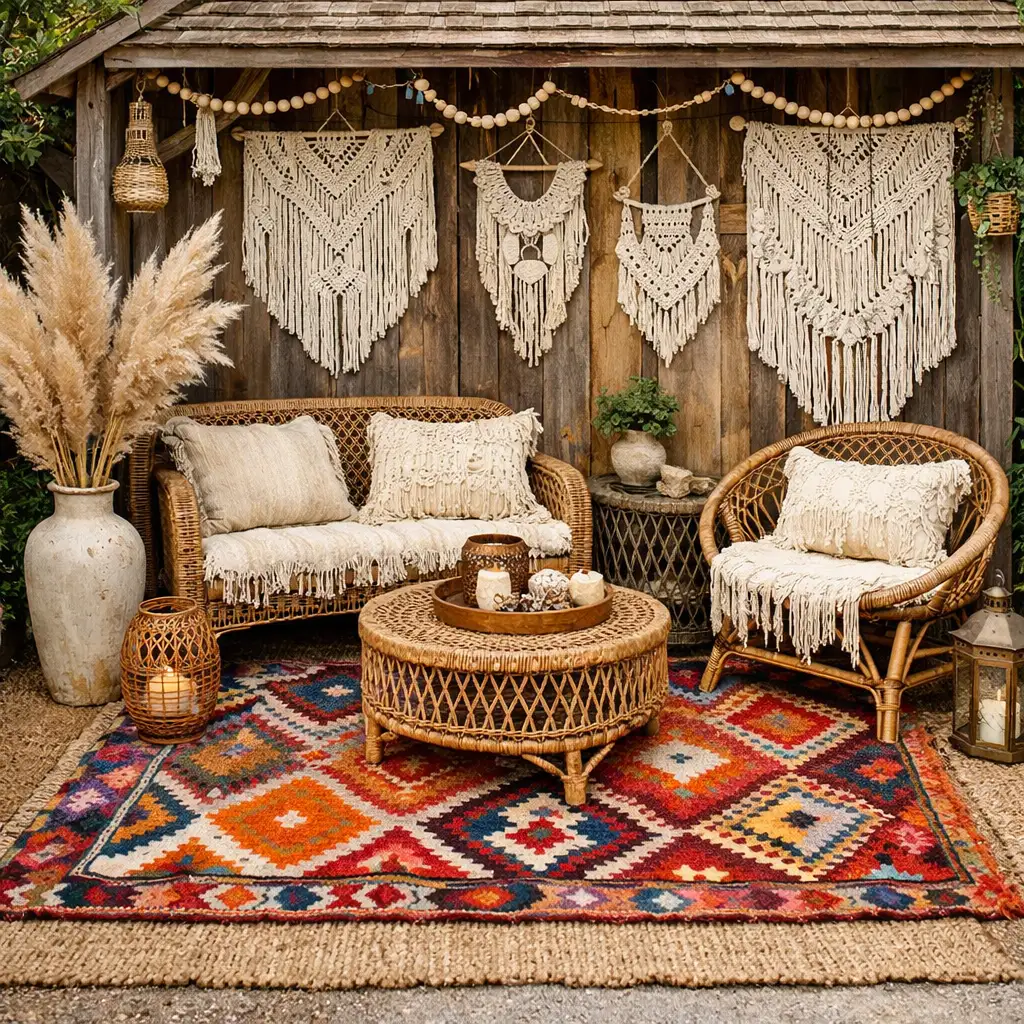
Focus on natural fibers—jute, rattan, cotton, wool. Use a warm, earthy color palette: terracotta, mustard, cream, rust.
Layering is the secret. A rug on top of a rug, a cushion on top of a cushion, a wall hanging next to another wall hanging. Over-accessorize on purpose.
Pro-Tip: Dried flowers and pampas grass are low-maintenance and look incredibly aesthetic. No hassle with fresh flowers.
23. The Vintage Camper Aesthetic
Want a retro camper vibe? This shed will literally look like an Airstream.
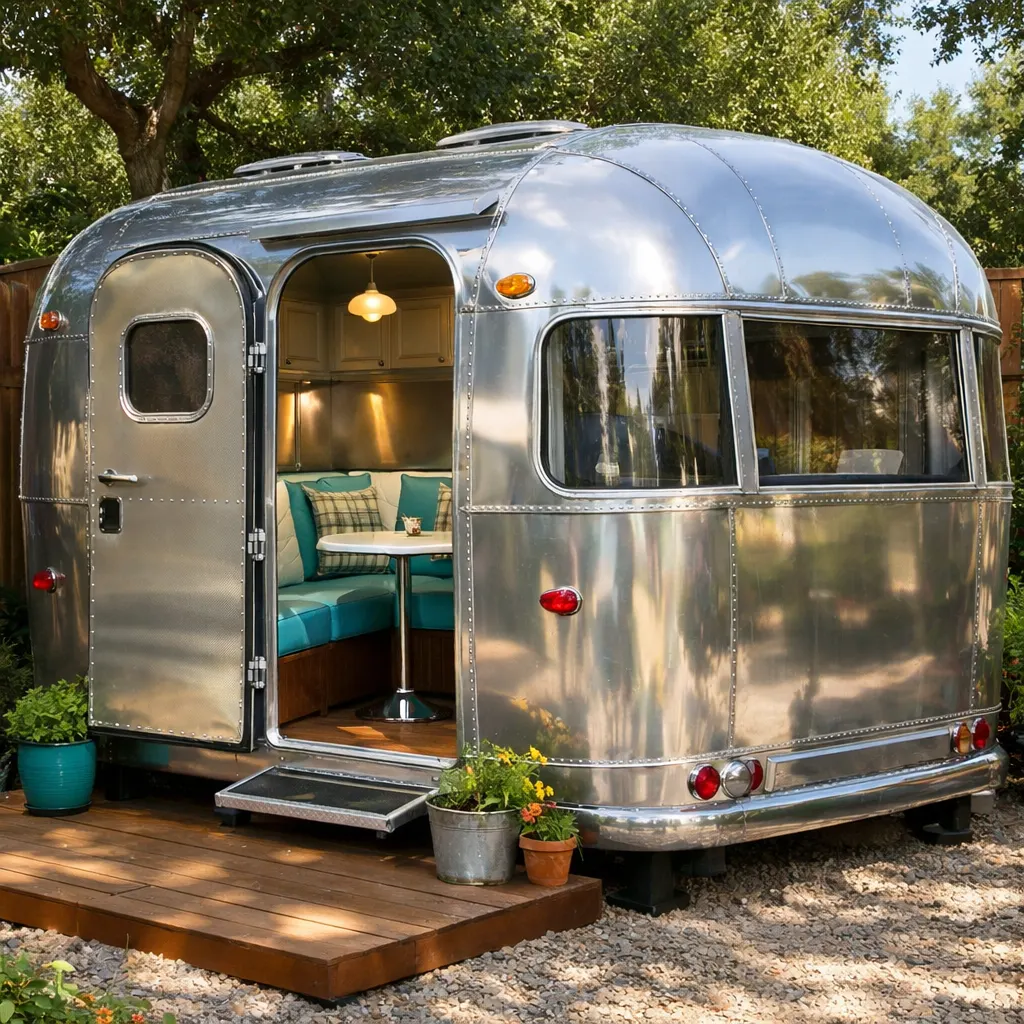
Focus on the exterior—curved roof, aluminum siding makes this possible. You may need to custom-order curved windows.
Inside, use space-saving solutions: fold-down tables, banquette seating with hidden storage underneath. Chrome fixtures and retro appliances (a fridge, sconces) complete the vibe.
Designer’s Note: This aesthetic makes a big visual impact, but the interior space is somewhat limited. Perfect for a reading nook, but might feel cramped as a home office.
24. The French Country Retreat
French country style means effortless elegance. A little rustic, a little refined.
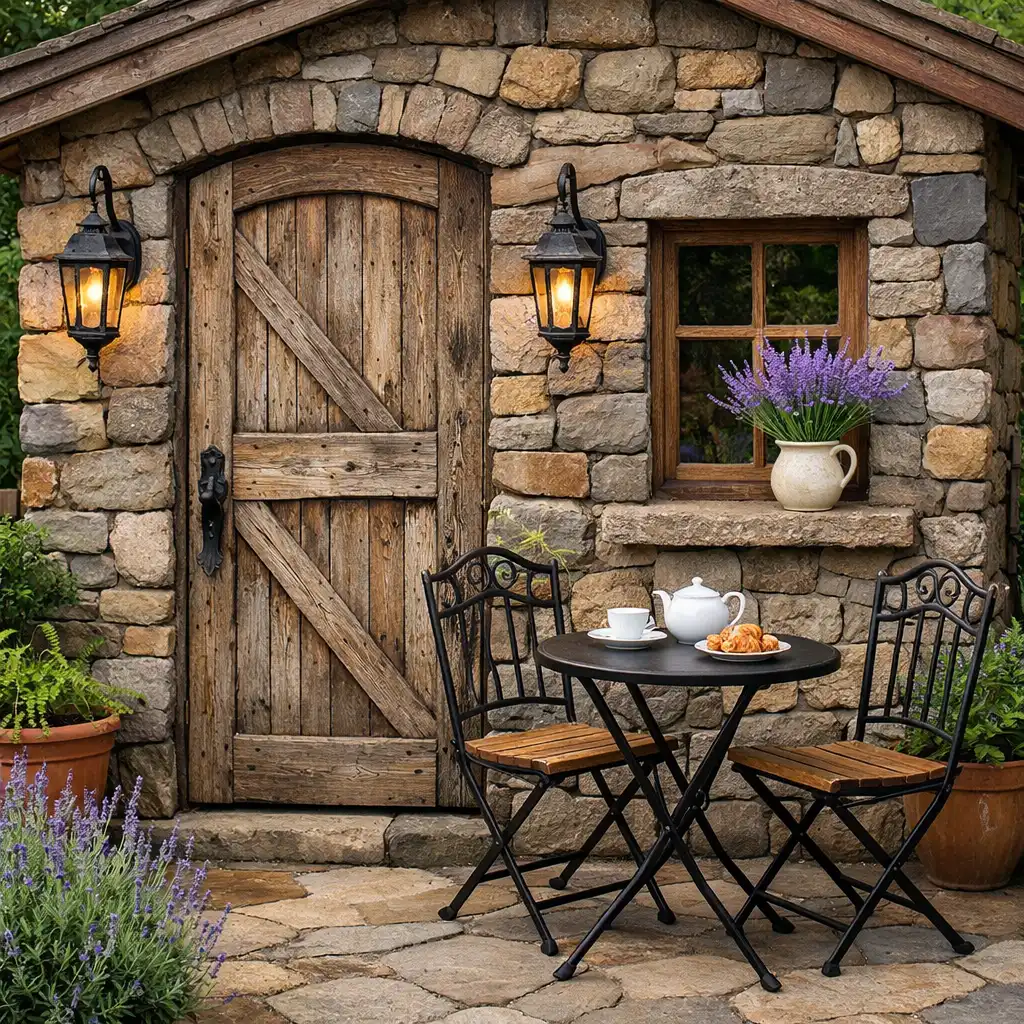
Stone veneer on the exterior is affordable and gives an authentic look. For the door, use distressed wood—intentionally sand down the paint.
Inside, stick to muted pastels: lavender, cream, soft grey. Add an ornate mirror and natural stone or wood floors. Always keep fresh flowers—lavender, peonies, or hydrangeas.
25. The Rustic Log Cabin Style
In log cabin style, “cozy” means: wood, stone, and plaid.
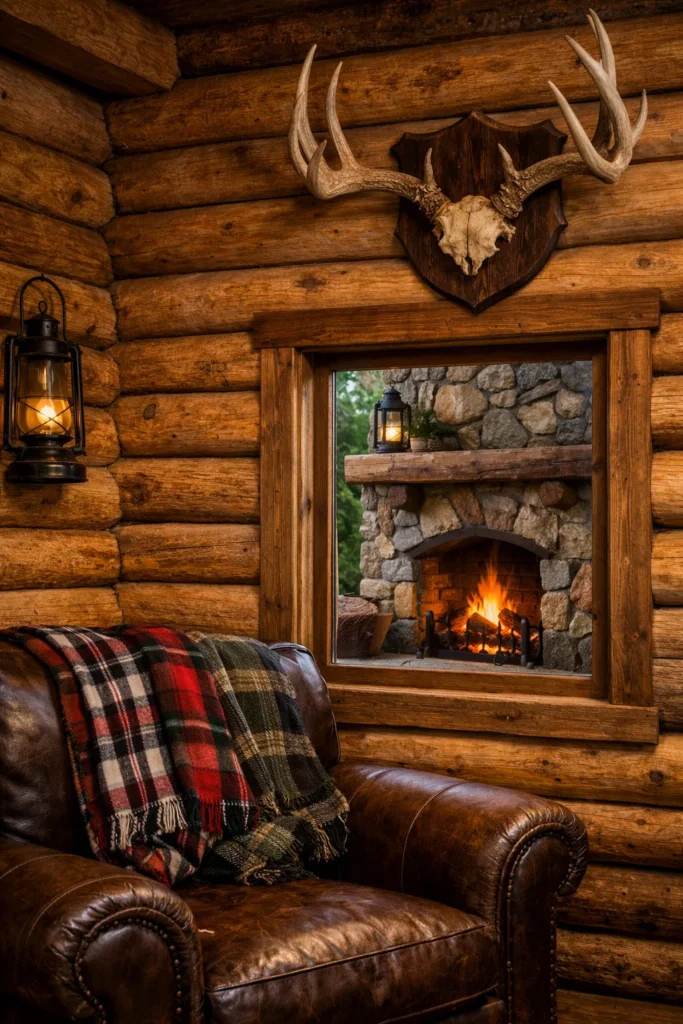
Log siding is cost-effective compared to actual logs. Adding stone veneer around a fireplace exterior adds drama.
Inside, go with a rugged color scheme: forest green, burgundy, and brown. Install a faux or electric fireplace—it instantly raises the cozy factor. Plaid blankets and wool throws are essential.
26. The Shabby Chic Cottage
Shabby chic means “beautifully worn.” It looks new and old at the same time.
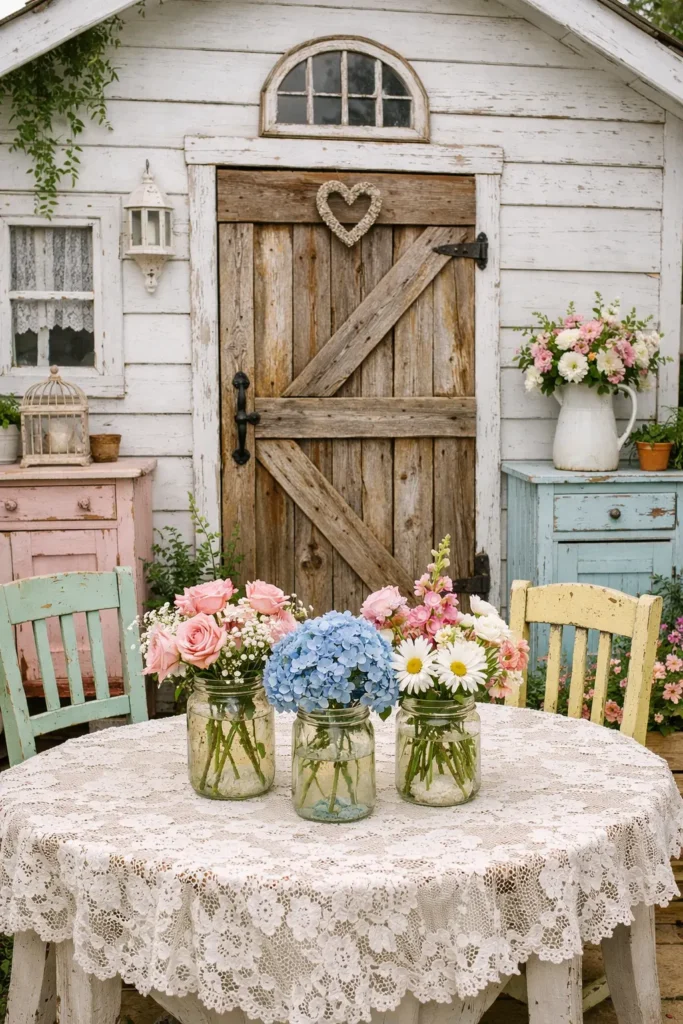
Use salvaged and repurposed items. Turn old windows into wall art. Learn distressing techniques—sand the paint, apply wax, then sand again.
Keep lace, soft florals, and pastel colors—these three elements together create shabby chic.
Pro-Tip: Pick up furniture from flea markets. Take an old dresser, sand it, paint it in a pastel color, add new knobs—instant masterpiece.
27. The Coastal Beach Shack
Even if you don’t live at the beach, you can bring coastal vibes home.
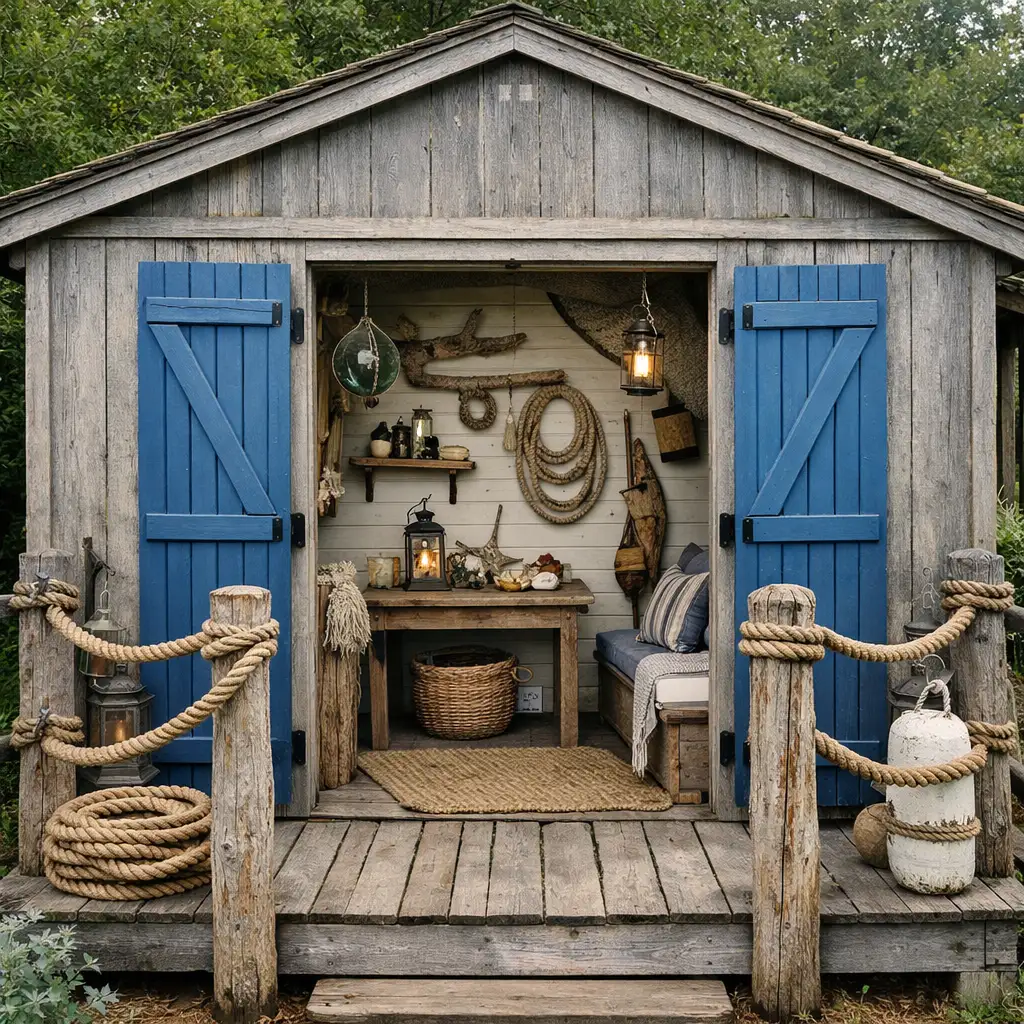
Use weather-resistant materials outside—grey stained wood, blue accents. Shiplap interior walls create a coastal feel.
Color palette: whites, blues, sandy beiges. Natural textures: a jute rug, linen curtains, a driftwood mirror. Use nautical elements sparingly—an anchor or a ship’s wheel, not too many, or it starts to look like a theme park.
Unique Structures & Architectural Styles: When You Stand Out
These she sheds aren’t just spaces—they’re statements. Architecture is the focus, with form balanced by function.
28. The Modern A-Frame Cabin
An A-frame is dramatic, iconic, and very Instagram-worthy.
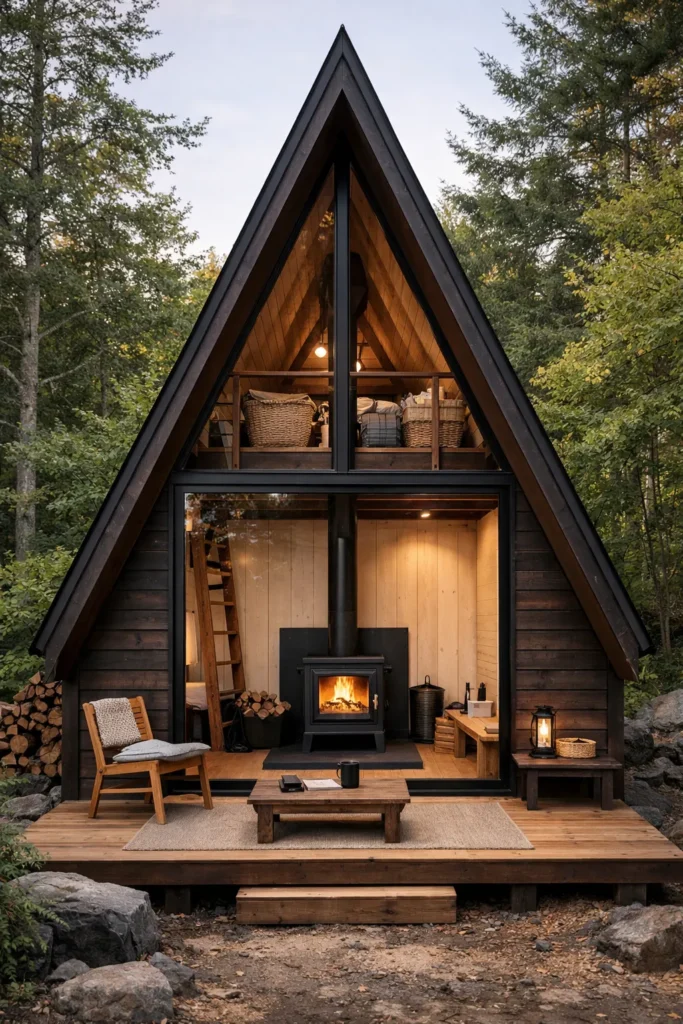
Structural considerations: the sloping walls of an A-frame make interior space a bit tricky. But use the vertical space—loft storage is perfect.
Floor-to-ceiling windows add drama. A wood-burning stove (or an electric faux version) adds cozy warmth.
Best colors for this: Dark exterior (charcoal, black) with natural wood interior.
29. The Geodesic Dome Pod
A dome structure is energy-efficient and looks futuristic.
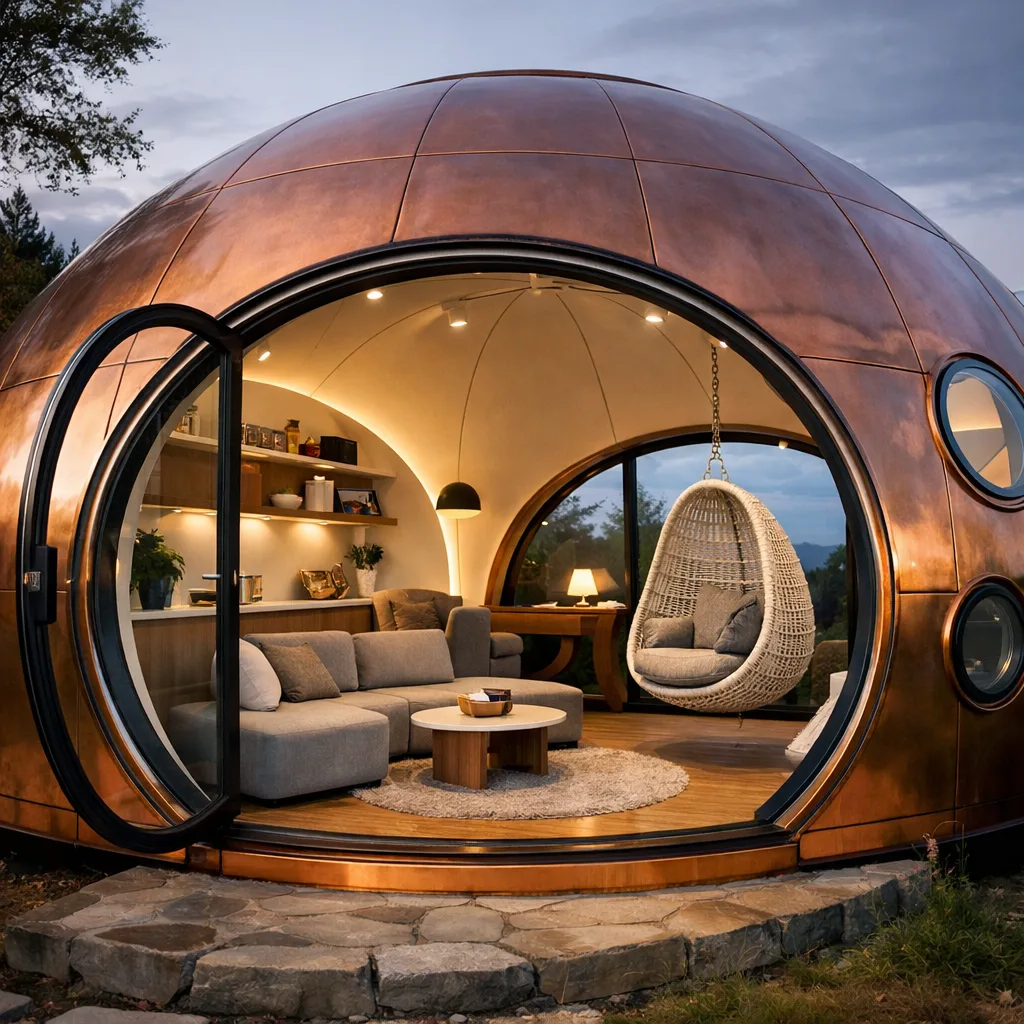
Benefits: high wind resistance, excellent energy efficiency. But furnishing is tricky—straight furniture doesn’t fit against curved walls.
You’ll need custom window solutions—circular windows are available ready-made, but in limited sizes. Modular furniture works best because it can adjust to curved spaces.
Designer’s Note: Professional installation is essential for a dome. DIY is difficult.
30. The Glass House
In a glasshouse shed, you live in nature while being protected from the elements.
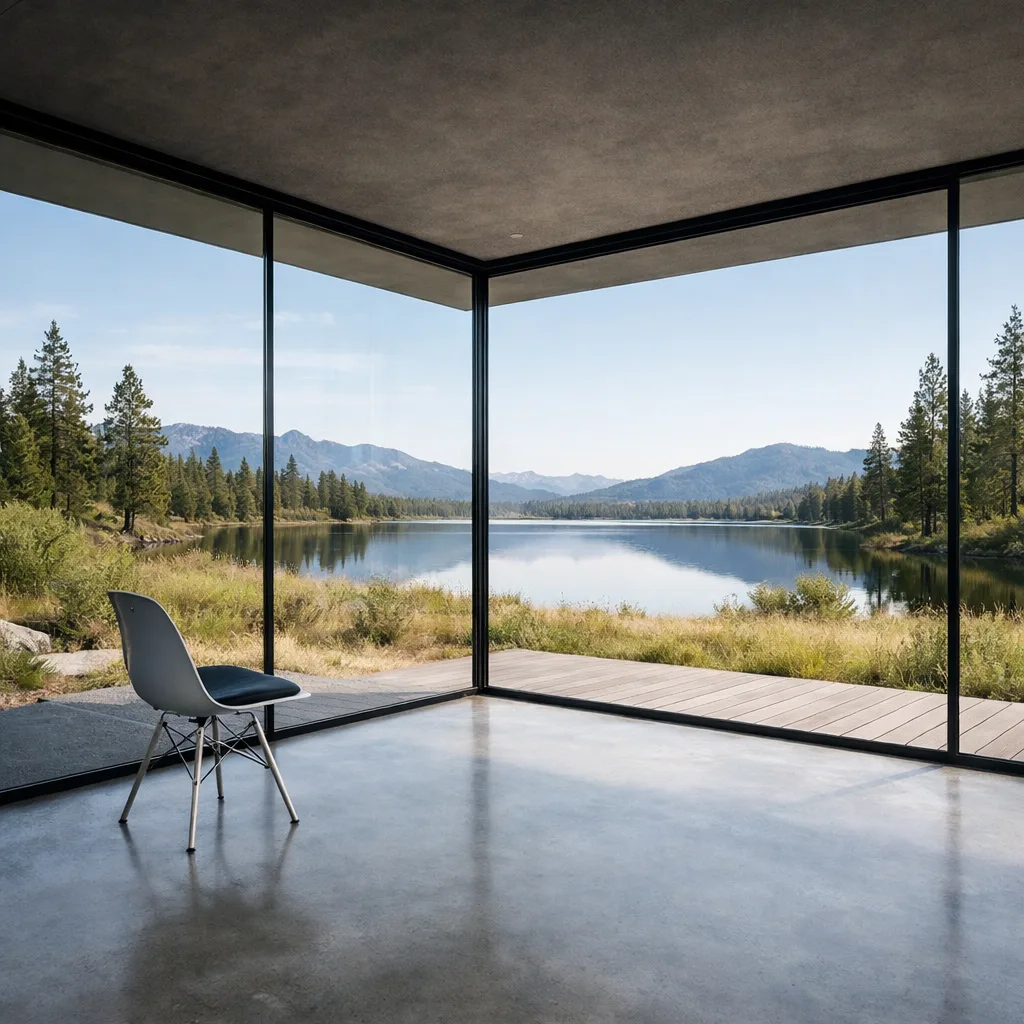
Structural engineering is required—glass walls aren’t load-bearing, so you need a steel frame. Use UV-protective glass, or both your furniture and you will fade.
Heating and cooling loads will be higher—size your HVAC accordingly. Privacy film or strategic landscaping (bamboo, tall grasses) is necessary.
Pro-Tip: Only build a glass house where you don’t have close neighbors. Otherwise, you’ll feel like you’re living in an exhibit.
31. The Two-Story Tiny Barn
A barn-style shed with a gambrel roof gives you a second-story loft—small footprint, double the space.
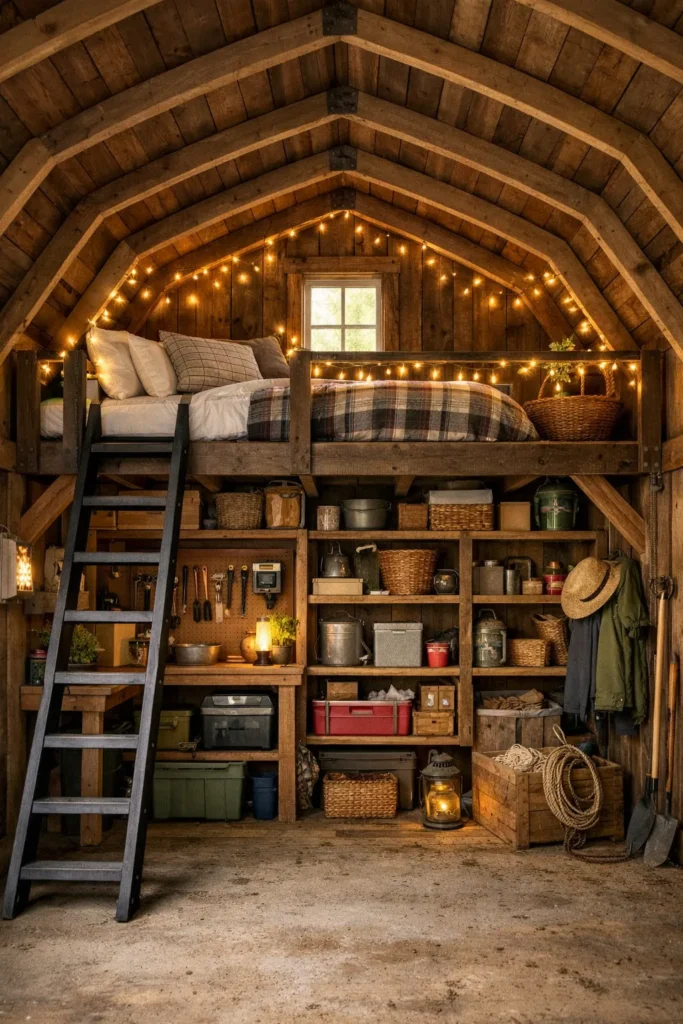
Structural requirements: Reinforce the joists for the loft floor. Make sure the ladder is safe—wide steps, optional handrail.
Zoning implications: some municipalities consider a second story “habitable space,” so permits may be stricter. Check first.
Best use case: Loft for storage or an occasional sleeping nook. For daily use, you’ll want stairs—a ladder gets cumbersome over time.
32. The Shipping Container Conversion
A shipping container is sustainable, industrial, and very trendy.
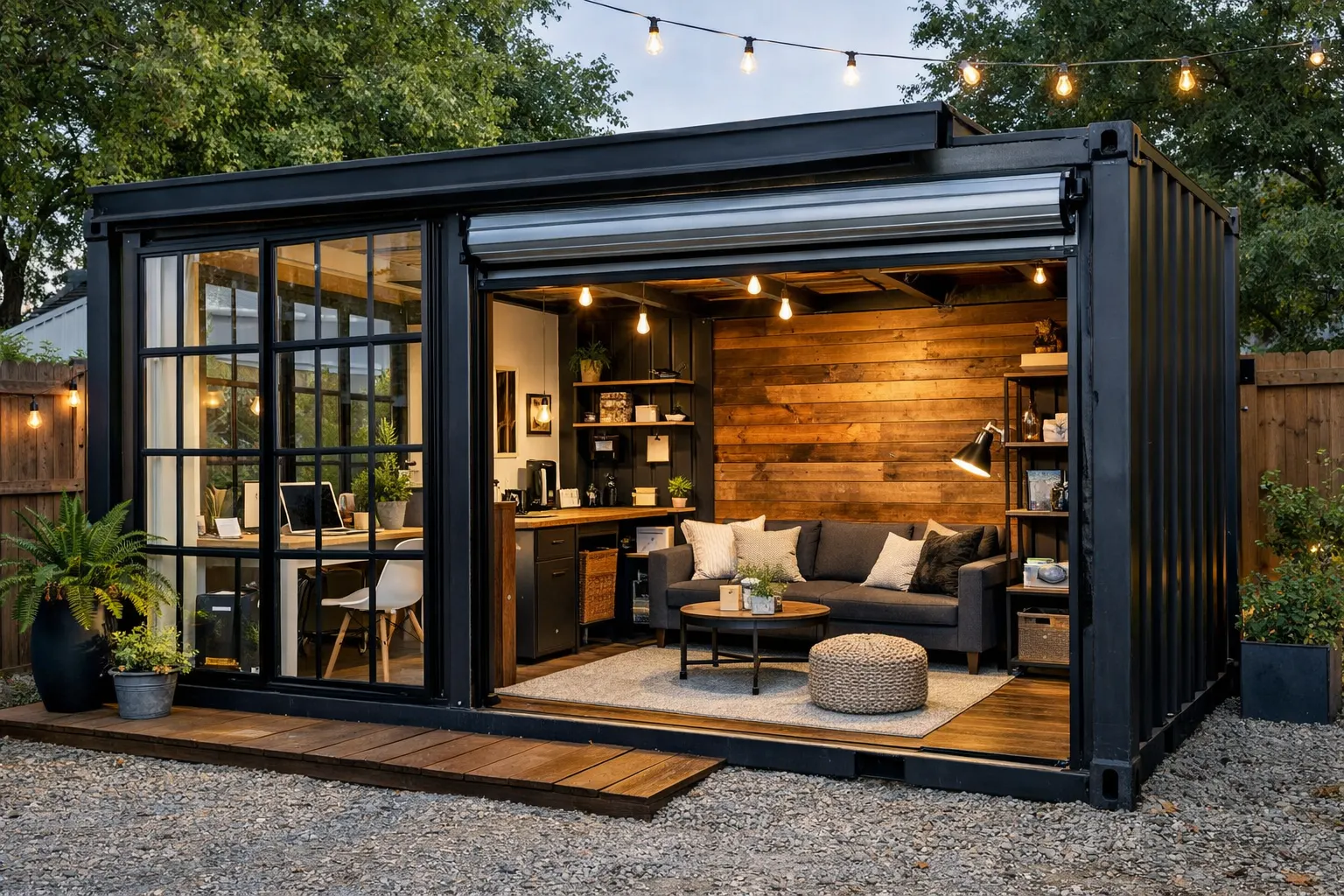
Conversion process: spray foam insulation works best—space is tight, and regular insulation takes up too much room. Cutting for windows and doors requires a steel framework—get professional help.
Warm up the industrial aesthetic with wood, plants, and soft textiles. In summer, open the roll-up door—the indoor-outdoor flow is amazing.
Pro-Tip: Inspect the container for rust. “One-trip” containers are more expensive but in better condition.
33. The Greenhouse with a Sitting Area
For plant lovers, this is the best of both worlds: plants and seating.
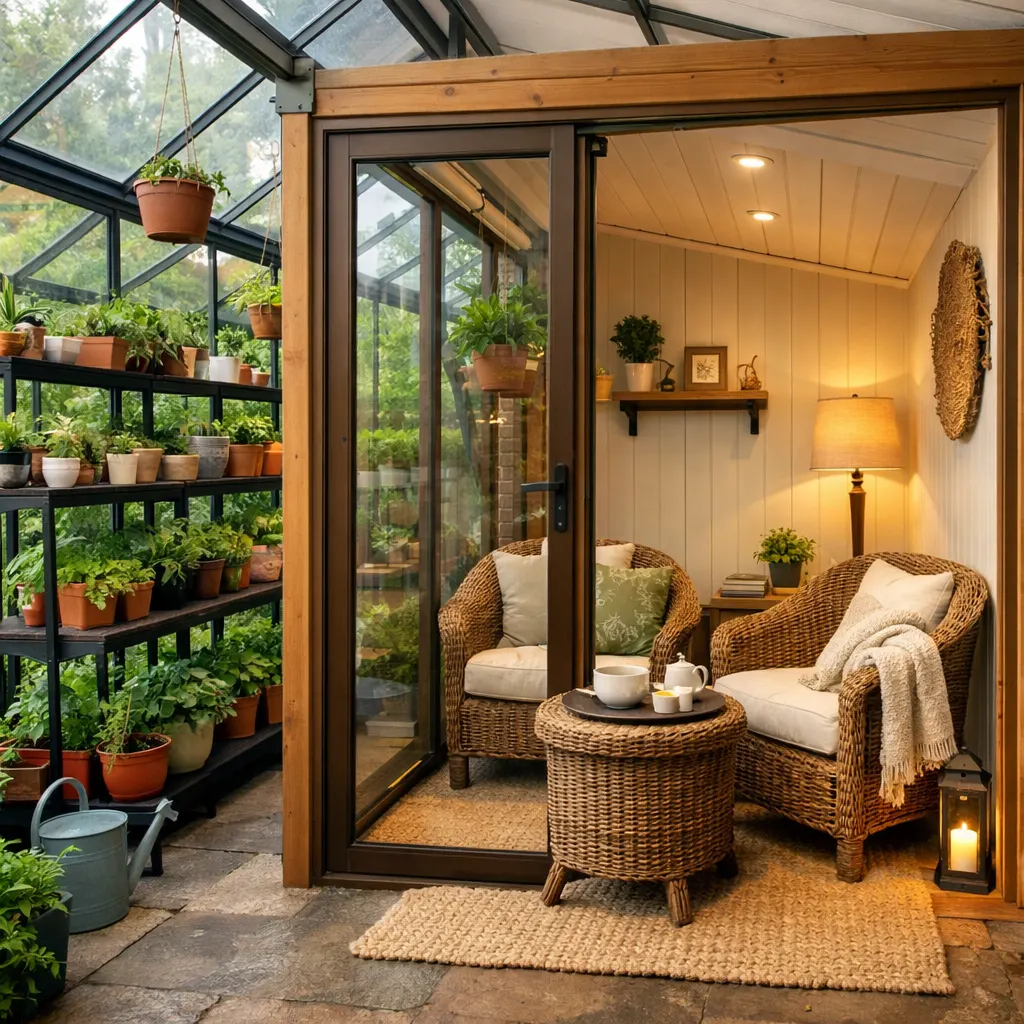
Climate control is challenging—the plant zone needs to be hot and humid, while the sitting zone should be at a comfortable temperature. Use a glass partition or thermal curtain to create zones.
Ventilation fans should run continuously on the plant side. On the sitting side, install insulated walls and a separate AC unit.
Designer’s Note: This design requires a larger initial investment—maintaining two climate zones is costly. But if you’re a serious plant collector, it’s worth it.
34. The Upcycled Playhouse Makeover
A budget-friendly option: take an old children’s playhouse and turn it into an adult retreat.
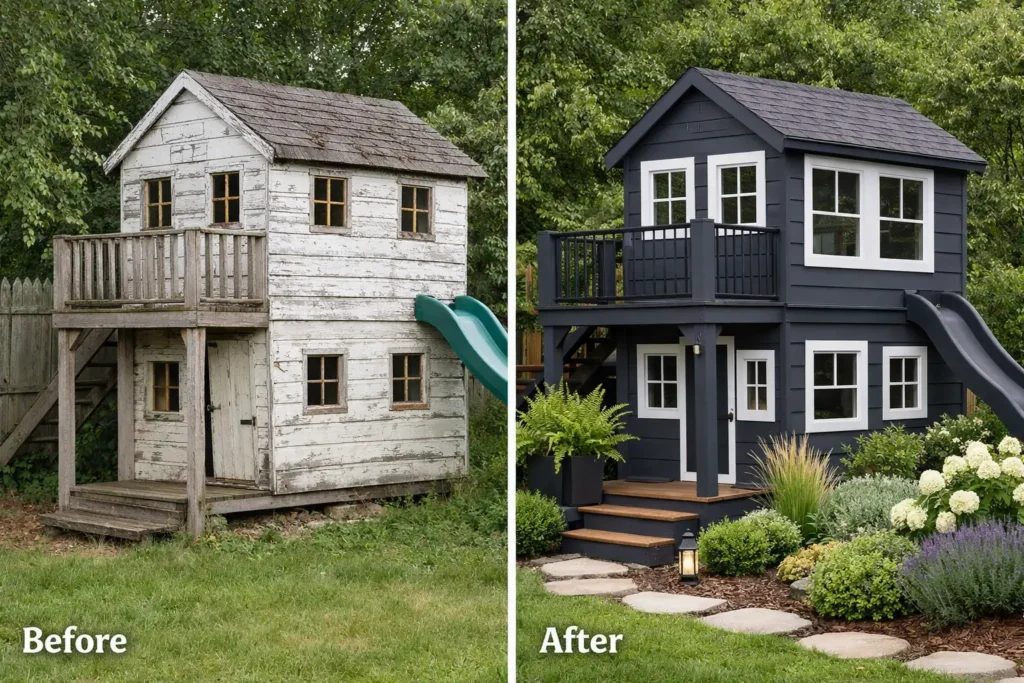
Process: Raise the roof if you need more height. Replace windows—make them larger for adult proportions. Add insulation—existing playhouses usually don’t have any.
Upgrade the foundation—playhouses are usually on the ground, but for adult furniture, you’ll want a level platform. Siding, paint, and landscaping—these three elements complete the transformation.
Pro-Tip: Used playhouses are easy to find cheaply on Facebook Marketplace or Craigslist. Just make sure the structure is solid.
Essential Features & Finishing Touches: What Every She Shed Needs
Beyond aesthetics, these practical features add value to any she shed—whether it’s for rest or creativity.
35. The “Wow” Factor Exterior & Landscaping
First impressions last. Your shed’s exterior is just as important as its interior.
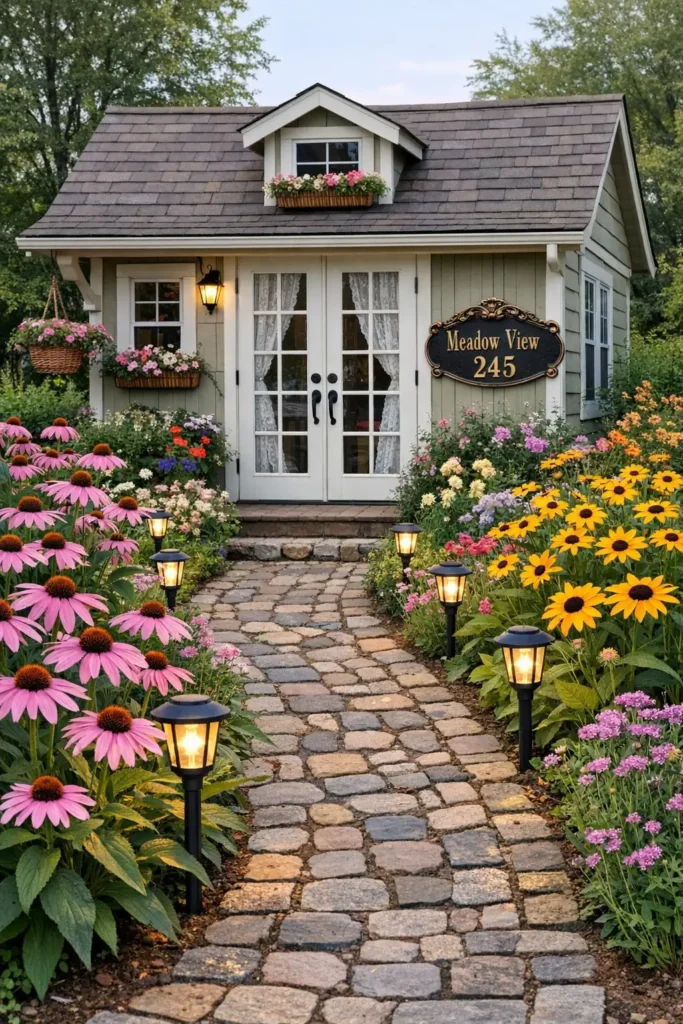
Focus on curb appeal. Choose an exterior paint color that complements your main house—not matches, complements. Create a pathway—cobblestone, gravel, or stepping stones.
For landscaping, a pollinator garden is low-maintenance and attracts butterflies. Solar path lights provide both safety and ambiance.
Designer’s Note: Make your door color pop. A bright yellow or coral door turns the shed into a focal point.
36. Lighting: Layered Ambiance
One bulb won’t cut it. You need three layers of lighting.
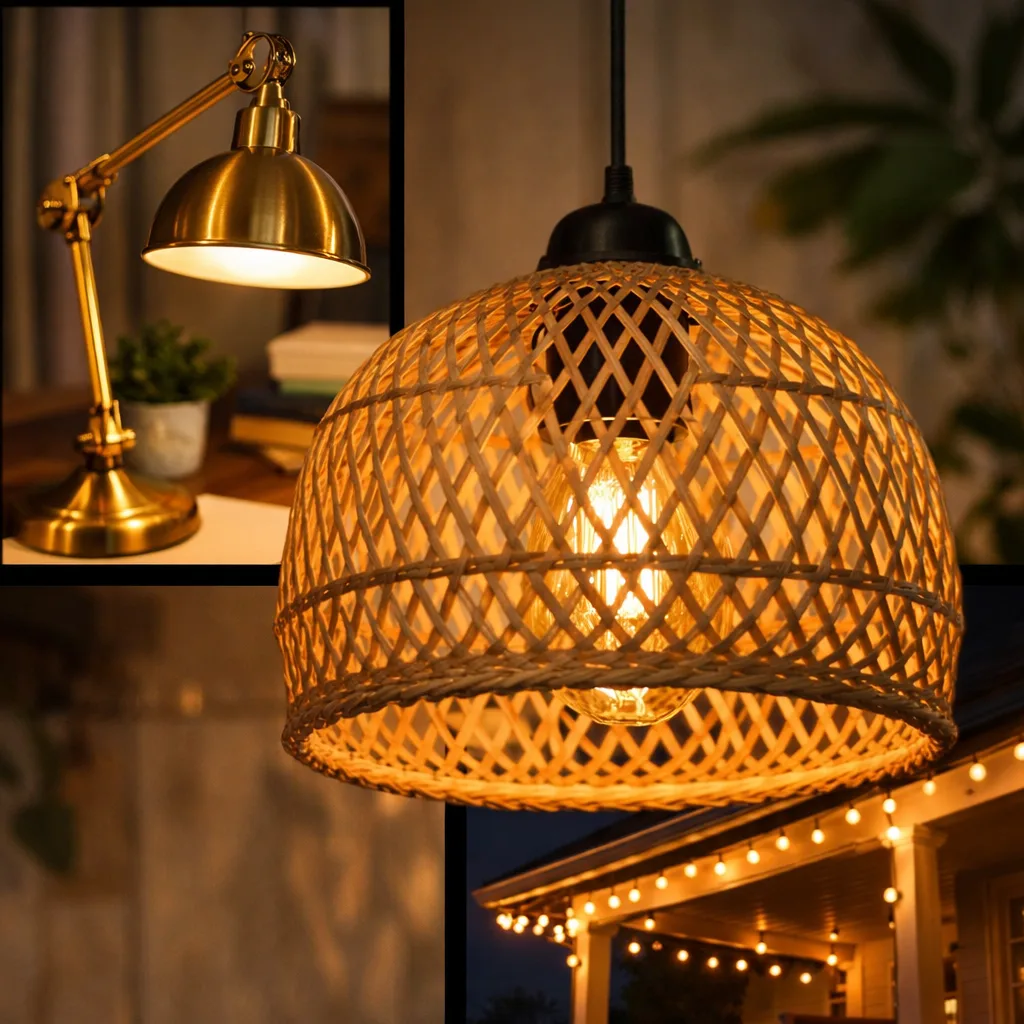
Ambient: overhead light that evenly illuminates the room. A pendant or flush mount works.
Task: focused light for specific work. A swing-arm lamp over a desk, under-cabinet lighting in a kitchenette.
Accent: for mood. String lights, sconces, and a floor lamp on a dimmer.
Pro-Tip: Install dimmer switches. Bright in the morning, cozy in the evening—one bulb can create both moods.
37. Climate Control & Insulation
Your she shed should be usable year-round, not just from March to October.
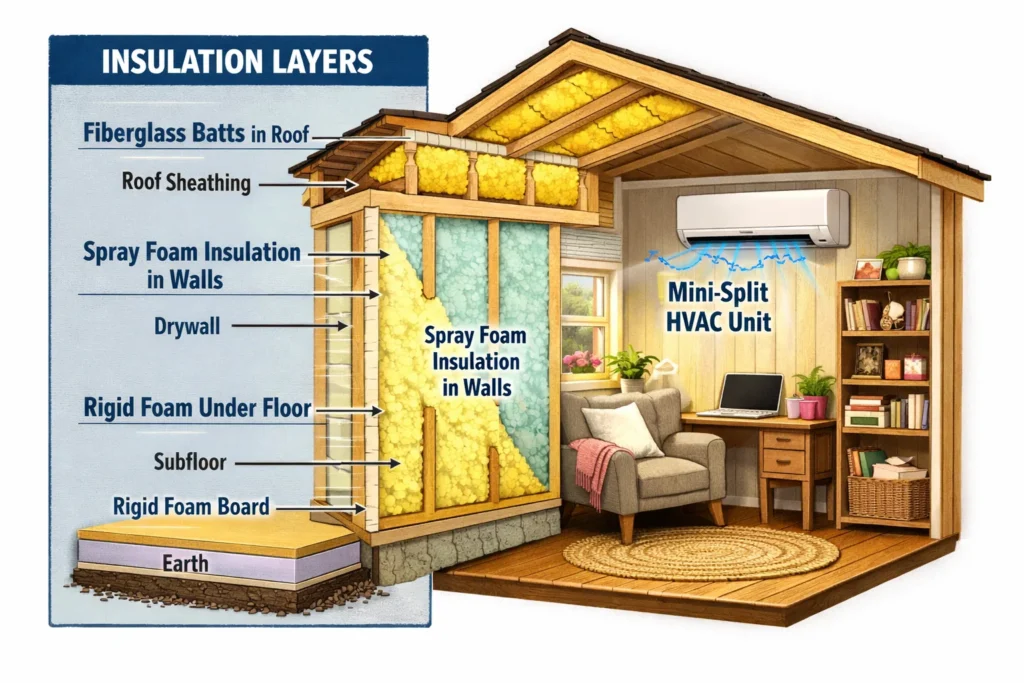
Compare insulation methods: spray foam is best, but expensive. Fiberglass is affordable but sensitive to moisture. Rigid foam works well for floors.
HVAC options: a mini-split system is efficient and quiet, providing both heating and cooling. Through-wall AC units are affordable but require a separate heating system. An electric fireplace is cozy, but it can’t be your primary heat source.
Designer’s Note: Don’t forget a moisture barrier. A vapor barrier is essential alongside insulation, or condensation will lead to mold.
Info Box: Budget & Zoning Checklist
Zoning & Permits—Check These First:
- Setbacks: How far will your shed be from the property line? Usually 3-5 feet.
- Size limits: Some municipalities don’t require permits for sheds under 120 sq ft. Larger than that, you’ll need one.
- Electrical permits: if you’re doing wiring, a licensed electrician and a permit are mandatory.
- Plumbing permits: if you have a bathroom or sink, you’ll need a separate plumbing permit.
- HOA: If you live in an HOA, get approval first. Otherwise, you could build your shed and then be told to take it down.
Budget Breakdown—Three Tiers:
| Tier | Budget | What You Get |
|---|---|---|
| Budget | $1,000–$5,000 | Upcycled playhouse or pre-owned shed, no foundation (leveled gravel), basic electrical from an extension cord, minimal insulation, DIY paint and decor |
| Mid-Range | $5,000–$15,000 | New pre-fab shed, concrete slab foundation, proper electrical wiring with sub-panel, insulation, finished drywall or shiplap, mini-split or AC unit |
| High-End | $15,000+ | Custom architectural build, plumbing with bathroom or sink, premium materials (cedar, stone veneer), full HVAC (mini-split), professional landscaping, high-end finishes |
Conclusion: Start Your Dream She Shed Now
After going through 37+ ideas, you’re probably both excited and a little overwhelmed. That’s normal.
The formula for a perfect she shed is simple: clear purpose + practical foundation + personal style.
First, decide: is this space for rest or for creativity? If you want both, create two zones—but make sure your purpose is clear.
Then figure out the structural details: upgrade an existing structure or build a new one? What’s your budget? Do you need a permit?
Finally, aesthetics: color, furniture, decor—this is the seasoning that turns an ordinary shed into an extraordinary sanctuary.
Now it’s time to take action. Save your favorite styles on Pinterest. Talk to a contractor and discuss your top three must-have features. And if you have questions, ask in the comments—I’m here to help.
Your dream she shed is no longer just an idea; it’s a plan. And now it’s time to turn that plan into reality.
Which style did you like the most? Let me know in the comments.