
Digital publishing undergoes rapid transformation as artificial intelligence redefines how content reaches consumers. Traditional blogging models face unprecedented pressure from automated systems that synthesize web data instantly. Creators must look beyond standard content management systems to maintain viable audiences and sustainable income streams.
- The Evolution of Digital Publishing and AI Disruption
- Decline of Traditional Search Engine Traffic for Independent Bloggers
- Rise of Conversational Answer Engines in Modern Content Discovery
- Legal and Copyright Liability of AI Content in 2026
- Ownership Rights for Automated Output in Modern Publishing Law
- Plagiarism and Attribution Penalties in Automated Content Ecosystems
- Direct Cost-Benefit Analysis of Traditional Blogging
- Hosting and Maintenance Overhead for Independent Website Owners
- Return on Investment for Long-Form Articles in Competitive Markets
- Decentralized Publishing Networks as Viable Alternatives
- Blockchain Protocols for Content Verification and Creator Protection
- Peer-to-Peer Distribution Channels for Uncensored Digital Publishing
- The Post-Algorithm Era and Direct Audience Monetization
- Building Resilient Subscriber Bases Beyond Social Media Feeds
- Subscription Models Without Middlemen for Independent Creators
- Hybrid Digital Ecosystems for Modern Creators
- Combining Micro-Communities With Tokenized Newsletters for Higher Engagement
- Cross-Platform Syndication Strategies for Maximum Reach
- Top Platform Alternatives for Independent Writers
- Substack and Direct Email Infrastructure for Independent Writers
- Mirror Protocol and Web3 Publishing for Decentralized Creators
- Monetization Strategies Beyond Display Advertising
- Sponsorships and Brand Partnerships in Niche Publishing
- Premium Community Access and Direct Support for Creators
- Measuring Content Performance Without Pageviews
- Engagement Metrics in Decentralized Networks and Modern Publishing
- Attention Economy and Time-Based Valuation for Independent Writers
- Future Outlook for Independent Digital Creators
- Adaptation Strategies for 2026 and Beyond in Digital Publishing
- Preserving Human Voice in Automated Systems and AI Content Floods
- Frequently Asked Questions About Blogging Alternatives in 2026
- Why are traditional blogging models declining in 2026?
- What are the legal risks of using AI-generated content on blogs?
- How do decentralized publishing networks protect independent creators?
- What are the best monetization alternatives to display advertising?
- How can creators measure content performance without pageviews?
- What is the benefit of hybrid digital ecosystems for modern writers?
- Key Takeaways for Independent Digital Creators
The Evolution of Digital Publishing and AI Disruption

The digital publishing ecosystem changes fundamentally as automated algorithms reshape information distribution channels. Creators who rely on standard search engines see sharp declines in organic reach. Platforms that once provided steady streams of visitors now serve synthesized answers directly to users.
Search engines prioritize zero-click answers, keeping users on the results page rather than sending them to publisher websites. This shift starves independent blogs of ad revenue and affiliate clicks. Publishers must adapt to a reality where traditional discovery mechanisms no longer function as reliable traffic sources.
Conversational answer engines aggregate information across millions of web pages, presenting a single synthesized response to the end user. Readers rarely visit the source material unless specifically cited or incentivized through unique distribution models. Creators face the challenge of proving human authenticity in a sea of automated text.
Digital platforms alter information access daily, forcing content creators to rethink their core distribution strategies. Search visibility drops as automated summaries satisfy reader queries instantly on search result pages. Independent publishers experience sharp traffic declines that disrupt traditional advertising business models. Audiences shift away from navigating multiple links in favor of unified conversational outputs. Creators must abandon passive search reliance and build direct channels to reach their readers effectively.
Decline of Traditional Search Engine Traffic for Independent Bloggers
Organic search volume drops significantly for standard informational queries across major search engines. Algorithmic updates favor large aggregator sites and direct AI summaries over individual web logs. Independent writers experience a steady erosion of baseline visibility.
Keyword optimization strategies lose efficacy as search engines favor semantic intent fulfilled by internal AI models. Blogs built solely on high-volume search terms struggle to attract new readers. Creators must shift from passive search dependency to proactive audience building.
Search engine algorithms now prioritize synthesized answers over traditional blue links for informational queries. Independent bloggers watch organic impressions vanish as machines summarize their articles directly on result pages. This structural change breaks the classic traffic acquisition funnel entirely. Writers relying on search engine optimization see their monthly visitors decline rapidly. Surviving this algorithmic shift requires developing alternative distribution channels that bypass traditional search engines completely.
Rise of Conversational Answer Engines in Modern Content Discovery
Conversational interfaces change user habits by answering complex queries without requiring link exploration. Users prefer conversational agents for research, tutorials, and product comparisons. This behavior cuts off the middleman, removing the blog post from the discovery funnel.
Publishers must integrate directly with answer engines or bypass them entirely through direct-to-consumer channels. Content structure needs to adapt for machine readability alongside human engagement. Creators who rely on traditional inbound search traffic face immediate obsolescence.
Conversational agents redefine how users discover and consume information across the web. People ask complex questions and receive synthesized paragraphs instead of browsing individual web pages. Bloggers lose their intermediary role as information providers for curious readers. Adapting to this reality means structuring content for machine ingestion while offering unique human insights. Creators who fail to adjust their publishing formats risk permanent invisibility in modern discovery channels.
Legal and Copyright Liability of AI Content in 2026

Regulatory frameworks mature significantly regarding automated text generation and web scraping practices. Creators face strict legal liabilities when publishing unverified AI outputs or using copyrighted datasets. Understanding these legal boundaries protects independent operations from severe financial penalties.
Courts globally establish clear precedents regarding intellectual property ownership for machine-generated media. Publishing unedited automated content strips creators of copyright protections, leaving their work open to duplication without legal recourse. Originality becomes a strict legal requirement for commercial viability.
Attribution standards tighten across all digital publishing formats. Platforms face lawsuits if automated scrapers ingest protected works without explicit licensing agreements. Creators utilizing AI tools must trace data lineage to avoid costly copyright infringement claims.
Legal standards surrounding automated text generation evolve rapidly as courts address intellectual property disputes. Publishing unverified artificial intelligence outputs exposes independent creators to severe financial and legal penalties. Understanding copyright boundaries prevents costly litigation in an increasingly regulated publishing environment. Regulators penalize platforms that ingest protected works without explicit licensing agreements. Writers must establish rigorous verification protocols to ensure their published material remains fully original.
Ownership Rights for Automated Output in Modern Publishing Law
Intellectual property offices reject copyright registrations for works created entirely by automated systems. Human authorship remains a mandatory criterion for legal ownership and statutory damages. Creators using AI assistance must demonstrate substantial human transformation to secure legal rights.
Blindly publishing automated drafts leaves creators vulnerable to content theft by competitors. Without copyright protection, enforcement against plagiarism becomes nearly impossible in civil courts. Independent writers must document their creative process to establish clear ownership boundaries.
Intellectual property offices worldwide deny copyright protection to works generated entirely by machine systems. Human authorship remains a strict legal requirement for securing statutory damages against infringers. Creators using automated assistance must prove substantial personal transformation to claim legal ownership. Publishing unedited machine outputs leaves independent writers defenseless against content theft. Documenting the creative process helps establish clear boundaries of human authorship in civil disputes.
Plagiarism and Attribution Penalties in Automated Content Ecosystems
Automated tools frequently reproduce training data verbatim, triggering severe plagiarism penalties from search engines and legal bodies. Publishers hosting unvetted AI output face immediate demonetization and copyright strikes. Reputation damage compounds legal liability in professional writing circles.
Verification protocols become essential components of any publishing workflow. Editorial oversight ensures that every published piece maintains distinct originality. Creators invest heavily in plagiarism detection software designed specifically to catch machine-generated mimicry.
Automated writing tools often regurgitate training data word-for-word, triggering severe plagiarism penalties. Search engines penalize sites hosting unvetted machine output with immediate ranking drops and demonetization. Publishers face copyright strikes that destroy their operational credibility overnight. Rigorous editorial oversight prevents accidental copyright infringement and protects brand reputation. Investing in advanced originality scanners helps catch hidden mimicry before publication occurs.
Direct Cost-Benefit Analysis of Traditional Blogging
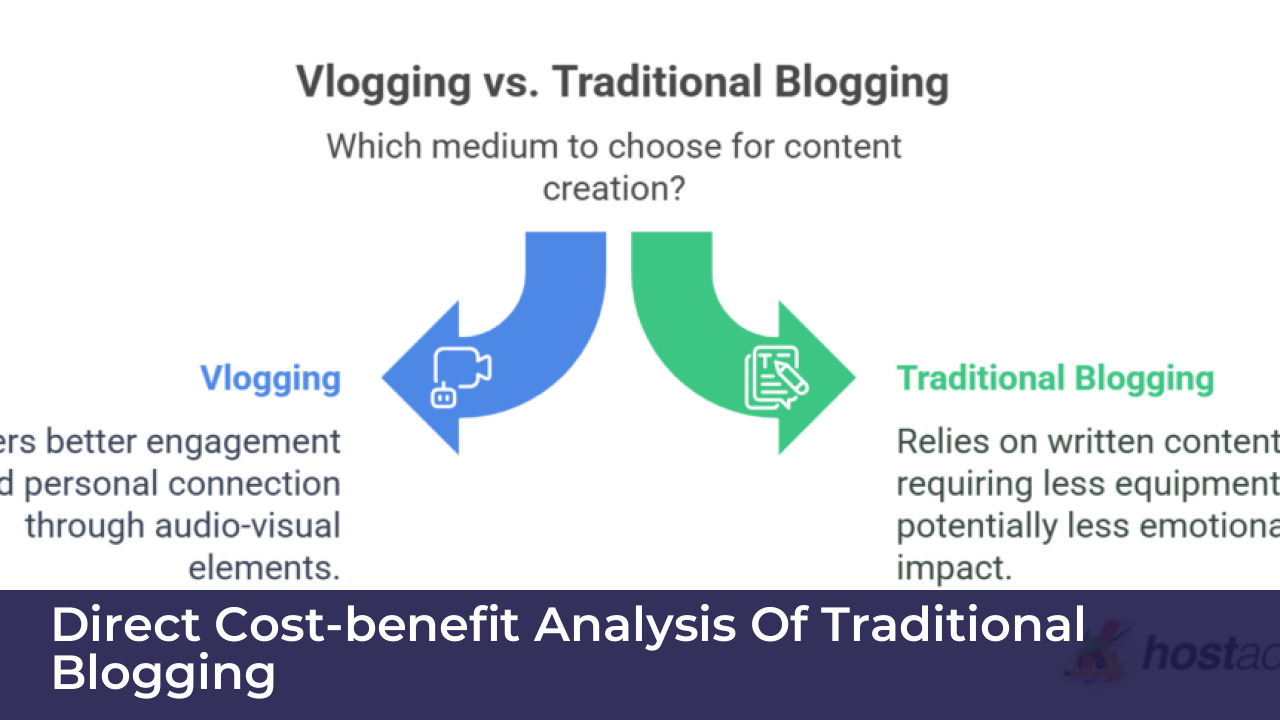
Maintaining a self-hosted blog involves significant overhead that often outweighs financial returns. Hosting fees, security plugins, content delivery networks, and maintenance consume valuable resources. Creators must evaluate whether traditional blogging remains economically viable.
The return on investment for long-form articles drops as competition from automated content generators floods the market. Writing comprehensive guides requires hours of dedicated labor, yet programmatic sites can replicate similar structures in seconds. Economic realities force creators to explore leaner publishing alternatives.
Infrastructure costs scale unpredictably as traffic fluctuates. Security vulnerabilities demand constant patching, distracting creators from actual content production. Streamlining operations through alternative platforms reduces overhead and increases profit margins.
Operating a self-hosted website demands continuous financial investment in infrastructure and security. Monthly hosting fees, domain renewals, and plugin subscriptions drain profits from small-scale publications. Technical maintenance consumes valuable hours that creators could spend producing original material. As organic traffic declines, the financial return on traditional blogging drops below sustainable levels. Shifting to leaner publishing platforms eliminates unnecessary overhead and boosts operational efficiency.
Hosting and Maintenance Overhead for Independent Website Owners
Managing server infrastructure, database optimization, and theme updates drains technical and financial resources. Unexpected downtime disrupts user experience and harms brand reputation. Technical upkeep demands specialized skills that divert attention from core creative tasks.
Plugin subscription fees and premium hosting packages add up quickly over a fiscal year. Hidden costs erode the profitability of small-scale blogs reliant on display advertising. Moving away from self-hosted solutions eliminates these recurring operational expenses.
Managing server configurations, database optimizations, and security patches requires specialized technical skills. Unexpected downtime frustrates readers and damages brand reputation across search and social channels. Recurring software subscription fees add up quickly over the course of a fiscal year. Independent writers often find themselves spending more time fixing code than writing articles. Abandoning self-hosted solutions removes these frustrating technical bottlenecks entirely.
Return on Investment for Long-Form Articles in Competitive Markets
Producing a single four-thousand-word guide takes days of focused effort and research. When search engines route traffic to AI summaries instead of the source, the investment yields zero financial return. Creators experience high burnout rates trying to sustain outdated content volumes.
Monetizing long-form articles through low-yield display ads no longer covers production costs. Writers must pivot toward high-value content formats that command direct payment from engaged audiences. Efficiency and impact replace raw word counts as primary performance indicators.
Writing comprehensive guides requires days of intensive research and structural planning. When search engines route readers to automated summaries, that hard work generates zero revenue. Creators experience severe burnout trying to maintain high output volumes with diminishing returns. Low-yield display advertising fails to cover the actual cost of content creation. Independent authors must pivot toward high-value formats that command direct payment from loyal readers.
Decentralized Publishing Networks as Viable Alternatives
Decentralized publishing protocols offer robust alternatives to traditional centralized content management systems. These networks secure content ownership through distributed ledgers and cryptographic proofs. Creators retain absolute control over their work without platform interference.
Blockchain technology enables immutable content verification, protecting intellectual property against unauthorized modification or censorship. Readers access material through censorship-resistant channels that bypass traditional corporate intermediaries. Trust shifts from centralized platforms to transparent cryptographic protocols.
Peer-to-peer distribution models ensure content remains accessible regardless of central server status. Creators build resilient publishing operations that withstand technical failures and policy changes imposed by corporate gatekeepers. Decentralization empowers independent voices in an increasingly restricted digital environment.
Decentralized protocols provide robust alternatives to standard web hosting and corporate publishing platforms. Distributed ledgers secure content ownership through cryptographic proofs that prevent unauthorized tampering. Creators maintain absolute control over their intellectual property without risking sudden platform bans. Censorship-resistant channels ensure that readers can always access published material. Shifting to peer-to-peer networks eliminates corporate gatekeepers and protects independent voices.
Blockchain Protocols for Content Verification and Creator Protection
Cryptographic signing of articles proves definitive authorship without relying on third-party registries. Immutable timestamping establishes priority of publication for disputed intellectual property. Creators utilize blockchain ledgers to secure authentic ownership records.
Smart contracts automate royalty distribution and licensing agreements without human intermediaries. Readers verify content authenticity directly on-chain before engaging with or supporting the creator. Security and transparency redefine publishing standards for independent writers.
Cryptographic signatures establish indisputable proof of authorship without requiring third-party registries. Immutable timestamping on public ledgers protects creators from intellectual property theft and plagiarism. Smart contracts automate royalty distributions and licensing agreements instantly without human middlemen. Readers verify content authenticity on-chain before supporting independent writers financially. This transparent framework redefines industry standards for security and creator compensation.
Peer-to-Peer Distribution Channels for Uncensored Digital Publishing
Peer-to-peer protocols distribute content directly across user nodes, eliminating central point-of-failure vulnerabilities. Censorship attempts fail because no single authority controls the network infrastructure. Creators enjoy absolute freedom of expression without fear of sudden account termination.
Bandwidth costs shift from centralized servers to distributed network participants. Readers actively support distribution by hosting content nodes, fostering community-driven infrastructure. Independent publishing becomes truly independent of corporate hosting monopolies.
Distributed peer-to-peer networks eliminate central points of failure and corporate hosting monopolies. Censorship attempts fail because no single authority controls the underlying infrastructure. Creators publish freely without worrying about arbitrary account terminations or policy changes. Bandwidth costs disperse across the network as participating users host content nodes. This community-driven approach creates a truly resilient digital publishing ecosystem.
The Post-Algorithm Era and Direct Audience Monetization
The post-algorithm era requires creators to cultivate direct relationships with their readers. Algorithmic feeds no longer dictate content visibility or audience growth. Direct communication channels ensure messages reach subscribers without algorithmic filtering.
Building resilient subscriber bases provides a stable foundation for independent businesses. Direct monetization models replace volatile ad revenue with predictable recurring income. Creators focus on depth of engagement rather than breadth of superficial reach.
Subscription models operating without middlemen maximize profit retention for creators. Financial transactions occur directly between reader and writer, minimizing platform fee extraction. Direct financial alignment fosters deeper loyalty and higher content quality.
The post-algorithm era demands that independent creators build unmediated relationships with their audiences. Algorithmic feeds no longer control content visibility or dictate organic growth trajectories. Direct communication channels guarantee that messages land in subscriber inboxes without filtering. Building a loyal subscriber base establishes a stable foundation for independent business ventures. Creators replace volatile advertising revenue with predictable recurring income streams.
Building Resilient Subscriber Bases Beyond Social Media Feeds
Social media algorithms change unpredictably, cutting off audience access overnight. Owning a direct contact list protects creators from algorithmic volatility and platform bans. Direct mailing lists and decentralized follower registries ensure uninterrupted communication.
Community engagement centers on private spaces rather than public feeds. Subscribers participate actively in discussions, providing valuable feedback and word-of-mouth promotion. Resilient audiences weather industry shifts much better than algorithm-dependent followers.
Social media algorithms shift constantly, cutting off audience reach with zero warning. Owning a direct subscriber list protects creators from sudden platform policy changes. Direct mailing lists and decentralized registries ensure uninterrupted communication channels with fans. Private community spaces foster deeper engagement than public social feeds ever could. Resilient audiences weather industry disruptions far better than algorithm-dependent followers.
Subscription Models Without Middlemen for Independent Creators
Traditional publishers take massive cuts of creator earnings through ad networks and distribution fees. Direct payment gateways allow writers to keep nearly all revenue generated from subscriptions. Financial independence empowers creators to produce uncompromising work.
Micro-transactions and direct tipping models enable flexible support options for readers. Creators tailor pricing tiers to match specific community needs and audience demographics. Eliminating intermediaries creates a fair and transparent economic ecosystem.
Legacy publishing networks extract heavy commissions through complex distribution and ad fees. Direct payment gateways allow independent writers to retain nearly all revenue from subscriptions. Financial independence empowers creators to produce honest and uncompromising work. Flexible micro-transactions and tipping models give readers various ways to show support. Removing middlemen establishes a transparent economic ecosystem for digital writers.
Hybrid Digital Ecosystems for Modern Creators
Modern creators thrive by combining multiple complementary publishing formats into unified ecosystems. Micro-communities paired with tokenized newsletters create robust engagement loops. This multi-layered approach diversifies income and strengthens audience retention.
Combining interactive community spaces with exclusive written content drives higher subscription conversions. Readers receive both communal connection and high-value insights in one cohesive package. Ecosystem synergy outperforms single-channel publishing models significantly.
Cross-platform syndication strategies maximize reach while funneling traffic back to owned assets. Creators publish summaries or excerpts across various networks, inviting interested readers to join the primary ecosystem. Strategic distribution expands market presence without diluting core brand value.
Modern creators succeed by combining complementary publishing formats into unified digital ecosystems. Pairing interactive micro-communities with token-gated newsletters creates powerful engagement loops. This multi-layered strategy diversifies income sources and improves long-term audience retention rates. Delivering both communal connection and expert insights in one package drives subscription conversions. Ecosystem synergy consistently outperforms traditional single-channel publishing models.
Combining Micro-Communities With Tokenized Newsletters for Higher Engagement
Micro-communities foster intimate discussions that large social networks cannot replicate. Token-gated access ensures only genuine supporters participate in exclusive channels. This exclusivity drives demand for paid newsletter tiers and community memberships.
Newsletters deliver curated insights directly to subscriber inboxes, bypassing algorithmic noise. Integrating community chat features within newsletter platforms keeps engagement centralized and active. Creators build sticky ecosystems where members stay long-term.
Intimate micro-communities foster discussions that massive social media platforms fail to replicate. Token-gated access ensures that only genuine supporters enter exclusive discussion channels. This sense of exclusivity increases demand for paid newsletter tiers and memberships. Curated newsletters deliver valuable insights directly to reader inboxes without algorithmic interference. Integrating chat features keeps audience engagement active within a centralized ecosystem.
Cross-Platform Syndication Strategies for Maximum Reach
Syndication allows creators to repurpose core content for different platform audiences safely. Excerpts published on professional networks draw attention to comprehensive decentralized newsletters. Strategic cross-posting expands audience funnels without requiring excessive content creation.
Centralizing the final destination ensures all traffic benefits owned infrastructure. Readers transition from public feeds to private subscriber lists seamlessly. Creators maintain control of their primary brand identity across all touchpoints.
Strategic syndication lets creators repurpose core content safely for diverse platform audiences. Publishing short excerpts on professional networks draws attention to comprehensive decentralized newsletters. This cross-posting expands audience funnels without demanding excessive weekly writing hours. Directing external traffic toward owned assets strengthens the primary publishing infrastructure. Readers transition smoothly from public discovery platforms to private subscriber lists.
Top Platform Alternatives for Independent Writers
Writers leaving traditional blogs find powerful alternatives designed for direct monetization and community building. Substack provides robust email infrastructure and seamless payment processing. Creators manage subscriber lists easily without managing technical server stacks.
Mirror Protocol offers decentralized Web3 publishing capabilities for crypto-native and tech-forward writers. Content gets permanently stored on distributed ledgers with integrated crowdfunding features. Choosing the right platform depends on specific audience demographics and monetization goals.
Evaluating alternative publishing platforms requires analyzing fee structures, data portability, and audience ownership rights. Writers must ensure they can export their subscriber lists at any time. Platform independence remains a critical factor for long-term business security.
Independent writers leaving traditional blogs utilize modern platforms built for direct audience monetization. Substack offers robust email infrastructure and seamless payment processing out of the box. Mirror Protocol provides decentralized Web3 publishing tools for tech-forward creators. Evaluating alternative platforms requires analyzing fee structures, data portability, and ownership rights. Choosing the right service ensures long-term business security and subscriber list control.
| Platform Name | Primary Infrastructure | Monetization Mechanism | Data Ownership |
|---|---|---|---|
| Substack | Centralized Email & Web | Paid Subscriptions | Full Subscriber Export |
| Mirror Protocol | Decentralized Web3 / Arweave | Crowdfunding & Tokens | Absolute On-Chain Control |
| Ghost | Open-Source Self-Hosted / Managed | Memberships & Newsletters | Complete Database Control |
| Patreon | Centralized Creator Economy | Tiered Memberships | Restricted List Access |
Substack and Direct Email Infrastructure for Independent Writers
Substack simplifies audience monetization by handling billing, taxes, and email delivery out of the box. Writers focus entirely on writing while the platform manages technical complexity. Direct email delivery guarantees messages land in subscriber inboxes without algorithmic filtering.
Network features like recommendations help creators discover new readers organically within the platform. Data portability ensures writers own their subscriber lists completely. Substack bridges the gap between traditional blogging and modern direct publishing.
Substack simplifies business operations by handling billing, tax calculations, and email delivery. Writers focus entirely on content creation while the platform manages technical complexities. Direct inbox delivery ensures that messages reach subscribers without algorithmic filtering. Built-in recommendation features help creators discover new readers organically across the network. Complete data portability ensures writers own their subscriber lists at all times.
Mirror Protocol and Web3 Publishing for Decentralized Creators
Mirror Protocol leverages decentralized storage networks to keep articles permanently accessible. Writers tokenize their essays, allowing readers to fund projects collectively. Web3 publishing introduces novel funding mechanisms impossible on legacy blog platforms.
Cryptographic signatures verify author identity beyond question, preventing impersonation. Decentralized governance gives token holders a voice in platform evolution. Mirror serves as a blueprint for censorship-resistant digital publishing.
Mirror Protocol utilizes distributed storage networks to keep articles permanently accessible online. Writers tokenize essays, enabling readers to fund creative projects through collective contributions. This Web3 approach introduces funding models unavailable on legacy blog software. Cryptographic signatures verify author identities and prevent malicious impersonation attempts. Decentralized governance models give token holders a direct voice in platform development.
Monetization Strategies Beyond Display Advertising
Relying solely on programmatic display advertising exposes creators to volatile ad rates and ad-blocker adoption. Diversified monetization protects revenue streams against industry downturns. Sponsorships, brand partnerships, and direct community support create sustainable business models.
Brand partnerships align creators with companies sharing mutual values and audience demographics. Sponsored content, product reviews, and newsletter mentions command high rates when audience trust is strong. Transparency in partnerships maintains reader loyalty and credibility.
Premium community access unlocks recurring revenue from deeply engaged superfans. Offering office hours, direct Q and A sessions, and exclusive archives adds tangible value to paid memberships. Creators monetize their expertise directly rather than trading time for ad impressions.
Relying exclusively on programmatic display advertising exposes creators to volatile ad rates and ad-blockers. Diversifying revenue streams protects independent businesses against sudden industry downturns. Brand sponsorships, direct partnerships, and community support establish sustainable financial models. Aligning with companies that share mutual values yields high-converting sponsored content. Maintaining strict transparency in partnerships preserves audience trust and long-term credibility.
Sponsorships and Brand Partnerships in Niche Publishing
Niche audiences attract targeted sponsors willing to pay premium rates for direct access. Creators negotiate custom sponsorship packages spanning newsletters, community posts, and audio content. Authenticity in recommendations drives high conversion rates for partner brands.
Direct brand relationships eliminate middleman networks that skim large percentages of ad revenue. Writers retain full negotiating power over their pricing and deliverables. Strategic partnerships reinforce authority within specialized industry verticals.
Niche audiences attract targeted sponsors willing to pay premium rates for direct access. Creators negotiate custom sponsorship packages spanning newsletters, community posts, and audio updates. Direct brand relationships eliminate middleman networks that skim ad revenue percentages. Writers retain full pricing control over their deliverables and promotional placements. Strategic partnerships reinforce authority within specialized industry verticals.
Premium Community Access and Direct Support for Creators
Superfans happily pay premium fees for direct interaction and specialized insights from trusted creators. Private community tiers provide high-value networking opportunities among members. Direct support models foster strong emotional connections between creators and their audiences.
Crowdfunding specific projects or research endeavors validates demand before content production begins. Financial backing from dedicated readers funds ambitious undertakings without corporate interference. Community-funded publishing ensures complete editorial freedom.
Superfans gladly pay membership fees for direct interaction and specialized insights. Private community tiers offer valuable networking opportunities among like-minded readers. Crowdfunding specific research endeavors validates project demand before production begins. Financial backing from dedicated supporters funds ambitious undertakings without corporate interference. Community-funded publishing guarantees absolute editorial freedom for independent authors.
Measuring Content Performance Without Pageviews
Traditional pageviews no longer reflect true content impact or audience engagement. Automated scrapers and bots inflate traffic metrics artificially, misleading creators. Modern publishing demands qualitative metrics that measure genuine attention and interaction.
Decentralized networks evaluate performance through active community participation, shares, and on-chain engagement. These verifiable metrics resist bot manipulation and algorithmic gaming. Creators track retention rates and reading completion times instead of raw hit counts.
The attention economy values time-based valuation over fleeting glances. Measuring how deeply an audience consumes material provides actionable insights for future content creation. Quality engagement metrics guide sustainable business growth.
Traditional pageviews fail to reflect true content impact or genuine audience engagement. Automated bots and scrapers inflate web traffic metrics artificially, misleading independent creators. Modern publishing demands qualitative analytics that measure actual human attention. Decentralized networks evaluate performance through active community participation and verifiable interactions. Creators track reading completion times instead of relying on vanity hit counts.
Engagement Metrics in Decentralized Networks and Modern Publishing
Decentralized platforms record interactions through verifiable cryptographic actions like comments, tips, and governance votes. These metrics represent genuine human interest rather than accidental algorithmic clicks. Creators analyze engagement depth to understand what resonates most with core supporters.
On-chain analytics offer transparent insights into audience behavior without compromising user privacy. Publishers optimize their offerings based on direct user feedback and participation levels. Engagement quality replaces vanity traffic numbers as the primary success benchmark.
Decentralized platforms log interactions through verifiable cryptographic actions like tips and votes. These metrics represent genuine human interest rather than accidental algorithmic clicks. Analyzing engagement depth helps creators understand what resonates with core supporters. Transparent on-chain analytics provide insights into audience behavior without violating user privacy. Quality interaction replaces empty traffic numbers as the primary success benchmark.
Attention Economy and Time-Based Valuation for Independent Writers
Time spent reading indicates true content value in an era of digital overload. Measuring reading duration helps creators understand which topics capture sustained interest. Content designed for deep focus commands higher subscription value than quick-hit listicles.
Value creation shifts from capturing fleeting attention to nurturing prolonged engagement. Writers structure their work to reward sustained reading and thoughtful analysis. Attention-based valuation aligns creator incentives with reader satisfaction.
Time spent reading indicates true content value during an era of digital information overload. Measuring duration helps creators identify which topics capture sustained audience interest. Content designed for deep focus commands higher subscription value than quick-hit listicles. Shifting from fleeting attention to prolonged engagement transforms content strategy. Writers structure their work to reward thoughtful analysis and sustained reading habits.
Future Outlook for Independent Digital Creators
The future of digital publishing belongs to adaptable creators who embrace direct audience ownership. As artificial intelligence automates commodity content, human perspective and specialized expertise become invaluable. Independent writers must evolve continuously to maintain relevance.
Adaptation strategies for the coming years involve diversifying distribution channels and strengthening community bonds. Creators who transition away from search engine dependency build resilient businesses capable of weathering any technological shift. Innovation drives success in the post-algorithm era.
Preserving human voice remains the ultimate differentiator in an automated world. Readers crave authentic experiences, personal stories, and unfiltered human insight. Protecting and elevating that unique voice ensures independent creators thrive long into the future.
The future of digital publishing belongs to adaptable creators who embrace audience ownership. As artificial intelligence automates commodity text, specialized human expertise becomes invaluable. Independent writers must evolve continuously to maintain relevance in shifting markets. Diversifying distribution channels and strengthening community bonds protects against platform volatility. Proactive innovation drives long-term success throughout the post-algorithm era.
Adaptation Strategies for 2026 and Beyond in Digital Publishing
Creators must audit their publishing operations to eliminate single points of failure like search dependency. Diversifying across email newsletters, decentralized protocols, and private communities protects against platform shifts. Continuous learning ensures mastery over emerging publishing technologies.
Agility defines successful digital businesses in rapidly changing technological landscapes. Writers experiment with new formats, monetization tiers, and distribution channels constantly. Proactive adaptation secures long-term viability for independent publishing ventures.
Creators must audit operations to eliminate single points of failure like search dependency. Diversifying across email newsletters and decentralized protocols protects against sudden platform shifts. Continuous learning ensures mastery over emerging digital publishing technologies. Agility defines successful businesses in rapidly changing technological landscapes. Writers experiment with new formats and monetization tiers to secure long-term viability.
Preserving Human Voice in Automated Systems and AI Content Floods
Automated text generators flood digital channels with homogeneous, formulaic content. Authentic human voice, personal vulnerability, and lived experience stand out clearly against machine output. Creators double down on distinctive personal branding and unique storytelling.
Readers actively seek out human creators who offer genuine insights and emotional resonance. Protecting that personal touch requires intentional editing and refusal to rely entirely on automated drafting tools. Human authenticity remains the ultimate asset in modern publishing.
Automated text generators flood digital channels with formulaic, homogeneous content. Authentic human voice and lived experience stand out clearly against machine output. Creators double down on distinctive personal branding and unique storytelling approaches. Readers actively seek out human authors who offer genuine emotional resonance. Human authenticity remains the ultimate asset in contemporary digital publishing.
Frequently Asked Questions About Blogging Alternatives in 2026
Why are traditional blogging models declining in 2026?
Traditional blogs suffer from declining search engine traffic due to conversational AI answer engines that synthesize answers directly on search result pages. This zero-click behavior starves independent websites of organic discovery and ad revenue, forcing creators to seek direct publishing alternatives.
What are the legal risks of using AI-generated content on blogs?
Publishing unverified AI output creates severe copyright liability because automated works generally do not qualify for intellectual property protection. Additionally, unvetted models can reproduce training data verbatim, exposing publishers to plagiarism penalties and copyright infringement lawsuits.
How do decentralized publishing networks protect independent creators?
Decentralized protocols use blockchain technology for immutable content verification and timestamping, securing true intellectual property ownership. Peer-to-peer distribution channels also ensure that content remains accessible and uncensored without relying on corporate server infrastructure.
What are the best monetization alternatives to display advertising?
Effective alternatives include paid direct newsletters, tiered community memberships, token-gated access, direct reader tipping, and targeted sponsorships. These methods establish predictable recurring revenue and eliminate reliance on volatile programmatic ad networks.
How can creators measure content performance without pageviews?
Creators measure success using qualitative engagement metrics such as reading completion time, active community participation, on-chain interaction proofs, and subscriber retention rates. These metrics resist bot inflation and reflect genuine audience value.
What is the benefit of hybrid digital ecosystems for modern writers?
Hybrid ecosystems combine micro-communities with tokenized newsletters and cross-platform syndication strategies. This multi-layered approach diversifies income streams, strengthens audience loyalty, and funnels casual readers into owned subscriber lists safely.
Key Takeaways for Independent Digital Creators
Traditional search engine optimization and display advertising models no longer guarantee sustainable publishing businesses. Creators must pivot toward direct audience ownership, decentralized publishing protocols, and resilient subscriber lists.
Legal compliance and intellectual property protection require strict editorial oversight when utilizing automated writing tools. Unverified AI content strips creators of copyright protections and exposes them to severe plagiarism penalties.
Diversifying income through direct subscriptions, private micro-communities, and brand partnerships shields creators from platform volatility. Quality engagement metrics replace superficial pageviews as true indicators of business health and content impact.
The transition away from traditional blogging marks a maturation point for digital publishing. Creators who embrace direct audience relationships, decentralized networks, and authentic human storytelling position themselves for long-term success. By abandoning broken search-dependent models and investing in resilient, community-driven ecosystems, independent writers secure financial independence and creative freedom in an automated world.