
Running an online retail business in Pakistan requires strict financial management and careful platform selection. High operational expenses often limit the growth potential of local brands. Shopify remains a popular global choice, but its pricing model creates heavy financial pressure for Pakistani merchants. Subscription fees, third-party transaction charges, and mandatory paid apps quickly drain operating capital. Fluctuating currency exchange rates magnify these problems. Merchants must evaluate alternative platforms that reduce expenses without sacrificing functionality. Cost-effective choices allow local sellers to retain larger profit margins and scale their operations sustainably.
- Introduction to E-Commerce Platforms in Pakistan
- The Financial Burden of Shopify Subscription Fees in Pakistan
- Scope of Cost-Effective Alternatives for Local Merchants
- Total Cost of Ownership Breakdown in PKR
- Shopify Subscription Inflation and USD Exchange Rate Risks for Pakistani Businesses
- Self-Hosted Solutions Versus Local SaaS Expenses in Pakistan
- Top Shopify Alternatives for Lower Cost in Pakistan
- WooCommerce and WordPress for Maximum Budget Control in Local E-Commerce
- OpenCart Setup and Maintenance Costs for Pakistani Retailers
- Local E-Commerce Builders and Regional SaaS Options in Pakistan
- Impact of Pakistani Tax Structures on Platform Margins
- Federal Board of Revenue and Provincial Sales Tax on Digital Services for E-Commerce
- Net Profit Margin Comparison Across Different Platforms in Pakistan
- Integration Workflows for Local Courier APIs
- Automated Shipping with TCS, Leopards, Trax, and BlueEx in Pakistani E-Commerce
- Operational Costs of Manual Shipping Sheets Versus API Automation for Local Merchants
- Omnichannel Inventory Synchronization in Local Retail
- Bridging Physical Retail POS Terminals and Online Storefronts in Pakistan
- Preventing Stock Discrepancies in Multi-Channel Operations for Local Businesses
- Payment Gateway Integration and Transaction Fees
- Comparing Easypaisa, JazzCash, and Bank Transfer Gateways in Pakistani E-Commerce
- Hidden Transaction Costs Affecting Small Merchants in Pakistan
- Migration Strategy from Shopify to Lower-Cost Alternatives
- Data Export and Product Catalog Transfer Steps for Pakistani Merchants
- Minimizing Downtime During Platform Transition for Local E-Commerce Stores
- Strategic Financial Forecasting and Capital Allocation
- Budgeting for Open-Source Infrastructure and Maintenance Costs
- Allocating Savings Toward Customer Acquisition and Inventory Growth
- Conclusion and Final Recommendation for Pakistani Merchants
Introduction to E-Commerce Platforms in Pakistan

The Financial Burden of Shopify Subscription Fees in Pakistan
Shopify charges store owners in United States Dollars. Pakistani Rupee depreciation against the dollar makes monthly renewals increasingly expensive. Basic, Shopify, and Advanced tiers require continuous cash flow in foreign currency. Credit card conversion fees add extra charges to every billing cycle. Many local merchants experience severe cash flow strains because subscription costs scale unpredictably. Fixed overhead expenses leave little room for marketing experimentation. Local businesses face distinct economic realities that make standard international pricing models unsustainable over the long term.
Additional costs emerge when merchants add basic applications to their stores. Essential functions like currency converters, local shipping rate calculators, and advanced discount rules require paid plugins. These recurring app subscriptions often double the actual monthly software cost. Standard themes also limit design flexibility unless purchased separately. Pakistani merchants quickly discover that a basic Shopify store demands a substantial monthly investment before generating a single sale. Controlling these overhead expenses is vital for survival in a price-sensitive market.
The absence of native integration for popular local payment methods creates further friction. Merchants must rely on custom integrations or expensive marketplace add-ons to accept mobile wallets. Transaction fees charged by external payment providers combine with Shopify’s own transaction penalties for non-Shopify Payments users. This double-taxation on sales reduces already tight retail margins. Local businesses need infrastructure designed to handle regional financial ecosystems without punitive penalties.
Scope of Cost-Effective Alternatives for Local Merchants
Evaluating alternatives requires a thorough examination of total ownership expenses. Open-source systems provide freedom from mandatory monthly subscription fees. Cloud-hosted regional platforms offer localized billing in Pakistani Rupees. Merchants can allocate capital toward inventory acquisition and digital marketing instead of software licenses. Choosing the right architecture depends on technical capacity, staff expertise, and long-term expansion goals.
Open-source platforms shift financial responsibility from recurring software rentals to one-time setup and hosting fees. Local developers can customize every aspect of the store without platform restrictions. Regional SaaS providers eliminate foreign exchange risk by pricing services in local currency. These options frequently include pre-built integrations for domestic logistics and payment networks. Comparing these pathways helps merchants identify the most practical setup for their specific business model.
Transitioning away from expensive proprietary builders requires careful operational planning. Store owners must assess internal technical capabilities or budget for external developer support. The long-term savings usually outweigh initial migration efforts. A deliberate shift toward affordable infrastructure protects profit margins against macroeconomic volatility. Local merchants gain complete autonomy over their digital storefronts and financial data.
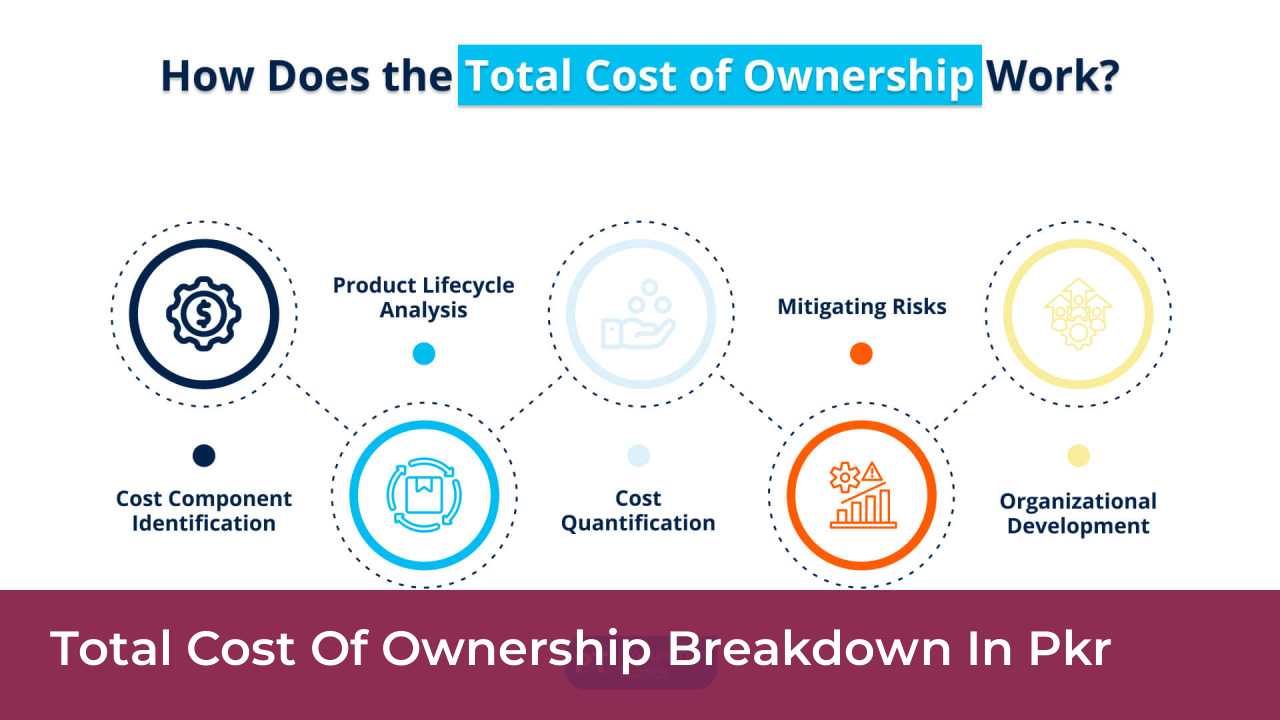
Total Cost of Ownership Breakdown in PKR
Shopify Subscription Inflation and USD Exchange Rate Risks for Pakistani Businesses
Exchange rate instability in Pakistan introduces severe unpredictability for businesses with foreign currency liabilities. When the local currency depreciates, monthly software overhead spikes instantly. A fixed dollar subscription translates to a constantly rising expenditure in Pakistani Rupees. Budgeting becomes difficult when software expenses fluctuate unpredictably from month to month. Business owners cannot accurately forecast operational expenditures or maintain stable profit margins under these conditions.
Payment processing adds another layer of financial exposure. International credit cards used for subscription renewals incur withholding taxes and foreign transaction charges imposed by local banks. These hidden banking fees inflate the actual cost of maintaining a Shopify store beyond the advertised subscription price. Small merchants absorb these losses directly, reducing the capital available for inventory and customer acquisition. Mitigating foreign exchange exposure is a primary requirement for sustainable digital commerce in the region.
Subscription tier upgrades create compounding financial burdens as businesses grow. Moving from a basic plan to a higher tier doubles or triples the fixed monthly software expenditure. Businesses often trigger these upgrades merely by requiring advanced staff accounts or professional reporting features. Local merchants frequently find themselves paying international SaaS prices that do not align with regional average order values or purchasing power.
Self-Hosted Solutions Versus Local SaaS Expenses in Pakistan
Self-hosted alternatives like WooCommerce trade fixed monthly subscriptions for variable hosting and maintenance expenses. Local or international cloud hosting providers offer hosting packages priced in Pakistani Rupees or stable rates. This setup shields merchants from sudden currency shocks. Initial expenses involve domain registration, secure socket layer certificates, and server setup. Ongoing costs remain predictable, consisting primarily of annual hosting renewals and occasional developer maintenance.
Local SaaS builders offer an intermediate path by billing customers in domestic currency. These regional platforms remove foreign exchange risks entirely. However, they may charge revenue-sharing percentages or transaction fees on every sale. Merchants must calculate whether a percentage-based fee structure costs more than a flat-rate subscription over time. High-volume sellers generally find open-source software more economical, while low-volume startups benefit from the simplicity of regional SaaS packages.
Evaluating true cost of ownership requires looking past initial setup promotions. Hidden expenses include security updates, backup solutions, and technical troubleshooting. Self-hosted platforms demand internal competence or outsourced IT support to handle server downtime or security vulnerabilities. Conversely, SaaS platforms manage infrastructure maintenance automatically. Pakistani merchants must weigh operational autonomy against administrative convenience when calculating platform budgets.
Top Shopify Alternatives for Lower Cost in Pakistan

WooCommerce and WordPress for Maximum Budget Control in Local E-Commerce
WooCommerce stands out as the most flexible open-source platform for Pakistani merchants seeking budget control. The core software is completely free to download and use. Merchants pay only for web hosting, domain names, and optional premium plugins. Local hosting providers offer affordable Linux servers capable of running high-traffic WordPress stores efficiently. This architecture eliminates mandatory monthly subscription fees entirely.
Customization possibilities on WooCommerce are virtually limitless. Store owners can integrate local payment gateways, regional shipping calculators, and custom checkout fields without platform restrictions. Thousands of free plugins handle search engine optimization, inventory management, and security hardening. Developers in Pakistan are widely familiar with the WordPress ecosystem, making it easy to find affordable technical assistance for custom development or troubleshooting.
Managing a WooCommerce store requires proactive attention to site maintenance and security. Store owners must schedule regular database backups, software updates, and security scans. Neglecting these tasks exposes the website to vulnerabilities and potential downtime. Despite these administrative duties, the financial savings make WooCommerce an ideal platform for cost-conscious merchants across Pakistan.
OpenCart Setup and Maintenance Costs for Pakistani Retailers
OpenCart provides a lightweight, dedicated e-commerce framework for merchants who prefer a structured platform over a blogging CMS. The software is open-source and free to install. Its modular architecture uses extensions to add payment gateways, shipping methods, and design templates. Many essential extensions are available at low one-time purchase costs, avoiding recurring subscription models.
Resource consumption on OpenCart servers is lower than WordPress, allowing merchants to use cost-effective hosting plans. The administrative dashboard is clean and straightforward, enabling store managers to handle product listings and orders without advanced technical training. Multi-store management capabilities come built into the core software, helping businesses launch separate storefronts from a single installation.
Finding specialized OpenCart developers in the local market can prove challenging compared to the massive talent pool available for WordPress. Certain premium extensions require annual license renewals to receive security patches. Store owners must budget for these occasional software updates. Overall, OpenCart offers a balanced compromise between system simplicity and low long-term operating expenses.
Local E-Commerce Builders and Regional SaaS Options in Pakistan
Regional SaaS builders designed specifically for the domestic market offer simplified store creation with local currency billing. These platforms bundle hosting, security, and basic support into a single monthly fee denominated in Pakistani Rupees. They remove foreign exchange risks and provide native integrations for domestic payment networks and courier services out of the box.
Regional platforms typically feature simplified user interfaces tailored for non-technical entrepreneurs. Customer support teams operate within the same time zone, enabling faster communication and issue resolution. These services often provide built-in compliance with local consumer protection laws and digital commerce regulations, reducing legal risks for new business owners.
Customization constraints represent the primary drawback of regional SaaS options. Merchants cannot modify underlying source code or build unique backend workflows. If a business outgrows the platform’s native features, migrating data to a more robust system can prove difficult. Merchants must evaluate whether convenience and local currency billing outweigh long-term functional limitations.
Impact of Pakistani Tax Structures on Platform Margins
Federal Board of Revenue and Provincial Sales Tax on Digital Services for E-Commerce
Operating a digital commerce business in Pakistan involves navigating complex tax obligations enforced by federal and provincial authorities. The Federal Board of Revenue mandates income tax registration and sales tax compliance for registered commercial entities. Additionally, provincial revenue authorities levy sales taxes on services, including digital software subscriptions, web hosting, and cloud infrastructure.
Foreign software subscriptions incur withholding taxes and digital services taxes when paid via local credit or debit cards. Banks automatically deduct these government levies during international transactions, increasing the actual cost of foreign SaaS platforms. Local merchants must account for these regulatory deductions when calculating their software overhead. Failing to maintain proper tax records can result in severe financial penalties from tax authorities.
Using locally hosted alternatives minimizes certain foreign tax complications, but domestic digital services remain subject to provincial sales tax. Service providers often include these taxes in their billing invoices. Merchants need accounting software that accurately tracks input and output tax adjustments. Understanding these fiscal obligations ensures compliance and protects operating margins from unexpected tax liabilities.
Net Profit Margin Comparison Across Different Platforms in Pakistan
Platform choice directly influences net profit margins through cumulative software, transaction, and tax expenses. International SaaS platforms combine high subscription costs, foreign exchange markups, and digital service taxes, compressing margins significantly. Small and medium enterprises often struggle to absorb these compounding overhead expenses while maintaining competitive retail prices in the local market.
Open-source platforms hosted on local servers protect profit margins by eliminating recurring licensing fees and foreign transaction penalties. Although merchants still pay hosting fees and local sales taxes, the overall financial burden remains substantially lower. This cost advantage allows businesses to invest more capital in product quality, packaging, and digital marketing campaigns.
Regional SaaS platforms offer predictable budgeting through local currency billing, but percentage-based transaction fees can erode margins as sales volume increases. High-volume merchants experience diminishing returns on revenue-sharing models. Conducting a detailed margin analysis across different platform architectures helps business owners select the most financially sustainable infrastructure for their projected sales volume.
Integration Workflows for Local Courier APIs
Automated Shipping with TCS, Leopards, Trax, and BlueEx in Pakistani E-Commerce
Order fulfillment logistics form a critical component of digital retail operations in Pakistan. Integrating courier Application Programming Interfaces directly into the e-commerce platform streamlines shipping workflows. Major logistics providers like TCS, Leopards, Trax, and BlueEx offer developer APIs that automate shipment booking, tracking number generation, and shipping label printing.
Automated API workflows remove manual data entry errors between the store dashboard and courier dispatch systems. When a customer completes an order, the system automatically transmits package dimensions, weight, and delivery details to the selected courier. The platform immediately generates a consignment note and tracking code. This seamless data exchange accelerates fulfillment times and improves customer satisfaction.
Different platforms handle these integrations through official plugins or custom webhook configurations. WooCommerce and OpenCart feature community-developed plugins that connect directly to major local courier accounts. Regional SaaS platforms often include native logistics modules with pre-configured API connections. Selecting a platform with robust logistics integration capabilities saves operational hours and reduces fulfillment mistakes.
Operational Costs of Manual Shipping Sheets Versus API Automation for Local Merchants
Relying on manual shipping sheets creates severe operational bottlenecks as sales volume increases. Staff members must copy customer delivery details from the e-commerce dashboard and paste them into courier portals daily. This manual process consumes valuable staff hours and introduces human errors, such as incorrect phone numbers or misspelled delivery addresses, leading to failed deliveries and returned parcels.
Return to origin shipments cost Pakistani merchants substantial amounts in wasted courier fees and damaged inventory. API automation minimizes these errors by validating customer addresses and phone numbers at checkout. The financial cost of investing in custom API integration or paid plugins is quickly recovered through reduced labor expenses and lower return rates. Efficiency gains allow fulfillment teams to process higher order volumes with existing staff.
Time saved on administrative data entry translates directly into faster dispatch times. Customers receive their orders sooner, building trust and encouraging repeat purchases. Automated tracking updates also reduce customer support inquiries regarding order status. Evaluating the hidden labor costs of manual spreadsheets highlights the clear financial and operational benefits of adopting automated logistics workflows.
Omnichannel Inventory Synchronization in Local Retail
Bridging Physical Retail POS Terminals and Online Storefronts in Pakistan
Many Pakistani retailers operate physical brick-and-mortar storefronts alongside their digital operations. Maintaining separate inventory records for physical and online channels causes frequent stock discrepancies. Bridging physical Point of Sale terminals with online storefronts ensures accurate, real-time stock visibility across all sales channels. This integration prevents merchants from selling items online that were already purchased at a physical retail branch.
Open-source platforms like WooCommerce support advanced POS integrations through plugins and middleware connections. Retailers can sync barcode scanners, receipt printers, and cash drawers with their central e-commerce database. Local SaaS platforms occasionally provide proprietary POS hardware and software bundles, though these solutions often lock merchants into rigid vendor ecosystems with high equipment leasing fees.
Implementing an omnichannel inventory strategy requires reliable internet connectivity at physical retail locations. Network interruptions can temporarily disrupt synchronization, leading to minor stock mismatches. Retailers must select software that supports offline caching modes, allowing POS terminals to process local transactions and update online databases once connectivity is restored. Careful infrastructure planning ensures smooth multi-channel retail operations.
Preventing Stock Discrepancies in Multi-Channel Operations for Local Businesses
Stock discrepancies damage customer trust and complicate accounting processes. When an online customer purchases an out-of-stock item due to delayed inventory updates, the merchant faces difficult choices between canceling the order or sourcing the item at a loss. Automated inventory synchronization eliminates this friction by deducting stock levels instantly across all channels upon completing a transaction.
Centralized inventory management software allows store managers to set safety stock thresholds. These buffers prevent items from selling out completely before physical restocking occurs. Real-time alerts notify warehouse staff when inventory levels drop below specific parameters. This proactive approach ensures continuous stock availability and improves supply chain reliability.
Multi-channel selling across multiple marketplaces alongside the primary online store increases administrative complexity. Open-source platforms accommodate multi-channel feed management tools that centralize inventory control into a single dashboard. Investing in proper synchronization infrastructure protects profit margins and eliminates the labor-intensive audits required to reconcile mismatched stock sheets manually.
Payment Gateway Integration and Transaction Fees
Comparing Easypaisa, JazzCash, and Bank Transfer Gateways in Pakistani E-Commerce
Digital payments in Pakistan rely heavily on mobile wallets and direct bank transfer gateways. Integrating popular payment providers like Easypaisa and JazzCash is essential for capturing the domestic consumer market. Many online shoppers prefer mobile wallets over credit cards due to low credit card penetration rates. Providing diverse payment options reduces cart abandonment rates and increases overall conversion success.
Payment gateway providers charge per-transaction fees that directly impact net profit margins. Comparing gateway fee structures helps merchants select the most cost-effective provider for their average order value. Some gateways charge flat fees per transaction, while others apply percentage-based deductions. High-volume merchants negotiate custom rates with payment aggregators to minimize these operational overhead expenses.
Technical integration reliability varies among regional payment gateways. Open-source platforms require well-maintained plugins to connect securely with local banking APIs. Merchants must test payment workflows rigorously to prevent checkout failures during peak traffic events. Seamless payment processing ensures funds reach merchant bank accounts without unnecessary delays or security vulnerabilities.
Hidden Transaction Costs Affecting Small Merchants in Pakistan
Hidden transaction costs frequently surprise new merchants launching digital stores. Beyond standard gateway fees, financial institutions charge settlement fees, bank transfer charges, and withholding taxes on business accounts. International platforms often add penalty fees when merchants do not use native payment processors. These cumulative deductions reduce actual payouts significantly.
Cash on delivery remains a dominant payment method in Pakistan, introducing its own set of hidden expenses. Courier companies charge cash handling fees, risk surcharges, and collection fees for remitting COD funds to merchant bank accounts. High return rates on COD orders compound these financial losses. Merchants must factor cash handling expenses into their product pricing strategies to maintain healthy profit margins.
Minimizing hidden transaction costs requires careful review of all financial agreements. Merchants should negotiate volume discounts with payment aggregators and logistics partners as their sales grow. Shifting customer behavior toward prepaid digital wallets through targeted discounts also helps reduce expensive cash handling overhead. Managing these expenses protects operational capital and supports long-term business viability.
Migration Strategy from Shopify to Lower-Cost Alternatives
Data Export and Product Catalog Transfer Steps for Pakistani Merchants
Migrating an established store from Shopify to a cost-effective alternative requires a structured execution plan to prevent data loss. The first step involves exporting the complete product catalog, customer database, and historical order records from the Shopify dashboard into CSV file formats. This data export preserves essential product attributes, descriptions, pricing tiers, and image links.
Once data exports are complete, merchants import the CSV files into their new platform, such as WooCommerce or OpenCart. Image files must be mapped correctly to ensure product galleries display without broken links. Customer accounts require secure password migration protocols to protect user data privacy during the transition. Conducting test imports on a staging server helps verify data accuracy before updating live store domains.
Redirecting URLs is a vital technical step that preserves search engine rankings established on the previous platform. Setting up 301 redirects ensures that existing Google search results and incoming backlinks point directly to the corresponding pages on the new website. Negleting URL redirects leads to broken links, dropped search rankings, and lost traffic revenue during the platform migration.
Minimizing Downtime During Platform Transition for Local E-Commerce Stores
Downtime during a platform migration causes direct revenue losses and frustrates returning customers. Merchants must execute the final domain switch during off-peak hours, such as late at night, to minimize disruption. Running the new platform on a temporary staging environment allows the development team to resolve configuration errors before changing DNS settings.
Domain Name Server propagation can take several hours to update globally after pointing the domain to the new hosting server. During this window, visitors may experience intermittent access issues. Communicating upcoming maintenance schedules to customers via email and social media helps manage expectations and maintain brand trust throughout the transition process.
Post-migration testing is critical for confirming that all site functions operate correctly. Staff must test checkout workflows, payment gateway integrations, courier API connections, and mobile responsiveness. Monitoring server performance logs immediately after the switch helps detect and resolve unexpected errors quickly. A careful transition process secures long-term operational savings without compromising customer experience.
Strategic Financial Forecasting and Capital Allocation
Budgeting for Open-Source Infrastructure and Maintenance Costs
Transitioning from proprietary SaaS platforms to open-source alternatives requires a structured financial plan. Merchants must allocate funds for reliable web hosting, SSL certificates, and periodic developer support. Establishing a dedicated maintenance budget ensures security patches and software updates occur without disrupting site operations. Proper financial forecasting prevents unexpected downtime and protects store performance during high-traffic promotional periods.
Investing in quality hosting infrastructure prevents server crashes and slow load times. Fast page speeds improve user experience and support search engine ranking goals. Local and regional hosting providers offer competitive rates in domestic currency, protecting businesses from exchange rate shocks. Comparing annual server contracts helps store owners identify high-performance options that fit their operational budgets.
Contingency funds form an essential part of any platform migration budget. Unforeseen technical challenges, such as custom plugin conflicts or database errors, require specialized developer assistance. Maintaining a financial buffer allows businesses to resolve issues quickly without compromising inventory purchases or marketing campaigns. Prudent capital allocation ensures sustainable long-term operations.
Allocating Savings Toward Customer Acquisition and Inventory Growth
Eliminating heavy monthly subscription fees frees up substantial capital for core business activities. Merchants can redirect saved funds toward targeted digital marketing campaigns on social media channels. Paid advertising builds brand awareness and drives qualified traffic to the newly optimized online storefront. Higher marketing budgets directly support revenue growth and customer base expansion.
Capital saved on software licenses also facilitates larger inventory purchases. Buying stock in bulk reduces unit acquisition costs and improves overall product margins. Merchants can expand their product catalogs to include high-demand items that attract broader consumer segments. Adequate inventory levels prevent stockouts during peak retail seasons and maximize sales potential.
Strategic reinvestment transforms operational savings into competitive market advantages. Businesses that optimize their software overhead outperform competitors who remain trapped in expensive proprietary subscriptions. Careful tracking of return on ad spending ensures that redirected funds generate measurable revenue. Financial discipline creates a resilient foundation for long-term retail success.
Conclusion and Final Recommendation for Pakistani Merchants
Operating a sustainable digital retail business in Pakistan demands rigorous control over overhead expenses and software infrastructure. Heavy Shopify subscription fees, combined with unpredictable foreign exchange volatility and international transaction penalties, create severe financial pressure for local merchants. Shifting toward cost-effective alternatives such as self-hosted WooCommerce, OpenCart, or localized regional SaaS platforms protects profit margins against macroeconomic uncertainty.
Total cost of ownership analyses consistently favor open-source architectures when businesses achieve steady sales volume. Although open-source platforms require proactive security management and initial setup efforts, they eliminate recurring software rentals and foreign currency exposure. Integrating automated local courier APIs and regional payment gateways further streamlines operations and reduces administrative labor costs.
Pakistani merchants must evaluate their technical capacity, financial scale, and long-term expansion goals when selecting an e-commerce platform. Transitioning away from expensive proprietary builders secures operational autonomy and preserves capital for inventory and marketing investments. Adopting a localized, cost-conscious infrastructure positions regional brands for resilient, profitable growth in a competitive digital economy.
- Shopify subscription inflation and USD exchange rate fluctuations create severe financial risks for Pakistani merchants.
- Open-source platforms like WooCommerce and OpenCart eliminate recurring software fees and provide complete budget control.
- Pakistani tax structures, including FBR income tax and provincial sales taxes on digital services, significantly impact net profit margins.
- Automating local courier workflows via APIs with TCS, Leopards, Trax, and BlueEx reduces fulfillment errors and labor costs.
- Bridging physical POS terminals with online storefronts prevents stock discrepancies in multi-channel retail operations.
- Migrating data carefully with 301 redirects preserves search engine rankings and minimizes downtime during platform transitions.
Why is Shopify expensive for merchants in Pakistan?
Shopify bills users in United States Dollars, exposing Pakistani merchants to currency depreciation risks. Credit card conversion fees, withholding taxes, and high subscription tiers further inflate operating costs.
What are the best low-cost alternatives to Shopify in Pakistan?
WooCommerce and OpenCart serve as excellent open-source alternatives that eliminate monthly subscription fees. Regional SaaS builders also offer local currency billing and pre-built domestic integrations.
How do local courier APIs improve e-commerce operations?
Courier APIs for services like TCS, Leopards, Trax, and BlueEx automate shipping label generation, order booking, and tracking updates, eliminating manual spreadsheet errors.
Do open-source platforms require technical expertise?
Yes, self-hosted platforms like WooCommerce require basic technical knowledge or outsourced developer support for initial setup, hosting management, and security updates.
How do provincial taxes affect digital commerce in Pakistan?
Provincial revenue authorities levy sales taxes on digital services, web hosting, and cloud infrastructure, which increases the total cost of operating online platforms.
Can I migrate my existing Shopify store without losing customer data?
Yes, merchants can export product catalogs, customer databases, and order histories via CSV files and import them into alternative platforms while setting up 301 redirects to preserve SEO rankings.