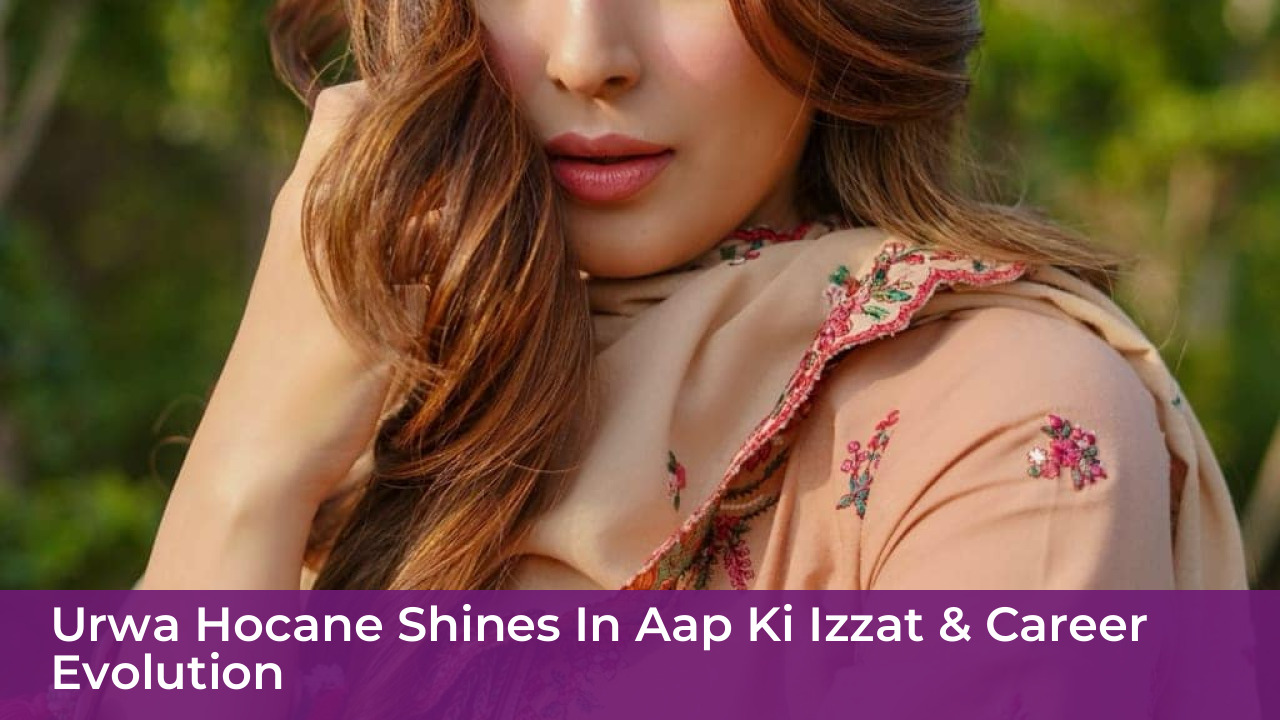
Television screens across the nation are currently dominated by a single name and a singular performance. Urwa Hocane is commanding national attention for her portrayal of Beena in the hit drama serial Aap Ki Izzat. Written by renowned dramatist Umera Ahmed and directed by Saife Hassan, the project has sparked intense cultural conversations across digital and traditional media platforms. Episode 15 delivered a seismic moment that pushed far beyond standard entertainment metrics. Instead of relying on predictable melodramatic tears, Urwa delivered a masterclass in emotional restraint. Her performance anchors a gritty narrative about long-term marital collapse, societal hypocrisy, and female dignity.
The Rise of Beena and Prime Time Impact
Viewers and industry peers rushed to social media platforms to praise the authenticity of the storytelling. Prominent actress Mahira Khan shared her appreciation online, while everyday fans flooded timelines with accolades for the gripping script and stellar acting execution. The central conflict revolves around Beena confronting her husband Tabish, played by Ahsan Khan, after fourteen years of shared history. The sequence resonated deeply because it directly challenges systemic double standards. It dismantles the comfortable tropes often packaged as romance in mainstream television.
This creative triumph highlights a broader cultural shift within regional broadcasting. Writers and directors are moving away from passive heroines who suffer in silence. They are embracing complex women who speak truth to power. By partnering with a visionary director like Saife Hassan, Urwa ensures that every frame breathes with realistic tension. The collaboration yields a product that respects viewer intelligence and demands active engagement from its audience.
Anatomy of the Viral Confrontation Scene
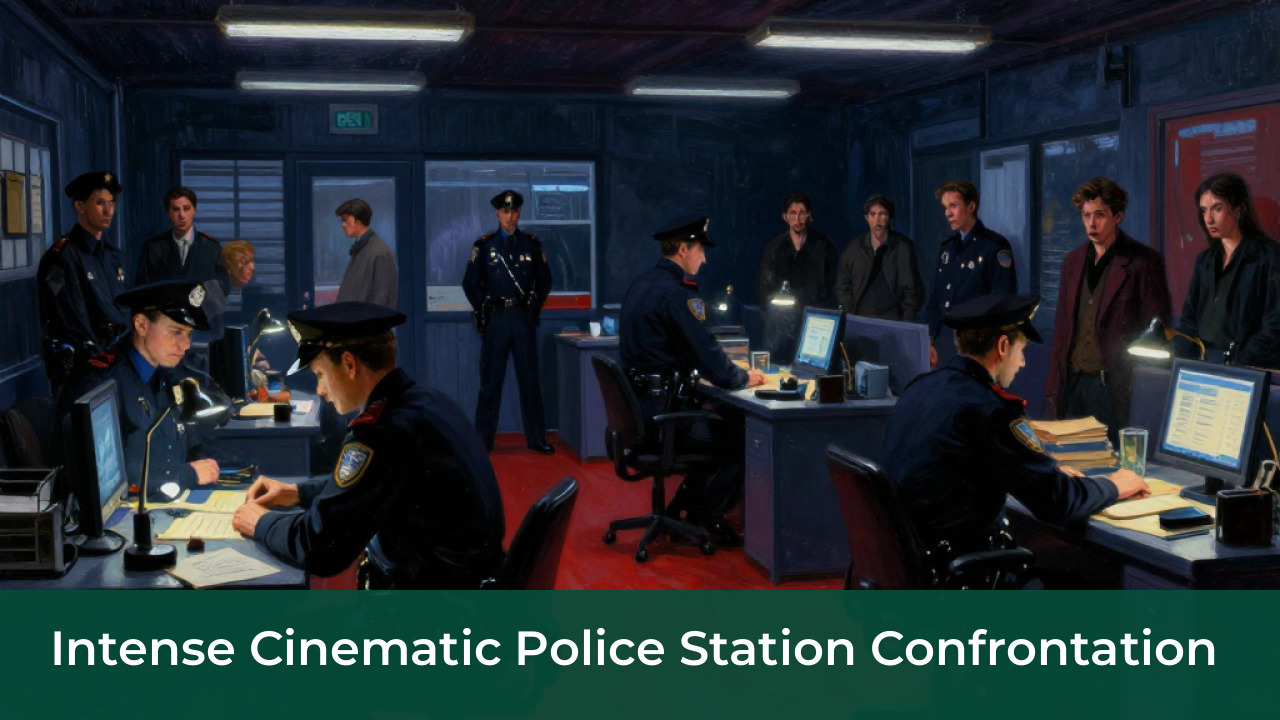
The conversation surrounding Aap Ki Izzat centers heavily on a tense police station sequence. Tabish attempts to defend his emotional betrayal and involvement with another woman by invoking selective religious provisions regarding polygamy. He leans heavily on the familiar defense of male entitlement. Beena refuses to accept this weaponized interpretation of faith. Her razor-sharp response cuts straight through the hypocrisy of domestic manipulation. Urwa projects an icy resolve that transforms Beena from a sympathetic victim into an unyielding force of reckoning.
Fans noted how the character left her husband completely speechless. The dialogue hits home because it mirrors real-world frustrations faced by women dealing with the institutional justification of infidelity. Umera Ahmed penned pen-shattering lines, and Urwa delivered them with absolute elegance and controlled fury. Industry observers point out that Pakistani television rarely addresses the misuse of religious texts within domestic disputes with such directness. Beena questions whether faith grants permission to humiliate a partner who built a life alongside her spouse from the ground up.
This single scene serves as a blueprint for progressive scriptwriting. It challenges the notion that a woman becomes disposable once a man attains wealth and social elevation. Through micro-expressions and precise vocal modulation, Urwa communicates a decade of suppressed pain and ultimate clarity. The sequence viral status across social channels proves that audiences are hungry for narratives that champion accountability over hollow reconciliation.
Career Evolution: From Early Projects to Complex Anti-Heroines
Urwa Hocane did not arrive at this career peak by accident. Her trajectory spans well over a decade, marked by calculated risks and a refusal to stay within comfortable boundaries. Early projects established her capability for youthful vulnerability, but she quickly pushed into darker, more socially charged territory. Her role as Meera in the socially conscious drama Udaari remains a watershed moment in television history. Tackling themes of exploitation, survival, and institutional stigma, Urwa proved she could carry emotionally demanding narratives with immense gravitas.
She immediately pivoted afterward to test her range in alternative formats. Playing Guddi in the theatrical series Mushk allowed her to shed the polished heroine image entirely. Guddi was loud, impulsive, imperfect, and wonderfully rough around the edges. Her cinematic footprint matches this versatility. Commercial blockbusters like Na Maloom Afraad, Punjab Nahi Jaungi, and Rangreza showcased her undeniable box office star power on the big screen. Throughout this journey, Urwa maintained vocal reservations about scripts that romanticize toxic relationships.
Her current choice of characters, particularly Beena, reflects a deliberate alignment between her personal philosophy and her professional output. She actively selects roles that dismantle patriarchal talking points. By refusing to play the helpless damsel, she carves out a unique lane in contemporary acting. This deliberate progression secures her status as a versatile performer capable of headlining high-stakes television and commercial cinema alike.
Production Ventures and Entrepreneurial Expansion
For years, public imagination linked Urwa and her sister Mawra Hocane together as an inseparable celebrity unit. However, both women have actively dismantled that narrative by building distinct professional empires. Urwa expanded her footprint beyond acting by stepping behind the camera to exercise creative control. As a producer, she brings a fresh perspective to content creation, ensuring that projects champion robust female narratives from inception to execution.
Blending artistic vision with sharp business acumen allows her to navigate the volatile media landscape with confidence. Producing feature films and television projects requires logistical precision and an understanding of shifting market demands. Urwa approaches these challenges with the same intensity she brings to her acting roles. This entrepreneurial leap shifts her industry standing from a salaried talent to a powerful stakeholder who shapes production trends.
The success of her independent ventures proves that modern artists must diversify their portfolios. By managing production houses and investing in creative businesses, she ensures long-term industry relevance. This business-minded approach separates her from contemporaries who rely solely on on-screen appearances. Her entrepreneurial journey serves as a blueprint for younger women entering the entertainment sector.
Balancing Motherhood, Marriage, and Media Scrutiny
Navigating the demands of a high-profile entertainment career alongside major personal milestones requires meticulous coordination. Urwa maintains a grounded household alongside her husband, actor and singer Farhan Saeed. Despite operating under constant media scrutiny, the couple manages to protect their personal space. They share glimpses of domestic life without compromising the privacy of their family milestones, striking a healthy balance between public accessibility and personal boundaries.
Managing the rigorous schedules of television shoots, film productions, and entrepreneurial ventures while raising a child demands immense discipline. Urwa credits her support system and structured routine for keeping her grounded. She frequently addresses the unrealistic expectations placed on working mothers in the public eye. By openly discussing the realities of balancing a thriving career with motherhood, she shatters the myth of effortless perfection.
As her artistry continues to evolve, so does her capacity to handle public curiosity. She uses her platform to advocate for realistic portrayals of women both on screen and in society. Her journey from a fresh-faced newcomer to a powerhouse producer and seasoned actress illustrates a masterclass in career longevity. The cultural impact of Beena ensures that Urwa Hocane remains a defining force in modern entertainment.
Frequently Asked Questions
- What is the name of the drama where Urwa Hocane plays Beena?
Urwa Hocane stars as Beena in the hit HUM TV drama serial Aap Ki Izzat.
- Who wrote the script for Aap Ki Izzat?
The acclaimed drama is written by renowned dramatist Umera Ahmed and directed by Saife Hassan.
- Why did the police station scene in Episode 15 go viral?
The scene went viral because Beena powerfully confronted her husband Tabish, dismantling his selective religious justifications for infidelity and marital betrayal.
- Are Urwa and Mawra Hocane business partners?
While they started their careers closely linked as a sister duo, both have successfully built distinct, independent professional empires in acting and production.