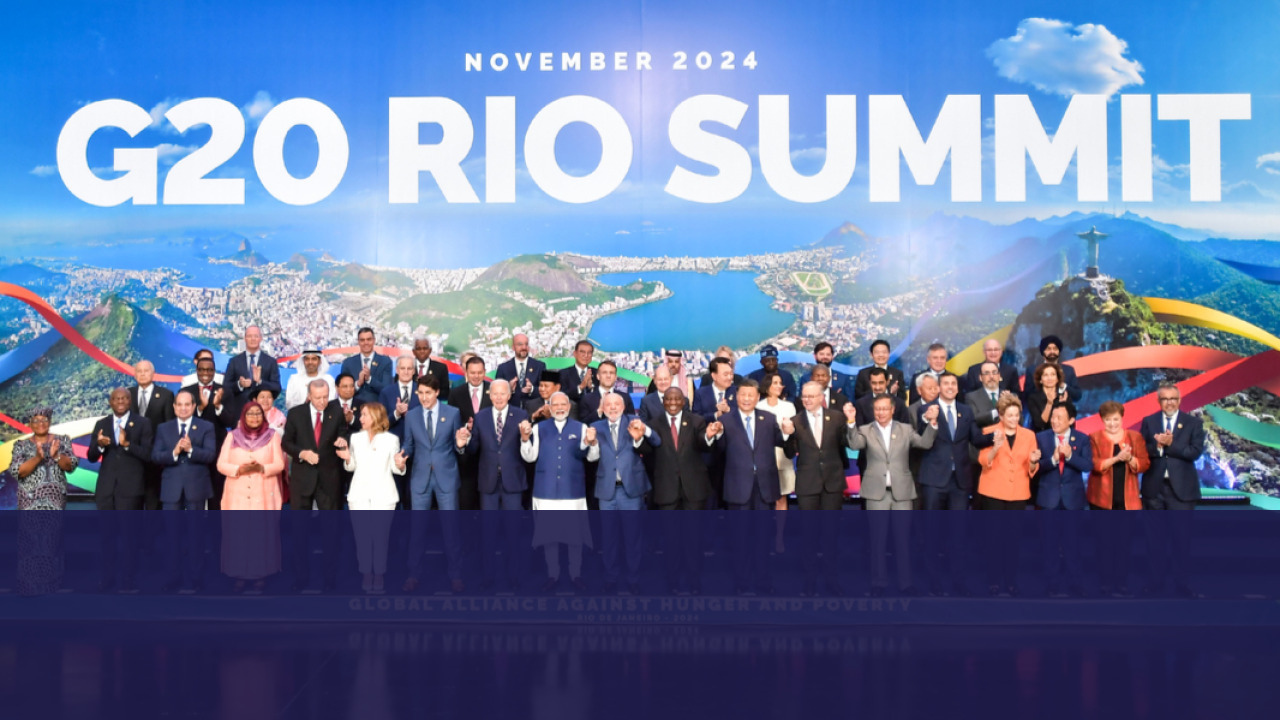
The global diplomatic landscape is shifting dramatically as the United States invites Russian President Vladimir Putin to attend the upcoming Group of 20 leaders’ summit. This high-profile gathering is scheduled for December at the Trump National Doral golf club in Miami, Florida. The announcement marks a profound reversal of long-standing Western policy aimed at isolating Moscow since the onset of the 2022 military conflict in Ukraine.
- US Extends Historic G20 Invitation to Vladimir Putin in Miami
- Secretary of State Marco Rubio Announces December Summit
- The Rationale Behind Direct Engagement
- Kremlin Response and In-Person Attendance History
- Diplomatic Context and the Rubio-Lavrov Meeting
- Closed-Door Discussions at the United Nations
- The Push for a Limited Energy Infrastructure Truce
- Strategic Obstacles to De-Escalation
- Global Reactions, European Anxieties, and Legislative Pressures
- Reactions from European Union Allies and Kyiv
- The Risk of Conflict Spillover
- Contrasting Congressional Sanctions
- Logistical and Political Implications for the Miami Summit
- Securing the Trump National Doral Venue
- Unanswered Questions Ahead of December
- Frequently Asked Questions
- When and where is the G20 summit taking place?
- Has Vladimir Putin accepted the invitation?
- When was the last time Putin attended a G20 summit in person?
- What is the proposed energy truce discussed by US and Russian officials?
US Extends Historic G20 Invitation to Vladimir Putin in Miami
Secretary of State Marco Rubio Announces December Summit
Secretary of State Marco Rubio revealed the formal G20 invitation during the United Nations General Assembly in New York on September 23, 2026. The choice of the Trump National Doral venue in Miami guarantees intense global media scrutiny and complex logistical preparations for the executive branch.
This development represents a sharp departure from the strict diplomatic quarantine that Washington enforced for nearly five years. The administration now calculates that bringing world leaders to Florida can jump-start stalled negotiations regarding the war in Eastern Europe.
The Rationale Behind Direct Engagement
Rubio defended the decision by emphasizing that face-to-face diplomacy remains necessary to resolve global conflicts. He stated that the administration believes the summit offers a constructive platform for Putin to interact directly with President Donald Trump and other international heads of state. Direct communication channels prevent dangerous miscalculations between nuclear-armed superpowers.
Although Russia retains its formal membership in the Group of 20, physical participation by its top leadership has stalled for years. Washington aims to test whether personal diplomacy can break the current battlefield stalemate and initiate meaningful peace talks before the end of the decade.
Kremlin Response and In-Person Attendance History
Russian leadership has not yet issued a formal public response regarding the Miami invitation or potential travel plans to the United States. Kremlin spokespersons maintain a cautious stance while evaluating the security and political implications of the American proposal.
Putin has not attended an in-person G20 summit since 2019, opting to skip subsequent gatherings held in various global capitals. He participated only briefly via a virtual video link during the 2023 session. International diplomats watch closely to see if security guarantees and political conditions will prompt the Russian president to break his long travel hiatus.
Diplomatic Context and the Rubio-Lavrov Meeting
Closed-Door Discussions at the United Nations
The summit announcement follows an extensive closed-door meeting between Marco Rubio and Russian Foreign Minister Sergei Lavrov on the sidelines of the United Nations General Assembly. Both diplomatic delegations reported no immediate breakthroughs regarding a comprehensive peace settlement for the ongoing war in Ukraine during these private talks.
Lavrov reiterated during a subsequent UN Security Council appearance that Moscow intends to pursue its military objectives regardless of external negotiation formats. Despite this hardline public posture, backchannel communications between Washington and Moscow have quietly intensified.
The Push for a Limited Energy Infrastructure Truce
Washington is actively pushing for a narrow cease-fire focused exclusively on critical energy infrastructure to stabilize global markets and curb inflation. The proposed truce aims to halt mutual strikes on Russian oil refineries and Ukrainian electrical grid facilities.
American officials calculate that limiting energy sector attacks will curb surging petroleum and diesel prices worldwide. , this targeted pause could serve as a valuable stepping stone for wider peace negotiations between Kyiv and Moscow.
Strategic Obstacles to De-Escalation
Substantial obstacles continue to block immediate de-escalation between the warring nations. Ukrainian refineries remain a primary revenue generator for Moscow, complicating any agreement to halt strikes against them. Meanwhile, Russian missile campaigns targeting Ukrainian power plants serve a vital military purpose for the Kremlin by crippling basic civilian services.
Rubio acknowledged that bridging these opposing strategic calculations requires extensive diplomatic patience and capital. Neither side is currently willing to surrender tactical advantages without receiving significant concessions in return.
Global Reactions, European Anxieties, and Legislative Pressures
Reactions from European Union Allies and Kyiv
European capitals voice deep reservations about softening the diplomatic stance toward Moscow, fearing a fractured Western front. Recent intelligence reports regarding suspected Russian hybrid operations and logistical sabotage across Europe heighten regional security anxieties among NATO members.
Ukrainian President Volodymyr Zelenskyy expresses cautious willingness to attend the December summit and hold face-to-face talks if conditions warrant. Kyiv maintains that tangible results and strategic guarantees outweigh mere rhetoric when attempting to end the multi-year conflict.
The Risk of Conflict Spillover
Rubio addressed European concerns by warning that the localized war carries a persistent risk of metastasizing into neighboring territories. Accidental military clashes and large-scale cyber disruptions remain constant threats to broader regional stability.
The Miami summit serves as an arena to address these systemic risks directly with Russian representatives. Establishing direct lines of communication helps mitigate the danger of an accidental escalation between Russia and NATO.
Contrasting Congressional Sanctions
The United States Congress recently passed a sweeping sanctions package authorizing severe tariffs on major purchasers of Russian energy, including large economies like China and India. Political observers highlight the stark contrast between aggressive legislative penalties and the executive branch willingness to host the Russian head of state on American soil.
This dual-track approach reflects a complex mix of economic pressure and diplomatic outreach. The administration utilizes economic leverage to weaken Russia’s war machine while simultaneously offering a seat at the diplomatic table.
Logistical and Political Implications for the Miami Summit
Securing the Trump National Doral Venue
Hosting Vladimir Putin in Miami requires unprecedented security protocols for heads of state from nineteen major economies, alongside representatives from the European Union and the African Union. Law enforcement agencies are coordinating massive operational plans across local, state, and federal jurisdictions to guarantee absolute safety.
The Trump National Doral resort will undergo complete lockdown procedures weeks before the event begins. Secret Service agents and international security teams must coordinate every movement to protect the world’s most heavily guarded leaders.
Unanswered Questions Ahead of December
Several vital questions remain unanswered as preparations for the December summit move forward:
- Will the Kremlin officially confirm Putin’s travel plans to the United States before the event?
- Can the proposed energy infrastructure cease-fire materialize in time to improve the diplomatic climate?
- What specific bilateral outcomes will Washington demand to justify a formal one-on-one meeting between Trump and Putin?
- How will European Union leaders and Ukrainian representatives coordinate their attendance alongside the Russian delegation?
Frequently Asked Questions
When and where is the G20 summit taking place?
The G20 summit is scheduled for December at the Trump National Doral golf club in Miami, Florida.
Has Vladimir Putin accepted the invitation?
As of late September 2026, the Kremlin has not yet issued a public response or confirmation regarding whether President Putin will attend the Miami summit in person.
When was the last time Putin attended a G20 summit in person?
Putin last attended an in-person G20 summit in 2019. He skipped subsequent meetings and participated via video link only during the 2023 session.
What is the proposed energy truce discussed by US and Russian officials?
The proposed energy truce is a limited cease-fire framework aimed at halting mutual attacks on critical infrastructure, specifically targeting Russian oil refineries and Ukrainian electrical power grids.