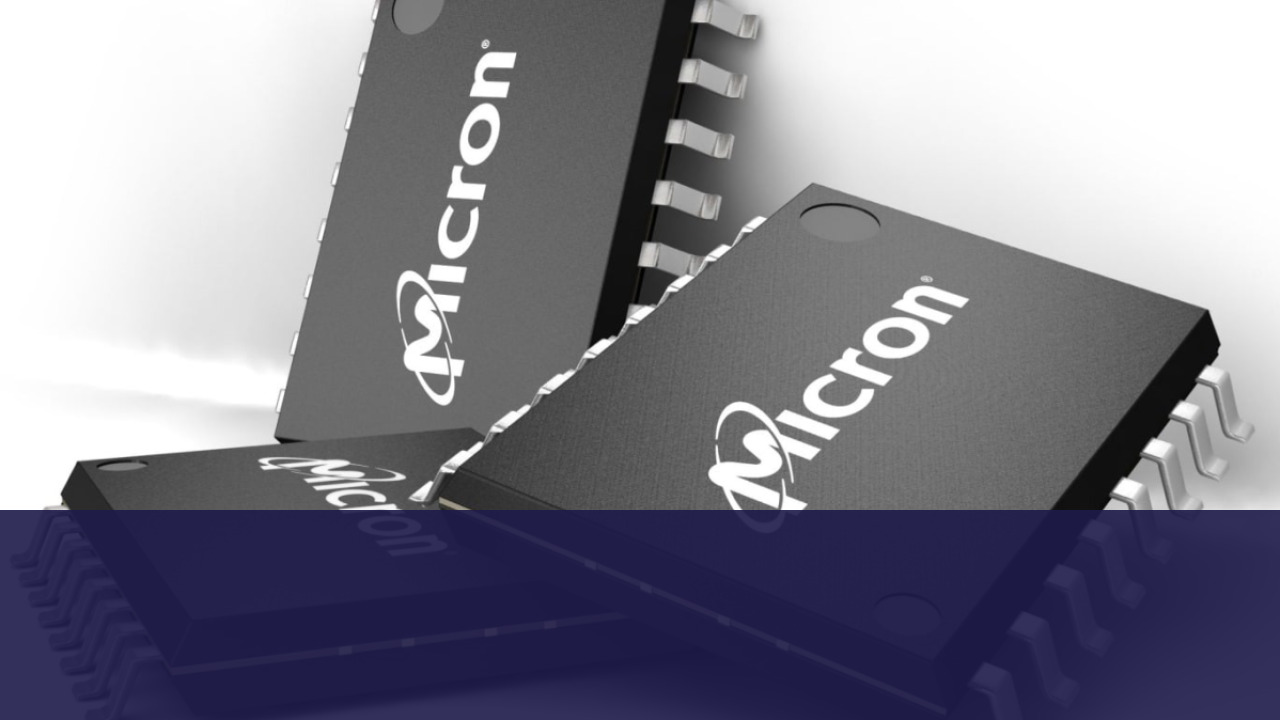
Micron Technology heads toward its fiscal fourth-quarter earnings release on September 30, 2026, capturing intense market focus as a vital hardware supplier for global artificial intelligence infrastructure. The organization stands at the center of the global hardware boom, supplying vital memory components for modern computing systems. Analysts and institutional investors monitor every metric as company leaders balance unprecedented revenue projections against persistent manufacturing constraints across the semiconductor sector.
- Introduction to Micron Technology and the September 30 Earnings Event
- Wall Street Estimates and Financial Projections
- Blockbuster Revenue and Earnings Forecasts
- Gross Margin Expansion and Bullish Analyst Targets
- High-Bandwidth Memory and AI Infrastructure Drivers
- Hyperscale Cloud Spending and Hardware Requirements
- Commercial Milestones in Advanced Memory Segments
- Supply Constraints and Long-Term Capacity Realities
- Structural Shortages and Manufacturing Limits
- Strategic Customer Contracts and Revenue Security
- Valuation Dynamics and Market Sentiment
- P/E Multiples and Historical Cyclicality Shifts
- Emerging Secondary Demand Waves
- Key Metrics Investors Should Watch on September 30
- Frequently Asked Questions
- What time is the Micron Q4 earnings release?
- Why is HBM memory so important for Micron?
- How are long-term supply contracts affecting Micron’s revenue?
Introduction to Micron Technology and the September 30 Earnings Event
As artificial intelligence expansion accelerates across global enterprise markets, specialized memory hardware serves as the primary bottleneck for new data center deployments. Micron Technology occupies a central role in this ecosystem, providing high-capacity storage and processing memory required by hyperscale cloud operators. The upcoming earnings report scheduled for September 30 will provide definitive data on whether supply chain pricing power and extreme demand can outweigh historical cyclicality concerns.
Market participants expect record-breaking financial figures that reflect heavy capital expenditures directed toward artificial intelligence infrastructure by major technology firms. Management commentary during the call will likely shape market expectations for the entire semiconductor space well into the coming fiscal year.
Wall Street Estimates and Financial Projections
Blockbuster Revenue and Earnings Forecasts
Financial analysts project stellar performance numbers for the upcoming fiscal fourth-quarter report. Consensus estimates point toward total quarterly revenue reaching approximately $50.8 billion, easily surpassing corporate guidance figures near $50 billion.
This anticipated figure represents a staggering year-over-year increase of roughly 350% compared to the same period in fiscal 2025. Profitability metrics show even sharper expansion across financial statements. Wall Street consensus models target non-GAAP earnings of $31.28 per share, marking a massive surge compared to prior historical results.
- Consensus estimates point toward total quarterly revenue reaching approximately $50.8 billion, surpassing corporate guidance near $50 billion.
- Anticipated figures represent a year-over-year increase of roughly 350% compared to fiscal 2025.
- Wall Street consensus models target non-GAAP earnings of $31.28 per share.
Gross Margin Expansion and Bullish Analyst Targets
Gross margins remain a primary point of discussion among financial institutions tracking memory manufacturers. Non-GAAP gross margins hit 84.9% during the third quarter, and management guidance indicates potential expansion toward 86% for the fourth quarter.
Goldman Sachs analyst James Schneider notes that continued tightness in DRAM and NAND markets could push actual results even higher. He estimates revenue at $51.9 billion alongside an 87.3% gross margin and earnings of $32.54 per share due to extreme pricing leverage.
- Non-GAAP gross margins hit 84.9% during the third quarter, with management guidance indicating potential expansion toward 86% for the fourth quarter.
- Goldman Sachs analyst James Schneider estimates revenue at $51.9 billion, an 87.3% gross margin, and earnings of $32.54 per share due to tight DRAM and NAND markets.
High-Bandwidth Memory and AI Infrastructure Drivers
Hyperscale Cloud Spending and Hardware Requirements
The primary catalyst behind these financial milestones is relentless corporate spending on artificial intelligence data centers. Hyperscale cloud providers and enterprise buyers continue deploying massive capital budgets into foundational hardware to train and run complex models.
Industry data indicates that major technology corporations invest roughly $750 billion in AI infrastructure throughout the current year, with projections for the following year expected to cross the $1-trillion threshold.
- Major technology corporations invest roughly $750 billion in AI infrastructure throughout the current year, with next year projected to cross the $1-trillion threshold.
- Micron supplies high-bandwidth memory, advanced DDR5 modules, and enterprise NAND solid-state drives to data centers.
Commercial Milestones in Advanced Memory Segments
Within this ecosystem, specialized hardware components dictate operational limits. Micron supplies high-bandwidth memory, advanced DDR5 modules, and enterprise NAND solid-state drives to data center and edge computing architectures.
High-bandwidth memory variants, particularly advanced generations like HBM4, already generate over $1 billion in quarterly revenue. Cloud memory sales alone reached $13.77 billion in the preceding quarter, demonstrating the sheer volume of enterprise consumption.
- High-bandwidth memory variants, particularly advanced generations like HBM4, generate over $1 billion in quarterly revenue.
- Cloud memory sales reached $13.77 billion in the preceding quarter.
Supply Constraints and Long-Term Capacity Realities
Structural Shortages and Manufacturing Limits
Unprecedented demand has created severe structural shortages throughout the memory supply chain. Semiconductor manufacturing facilities operate at maximum capacity, yet wafer output fails to keep pace with incoming orders from artificial intelligence developers.
Chief Executive Sanjay Mehrotra emphasizes that modern computing infrastructure relies entirely on memory availability. He notes that current supply tightness will persist well beyond calendar year 2027.
- Semiconductor manufacturing facilities operate at maximum capacity, while wafer output trails incoming orders from AI developers.
- Chief Executive Sanjay Mehrotra notes that current supply tightness will persist well beyond calendar year 2027.
- New fabrication plants require years of construction and billions in capital expenditures before producing commercial wafers.
Strategic Customer Contracts and Revenue Security
New fabrication plants require years of construction and billions of capital expenditures before producing commercial wafers. Most new industry capacity will not come online until mid-2027 or 2028, maintaining elevated pricing power.
To lock in supply chains, major technology buyers have signed long-term agreements. Micron has secured 16 strategic customer contracts featuring a combined minimum-price revenue of approximately $100 billion over their respective terms.
- Micron has secured 16 strategic customer contracts featuring a combined minimum-price revenue of approximately $100 billion over their respective terms.
Valuation Dynamics and Market Sentiment
P/E Multiples and Historical Cyclicality Shifts
Despite extraordinary share price appreciation, equity valuations remain modest relative to broader technology sector averages. Micron shares trade at a trailing price-to-earnings ratio of roughly 21, while forward-looking metrics place the multiple near 6.2 times earnings.
This discount persists because historical memory cycles involved severe price crashes and cyclical downturns. However, analysts argue that structural shifts driven by artificial intelligence alter traditional cyclicality patterns.
- Micron shares trade at a trailing price-to-earnings ratio of roughly 21, while forward-looking metrics place the multiple near 6.2 times earnings.
- Structural shifts driven by artificial intelligence alter traditional historical memory price crashes and cyclical downturns.
Emerging Secondary Demand Waves
Demand diversification provides additional security for long-term holders. Beyond cloud servers and data centers, emerging sectors such as robotics and autonomous vehicles require massive memory density.
Industrial automation and humanoid robotic systems require memory capacities up to ten times greater than standard automotive advanced driver assistance systems, creating a secondary demand wave that extends well into the next decade.
- Robotics and autonomous vehicles require massive memory density, with humanoid robotic systems demanding memory capacities up to ten times greater than standard automotive advanced driver assistance systems.
Key Metrics Investors Should Watch on September 30
Market participants will scrutinize specific operational indicators when the fiscal fourth-quarter figures are published. A decisive beat on these operational metrics could trigger renewed institutional buying, potentially pushing the equity past previous historical highs.
Conversely, any unexpected guidance indicating faster-than-anticipated supply normalization may introduce short-term volatility as the market reassesses peak margin assumptions.
- Actual gross margin percentages compared to the projected 86% target.
- Average selling price trends across standard DRAM and NAND product lines.
- Updated guidance figures for the upcoming fiscal quarter and full-year outlook.
- Market share stability within the competitive high-bandwidth memory sector.
- Capital expenditure plans regarding new manufacturing facility construction and cleanroom expansions.
Frequently Asked Questions
What time is the Micron Q4 earnings release?
Micron Technology releases its fiscal fourth-quarter financial results after the market close on September 30, followed by a live conference call with executive management.
Why is HBM memory so important for Micron?
High-bandwidth memory pairs directly with advanced graphics processors to feed data rapidly during AI model training, commanding premium prices and generating high gross margins.
How are long-term supply contracts affecting Micron’s revenue?
Multi-year agreements with major technology buyers guarantee fixed minimum purchase volumes, securing long-term revenue predictability and insulating the manufacturer against sudden market downturns.