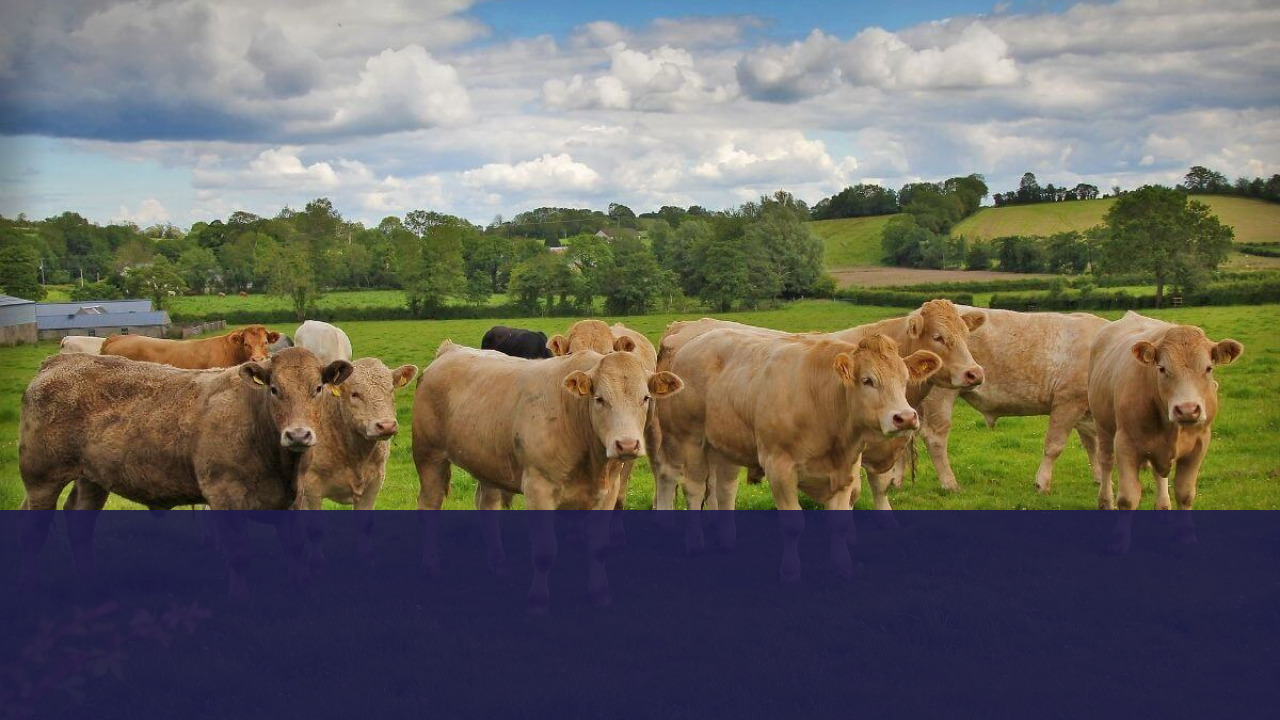
Former U.S. Agriculture Secretary Mike Johanns delivers a sharp rebuke of the federal government during the Ag Outlook Forum in Kansas City, targeting the administration’s decision to permit 300,000 metric tons of foreign lean beef to enter the United States tariff-free over 90 days. The policy aimed to lower ground beef prices for consumers battling inflation, but it triggered immediate backlash across cattle country by undercutting domestic producers. This article examines the economic fallout, political pressure on rural lawmakers, and alternative USDA proposals aimed at calming the livestock sector.
- The Kansas City Forum Rebuke
- Targeting Tariff-Free Imports
- Estimated Financial Losses for Ranchers
- Economic Reality of the Cattle Cycle
- Boom and Bust Dynamics
- The Fragility of Recent Profitability
- Political Fallout Among Rural Lawmakers
- Dilemma in Conservative Strongholds
- Administration Defense and Congressional Skepticism
- USDA Counter-Initiatives and Processing Reforms
- Proposed Assistance Programs
- Challenging Meat-Processing Monopolies
- Comparative Market Stabilization Strategies
- Looking Ahead for the U.S. Beef Industry
- Balancing Affordability and Supply Security
- The Path Forward
The Kansas City Forum Rebuke
Former U.S. Agriculture Secretary Mike Johanns addressed a packed room of agricultural stakeholders during the high-profile Ag Outlook Forum in Kansas City. As a former Nebraska governor and U.S. senator, Johanns brings deep credibility to agricultural debates. He focused his critique squarely on the White House decision to allow 300,000 metric tons of foreign lean beef into domestic markets without tariffs over a 90-day window. Johanns argued that this initiative penalizes domestic cattle producers who are only beginning to stabilize financially after prolonged hardships.
Agricultural leaders contend that flooding the market with foreign supply suppresses domestic cattle values precisely when ranchers attempt to rebuild depleted herds. Johanns estimated that the market disruption stripped between $250 and $500 per head in value from domestic cattle. This sudden drop in valuation disrupts revenue expectations during the critical autumn marketing season when ranchers bring calves to auction. The intervention sparked immediate outrage across cattle-producing states, transforming the federal trade policy into a major political liability.
Targeting Tariff-Free Imports
- The administration authorized 300,000 metric tons of foreign lean beef to enter the U.S. without tariffs over a 90-day period.
- Mike Johanns argued this measure directly penalizes domestic cattle producers who are only beginning to stabilize financially after prolonged hardships.
- Agricultural leaders contend that flooding the market with foreign supply suppresses domestic cattle values precisely when ranchers attempt to rebuild depleted herds.
Estimated Financial Losses for Ranchers
- Johanns estimated that the market disruption stripped between $250 and $500 per head in value from domestic cattle.
- The sudden drop in valuation disrupts revenue expectations during the critical autumn marketing season when ranchers bring calves to auction.
Economic Reality of the Cattle Cycle
To understand the intensity of the pushback against the White House, analysts must examine the multi-year boom and bust nature of the American cattle cycle. Producers navigate prolonged periods of contraction driven by environmental pressures, feed costs, and disease outbreaks. Johanns highlighted the severe financial distress defining the past two decades for independent ranchers. Out of the last twenty years, ranchers experienced ten to twelve years of net operating losses.

A small fraction of years yielded break-even returns at best, forcing producers to rely heavily on sympathetic local lenders to survive. Recent improvements in cattle prices finally offered producers the liquidity needed to repair balance sheets, upgrade equipment, or expand operations. When the administration announced the temporary suspension of tariffs on foreign beef, that newfound optimism fractured instantly. Producers who anticipated using profitability to retain heifers and rebuild herd numbers instead confronted falling market projections. Johanns emphasized that government intervention during a rare profitable phase of the cycle penalizes the very people who weathered years of uncompensated losses.
Boom and Bust Dynamics
- Producers navigate prolonged cycles of contraction driven by environmental pressures, feed costs, and disease outbreaks.
- Johanns highlighted that out of the past twenty years, independent ranchers experienced ten to twelve years of net operating losses.
- Break-even returns occurred only in a small fraction of years, forcing producers to rely heavily on local lenders.
The Fragility of Recent Profitability
- Recent improvements in cattle prices finally offered producers the liquidity needed to repair balance sheets and upgrade equipment.
- When the administration announced the temporary suspension of tariffs, optimism fractured, and market projections turned negative.
- Intervention during a rare profitable phase discourages producers from retaining heifers to grow herd numbers.
Political Fallout Among Rural Lawmakers
The controversy creates a complex political dilemma for conservative lawmakers representing rural districts in states like South Dakota, Nebraska, Kansas, Iowa, and Montana. While these states overwhelmingly supported Donald Trump in his bid for a second term, representatives now face intense constituent pressure. Senate Majority Leader John Thune and Senator Mike Rounds of South Dakota publicly voiced concerns, noting that the policy feels like a sudden betrayal to loyal supporters.
U.S. Trade Representative Jamieson Greer and Agriculture Secretary Brooke Rollins subsequently met with congressional Republicans to defend the strategy. Administration officials maintained that the import surge is strictly temporary, intended to offer immediate relief to grocery shoppers while long-term herd-building measures take effect. Despite these assurances, lawmakers remain skeptical. Representatives argue that the 90-day window coincides directly with the autumn marketing season when ranchers bring calves to auction. A sudden drop in market valuation during this critical revenue window limits the capital available for herd retention and winter feed purchases.
Dilemma in Conservative Strongholds
- Conservative lawmakers representing rural districts face intense constituent pressure despite strong voter loyalty in states like South Dakota, Nebraska, Kansas, Iowa, and Montana.
- Senate Majority Leader John Thune and Senator Mike Rounds voiced concerns, noting the policy feels like a sudden betrayal.
Administration Defense and Congressional Skepticism
- U.S. Trade Representative Jamieson Greer and Agriculture Secretary Brooke Rollins met with congressional Republicans to defend the strategy.
- Officials maintained the import surge is strictly temporary to offer immediate relief to grocery shoppers while long-term herd-building measures take effect.
- Lawmakers remain skeptical because the 90-day window coincides with peak autumn marketing activity.
USDA Counter-Initiatives and Processing Reforms
In response to mounting pressure from the agricultural sector, the U.S. Department of Agriculture introduced alternative programs designed to appease producers. These measures include financial incentives to promote heifer retention, grants to expand local and regional processing capacity, and stricter enforcement of U.S.-origin beef labeling rules. , President Trump announced intentions to dismantle the dominant meat-processing conglomerates that control the majority of the market.
By authorizing legal frameworks to allow farmers and ranchers to process their own food and sell across state lines, the administration hopes to bypass the dominant four processing giants. However, industry analysts and legal experts question the immediate viability of these proposals. Strict federal inspection requirements governed by the Federal Meat Inspection Act require legislative action rather than executive orders alone. Bills aimed at easing inspection hurdles for small-scale local processors have historically faced hurdles in Congress, creating uncertainty regarding how quickly alternative processing frameworks can materialize.
Proposed Assistance Programs
- The U.S. Department of Agriculture introduced financial incentives to promote heifer retention and rebuild herd numbers.
- Grants aim to expand local and regional processing capacity to increase competition and give ranchers viable alternatives.
- Stricter enforcement of U.S.-origin beef labeling rules seeks to protect domestic product identification.
Challenging Meat-Processing Monopolies
- President Trump announced intentions to dismantle the dominant processing conglomerates that control the majority of the market.
- Legal frameworks are proposed to allow farmers and ranchers to process their own food and sell across state lines.
- Industry analysts question the immediate viability of these proposals due to strict federal inspection requirements governed by the Federal Meat Inspection Act.
Comparative Market Stabilization Strategies
To evaluate the trade-offs between consumer relief and producer stability, federal policymakers weigh multiple structural interventions. The table below outlines key strategies, their primary objectives, anticipated impacts, and associated risks.
| Strategy Proposal | Primary Objective | Anticipated Industry Impact | Potential Risks |
|---|---|---|---|
| Tariff-Free Import Quota | Lower consumer ground beef prices rapidly over 90 days. | Reduces domestic cattle values by $250 to $500 per head. | Discourages herd rebuilding and alienates agricultural base. |
| Heifer Retention Programs | Encourage ranchers to hold back breeding stock. | Supports long-term supply expansion and herd recovery. | Requires upfront capital and delays short-term cash flow. |
| Decentralized Local Processing | Break corporate monopolies and lower barriers. | Increases market competition and local processing margins. | Faces severe regulatory hurdles and requires legislative reform. |
| Public Land Grazing Expansion | Increase forage access to lower feed costs. | Lowers operational overhead during drought conditions. | Encourages conflicts over environmental management. |
Looking Ahead for the U.S. Beef Industry
The friction between consumer affordability and producer profitability highlights a fundamental structural challenge in American agricultural policy. While the White House seeks immediate relief for inflation-weary shoppers, agricultural veterans like Mike Johanns maintain that sacrificing the financial health of domestic producers creates severe long-term vulnerabilities in the national food supply chain. Without domestic supply security, the nation remains exposed to external trade shocks.
As the 90-day tariff exemption window progresses, the focus shifts toward whether USDA incentive programs and processing reforms can offset the immediate market losses experienced by ranchers. Harmonizing international trade policy with domestic livestock incentives remains essential to resolve ongoing tensions in cattle country. Without a unified approach, political resistance from rural strongholds will continue to challenge federal agricultural mandates.
Balancing Affordability and Supply Security
- The friction between consumer affordability and producer profitability highlights a fundamental structural challenge in American agricultural policy.
- Sacrificing the financial health of domestic producers creates severe long-term vulnerabilities in the national food supply chain.
The Path Forward
- As the 90-day tariff exemption window progresses, focus shifts toward whether USDA incentive programs can offset immediate market losses.
- Harmonizing international trade policy with domestic livestock incentives remains essential to resolve ongoing tensions in cattle country.