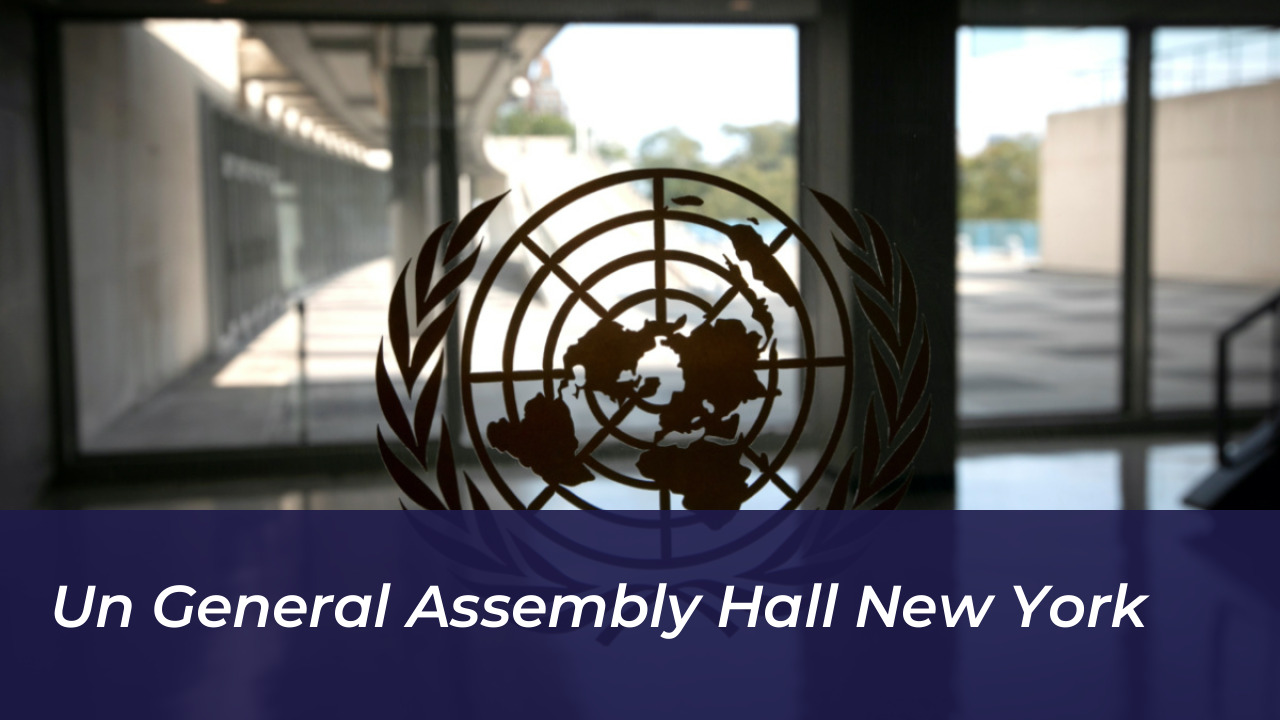
World leaders gathered at United Nations Headquarters in New York for the 81st session of the General Assembly, engaging in high-stakes debates over international security, structural reforms, and bilateral diplomacy. Against a backdrop of widening geopolitical fractures, speeches delivered by heads of state highlighted deep divisions on regional conflicts, multilateral governance, and the future of global alliances. This annual gathering acts as the primary global barometer for national foreign policy priorities across all 193 Member States, testing the limits of modern diplomacy.
- Introduction to the 81st Session of the UN General Assembly
- Structural Paralysis and the Push for Security Council Reform
- Brazil and Developing Nations Demand Expansion
- The Veto Power Controversy
- Regional Flashpoints: Middle East Crises and Tehran Defiance
- Iranian Posture and American Restrictions
- Palestinian Representation and Israeli Strategy
- European Security and the Russia-Ukraine War
- Split-Screen Diplomacy and Parallel Power Dynamics
- Latin American Realignment: Venezuela’s New Oil Framework
- Climate Finance, Health Preparedness, and Sustainable Development
- Closing the Gap on Sustainable Development Goals
- Global Health and Pandemic Prevention
- Human Rights, Nuclear Disarmament, and Future Outlook
Introduction to the 81st Session of the UN General Assembly
The high-level week of the 81st session opened under the presidency of Khalilur Rahman of Bangladesh, who set the agenda around the theme of restoring trust and managing multilateral transformation. As António Guterres enters the final months of his second and final term as Secretary-General, the assembly faces monumental pressures regarding its peacekeeping efficacy and relevance in modern conflict resolution.
The general debate serves as the primary global barometer for national priorities. Representatives from all 193 Member States take to the green marble podium to outline foreign policy stances, confront adversaries, and lobby allies. Behind closed doors, intense bilateral negotiations seek to prevent ongoing flashpoints from escalating into wider systemic crises.
Structural Paralysis and the Push for Security Council Reform
Brazil and Developing Nations Demand Expansion
Opening the general debate, Brazilian President Luiz Inácio Lula da Silva delivered a sharp critique of international institutions. Lula asserted that the United Nations must transform back into a temple of peace, warning that widespread paralysis of the Security Council renders the global body ineffective. Lula criticized the persistent use of veto powers by permanent members, arguing that member states remain collective hostages to diplomatic inaction.
With armed conflicts reaching multi-decade highs, Brazil renewed its long-standing call for comprehensive structural expansion and reform of the Security Council to ensure adequate representation for developing nations. Developing economies argue that governance models established in the mid-twentieth century no longer reflect contemporary demographic or economic realities.
The Veto Power Controversy
Examining how the persistent use of permanent veto powers blocks binding resolutions on major global conflicts reveals a deep structural flaw. Major powers utilize their privileged positions to shield allies or protect strategic interests, effectively paralyzing the organization during humanitarian emergencies.
Member states remain collective hostages to diplomatic inaction amid multi-decade highs in armed conflicts. Without fundamental changes to the voting architecture, the Security Council risks losing its remaining authority as the ultimate arbiter of international peace and security.
Regional Flashpoints: Middle East Crises and Tehran Defiance
Iranian Posture and American Restrictions
Iranian President Masoud Pezeshkian delivered a defiant wartime address during the second day of the session. He rejected accusations of state-sponsored terrorism and asserted that Tehran would fiercely maintain its national sovereignty against persistent American pressure. The speech followed months of volatile military exchanges involving Iran, Israel, and the United States.
Tighter visa restrictions and strict travel boundaries imposed by Washington limited the size and movement of the Iranian delegation within New York. Despite these logistical barriers, Tehran utilized the platform to reject Western claims linking state policy to international militant networks and to demand an immediate halt to economic sanctions.
Palestinian Representation and Israeli Strategy
Palestinian representation remained a contentious issue as the United States denied entry visas to Palestinian Authority President Mahmoud Abbas for the second consecutive year. Abbas delivered a pre-recorded statement enabled by an overwhelming General Assembly vote, highlighting ongoing disputes over statehood and territorial sovereignty.
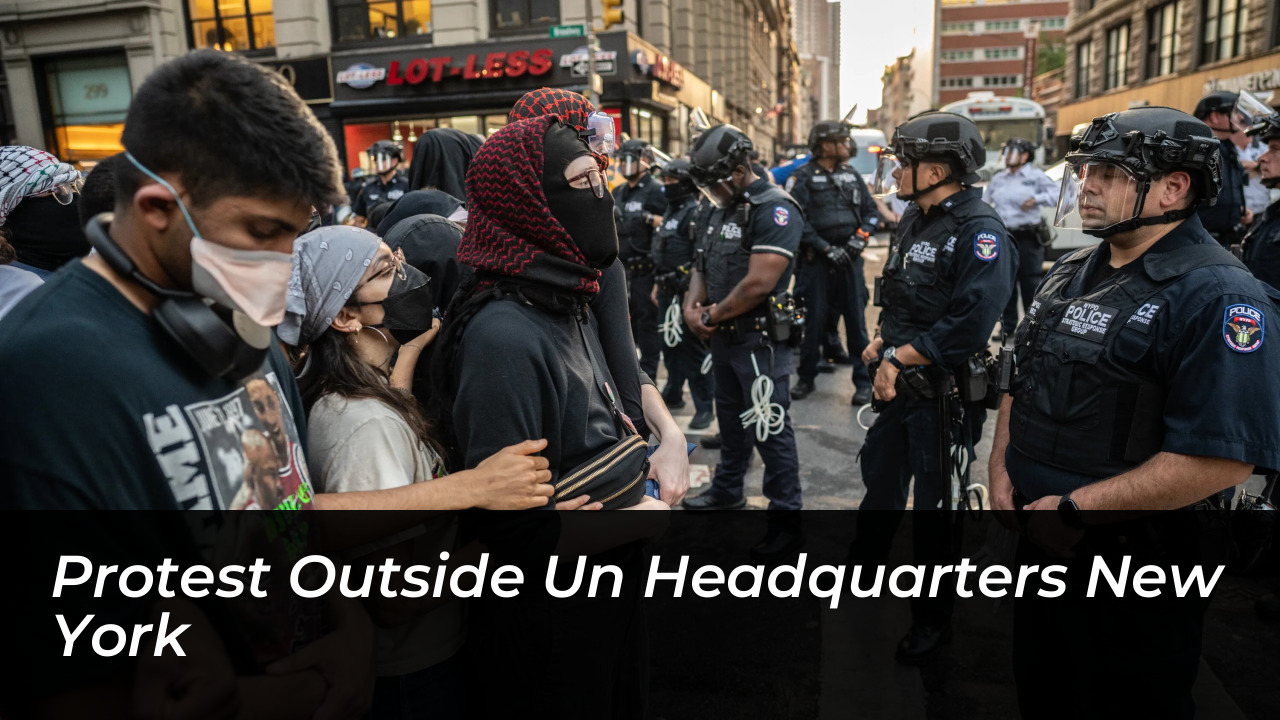
Concurrently, Israeli Prime Minister Benjamin Netanyahu utilized his platform to defend military campaigns in Gaza and outline strategic imperatives regarding Iran. His address drew both vehement opposition from regional blocs and planned demonstrations across New York City, underscoring the deep polarization surrounding the conflict.
European Security and the Russia-Ukraine War
Entering the fifth year of full-scale conflict, the war in Ukraine remained a central point of contention during the high-level week. Ukrainian President Volodymyr Zelenskyy addressed the assembly to rally dwindling European financial and military support ahead of harsh winter conditions.
Moscow continues to utilize its permanent veto on the Security Council to block binding resolutions regarding the invasion. Russian Foreign Minister Sergey Lavrov scheduled meetings on the sidelines with United States Secretary of State Marco Rubio, while maintaining hardline positions on territorial control and regional security architectures.
Intersecting diplomatic goals involving major international actors highlight the difficulty of achieving a negotiated settlement. European nations face mounting economic fatigue, while Eastern European capitals demand stronger security guarantees against potential territorial spillover.
Split-Screen Diplomacy and Parallel Power Dynamics
Diplomatic dynamics at the UN were complicated by parallel geopolitical engagements. While lower-ranking delegates populated the General Assembly hall, major power dynamics shifted to Washington, where bilateral leadership summits took center stage.
Chinese President Xi Jinping bypassed the New York gathering, sending senior representatives instead, mirroring a pattern established during previous sessions. Analysts noted this split-screen diplomacy highlights a growing structural disconnect where smaller nations voice concerns in empty halls while major bilateral bargains occur behind closed doors.
Latin American Realignment: Venezuela’s New Oil Framework
Following the ouster and detention of former Venezuelan leader Nicolás Maduro by U.S. forces, interim leader Delcy Rodríguez made her diplomatic debut at the United Nations.
Rodríguez defended a newly brokered oil framework granting the Pentagon and U.S. corporations operational access to key Venezuelan petroleum reserves. While Washington defended the arrangement as a pragmatic step toward financial stability, regional critics questioned the long-term democratic roadmap for Caracas.
Secretary of State Rubio maintained that immediate domestic elections remain off the table until structural security benchmarks are met, leaving the country in a delicate geopolitical transition.
Climate Finance, Health Preparedness, and Sustainable Development
Closing the Gap on Sustainable Development Goals
With the 2030 deadline for the Sustainable Development Goals rapidly approaching, Secretary-General António Guterres convened specialized sessions on climate finance and ecological transition. Low-lying island states and developing nations emphasized the compounding threats of rising sea levels and extreme weather anomalies.
Discussions centered on mobilizing private capital and fulfilling historical climate finance pledges made by industrialized economies. Leaders warned that failure to accelerate renewable energy deployment will permanently lock vulnerable regions into inescapable economic and humanitarian crises.
Global Health and Pandemic Prevention
Reflecting on the systemic failures exposed by COVID-19, member states reviewed frameworks for future pandemic prevention and response. Inequality in vaccine distribution and medical supply chains dominated technical panels.
Health ministers pushed for legally binding international instruments to govern pathogen sharing and manufacturing equity. Experts stressed that decentralized manufacturing networks in the Global South remain essential to preventing localized outbreaks from escalating into global health emergencies.
Human Rights, Nuclear Disarmament, and Future Outlook
Marking the 40th anniversary of the Declaration on the Right to Development, member states reaffirmed commitments to poverty reduction and economic equity, though tangible financial backing lagged behind rhetorical support.
Addressing the total elimination of nuclear weapons amidst ongoing modernization programs by nuclear-armed states proved equally challenging. Delegations debated the erosion of legacy arms control treaties and the rising risks of accidental escalation in a multipolar world.
Evaluating the long-term efficacy of multilateral diplomacy requires acknowledging deep institutional shortcomings. While the General Assembly remains an indispensable forum for global dialogue, translating high-level debates into binding actions remains the ultimate unresolved test for international governance.