As Pakistan navigates the mid-point of 2026, the promise of a truly “Digital Pakistan” faces a stark reality. According to the latest GSMA State of Mobile Internet Connectivity 2026 report, a significant disparity persists: only 50% of rural Pakistani adults actively use mobile internet, compared to 65% in urban centers.
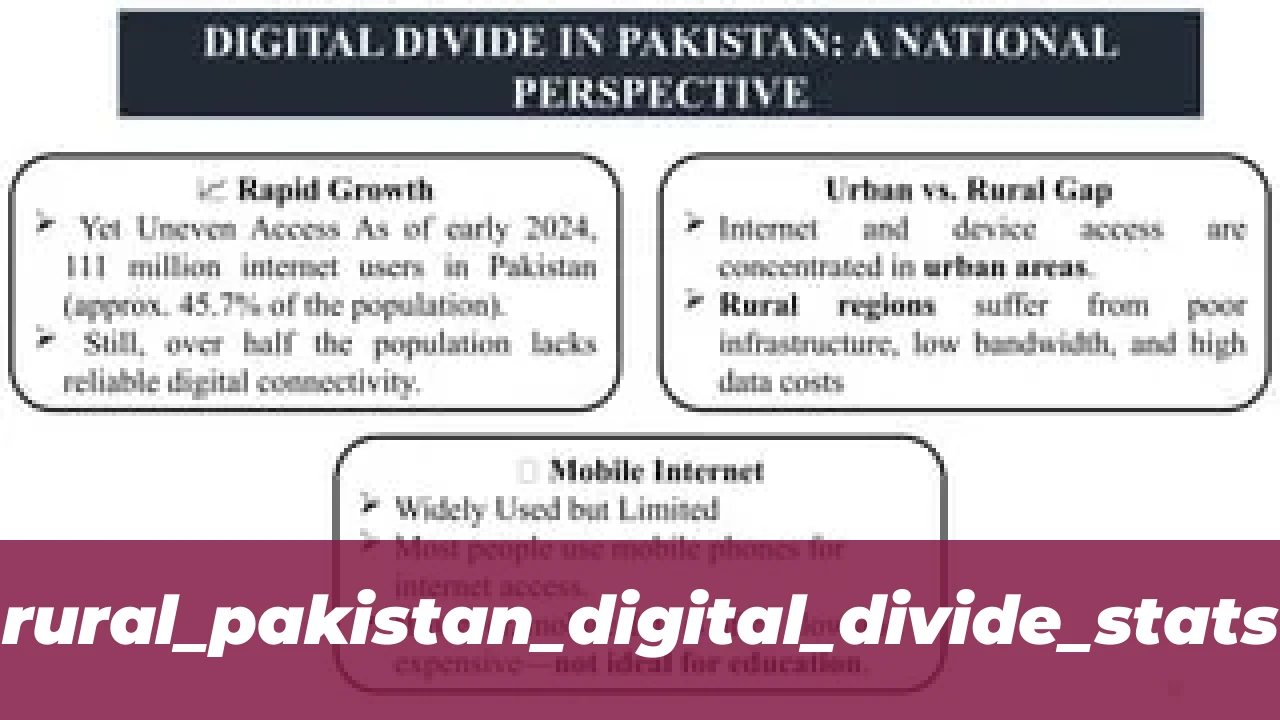
While network coverage has expanded across the country, the existence of a signal does not translate into digital inclusion. With 140 million people living in covered areas yet remaining offline, it is time to look beyond infrastructure and address the human and economic barriers defining this usage gap.
The Reality of the Rural-Urban Connectivity Gap
The gap isn’t just about geography; it is about the “usage gap” the segment of the population that has access to a network but remains disconnected.
- Mobile Phone Ownership: While 78% of rural adults own a mobile phone, only 46% possess an internet-enabled handset (smartphone).
- Daily Engagement: Only 42% of rural users access the internet daily, compared to 59% in urban areas.
- Awareness vs. Adoption: While 84% of rural residents are aware of mobile internet, the transition from awareness to adoption is stalled by socio-economic hurdles.
Why the Gap Persists: Beyond Infrastructure
To understand why half of rural Pakistan remains offline, we must identify the specific barriers preventing digital integration.
1. The Affordability Threshold
For the bottom 20% of the rural population, the cost of an entry-level smartphone remains prohibitive. As of 2026, these devices consume nearly 44% of a household’s monthly income. When the choice is between essential goods and a digital device, connectivity inevitably loses.
2. The Digital Literacy Deficit
Accessing the internet is only half the battle. A lack of digital literacy specifically regarding e-commerce, mobile banking, and government digital services prevents rural users from finding tangible value in mobile internet. If the internet is perceived only as a source of entertainment rather than a tool for economic growth, its adoption remains low.
3. Socio-Cultural Constraints
In many rural districts, family-related restrictions and safety concerns continue to limit mobile internet usage, particularly among women. These cultural dynamics require local, community-based awareness programs rather than just top-down policy changes.

Recommended Data Packages for Rural Connectivity (2026)
To help bridge the gap, major telcos have introduced budget-friendly packages. Here are some of the most accessible options as of September 2026:
| Package Name | Price (PKR) | On-Net Mins | Off-Net Mins | Internet Data | Validity | Dial Code |
|---|---|---|---|---|---|---|
| Rural Daily Social | 15 | 50 | 5 | 500MB | 1 Day | 123# |
| Weekly Budget Plus | 120 | 300 | 30 | 2GB | 7 Days | 456# |
| Monthly Basic Data | 450 | 1000 | 100 | 8GB | 30 Days | 789# |
Product Review: Budget-Friendly Smartphone (2026 Model)
For those looking to enter the digital space, entry-level smartphones are becoming more robust.
Pros & Cons
- Pros: Long-lasting battery life (ideal for power outages), dual-SIM support, and pre-installed essential apps.
- Cons: Limited internal storage, slower processor for heavy multitasking, and average camera quality.
| Specification | Details |
|---|---|
| Processor | Octa-core 2.0 GHz |
| RAM | 3GB / 4GB |
| Storage | 64GB (Expandable) |
| Battery | 5000 mAh |
| Network | 4G LTE Supported |

Bridging the Gap: A Path Forward for 2026
Closing the digital divide requires a shift from infrastructure-focused policies to user-centric solutions.
- Micro-Financing for Devices: Financial institutions and telecom operators must collaborate to offer “device-as-a-service” models, allowing rural users to pay for smartphones in small, interest-free installments.
- Localized Content: Internet usage spikes when content is relevant. Promoting local language apps, agricultural price-tracking tools, and rural-focused e-learning platforms can drive demand.
- Community Digital Hubs: Establishing rural kiosks where residents can learn to use digital payment systems or e-government portals can bridge the literacy gap effectively.
The Verdict
The 2026 data serves as a wake-up call. We have successfully laid the cables and towers, but we have yet to empower the population to use them. For Pakistan to achieve its digital potential, the focus must shift from merely providing coverage to ensuring meaningful connectivity. The goal for the remainder of 2026 should be to ensure that the 140 million currently offline have a compelling reason and the means to log on.