At the 70th IAEA General Conference held in September 2026, the Chairman of the Pakistan Atomic Energy Commission (PAEC) reaffirmed Pakistan’s unwavering commitment to the peaceful application of nuclear technology. By bridging the gap between energy security and climate resilience, Pakistan has positioned itself as a responsible nuclear state, leveraging atomic energy not just for power generation, but for healthcare, agriculture, and industrial advancement.
Strengthening National Energy Security
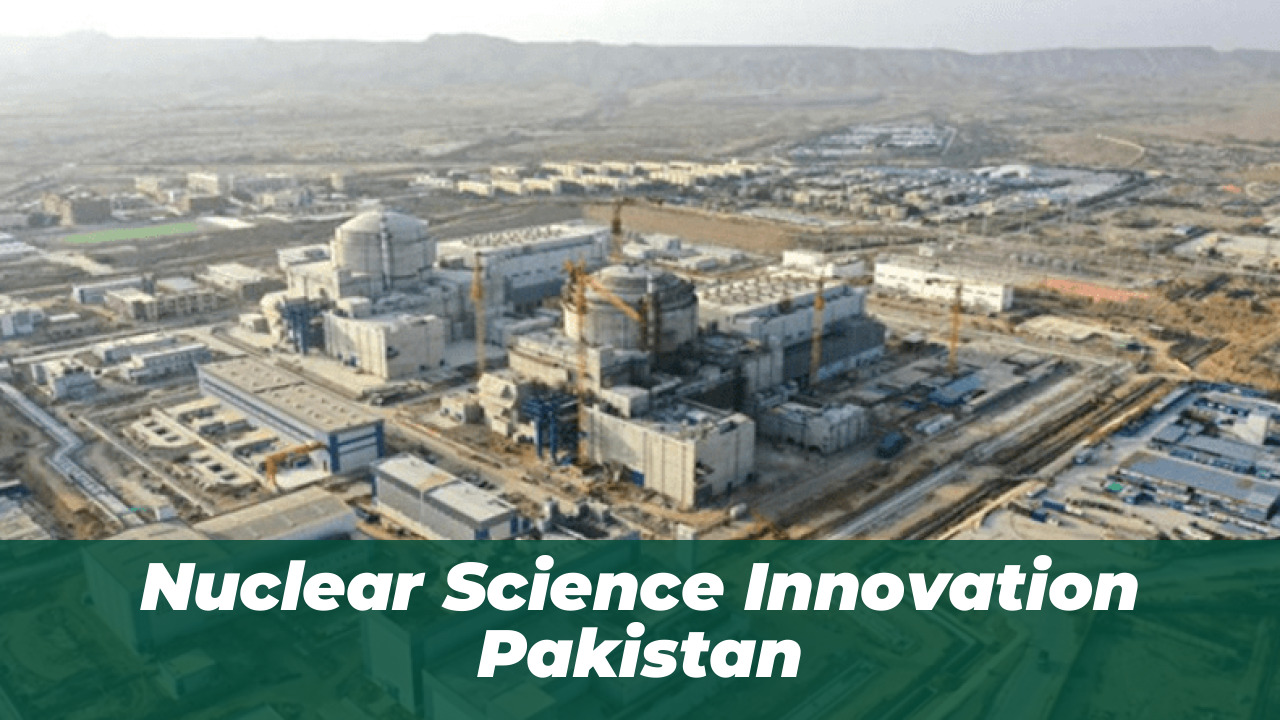
Pakistan’s nuclear energy sector has achieved a significant milestone in 2026. With six operational nuclear power plants (NPPs), the country is currently generating 3,620 MW of reliable, carbon-free electricity. This contribution accounts for approximately 19% of the national energy mix, serving as a stable base-load power source that reduces reliance on volatile fossil fuel imports. The ongoing development of the Chashma-5 (C-5) project remains a top priority, with the completion of major civil works marking a critical step toward further expanding the national grid. For those involved in large-scale infrastructure and industrial solutions for 2026, these developments represent a pivotal shift toward long-term energy independence.

Decarbonization and Climate Resilience
In an era of global climate instability, Pakistan’s nuclear program acts as a cornerstone for environmental sustainability. By operating these plants, Pakistan avoids the release of approximately 16 million tonnes of CO2 emissions annually. This commitment to clean energy aligns with global efforts to combat climate change, showcasing how nuclear power is essential for Pakistan’s journey toward a net-zero future.
Revolutionizing Healthcare: The PAEC Cancer Care Network
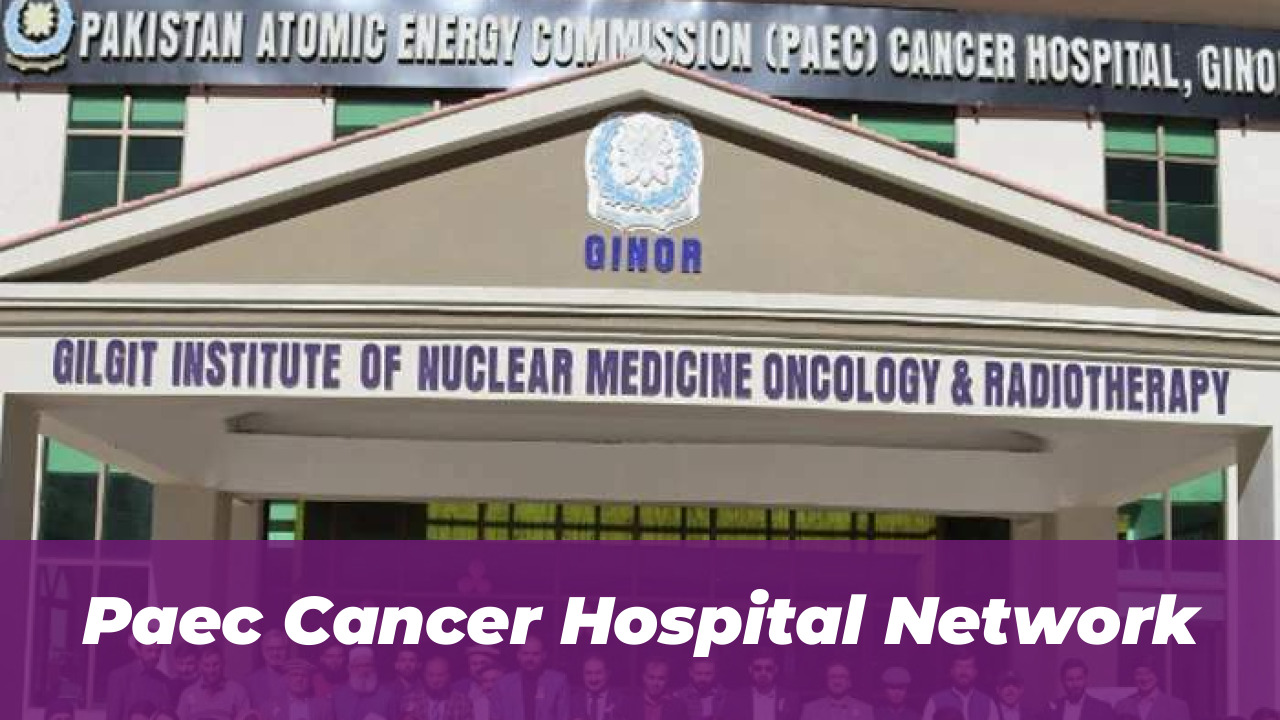
The impact of Pakistan’s nuclear program extends far beyond electricity. PAEC currently operates 21 dedicated cancer hospitals across the country, providing life-saving diagnostic and treatment services to over 85% of the nation’s cancer patients. A major highlight of 2026 was the recognition of the Institute of Nuclear Medicine and Oncology Lahore (INMOL) as an IAEA Collaborating Centre, a testament to the high standards of medical physics and nuclear medicine practiced in Pakistan.
Advancing Agriculture and Food Security
Nuclear technology is playing a pivotal role in Pakistan’s agricultural output. Through the use of radiation-induced mutation breeding, PAEC has successfully developed over 160 improved crop varieties that are resistant to climate stress and pests. Furthermore, the application of isotope hydrology techniques is helping the nation manage its water resources more efficiently, ensuring that agricultural productivity keeps pace with the growing population.
Global Leadership and Future Initiatives (2026-2027)
Pakistan’s role in the international nuclear community continues to grow in 2026. Key developments include:
- International Recognition: NIAB and PINSTECH continue to serve as IAEA Collaborating Centres, fostering knowledge exchange in biotechnology and nuclear instrumentation.
- Capacity Building: Through the IAEA Marie Curie Programme, Pakistan is actively promoting gender diversity in nuclear science by providing specialized scholarships for female students at PIEAS.
- Host of Innovation: Pakistan is preparing to host the 4th International Nuclear Science Olympiad (INSO) in 2027, a major event that will highlight the country’s dedication to nurturing the next generation of nuclear scientists.
- Safety Standards: By hosting the IAEA IPPAS mission and strengthening the Nuclear Security Support Centre (NSSC), Pakistan maintains rigorous adherence to international safety and security protocols.
- Technological Advancement: Ongoing research into Small Modular Reactors (SMRs) is being prioritized to explore localized energy solutions for remote industrial zones.
- Regional Collaboration: Expanding partnerships with regional neighbors for nuclear safety training and emergency preparedness.
Telecom Connectivity for Researchers
While nuclear scientists work on national infrastructure, maintaining communication is vital for field teams. For those involved in the energy sector or large-scale projects, staying connected requires reliable mobile data. Many professionals rely on Zong unlimited call and internet packages to ensure they stay updated with real-time data and remote coordination.
2026 Essential Connectivity Packages
| Package Name | Price | On-Net Mins | Off-Net Mins | Internet Data | Validity | Dial Code |
|---|---|---|---|---|---|---|
| Daily Data Max | Rs. 60 | 0 | 0 | 2.5GB | 1 Day | 6464# |
| Weekly Pro | Rs. 400 | 600 | 60 | 12GB | 7 Days | 700# |
| Monthly Power | Rs. 1350 | 3500 | 350 | 60GB | 30 Days | *3000# |
Conclusion: A Vision for the Future
The Chairman of PAEC’s address at the IAEA General Conference underscores a clear vision: nuclear technology is an indispensable tool for Pakistan’s socio-economic development. From powering homes to treating patients and securing the food supply, Pakistan’s peaceful nuclear program is a blueprint for how developing nations can use high-end technology to achieve sustainable growth. As we look toward 2027 and beyond, the focus remains on innovation, safety, and international collaboration to ensure a prosperous and secure future for all.