Technical services in 2026 have evolved far beyond the traditional scope of simple hardware repair or basic IT troubleshooting. As industries face increasing pressure to balance rapid digital transformation with stringent sustainability goals, these services have become the backbone of operational continuity.
Today, a professional technical service provider acts as a strategic partner. They ensure that both legacy systems and cutting-edge AI-driven infrastructures function in perfect harmony to drive business efficiency.
Whether it is minimizing system downtime through predictive maintenance or maximizing the lifecycle of critical hardware, modern technical services turn operational complexity into a measurable competitive advantage. This guide explores how these integrated solutions are reshaping business performance in 2026.
The Evolution of Technical Services in 2026
The landscape of professional technical support has undergone a massive shift. In previous years, the model was largely reactive; something broke, and a technician fixed it. Today, the focus has shifted entirely to “Predictive Lifecycle Management.”
Businesses no longer view technical services as a cost center but as a primary catalyst for growth. In 2026, the integration of edge computing and decentralized systems means that technical services must be omnipresent.
Modern providers now manage complex ecosystems where software-defined infrastructure interacts with physical industrial machinery. This convergence requires a higher level of expertise, bridging the gap between traditional engineering and advanced cybersecurity protocols.
Core Pillars of Modern Technical Services
To remain competitive, firms are prioritizing three core pillars that define the current standard of technical excellence.
Digital Transformation and Systems Integration
Systems integration is the process of connecting disparate subsystems into a single, functional whole. In 2026, this involves weaving AI-driven analytics into existing enterprise resource planning (ERP) systems.
Instead of replacing legacy hardware, technical service partners now focus on “middleware optimization.” This allows older equipment to communicate effectively with modern cloud-based architectures, ensuring a seamless data flow across your entire organization.
Predictive Maintenance and IoT Analytics
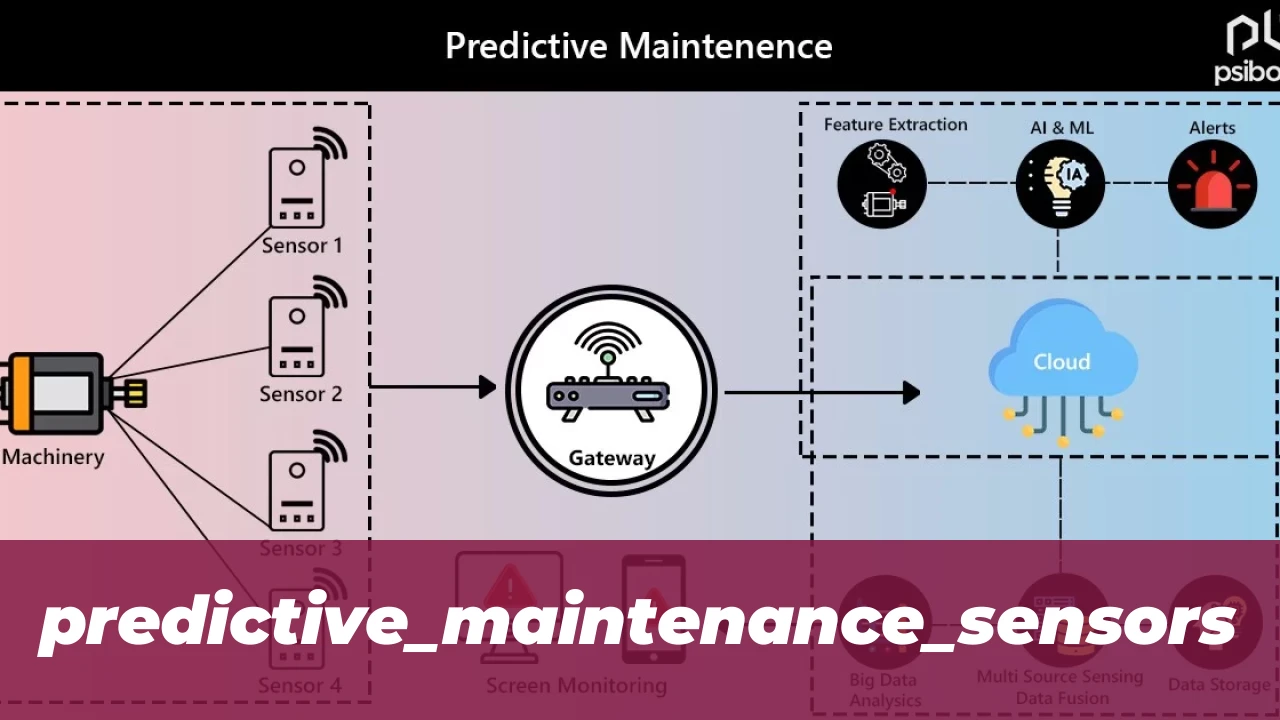
Predictive maintenance is the hallmark of 2026 industrial operations. By deploying IoT sensors across critical infrastructure, technical service teams can monitor vibrations, heat, and output in real time.
This data is fed into machine learning models that predict failure before it happens. This proactive approach reduces unplanned downtime by up to 40% compared to traditional scheduled maintenance models.
Asset Lifecycle Management
Sustainability is now a financial imperative. Asset lifecycle management is the practice of extending the useful life of hardware through specialized refurbishment and component-level repairs.
By maximizing the utility of existing assets, companies drastically reduce their capital expenditure (CAPEX) and lower their carbon footprint. If you are looking for specialized support for your devices, visiting an EROS Service Center Al Quoz: Expert Electronics Repair (2026) can be a great starting point for high-quality refurbishment.
Industry-Specific Technical Solutions
Different sectors require specialized technical expertise to manage unique risks and operational demands.
Healthcare and Regulatory Compliance
In the healthcare sector, technical services revolve around data integrity and equipment calibration. With the rise of telehealth, the infrastructure must meet strict HIPAA and GDPR-equivalent standards.
Experts ensure that medical imaging devices and patient monitoring systems are calibrated to precision. They maintain a zero-trust security posture to protect sensitive patient data at all times.
Industrial Engineering and NDT Testing
Industrial engineering relies heavily on Non-Destructive Testing (NDT) to ensure the safety and longevity of infrastructure. Whether it is ultrasonic testing for pipelines or magnetic particle inspection, these services prevent catastrophic failure.
In 2026, these tests are integrated into digital twins. This allows engineers to visualize structural health in a virtual environment, making the maintenance process more accurate than ever before.
Enterprise IT and Cybersecurity Frameworks
Cybersecurity is no longer a standalone department; it is a fundamental technical service. Modern providers integrate security directly into the hardware and software stack.
This includes automated patch management and vulnerability scanning. By implementing a zero-trust architecture, providers ensure that digital assets remain protected against the evolving threat landscapes of 2026.
Why Repair is Now Optimization
The outdated mindset of “if it is broken, replace it” is gone. The modern technical service model treats equipment as a living asset.
When a server or a piece of industrial machinery underperforms, the goal is to identify the bottleneck. Whether it is thermal throttling, outdated firmware, or inefficient software configuration, experts now optimize for 2026 performance levels.
This shift from simple repair to active optimization saves companies millions in procurement costs. It also minimizes electronic waste, helping businesses meet their corporate social responsibility targets.
The 2026 Decision Matrix
Choosing the right technical partner requires a clear understanding of your business needs. Use this matrix to align your requirements with service priorities.
| Business Need | Service Priority | Outcome |
|---|---|---|
| Cost Reduction | Lifecycle Extension | 30% lower CAPEX |
| Risk Mitigation | Compliance and NDT | Zero regulatory fines |
| Performance | Predictive Analytics | 99.9% uptime |
Key Factors for Selecting a Technical Service Partner
When evaluating a partner, do not rely solely on their service catalog. Look for these three indicators of quality:
- Certification Breadth: Ensure they hold current certifications relevant to your industry, such as ISO standards or manufacturer-specific authorizations.
- Response Time Guarantees: In an era of 24/7 operations, service level agreements (SLAs) must include rapid response times for critical failures.
- Scalability: Can the provider scale their support as your infrastructure grows? An ideal partner grows with you, from initial implementation to long-term management.
If you are managing large-scale facility operations, you might also consider professional management solutions like Star Services LLC: 2026 Guide to Facility & Human Services to streamline your human capital alongside your technical hardware.
Future-Proofing Your Operations
Future-proofing is not about buying the latest tech; it is about building a modular infrastructure. In 2026, this means adopting open-source standards to avoid vendor lock-in.
Prioritize hardware that is modular and easily repairable. By working with technical service providers who prioritize sustainability, you ensure that your operations remain adaptable to the innovations of the next decade.
Frequently Asked Questions
How do technical services help in 2026?
They utilize predictive maintenance, AI-driven analytics, and systems integration to fix issues before they cause system failures, ensuring business continuity.
What is the difference between IT Support and Technical Services?
IT support focuses on software and user-end hardware. Technical services encompass a broader scope, including industrial engineering, NDT testing, specialized equipment calibration, and complex systems integration.
How to choose a technical service provider?
Look for a partner with a proven track record in your specific industry, verified certifications, and a commitment to asset lifecycle management rather than just simple “break-fix” repair.
Conclusion
Technical services have transitioned from a background utility to a strategic driver of corporate success. By focusing on predictive maintenance, lifecycle management, and systems integration, organizations can achieve higher uptime and significant cost savings.
As we navigate the complexities of 2026, the ability to maintain and optimize your technical infrastructure is what separates market leaders from those struggling with legacy constraints. Investing in the right technical service partner is a commitment to the longevity and profitability of your business.