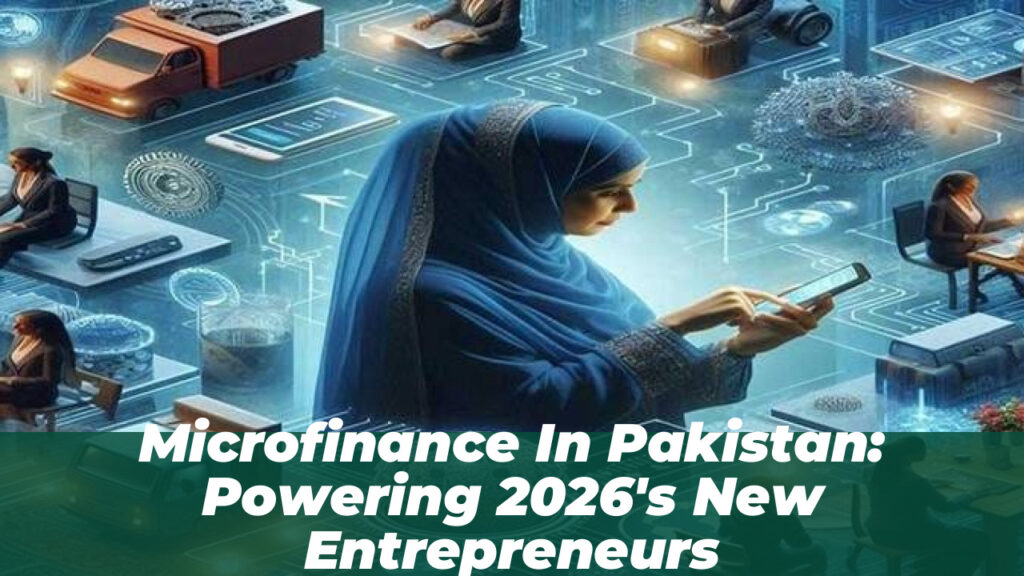
Pakistan’s economic landscape is undergoing a fundamental shift. As of September 2026, microfinance has evolved from a simple tool for poverty alleviation into a sophisticated catalyst for entrepreneurial ambition. With a Gross Loan Portfolio (GLP) reaching PKR 961 Billion and over 14.79 million active borrowers, the sector is no longer on the periphery. It is now the primary engine for SME development, fueling a new generation of business owners who are driving innovation across the country.
The 2026 Shift: Beyond Traditional Micro-Credit
Historically, microfinance was synonymous with small-scale livestock or retail loans. Today, the 24.17% year-over-year growth suggests a far more ambitious trend. Modern entrepreneurs are leveraging these funds to invest in digital inventory, supply chain logistics, and small-scale manufacturing. This transition is not merely about business survival; it is about scaling operations in an increasingly digitized marketplace. While traditional businesses often struggle with high overheads, micro-entrepreneurs are pivoting toward high-demand services, utilizing reliable connectivity and digital tools to optimize their daily operations. For those managing remote teams or digital storefronts, maintaining consistent access to affordable data is now as essential as the capital itself.
Bridging the SME Credit Gap: The “Missing Middle” Opportunity
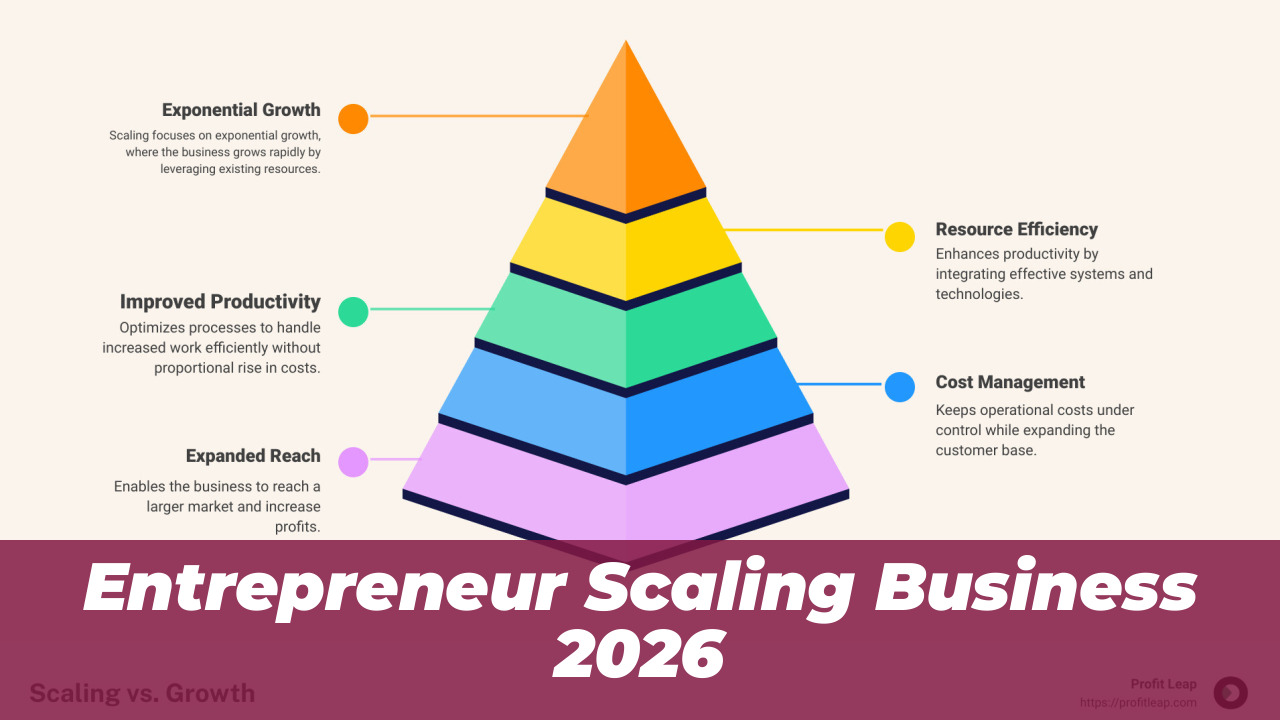
A critical challenge identified by the State Bank of Pakistan remains the “Missing Middle” businesses that have outgrown micro-loans but are still considered too small or high-risk for traditional corporate banking. In 2026, we are witnessing a vital convergence. Microfinance banks are increasingly deploying “Tier-2” products specifically designed to bridge this gap. By providing the liquidity necessary for businesses to transition from informal, home-based setups to registered, tax-compliant SMEs, these institutions are formalizing the economy. This evolution is vital for entrepreneurs who need to scale but lack the long-term credit history required by commercial lenders.
Digital Transformation: The Role of Mobile Wallets
The era of physical branch dependency is effectively waning. Digital wallets like JazzCash and EasyPaisa have become the primary conduits for credit disbursement in 2026. By analyzing real-time transaction patterns rather than relying solely on traditional collateral, these platforms are democratizing access to capital. For an entrepreneur in a remote district, a smartphone now serves as both a bank branch and a credit bureau. This shift has significantly reduced the cost of doing business, allowing lenders to reach segments of the population that were previously invisible to the formal financial sector.
Analyzing the Gender Financing Gap: Where We Stand in 2026
While women represent 41.17% of the total borrower base, they currently account for only 31.7% of the total loan volume, totaling PKR 304.8 Billion. This disparity highlights a significant opportunity for growth. Empowering women entrepreneurs is not merely a social mandate; it is a massive economic necessity. Financial institutions that streamline the approval process for female-led startups are currently seeing higher repayment rates and lower Portfolio at Risk (PAR) levels, which currently average 7.63% across the sector. Closing this gap is one of the most effective strategies to boost national productivity.

Sectoral Impact: From Agriculture to Digital Startups
Capital allocation is shifting rapidly. While traditional trade remains dominant, there is a marked rise in micro-loans directed toward tech-enabled services and modern agriculture. From vertical farming setups to e-commerce storefronts, this diversification is essential for Pakistan’s economic resilience. By ensuring that the economy is not overly reliant on a single sector, these micro-investments are creating a more balanced and robust marketplace.
Risk Management and Stability: A Healthier Portfolio
A Portfolio at Risk (PAR) of 7.63% indicates a maturing and stable market. Modern credit scoring models, combined with comprehensive financial literacy programs, have enabled lenders to mitigate risk without stifling innovation. This professionalization of the sector is what makes it a viable engine for the country’s long-term economic stability.
The Path Forward: Empowering the Youth Bulge for 2036
With a massive youth population, the pressure to create jobs is immense. UNDP projections indicate a need for 25 to 30 million new jobs by 2036. Microfinance acts as the primary incubator for these job creators. By providing the initial capital for small startups, the sector is effectively building the foundation for the next decade of employment. Just as in the broader professional landscape where perfect timing and strategy often yield better results than raw capital alone, micro-entrepreneurs are learning to time their market entries and digital scaling efforts to maximize their growth potential.
Comparison of Common Microfinance Loan Products (2026)
| Package Name | Processing Fee | Target Segment | Validity | Dial Code |
|---|---|---|---|---|
| Micro-Business Loan | 2% – 5% | Retail/Trade | 12 Months | 7864# |
| Agri-Input Credit | 1.5% | Farmers | 6 Months | 2262# |
| Digital SME Advance | 3% | Tech/E-commerce | 3 Months | 998# |
| Women Empowerment Loan | 1% | Female Entrepreneurs | 18 Months | *445# |
Conclusion: The Future of Grassroots Capitalism in Pakistan
The data from 2026 confirms that microfinance is the backbone of Pakistan’s entrepreneurial future. By addressing the gender gap, embracing digital-first lending, and providing a bridge for the “missing middle,” the sector is setting the stage for a more inclusive and robust economy. The focus for the coming years must remain on scaling these solutions to ensure that every budding entrepreneur, regardless of their location, has the capital to turn their vision into reality.