The Leadership Ideas Business Summit (LIIBS) 2026 has concluded, establishing a definitive, actionable roadmap for the nation’s economic trajectory. As Pakistan navigates a complex fiscal environment, this year’s summit served as a critical nexus where high-level policy-making intersected with private sector ambition. Moving beyond the repetitive rhetoric of previous cycles, LIIBS 2026 centered on the “Next Move” framework a strategic blueprint designed to transition the nation from a consumption-led economy toward a robust, production-oriented powerhouse.
Navigating the 3.7% GDP Growth Reality
The fiscal landscape of 2026 is defined by a 3.7% GDP growth rate, a figure that summit experts characterized as a baseline rather than a terminal destination. The consensus among participants was unequivocal: to accelerate this momentum, Pakistan must aggressively pivot away from import-heavy consumption models that have historically strained foreign exchange reserves.
This structural shift demands a fundamental realignment of capital deployment. Industry leaders emphasized that sustained growth is unattainable without a deliberate focus on export-led industrialization. By synchronizing federal fiscal policy with provincial execution, the “Next Move” framework posits that eliminating supply chain bottlenecks is the immediate priority for the current administration to unlock latent industrial capacity.
Structural Reforms and the Super Tax Debate
A central pillar of the summit was the candid discourse regarding tax rationalization. Corporate leaders engaged directly with government representatives to address the lingering burden of super taxes, which many argue stifle essential reinvestment and deter capital formation. The dialogue evolved toward a collaborative model where SME financing, channeled through institutions like SMEDA, is prioritized. The overarching goal is to foster a predictable, transparent tax environment that encourages, rather than penalizes, the formalization of the informal economy.
The Creator Economy Narrative
LIIBS 2026 marked a pivotal evolution in the national perspective on technology. The narrative has shifted from basic digital adoption to a focused, aggressive drive toward high-end technology manufacturing, defense tech, and AI-driven infrastructure. As the industrial sector seeks to optimize its financial footprint, companies are increasingly looking toward strategic corporate capital injections to modernize their production capabilities.
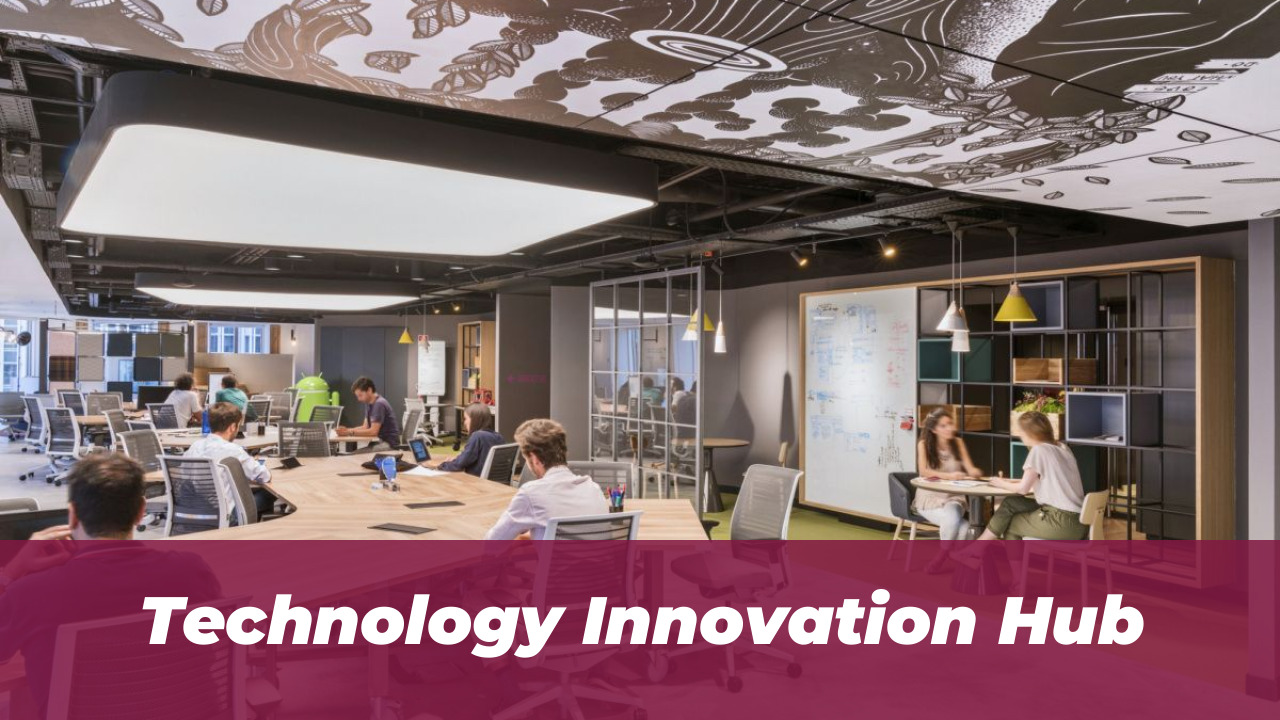
Pakistan is repositioning itself as a “creator” rather than a mere consumer of global software and hardware. To sustain this, industry titans emphasized the necessity of prioritizing high-value IT exports. For professionals managing these remote, high-tech operations, staying connected remains vital; as such, many are leveraging current Zong unlimited call and internet packages to maintain seamless cross-border collaboration.
Addressing Systemic Barriers
One of the most impactful sessions featured Dr. Musadik Malik, who addressed the “Elite Capture” phenomenon. The consensus reached was that systemic barriers where economic benefits are sequestered among a select few must be dismantled in favor of merit-based governance. This is not merely a moral imperative but a fiscal necessity; without a meritocratic approach to resource allocation and human capital development, Pakistan risks losing its competitive edge in an increasingly volatile global market.
Key Voices and Leadership Perspectives
The summit hosted a high-powered lineup of speakers, including Senator Muhammad Aurangzeb and Muhammad Ali, who reaffirmed the government’s commitment to macroeconomic stability. Corporate leaders, including Aamir Ibrahim and Irfan Wahab Khan, highlighted that while the private sector is primed to scale, long-term success remains tethered to policy continuity and regulatory predictability.
2026 Telecom Sector Overview
To support the digital infrastructure required for these economic objectives, mobile network operators have updated their service offerings for 2026:
| Package Name | Price | On-Net Mins | Off-Net Mins | Internet Data | Validity | Dial Code |
|---|---|---|---|---|---|---|
| Monthly Super | Rs. 999 | 3000 | 300 | 50GB | 30 Days | 707# |
| Weekly Power | Rs. 350 | 1000 | 100 | 15GB | 7 Days | 700# |
| Daily Connect | Rs. 45 | 100 | 10 | 2GB | 1 Day | *111# |
The Syed Babar Ali Legacy: Mentorship as a Foundation
The summit also honored the enduring legacy of Syed Babar Ali. The launch of the book Syed Babar Ali: A Centennial Tribute served as a poignant reminder that institutional building is the bedrock of corporate longevity. Mentorship remains the missing link in Pakistan’s corporate ecosystem; by fostering a culture of knowledge transfer, the current generation of leaders aims to build institutions that transcend their own tenure.
Conclusion: The Next Move Framework
LIIBS 2026 transcended the standard summit format, functioning instead as a definitive call to action. The “Next Move” framework demands that stakeholders pivot away from reliance on external relief, focusing instead on the structural reforms that empower the private sector. Whether through modernizing agricultural financing or scaling AI-driven manufacturing, the path forward is clear: economic stability is the fundamental prerequisite for Pakistan’s prosperity throughout 2026 and into the future.
Pros & Cons of the “Next Move” Framework
Pros:
- Shifts national focus from consumption to high-value production.
- Promotes merit-based governance to reduce systemic inefficiency.
- Prioritizes long-term institutional building over short-term gains.
- Encourages formalization of the SME sector through accessible credit.
- Aligns federal policy with provincial execution for better results.
Cons:
- Requires significant, sustained political will to execute complex tax reforms.
- Immediate economic benefits may be temporarily dampened by global inflationary pressures.
- Transitioning toward an export-led model requires a period of high infrastructure investment.
- Resistance from legacy stakeholders may slow the pace of meritocratic implementation.
- Market volatility remains a risk during the initial phase of structural adjustment.
Specifications of the 2026 Economic Pivot
| Feature | Target Shift |
|---|---|
| GDP Focus | Production-led |
| Tax Model | Rationalized/Competitive |
| Tech Role | Creator/Manufacturer |
| Governance | Merit-based |