For years, Netflix has acted as the ultimate patron for auteur-driven cinema, pouring millions into projects that traditional studios deemed too risky. However, as of September 2026, the tides are shifting. The announcement that Noah Baumbach a cornerstone of Netflix’s prestige library is moving to Warner Bros. under a three-year first-look deal starting in 2027, is more than just a contract change; it is a clear message to the industry. As the Academy Awards continue to favor the theatrical experience, Netflix’s streaming-first model is increasingly clashing with the ambitions of world-class directors.
The Warner Bros. Pivot: Understanding the Baumbach Move
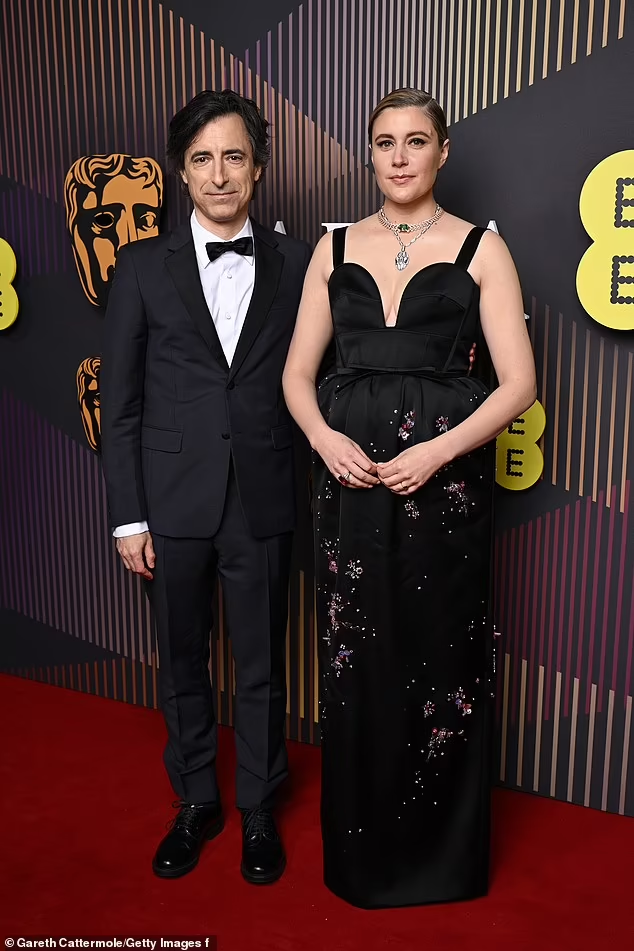
Noah Baumbach’s transition to Warner Bros.’ indie label, Clockwork, is a strategic play for artistic longevity. Under this new agreement, Baumbach is set to helm an untitled project centered on two college students navigating the complexities of New York City. By partnering with producers like David Heyman and LuckyChap, Baumbach is signaling a return to a traditional, wide theatrical distribution model. Unlike his previous Netflix outings, such as Marriage Story and White Noise, this new venture prioritizes the silver screen experience a luxury that Netflix’s core business model often restricts. This shift reflects a broader trend where creatives are prioritizing long-term cultural impact, much like the impending biographical film projects currently reshaping the industry’s approach to prestige releases.
Streaming vs. The Big Screen: The Creative Tug-of-War
The tension between Netflix Film Chairman Dan Lin’s streaming-first policy and the creative desires of top-tier filmmakers has reached a boiling point. While Netflix remains a powerhouse for viewership, it faces a structural hurdle in the awards circuit. Prestige directors are increasingly wary of limited theatrical windows, which they feel diminish the cultural event status of their work. For a director like Baumbach, the prestige of an Oscar win is often tied to the prestige of a theatrical run a trade-off Netflix is finding harder to justify within its subscription-based ecosystem.
The “Netflix Effect” on Academy Awards: A Statistical Reality Check
Despite securing numerous nominations for films like Mank, The Power of the Dog, and Maestro, Netflix has yet to secure the elusive Best Picture trophy. The Academy’s voting body continues to lean toward arthouse and international cinema that thrives on collective, cinematic engagement. Netflix’s reliance on digital-first distribution creates a perception gap. While Emilia Pérez is currently generating significant buzz as a 2026 contender, the loss of consistent, high-profile talent like Baumbach suggests that Netflix’s prestige factory is losing its primary architects.
Balancing the Scales: Can Netflix Survive Without Auteurs?
To remain relevant in the awards conversation, Netflix must bridge the gap between digital convenience and cinematic tradition. The platform is attempting to pivot by allowing rare exceptions for specific visionary projects. However, this creates a fragmented identity. If Netflix continues to lose directors who demand theatrical primacy, it risks becoming a platform for high-end television rather than a home for Academy-winning cinema. The challenge is clear: can Netflix keep its subscribers happy while satisfying the traditionalists who vote for the Oscars?
The 2026-2027 Litmus Test: Narnia and Cliff Booth
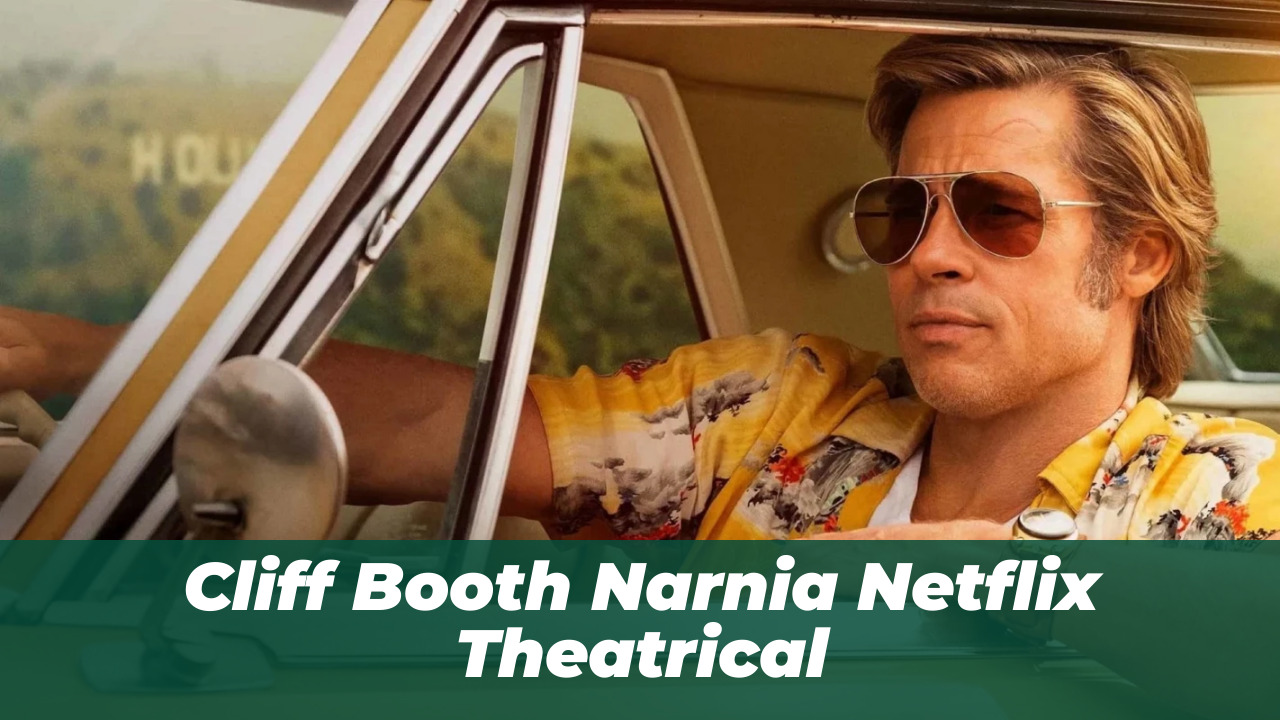
The immediate future of Netflix’s Oscar strategy rests on two high-profile releases. Greta Gerwig’s Narnia: The Magician’s Nephew (slated for February 12, 2027) and David Fincher’s The Adventures of Cliff Booth (November 25, 2026) are being treated as crucial test cases. Both films will feature significant theatrical rollouts, including IMAX screenings for the latter. If these projects succeed at the box office and the Academy, Netflix may be forced to adopt a more flexible distribution strategy permanently. If they fail, the exodus of talent to studios like Warner Bros. will likely accelerate.
Production and Release Specifications
| Feature | Details |
|---|---|
| Director | Noah Baumbach |
| New Studio | Warner Bros. (Clockwork Label) |
| Release Strategy | Wide Theatrical Release |
| Key Netflix Films | Marriage Story, White Noise, The Meyerowitz Stories |
| Upcoming Netflix Exceptions | Narnia (Feb 2027), Cliff Booth (Nov 2026) |
Pros & Cons of the Streaming-First Model
Pros:
- Massive global reach and instant accessibility across 190+ countries.
- Ability to fund mid-budget dramas that traditional studios often deem too risky.
- Advanced data-driven insights into audience viewing habits and genre preferences.
- Reliable infrastructure for simultaneous worldwide distribution.
- Lower marketing overhead compared to traditional theatrical-only launches.
Cons:
- Persistent friction with the Academy regarding theatrical exclusivity windows.
- Increasing loss of prestige among top-tier directorial talent seeking cinema history.
- Difficulty in creating long-term cultural “watercooler” moments without theatrical endurance.
- Perception of “disposable content” due to the endless scroll nature of the UI.
- Limited capacity for films to build organic word-of-mouth momentum over months.
Final Verdict: Is Netflix Losing Its Prestige Edge?
Noah Baumbach’s departure is a symptom of a larger industry evolution. As we move through the second half of 2026, the prestige of a film is once again being measured by its presence in theaters. Netflix remains a giant in terms of reach and content volume, but its ability to dominate the Oscars is under threat. Unless the streamer can reconcile its streaming-first philosophy with the theatrical demands of the world’s best directors, it may find itself on the outside looking in when the golden statues are handed out. For those tracking the shifting landscape of entertainment, it is worth noting that major cinematic shifts are currently redefining how we consume high-stakes storytelling.