The Residency Reality Check
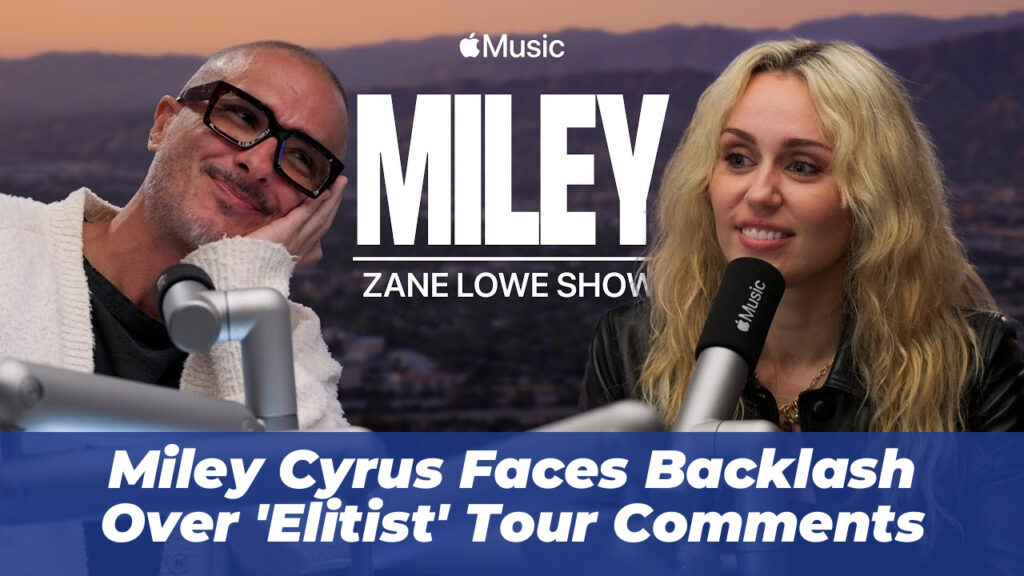
The friction began in earnest following Miley’s interview with Zane Lowe. Discussing her preference for fixed-location residencies over the grueling nature of global tours, Cyrus remarked, “I’ve learned now through the queue that my calculations are correct, and people will come to me. I don’t need to drive to you.”
While this approach reflects a pragmatic business strategy aimed at preserving vocal health and personal well-being, it has resonated poorly with her international fan base. By prioritizing a “come to me” model, the narrative inadvertently suggests that access to her live performances is now reserved for those with the socioeconomic means to travel to major hubs like Los Angeles. It highlights an evolving industry reality: for many fans, the cost of a concert ticket is now secondary to the significant financial burden of travel and accommodation, effectively creating a barrier to entry that feels exclusionary.
If you are planning your own travel to catch a favorite artist, you might want to look at our Free Holiday Budget Planner Printable 2026 to ensure your finances remain secure while navigating these shifting industry expectations.
Beyond the Stage: The Behavioral Backlash
The “elitist” label has extended beyond tour logistics, fueled by recent fan reports from promotional events. Critics have pointed to instances where the singer appeared detached, a sharp departure from the highly accessible persona she cultivated for over a decade.
While some observers argue this is a necessary evolution a byproduct of an artist setting firm boundaries in an era of constant public surveillance others view it as a detachment from the humility that once defined her career. When fans invest significant time and resources into an event, a perceived lack of engagement can feel like an unreciprocated connection. This tension mirrors broader societal debates, much like the discourse surrounding personal choices in family planning and IVF, where individual autonomy frequently clashes with public expectations.
The Price of Rebranding
This friction is occurring against the backdrop of a significant career evolution. Miley Cyrus has spent years shedding her early industry labels to establish herself as a genre-bending powerhouse. However, such transformations often come with a cost. Her current trajectory suggests a desire for a “prestige” career one where the artist dictates the terms of engagement rather than catering to the traditional demands of a global touring cycle.
The core question remains: Is this a display of elitism, or is it the inevitable result of a star who has spent her entire life in the public eye finally prioritizing personal sustainability over the shifting demands of her audience?
Finding the Middle Ground
This backlash serves as a poignant reminder that an artist’s influence is fundamentally rooted in their audience. While Cyrus is certainly entitled to curate her career in a way that protects her mental health, ignoring the practical barriers that prevent fans from seeing her live risks alienating the very community that built her platform.
For now, her fan base remains divided. Some defend her right to evolve, while others feel the distance between the artist and the audience is widening. Whether this is a temporary public relations hurdle or a fundamental shift in her brand identity, one thing is clear: the traditional model of the “accessible” pop star is being tested, and the industry is watching to see how the public responds to this transition.