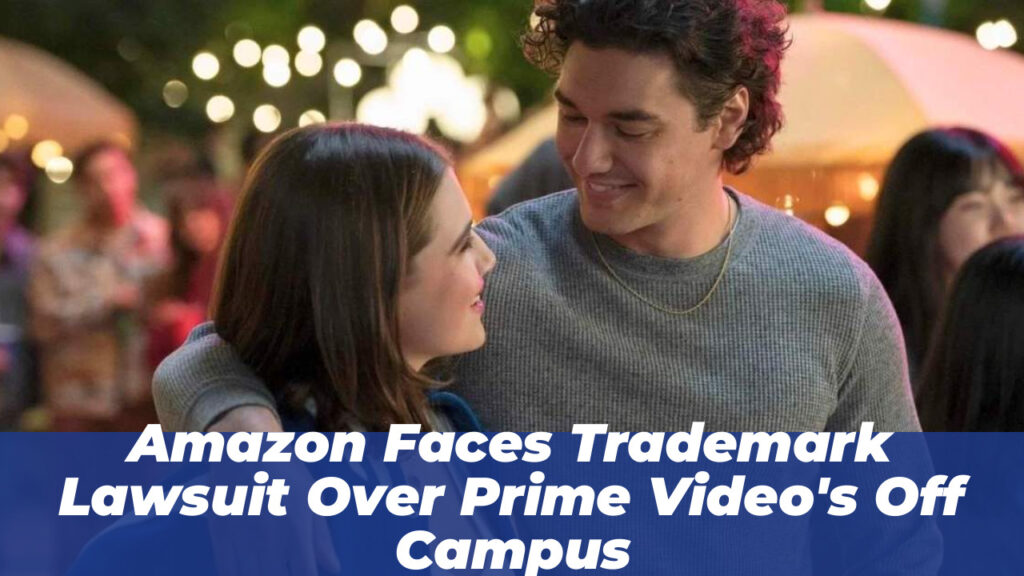
A high-stakes legal battle has erupted between the theatrical production company Brass Jar Inc. and Amazon. At the center of the dispute is the Prime Video original series Off Campus, which now faces allegations of trademark infringement.
The conflict centers on the unauthorized use of the “Drunk Shakespeare” brand within the show’s fourth episode. Brass Jar claims this usage misleads viewers and exploits their intellectual property for commercial gain.
Understanding the Trademark Infringement Claims
The core of the litigation involves the fourth episode of Off Campus, titled “The Breakup.” During the narrative, characters participate in a fictional college production that explicitly adopts the “Drunk Shakespeare” moniker.
Brass Jar contends that this is not a coincidental naming choice. They argue that the show utilizes their registered trademark to add flavor to the plot without securing necessary permissions or licensing agreements.
Because the brand is a recognized theatrical entity, the plaintiffs argue that the show’s portrayal creates a false association. This usage suggests that the real-world theater company is either sponsoring or affiliated with the streaming series.
The specific dispute in Episode 4
In the episode, characters engage in a theatrical performance that mirrors the structure of the real-world brand. The use of the name is prominent rather than incidental, serving as a focal point for the scene.
The plaintiff alleges that this specific inclusion undermines the exclusivity of their mark. By placing their brand within a fictional college setting, the production arguably dilutes the professional reputation of the original theater company.
Why Brass Jar filed in Florida
The legal action was formally lodged in the U.S. District Court for the Southern District of Florida on September 17, 2026. This jurisdiction was chosen based on the company’s operational footprint and the reach of their business activities.
Filing in a federal district court allows the plaintiffs to seek significant statutory damages. The choice of venue signals a serious intent to hold the streaming platform accountable under federal trademark statutes.
The Legal Argument for Brand Confusion
The legal team for Brass Jar is emphasizing the likelihood of confusion standard. They argue that an average consumer watching the series would reasonably believe the theatrical troupe had a hand in the production.
This confusion is damaging to brand equity. When a company’s identity is co-opted by a massive streaming conglomerate, it leads to market dilution and loss of control over how the brand is perceived by the public.
Distinguishing trademark from copyright
While many media disputes focus on copyright, this case is strictly about trademark law. Copyright protects creative expression, whereas trademark law protects the source and identity of goods or services.
Amazon’s initial response reportedly conflated these two areas of law. By focusing on copyright, the streaming giant may have missed the specific legal threshold regarding brand identity and consumer perception that the plaintiffs are asserting.
The impact of consumer perception on brand equity
The lawsuit asserts that the unauthorized use harms the brand’s reputation. If audiences associate the “Drunk Shakespeare” name with the specific tone and content of the Off Campus series, it misrepresents the true nature of the theatrical experience.
Maintaining a distinct brand identity is essential for Brass Jar’s business model. They argue that Amazon’s usage hitches a ride on their hard-earned recognition without providing any compensatory value.
Amazon’s Initial Response and Legal Stance
Amazon has maintained a low profile regarding the specific trademark allegations. Their initial communications with the plaintiffs appeared to deflect the issue by framing it as a copyright concern.
This strategic choice may be an attempt to apply fair use defenses often associated with creative works. However, trademark law is less forgiving of creative license when it comes to using established names for profit.
The shift from copyright to trademark focus
Observers suggest that Amazon may need to pivot its defense strategy. If they continue to treat the matter as a copyright issue, they risk failing to address the core trademark infringement claims presented by the court filing.
The transition to a trademark-focused defense will require them to prove that the usage was either authorized or did not cause consumer confusion. This is a high bar to clear in federal court.
Potential defenses for fictional representation
The streaming platform might argue that the mention was purely descriptive or part of a fictional narrative. Courts often weigh whether the use is essential to the story or if it acts as a commercial endorsement.
If Amazon can demonstrate that the reference is a non-commercial, transformative use of a cultural term, they may find relief. However, the prominent nature of the brand usage in the episode makes this defense challenging.
Examining the Off Campus Series Context
Off Campus is a high-profile YA hockey romance based on the book series by Elle Kennedy. The show revolves around the lives of students at the fictional Briar University.
The series has already garnered a significant following, making any legal shadow cast over its production sensitive for the studio. The show’s success relies on its brand image and relatability to its target demographic.
Production status and Season 2 outlook
Season 1 is available to stream, and Amazon has already greenlit a second season. Production for the upcoming episodes is underway with a new focus on different lead characters.
Legal complications could impact the production timeline of the next season. If the court issues an injunction or mandates changes, the studio might face significant logistical and financial hurdles.
Narrative necessity versus commercial exploitation
The central question remains whether the “Drunk Shakespeare” reference was necessary for the plot. If the writers could have achieved the same narrative result with a generic term, the legal case for the plaintiff becomes stronger.
Critics of the show’s creative choices argue that the use of an existing, recognizable brand name suggests a level of laziness or an attempt to borrow credibility. This perception of exploitation is what the plaintiffs are highlighting.
Potential Financial and Creative Repercussions
The potential damages in this case are substantial. The plaintiffs are seeking statutory damages which, in cases of trademark infringement, can reach up to $2 million per counterfeit mark.
Beyond the financial penalties, the legal costs associated with defending a federal lawsuit are immense. Amazon must decide whether a settlement is more cost-effective than a lengthy, high-profile trial.
The scope of statutory damages
Statutory damages serve as a deterrent against unauthorized trademark use. If the court finds that the infringement was willful, the financial consequences for Amazon could escalate quickly, including potential attorney fees.
The threat of treble damages increases the stakes. This is designed to punish defendants who knowingly use another company’s brand, making the litigation a significant financial risk for the streaming platform.
Could an edit to the episode be required?
One of the most drastic outcomes would be a court-ordered edit to the episode. This would require Amazon to scrub the reference from the streaming version, which is a common resolution in intellectual property disputes.
Editing a finished episode is costly and disrupts the viewing experience. However, it is often the preferred route for studios looking to mitigate ongoing liability and avoid further legal action.
Industry Precedents for Trademark in Fiction
This case adds to a growing list of disputes regarding the use of real-world brands in fictional media. The balance between artistic freedom and corporate property rights remains a contentious subject.
Historically, courts have been protective of trademark holders when the use of a name risks confusing the audience. The outcome of this case will influence how streaming services approach brand usage in future scripts.
Balancing creative license with intellectual property
Creative writers often use real-world references to ground their stories in reality. However, when that reference is a registered trademark, the line between reality and infringement becomes blurred.
The legal system must determine when a reference crosses from incidental inclusion to commercial exploitation. This case will provide a fresh perspective on how modern streaming content is scrutinized under existing laws.
How this case may influence future streaming productions
If Brass Jar wins, streaming platforms will likely implement stricter legal vetting for scripts. This could lead to more generic naming conventions in shows to avoid the risk of similar litigation.
The industry will be watching closely to see if this case sets a new standard. It may force a shift in how productions secure rights for the brands they choose to feature on screen.
Frequently Asked Questions
What is the Drunk Shakespeare brand?
Drunk Shakespeare is a professional theatrical company known for its unique, comedic performances. They hold registered trademarks for their name and brand, which they protect against unauthorized use.
Has Amazon stopped streaming the episode?
As of September 18, 2026, the episode remains available on Prime Video. There has been no indication that Amazon plans to pull or edit the episode while the legal proceedings are in the early stages.
What are the possible legal outcomes?
Potential outcomes include a financial settlement, a court-ordered injunction requiring an edit of the episode, or a ruling in favor of Amazon if the court deems the use protected by creative expression standards.
How does this affect Off Campus Season 2?
While Season 2 is currently in production, the legal dispute could force the studio to be more cautious with their creative choices. If the court rules against Amazon, it may set a precedent that influences the content of future seasons.
The litigation between Brass Jar and Amazon serves as a reminder of the limits of creative license. As streaming services continue to churn out massive amounts of content, the intersection of fiction and trademark law becomes complex.
If the court finds in favor of the plaintiff, it will reinforce the need for studios to prioritize intellectual property clearance before production begins. For now, the industry must wait to see how this dispute shapes the future of streaming storytelling.