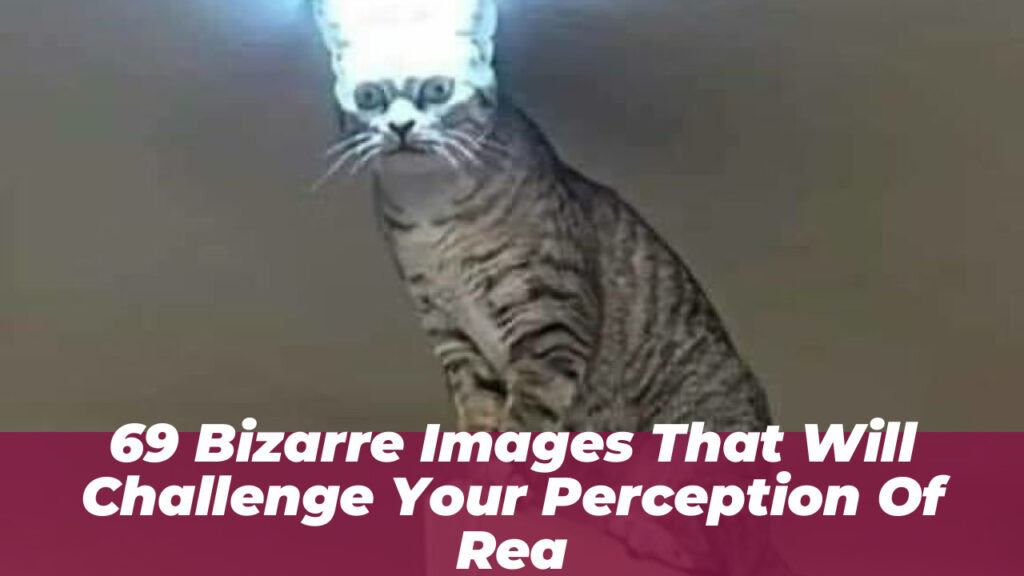
In a digital landscape dominated by filtered perfection, a viral collection of 69 bizarre images surfaced in August 2026, challenging how we perceive reality. These visuals trade polish for confusion, forcing viewers to confront the limits of their own cognitive comfort zones.
This fascination with visual chaos highlights a human need to engage with the unpredictable. By presenting scenes that defy logic, these images mirror our own messy internal states, turning a simple scroll through a feed into an unintentional psychological experiment.
Understanding the Weirdnet phenomenon: Why we crave visual discomfort
The project known as Weirdnet taps into a corner of internet culture that thrives on the bizarre. By aggregating images that trigger cognitive dissonance, the platform provides a surreal escape from the mundane routines of daily life.
We crave this discomfort because it forces our brains to switch from passive consumption to active problem-solving. When we encounter a scene that defies immediate logic, our curiosity spikes, and we feel a compulsion to decode the image to restore mental equilibrium.
The psychology of the glitch
The cycle of confusion and resolution functions like a mental puzzle. It is not just about the shock value of the imagery but about the engagement required to navigate the visual landscape provided by the collection.
Category 1: Architectural nightmares and spatial confusion
The first category of these disturbing images focuses on architectural impossibility. From staircases leading into solid walls to hallways that stretch into infinity, these photos exploit the brain’s reliance on geometric consistency.
When our spatial reasoning faces a challenge, we experience a visceral sense of unease. These images strip away the safety of predictable environments, leaving the viewer to wonder how such structures could exist in a functional reality.
The breakdown of geometry
The lack of logical flow in these spaces serves as a metaphor for the unpredictability of the digital age. By distorting physical boundaries, these creators highlight the fragility of our perception.
Category 2: Domestic settings gone wrong: The uncanny valley of the home
Domesticity usually implies comfort, but this collection turns that expectation on its head. By introducing subtle, wrong details into bedroom or kitchen settings, the imagery enters the realm of the uncanny valley.
A chair placed on the ceiling or a kitchen filled with non-food items creates profound cognitive dissonance. These images feel wrong because they violate the implicit rules we associate with the most intimate spaces of our lives.
Subverting the familiar
This disruption of domestic order feels intrusive. It forces the viewer to question the stability of their own surroundings, turning a familiar living room into a landscape of potential anxiety.
Category 3: Objects in the wrong places: A study in cognitive dissonance
Context is everything, and this category proves it by placing everyday objects in alien environments. A toaster in a bathtub or a grand piano on a forest floor creates a jarring reaction.
The brain struggles to categorize these scenes because the objects are familiar, but their placement is nonsensical. This mismatch forces us to pause and attempt to create a narrative that justifies the visual absurdity.
The loss of utility
These images succeed because they highlight the arbitrary nature of our categorization systems. When the boundaries between utility and nonsense blur, the result is a look at the fluidity of our material world.
Category 4: The human element: When people and environments clash
Adding human subjects to chaotic environments significantly heightens the level of discomfort. When a person appears in a bizarre pose or within a surrealist setting, the image gains a narrative weight that is difficult to ignore.
These portraits often feature expressions that do not match the environment, creating a layering of confusion. The viewer wonders not just about the physical space, but about the mental state of the individual within it.
The anchor of reality
This category serves as a reminder that human presence acts as our reality anchor. When that anchor is distorted, the entire scene feels like a glitch in the simulation of our daily existence.
Category 5: Abstract digital artifacts: Glitches in reality
Digital manipulation allows for the creation of artifacts that defy the laws of physics. These images appear as though they were corrupted during rendering, creating a sense of instability that is haunting.
By mimicking the failures of technology, these photos tap into modern anxieties about the digital systems we rely on. They represent the moment when the interface between the human and the machine begins to break down.
The digital breakdown
The aesthetic of the glitch is a testament to how comfortable we have become with digital mediation. When we see a reality that is visibly broken, we recognize it as a reflection of our own fragmented digital experiences.
Category 6: The absurdity of scale and perspective
Perspective dictates how we perceive the importance of objects. By manipulating scale, these images turn small items into imposing threats or large structures into trivial toys, confusing our internal sense of proportion.
When the scale is off, the brain loses its ability to judge distance and depth. This lack of orientation creates a physical sensation of vertigo, proving that visual stimuli impact our physiological well-being.
The loss of reference
This category is perhaps the most disorienting of the collection. It serves as a reminder that our perception of the world depends on fixed points of reference, and without them, the world becomes a place of mystery.
The impact of cursed imagery on modern internet culture
Cursed imagery has evolved from a niche subculture into a dominant form of viral entertainment. This shift reflects a broader cultural trend toward embracing the inexplicable in an increasingly transparent digital world.
These images act as a shared language for internet users who are tired of polished, filtered content. They offer an unfiltered look at the absurdity of existence, fostering a sense of community among those who find humor in the chaos.
A new digital diet
These collections remain a staple of our digital diet. They provide a necessary outlet for the frustrations of modern life, allowing us to laugh at the things that make us uncomfortable.
Why the brain struggles to process these specific visuals
The human brain is hardwired to seek patterns and order to ensure survival. When we encounter images that defy these patterns, the brain enters a state of high alert, attempting to force the visual information into a logical framework.
This process of rapid, unsuccessful pattern matching creates a psychological tension. The brain gets stuck in a loop, unable to resolve the image into a coherent whole, which we experience as discomfort.
The mental exercise
This struggle is the source of the appeal for many viewers. It is a form of mental exercise that challenges our cognitive limits, providing a bizarre thrill that keeps us coming back to see what our minds will do next.
The role of community-driven content curation
The success of these projects is largely due to the power of community-driven curation. By allowing users to submit and vote on the most chaotic images, the content remains fresh, relevant, and deeply attuned to the collective taste.
This grassroots approach ensures that the content is not sanitized by corporate interests. Instead, it reflects the genuine, unvarnished curiosities of the people who consume it, making the experience feel authentic.
The evolution of chaos
As these communities grow, the standards for what constitutes a chaotic image continue to rise. This competitive environment pushes creators to find increasingly unique content, ensuring the cycle of discovery continues.
Is viewing these images harmful to my mental health?
For most people, these images are a source of harmless entertainment. However, if you find that the content causes genuine distress or anxiety, it is best to take a break from such platforms and focus on grounding activities.
Why are there exactly 69 images in this collection?
The number 69 is often used in internet culture to signify a blend of humor and subversion. In this context, it serves as a standardized limit for the list, providing enough content to be engaging without overwhelming the reader.
Where do these images originate?
Most of these images are sourced from community submissions and internet archives. They are often anonymous, which adds to the mysterious nature of the collection, as there is no clear author to provide context.
Can I submit my own chaotic images?
Many community-driven projects encourage user submissions. If you have captured or created an image that fits the theme of the collection, contributing to the community can be a way to participate in the ongoing dialogue of digital chaos.
Finding order in the digital void
The popularity of chaotic and disturbing imagery is more than just a passing trend. It is a reflection of our collective attempt to find meaning in a world that often feels as fragmented as the images themselves.
By engaging with these visuals, we explore the boundaries of our own perception. We find a way to laugh at the absurdity of the digital void and, in doing so, reclaim a small piece of order for ourselves.
These 69 images remind us that while the world may be chaotic, our ability to observe and share that chaos keeps us connected. We find comfort in the discomfort, proving that even in the most bizarre places, there is a shared human experience to be found.