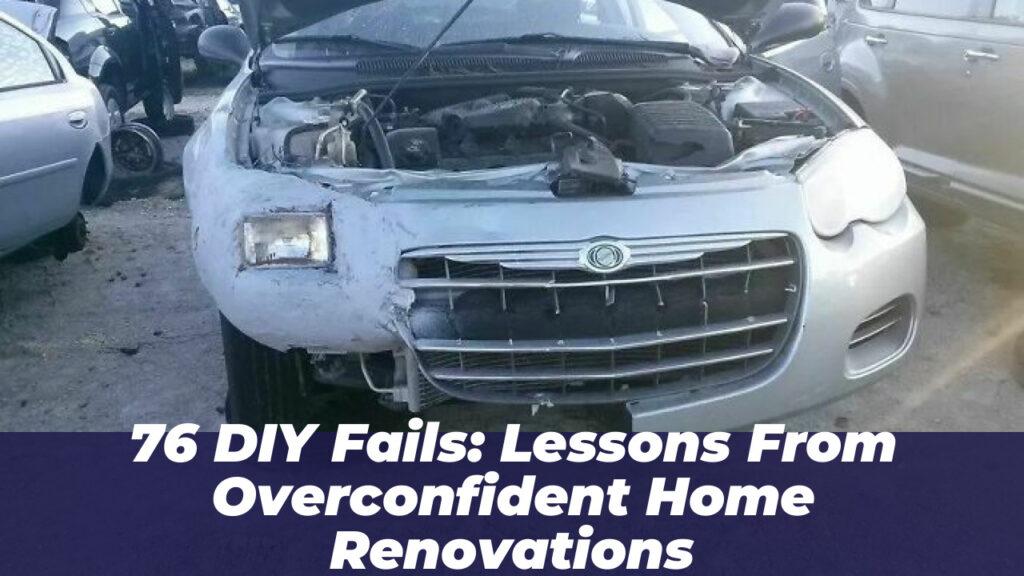
The modern homeowner often harbors a dangerous dream: the vision of a magazine-worthy renovation completed on a weekend budget with nothing more than a basic toolkit and a smartphone. This aspiration has birthed a new cultural phenomenon of spectacular domestic disasters. While the allure of saving money on labor costs is strong, the reality of execution frequently proves far more complex than a sixty-second video suggests.
We have compiled seventy-six common failure points that define the DIY experience. These disasters are rarely the result of a lack of desire, but rather a profound disconnect between perceived ability and technical requirement. From crooked subway tiles to compromised structural beams, these errors serve as a sobering reminder of the value inherent in professional craftsmanship.
The Psychology Behind Overambitious DIY
Understanding the Dunning-Kruger Effect in Home Repair
The Dunning-Kruger effect plays a starring role in home renovation. Novice renovators often lack the foundational knowledge required to recognize the true difficulty of a task, leading them to overestimate their competence. They view a complex plumbing reroute as a simple puzzle, failing to account for the variables that professionals navigate daily.
This cognitive bias creates a dangerous feedback loop. The amateur proceeds with a level of confidence that blinds them to warning signs. By the time they realize the task is beyond their skill set, the project has reached a point of no return, resulting in significant property damage.
The Influence of Social Media Editing on Perception
Social media platforms have fundamentally altered how we perceive home improvement labor. Short-form videos condense multi-day projects into seconds of high-energy editing, omitting the tedious prep work and failed attempts. This curated reality presents a distorted view of what constitutes a successful renovation.
Viewers are left with the impression that expertise is optional. When a homeowner attempts to replicate these feats, they are often shocked to find that the reality involves dust, noise, and technical challenges. The omission of these struggles sets up the average weekend warrior for disappointment.
Anatomy of a Disaster: Common Failure Categories
Structural Integrity and Load-Bearing Risks
The most catastrophic DIY failures occur when homeowners underestimate structural requirements. Removing walls or altering support beams without consulting a structural engineer is a recipe for disaster. These modifications often result in sagging floors and compromised roof stability that cost thousands to remediate.
Amateurs frequently mistake load-bearing walls for simple partitions. When the structural integrity of a building is breached, the consequences extend far beyond aesthetics. Professional contractors emphasize that these errors are significant safety hazards that threaten the longevity of the entire structure.
Plumbing and Electrical: Where Permits Matter
Electrical and plumbing systems are hidden networks that require strict adherence to building codes. DIY enthusiasts often bypass permits to save time, leading to dangerous wiring configurations or improper drainage. These shortcuts result in fire hazards and water damage that render a home difficult to sell.
These systems involve precise calculations and specific material requirements. When an amateur attempts to move a drain, they lack the diagnostic tools to ensure the work is safe. Licensed professionals are trained to identify these hidden risks, ensuring every connection meets safety standards.
Cosmetic Errors and Surface Preparation Pitfalls
Cosmetic disasters are the most common source of DIY frustration. Painting, tiling, and flooring projects fail because the homeowner ignores surface preparation. Skipping the sanding, priming, or leveling process ensures that the final result will peel, crack, or shift within months.
Patience remains the primary casualty. Amateurs often rush drying times or neglect manufacturer recommendations for adhesives. This lack of attention to detail transforms a potential upgrade into an eyesore, forcing the homeowner to spend more money on professional remediation.
The 76 Points of Failure
- Structural: 1. Removing load-bearing walls, 2. Cutting floor joists, 3. Improper beam sizing, 4. Sagging headers, 5. Unstable foundations, 6. Incorrect deck footings, 7. Unsecured wall studs, 8. Poor masonry alignment, 9. Improper roof shingling, 10. Weakened wall plates.
- Plumbing: 11. Incorrect drain slopes, 12. Leaking P-traps, 13. Improper venting, 14. Cross-connecting lines, 15. Using wrong pipe materials, 16. Overtightening fittings, 17. Ignoring shut-off valves, 18. Improper shower waterproofing, 19. Clogged main lines, 20. Inadequate water pressure.
- Electrical: 21. Reverse polarity, 22. Overloaded circuits, 23. Improper wire gauge, 24. Unprotected junction boxes, 25. Incorrect grounding, 26. Faulty switch wiring, 27. Loose wire nuts, 28. Fire-prone daisy chaining, 29. Missing GFCI outlets, 30. Exposed wire splices.
- Tiling/Flooring: 31. Uneven subfloors, 32. Improper mortar mix, 33. Incorrect tile spacing, 34. Poor grout application, 35. Cracked tiles, 36. Improper expansion gaps, 37. Weak adhesive bond, 38. Hollow floor spots, 39. Poor transition strips, 40. Improper moisture barrier.
- Painting/Finishing: 41. Skipping primer, 42. Painting over dust, 43. Using wrong paint type, 44. Uneven brush strokes, 45. Poor tape lines, 46. Ignoring humidity levels, 47. Improper sanding, 48. Blistered finish, 49. Inconsistent color matching, 50. Poor surface cleaning.
- Carpentry: 51. Inaccurate measurements, 52. Splintered cuts, 53. Weak joints, 54. Improper glue use, 55. Misaligned doors, 56. Poor cabinet leveling, 57. Stripped screw holes, 58. Incorrect trim angles, 59. Unstable shelving, 60. Warped wood selection.
- Tool Misuse: 61. Dull blades, 62. Wrong saw speed, 63. Improper drill bits, 64. Dangerous sander handling, 65. Miscalibrated levels, 66. Over-tightening fasteners, 67. Ignoring safety guards, 68. Using wrong tool for task, 69. Poor tool maintenance, 70. Lack of PPE.
- Planning/Budgeting: 71. Underestimating project time, 72. Inaccurate material list, 73. Ignoring permit costs, 74. Forgetting disposal fees, 75. Lack of contingency fund, 76. Over-relying on tutorials.
Expert Analysis: Why Professional Training Matters
The Hidden Costs of Amateur Remediation
When a DIY project goes south, the cost of fixing it is rarely limited to the price of new materials. Often, the amateur has damaged the underlying structure, requiring extensive demolition before the repair can even begin. This remediation process is labor-intensive and exceeds the original quote provided by a professional.
Professionals bring a comprehensive understanding of building systems. They anticipate potential complications and have the contingency plans to address them before they become disasters. Hiring a professional from the outset prevents the compounding costs associated with amateur error.
Safety Protocols Ignored by Weekend Warriors
Safety is the primary differentiator between a professional and a hobbyist. Licensed contractors operate under strict guidelines designed to protect the occupants and the building. These include ventilation requirements and electrical grounding standards that are often overlooked by the inexperienced.
By ignoring these protocols, DIYers put their families at risk. Whether it is exposure to harmful dust or the risk of fire from faulty wiring, the stakes are simply too high for guesswork. Professional training instills a culture of safety that keeps the home intact.
Navigating the Recovery
Identifying When a Project Has Gone Beyond Repair
Recognizing the point of no return is a necessary skill. If a project involves structural shifts, persistent leaks, or electrical issues that cause flickering lights, stop immediately and call a licensed professional. Pushing forward in a state of denial only exacerbates the damage.
A failed project is not a failure of character, but a signal that the task requires specialized equipment. Professional contractors are accustomed to stepping into these situations and can provide an objective assessment of what is salvageable. Their intervention is the most efficient way to restore the home.
How to Salvage Materials After a Failed Attempt
Not every failed project results in a total loss. If an amateur realizes their mistake early enough, they may be able to salvage lumber or fixtures for future, less ambitious projects. However, this requires a realistic assessment of the material condition.
Working with a contractor allows the homeowner to discuss which components can be reused. This collaborative approach helps recoup some of the lost investment while ensuring that the final renovation meets all safety and aesthetic standards. It is the most responsible way to move forward.
Conclusion: Embracing Humility in Home Improvement
The seventy-six instances of DIY failure discussed here serve as a lesson in the value of humility. While the spirit of self-reliance is admirable, it must be balanced with a deep respect for the complexities of modern construction. Professional contractors possess the training and safety protocols necessary to transform a vision into a durable reality.
Ultimately, the most successful home improvements are those where the homeowner knows when to pick up a hammer and when to call a pro. By embracing our limitations and prioritizing the integrity of our homes, we can avoid the pitfalls of overambition. Let these stories guide you toward smarter and safer renovation journeys.