
Hidetaka Miyazaki serves as a central figure in modern game development, currently steering FromSoftware as its President. His entry into the industry happened long after his formal education concluded. He started his gaming career at age 29, bringing a unique perspective shaped by previous corporate experiences.
Early Life and Professional Transition
Before achieving international acclaim, Miyazaki spent several years working in the Japanese corporate sector. He lacked a background in computer science or creative arts during his formative years. This professional detour provided him with the logistical discipline necessary to manage large scale creative projects.
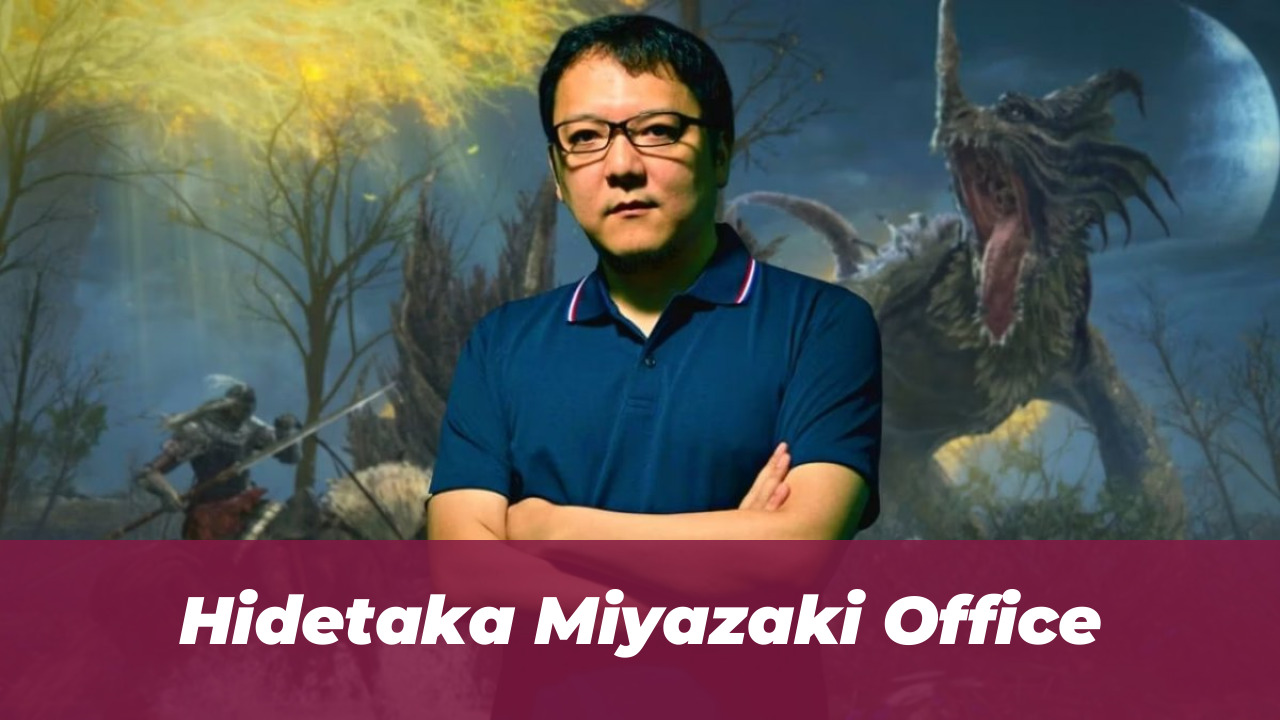
His early career path highlights the value of adaptability and persistence in professional growth. He cites this period as a time when he learned the value of structured work environments. These lessons proved useful when he moved into the unpredictable field of interactive entertainment.
The transition required personal sacrifice and a willingness to start from the bottom. He left a stable career to pursue a passion that lacked guaranteed success. This move demonstrates his drive and ability to master complex systems under pressure.
The Oracle Corporation Years
Miyazaki worked as an account manager at Oracle Corporation for several years. This role demanded high levels of organization and an understanding of complex database structures. He refined his ability to analyze systemic problems during his tenure at this global entity.
The rigorous environment at Oracle helped him develop a keen eye for efficiency. He learned how to communicate technical requirements to diverse stakeholders. These skills transitioned into his later work as a game producer and studio head.
Transitioning into Video Game Development
Entering the gaming industry at 29, Miyazaki faced competition from younger peers. He joined FromSoftware in 2004 with a focus on planning and design. His lack of formal training forced him to rely on intuition and rigorous logic.
He adapted to the creative demands of the studio environment. His colleagues recognized his potential to organize chaotic project requirements into coherent game systems. This early period laid the groundwork for his eventual rise to the top of the company.
Rise to Leadership at FromSoftware
Miyazaki ascended to the role of President of FromSoftware in 2014. His climb through the ranks included a series of successful projects that redefined the company. He transformed the studio from a niche developer into a global powerhouse.
His leadership style blends creative vision with a firm grasp of business operations. By fostering a culture of high standards, he ensures that every project meets strict quality benchmarks. This approach helps the studio maintain its identity while expanding its market reach.
The studio underwent changes under his guidance, emphasizing long term project sustainability. He moved away from short term contract work toward developing internal intellectual properties. This shift allowed the team to refine their design language over several years.
Initial Contributions to Armored Core
His early contributions focused on the Armored Core series, where he served as a planner. He applied his analytical skills to balance the complex mechanical systems of the game. This experience taught him how to integrate intricate design elements into a unified player experience.
Working on established franchises provided a space to experiment. He learned how to iterate on existing mechanics while adding his own unique flair. These early successes gave him the credibility needed to pitch more ambitious concepts later on.
Transforming Internal Development Processes
Miyazaki overhauled how the studio handled internal production workflows. He implemented clearer communication channels between departments to reduce development bottlenecks. This restructuring allowed the team to tackle increasingly complex game worlds with greater efficiency.
He prioritized the development of internal tools that empowered his staff. By streamlining the technical pipeline, he enabled developers to focus on creativity rather than manual labor. This modernization remains a cornerstone of the studio success.
The Souls Franchise and Design Philosophy
The creation of the Souls franchise marked a turning point for the gaming industry. Miyazaki introduced a design philosophy that prioritizes player autonomy and environmental storytelling. He challenged the status quo by refusing to guide the player through difficult segments.
His approach emphasizes the consequences within a game world. Players learn through trial and error, which creates a deep sense of accomplishment upon success. This design choice resonates with a global audience seeking challenging experiences.
Beyond difficulty, his games feature intricate level design. Every environment acts as a narrative device that tells the history of the world without traditional exposition. This style influences countless other developers who aim to replicate his immersive world building techniques.
Overcoming Skepticism with Demon Souls
During the early development of Demon Souls, many within the studio expressed skepticism. The project departed from traditional gaming norms and seemed too risky for the market. Miyazaki persisted, believing that the unique gameplay loop would eventually find its audience.
His commitment to his vision turned a potential failure into a classic. The game established a new sub-genre that focused on deliberate combat and exploration. This success proved that players wanted challenging content that respected their intelligence.
Defining Environmental Storytelling Standards
Miyazaki pioneered a method of storytelling where the world itself provides the narrative. Instead of heavy cutscenes, players discover lore through item descriptions and architecture. This minimalist approach invites players to piece together the history of the game world themselves.
This technique creates a stronger connection between the player and the environment. It rewards curiosity and encourages exploration of every corner of the map. The impact of this style remains evident in the depth of player discourse surrounding his titles.
Corporate Evolution Under Miyazaki
Under Miyazaki, FromSoftware transitioned from a developer for hire to an independent powerhouse. He shifted the business focus toward publishing original titles that carry the company identity. This move granted the studio full creative control over their projects.
The strategic shift also involved building stronger relationships with international partners. By taking control of the publishing process, the studio ensured that their games reached a wider global market. This evolution solidified their position as a top tier developer in the industry.
Shift from Contract Work to Publishing
Moving away from contract work allowed the studio to invest more in their own ideas. Miyazaki recognized that relying on third party publishers limited their creative scope. He championed the development of internal intellectual properties that defined the brand.
This transition required careful financial planning and risk management. By securing funding for original projects, he protected the studio from the volatility of the contract market. The success of this strategy is evident in the longevity of their current franchises.
Modernizing the Studio Business Model
Miyazaki modernized the studio by diversifying revenue streams and project types. He encouraged the team to explore new genres while maintaining their core design pillars. This approach kept the studio relevant in a changing technological climate.
He also focused on building a sustainable work environment for his staff. By balancing high output with reasonable development cycles, he maintained team morale. This focus on long term health remains essential to the studio consistent output.
Technical Influence and Engine Development
Miyazaki influence extends into the technical architecture of his games. He pushed for the creation of proprietary tools that allow for highly detailed and complex world design. These engines handle the unique demands of his vision.
His technical oversight ensures that the visual style matches the gameplay mechanics perfectly. By controlling the engine development, he implements features that would be impossible with off the shelf software. This integration remains vital for the performance of his titles.
Proprietary Tooling for Complex Worlds
The studio developed specialized tools to handle the scope of their recent open world projects. Miyazaki directed these efforts to ensure that the engine could support dense, interconnected maps. These tools allow artists and designers to collaborate effectively.
The technical team focuses on building systems that facilitate rapid iteration. This speed allows Miyazaki to refine the gameplay balance throughout the development process. The result is a polished experience that feels cohesive and deliberate.
Scaling Production for Global Releases
Scaling production for global audiences required improvements in the studio technical pipeline. Miyazaki implemented systems to manage large scale assets without sacrificing quality. This effort ensured that games were optimized for various platforms simultaneously.
He also focused on localization and accessibility to reach a wider demographic. By prioritizing performance stability, he removed barriers for players across different hardware configurations. This commitment to quality remains a defining feature of his releases.
The Oracle Effect on Systemic Design
The influence of his time at Oracle is visible in his approach to systemic game design. He treats game mechanics as data structures that require balance and refinement. This analytical mindset allows him to build complex systems that remain fair.
His background in accountancy provides a unique perspective on resource management within games. He understands how to balance difficulty spikes with player progression to keep engagement high. This systemic rigor is a hallmark of the studio design philosophy.
Applying Database Logic to Game Systems
Miyazaki approaches game design as a series of interconnected variables. He maps out how different mechanics affect player behavior and adjusts them accordingly. This logic driven approach prevents game breaking exploits and keeps the experience consistent.
By treating game design as a data problem, he simulates various player paths. This helps him identify potential issues before they reach the final build. The result is a stable and balanced gameplay experience.
Efficiency in Project Management
His project management style relies on clear documentation and strict adherence to schedules. He applies the same level of detail to his team meetings as he does to his game design. This efficiency keeps the studio focused on its primary objectives.
He minimizes administrative bloat to ensure that the team spends time on development. By fostering a culture of accountability, he ensures that projects stay on track. This disciplined approach remains instrumental in the studio success.
Collaborative Directing and Mentorship
Miyazaki transitioned from a sole visionary to a collaborative leader who mentors new talent. He recognizes that the studio future depends on the growth of its younger directors. He provides guidance while allowing them the space to develop their own creative voices.
This approach has led to a diverse range of projects within the studio. By delegating responsibility, he oversees multiple projects without compromising quality. This shift has turned the studio into a hub for emerging design talent.
Managing Multiple Simultaneous Projects
Overseeing multiple projects requires delegation and trust. Miyazaki sets the high level vision for each game while empowering his team to handle the details. This structure allows the studio to maintain its pace of release.
He maintains consistency across projects by establishing core design tenets. These guidelines ensure that every game feels like a product of the studio. This balance of autonomy and oversight remains key to his management success.
Fostering New Talent Within the Studio
Mentorship is a central pillar of his management philosophy. He identifies promising developers and encourages them to take on leadership roles. This investment in human capital ensures that the studio continues to innovate.

By providing direct feedback, he helps his staff overcome creative hurdles. He values the unique contributions of each team member and encourages cross disciplinary collaboration. This inclusive environment has fostered a loyal and talented workforce.
Legacy and Industry Impact
Miyazaki legacy is cemented in the history of interactive entertainment. He received the Lifetime Achievement Award at the Golden Joystick Awards in 2018 for his contributions. His work has inspired a generation of designers and changed the way the industry views game difficulty.
He continues to push the boundaries of what is possible in gaming. Whether through his innovative design choices or his corporate leadership, his impact is profound. He remains one of the most influential figures in the modern gaming industry.
Commercial Success of Elden Ring
Elden Ring stands as the most successful project under his direction. It sold over 25 million units by 2024, proving the mass appeal of his design philosophy. The game set new standards for open world design and player freedom.
Its success demonstrated that complex, challenging games could achieve mainstream popularity. This milestone paved the way for future projects that prioritize depth and player agency. It remains a benchmark for the industry in terms of quality and sales.
Future Directions for the Developer
Looking ahead, Miyazaki aims to explore new creative horizons. He remains committed to the studio core values while seeking new challenges. The future of the developer looks bright as they expand their creative output.
He plans to keep mentoring the next generation of leaders at the studio. This focus on continuity will ensure that his vision survives and evolves. The industry awaits his next contribution to the medium.
Frequently Asked Questions
How did his previous career influence his games?
His background in database management and accountancy at Oracle instilled a rigorous, systemic approach to design. He treats game mechanics as balanced data sets, which ensures consistency and fairness in his challenging titles.
What is his current role at FromSoftware?
Miyazaki currently serves as the President of FromSoftware. In this capacity, he oversees the studio creative direction, corporate strategy, and the development of multiple simultaneous projects.
Why are his games known for high difficulty?
His games utilize difficulty as a tool to foster a sense of accomplishment. He believes that overcoming obstacles through persistence and learning creates a deeper, rewarding player experience than traditional hand holding.
How does he manage multiple projects?
He manages multiple projects by delegating responsibility to trusted team members while maintaining a clear, high level vision. He establishes core design tenets that ensure consistency across all studio titles.
What is his primary design philosophy?
His philosophy centers on player autonomy, environmental storytelling, and systemic consistency. He prioritizes designs that reward exploration and curiosity while providing challenging, fair gameplay loops that respect player intelligence.
Conclusion
Hidetaka Miyazaki career serves as an example of how unconventional paths lead to industry defining success. His transition from corporate accountancy to the helm of a world class studio highlights the value of analytical thinking and creative persistence. By blending systemic design with immersive world building, he has crafted a unique identity for his studio that resonates with millions. As he continues to mentor new talent and explore future projects, his influence on the gaming industry persists. His dedication to quality and innovation remains a guiding light for developers worldwide.
Key Takeaways
- Miyazaki transitioned from a corporate role at Oracle to game design at age 29.
- He became President of FromSoftware in 2014, leading a shift toward original publishing.
- His design philosophy emphasizes environmental storytelling and high difficulty as a reward.
- He manages multiple projects by fostering a culture of mentorship and delegation.
- Elden Ring stands as his most commercially successful title, selling over 25 million units.
| Metric | Before Miyazaki | Under Miyazaki |
|---|---|---|
| Primary Focus | Contract/Licensed Work | Original Intellectual Property |
| Studio Identity | Niche Developer | Global Publishing Powerhouse |
| Design Approach | Traditional Mechanics | Systemic, World-Driven Design |