
Daniel Lanois stands as a towering figure in the music industry, known for his distinct approach to sonic textures and atmosphere. Born on September 19, 1951, in Hull, Quebec, he built a career defined by innovation and technical precision. His work bridges the gap between traditional production and experimental sound design.
Early Life and Foundations in Quebec
Lanois grew up in Hull, where he began exploring the mechanics of sound at a young age. His childhood environment fostered a deep curiosity for how audio could be manipulated and recorded. This early exposure to music shaped his desire to capture raw, authentic performances.
He moved through various regional bands during his youth, gaining practical experience in live performance. These formative years taught him the importance of dynamics and emotional resonance in music. He eventually sought to translate these live feelings into a recorded format.
The Birth of Grant Avenue Studio
The establishment of Grant Avenue Studio in Hamilton, Ontario, marked a turning point in his professional development. This space served as his personal laboratory for testing new recording theories. He focused on creating an environment that felt comfortable rather than clinical.
At this studio, Lanois refined his ability to work closely with local artists. He treated the recording process as a collaborative effort rather than a technical chore. This period solidified his reputation as a producer who prioritized the artist’s vision above all else.
Defining the Lanois Sonic Signature
Mastering Analog Tape Saturation
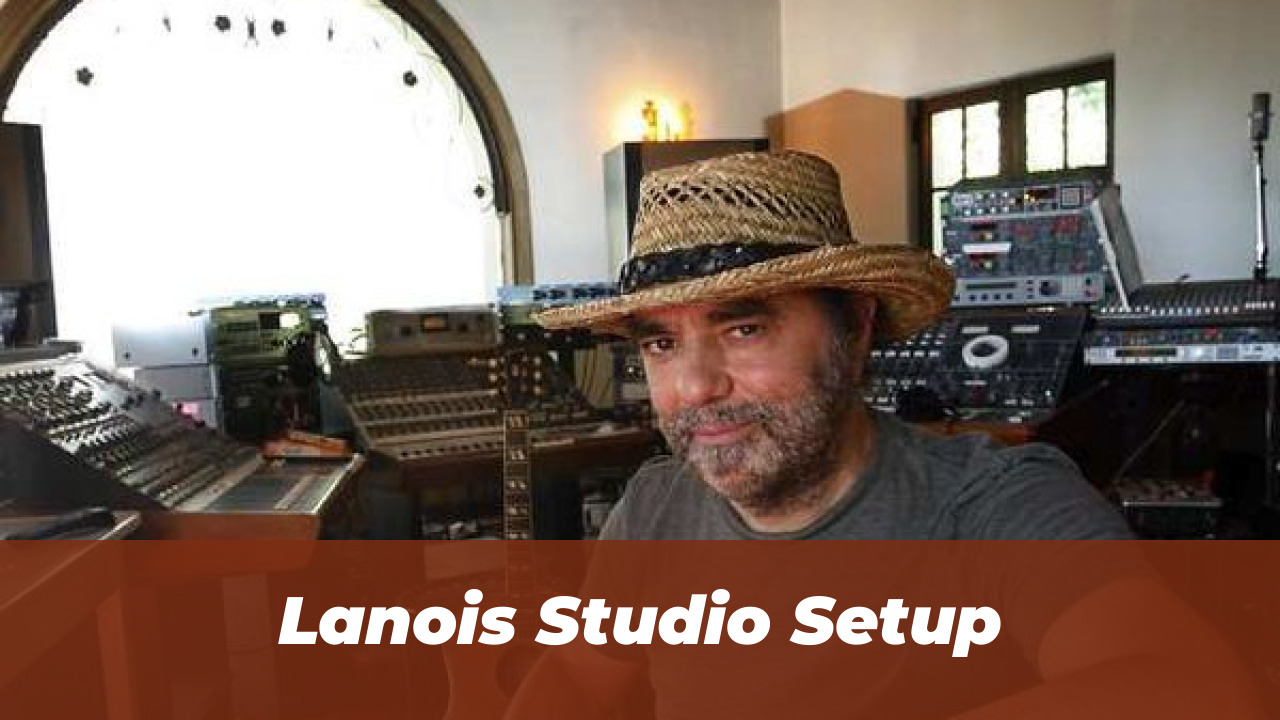
Lanois utilizes analog tape saturation to add warmth and depth to his recordings. He values the subtle compression that tape provides, which helps glue disparate instruments together. This technique creates a cohesive sound that digital mediums often struggle to replicate.
He carefully manages the signal chain to ensure that the harmonic distortion remains musical. By pushing the tape to its limits, he achieves a rich, saturated tone. This process remains a cornerstone of his signature production style.
Microphone Placement and Spatial Awareness
Spatial awareness defines the way Lanois captures audio. He often places microphones at unconventional distances from the source to capture the room’s natural character. This method prevents the sterile sound associated with small, soundproofed booths.
He considers the air between the instrument and the microphone as an active participant. By adjusting these distances, he controls the perceived size of the performance. This attention to detail results in recordings that feel immersive and alive.
The Brian Eno Partnership
Collaborative Dynamics in the 1980s
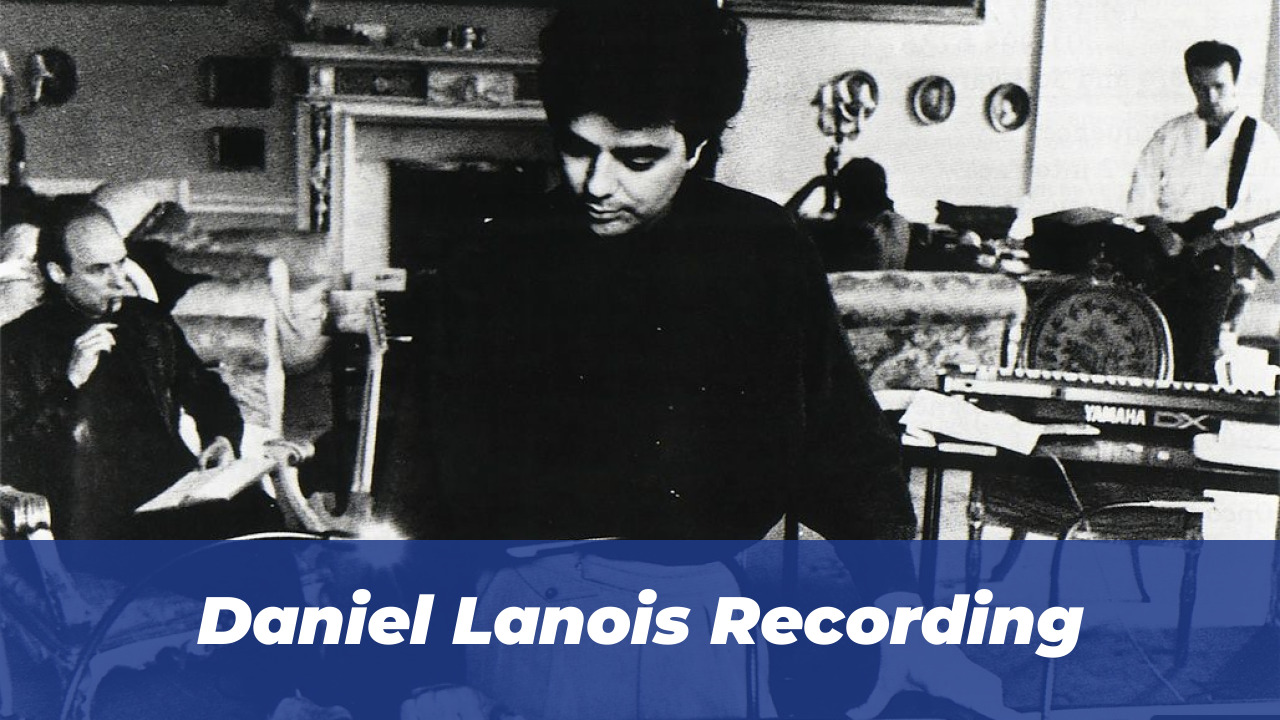
The partnership between Daniel Lanois and Brian Eno changed the trajectory of alternative rock. They combined Lanois’ technical expertise with Eno’s avant-garde sensibilities. This synergy allowed them to push boundaries that most mainstream producers ignored.
They worked as a unified front, often exchanging roles during long sessions. Their collaboration relied on mutual respect and a shared desire for sonic discovery. This dynamic proved essential for the success of their high-profile projects.
Shaping the Alternative Rock Sound
Together, they helped define the sound of the 1980s by introducing atmospheric layers to rock music. They moved away from dry, punchy production in favor of expansive, reverberant textures. This shift influenced countless bands that followed in their wake.
Their work often involved deconstructing songs to find the core emotional hook. Once identified, they would build complex soundscapes around those central elements. This approach became a blueprint for modern alternative production.
Architectural Recording Techniques
Transforming Spaces into Instruments
Lanois views the physical space as a vital instrument in the production process. He selects environments that possess unique acoustic properties to enhance the music. This philosophy turns a recording session into an exploration of acoustics.
He treats the walls, floors, and ceilings as components of the overall mix. By manipulating how sound bounces within these areas, he creates custom textures. This makes every project sound distinct from the last.
Recording in Cathedrals and Historic Homes
His preference for historic homes and cathedrals allows for natural reverb that cannot be simulated. These locations offer a sense of scale and history that influences the performances of the artists. Musicians often feel more inspired by their surroundings in these settings.
He manages the technical challenges of these spaces with mobile recording rigs. He ensures that the high fidelity of the performance remains intact despite the unconventional setting. This flexibility is a hallmark of his professional dedication.
The Producer as Active Musician
Contributing Guitar and Pedal Steel Textures
Lanois rarely stays behind the mixing console during a recording session. He frequently contributes guitar and pedal steel parts to the tracks he produces. His playing style is atmospheric and complements the vocal melodies perfectly.
He understands when to add a layer and when to leave space for the artist. His contributions often serve as the emotional glue for the entire song. This dual role enhances his connection to the final product.
Blending Production with Performance
By playing on the records, he gains immediate insight into the song’s requirements. He can adjust the production on the fly to better suit the performance. This fluid process creates a more organic result than traditional separation of roles.
He maintains a balance between being a technician and an artist. This integration allows him to shape the sound from the inside out. It makes his work instantly recognizable to listeners.
Impact on Landmark Albums
Work with U2 and The Joshua Tree
The collaboration on The Joshua Tree remains one of his most significant achievements. Lanois and Eno helped the band craft a sound that felt both intimate and grand. They successfully captured the energy of the band’s live performances.
The album features dense textures that support the powerful vocal delivery. Lanois played a key role in arranging these layers to maintain clarity. This record highlights his ability to manage large-scale productions.
Refining the Sound of Bob Dylan
Lanois took a different approach when working with Bob Dylan. He focused on capturing the raw, weathered quality of Dylan’s voice and guitar. The production on Time Out of Mind highlights the depth of the songwriting.
He created a dark, moody atmosphere that perfectly matched the lyrical themes. This project earned him multiple Grammy Awards and critical acclaim. It demonstrated his versatility as a producer across different genres.
Solo Career and Film Compositions
Reflections on Acadie and Shine
His solo albums showcase his personal vision as a songwriter and performer. Acadie, released in 1989, remains a fan favorite for its blend of folk and atmospheric rock. Shine, released in 2003, further explored his interest in ambient textures.
These records allow him to experiment without the pressure of a commercial deadline. They serve as a canvas for his most personal musical ideas. Fans appreciate these works for their honesty and sonic depth.
Scoring for Sling Blade and Beyond
Lanois expanded his reach into film scoring with notable success. His work on Sling Blade captures the tense, rural atmosphere of the narrative. He uses minimal instrumentation to evoke strong emotions in the viewer.
He continues to seek projects that challenge his creativity. His ability to tell a story through sound makes him a sought-after composer. He treats film music with the same rigor as his studio production work.
Legacy in Modern Music Production
Influence on Contemporary Producers
Many modern producers cite Lanois as a major influence on their work. They admire his willingness to experiment with microphone placement and room acoustics. His legacy lives on through the next generation of studio professionals.
He has shifted the industry standard away from perfection toward emotional authenticity. Producers now look for ways to capture the character of a room. This shift is a direct result of his pioneering techniques.
Future Directions in Audio Engineering
Lanois continues to explore new technologies while maintaining his analog roots. He advocates for a hybrid approach that utilizes the best of both worlds. He remains active in the studio and continues to inspire new talent.
His focus remains on the intersection of human performance and technical mastery. As audio engineering evolves, he adapts his methods to suit the changing environment. He remains a relevant and vital voice in music.
Frequently Asked Questions
How did Lanois change studio recording?
Lanois moved the focus from sterile, soundproofed environments to natural spaces. He emphasized the use of the room as an instrument, which changed how engineers think about acoustics.
What instruments does Daniel Lanois play?
He is a skilled multi-instrumentalist, focusing primarily on guitar, pedal steel, and piano. He often incorporates these instruments into the tracks he produces for others.
Which major artists has he produced?
He has worked with a wide range of artists, including U2, Bob Dylan, Peter Gabriel, and Emmylou Harris. His production style is adaptable to various musical genres.
Why does he prefer non-traditional spaces?
He believes that unconventional spaces offer a unique acoustic character that cannot be replicated. These spaces provide a sense of place and history that enhances the music.
Is his production style purely analog?
Lanois uses a hybrid approach, combining analog tape saturation with modern digital recording. He values the warmth of analog but appreciates the flexibility of digital tools.
Summary of Musical Contributions
Final Thoughts on His Production Style
Daniel Lanois has left an indelible mark on the music world through his commitment to sound. His ability to turn a room into a studio and a studio into a performance space remains unmatched. He continues to influence how music is made today.
His work reminds listeners that the best recordings capture a moment in time. By focusing on atmosphere and emotion, he elevates the art of production. His career serves as a model for aspiring producers everywhere.