
A recent surge in high-profile digital restoration projects has brought renewed attention to the art of colorizing historical photography. On September 19, 2026, historians and digital artists gathered to discuss how these vivid renderings influence public perception of the 19th and 20th centuries. This movement shifts archival preservation into the modern era, transforming static, gray-scale memories into vibrant windows that bridge the gap between contemporary society and the past.
The Technical Process of Digital Colorization
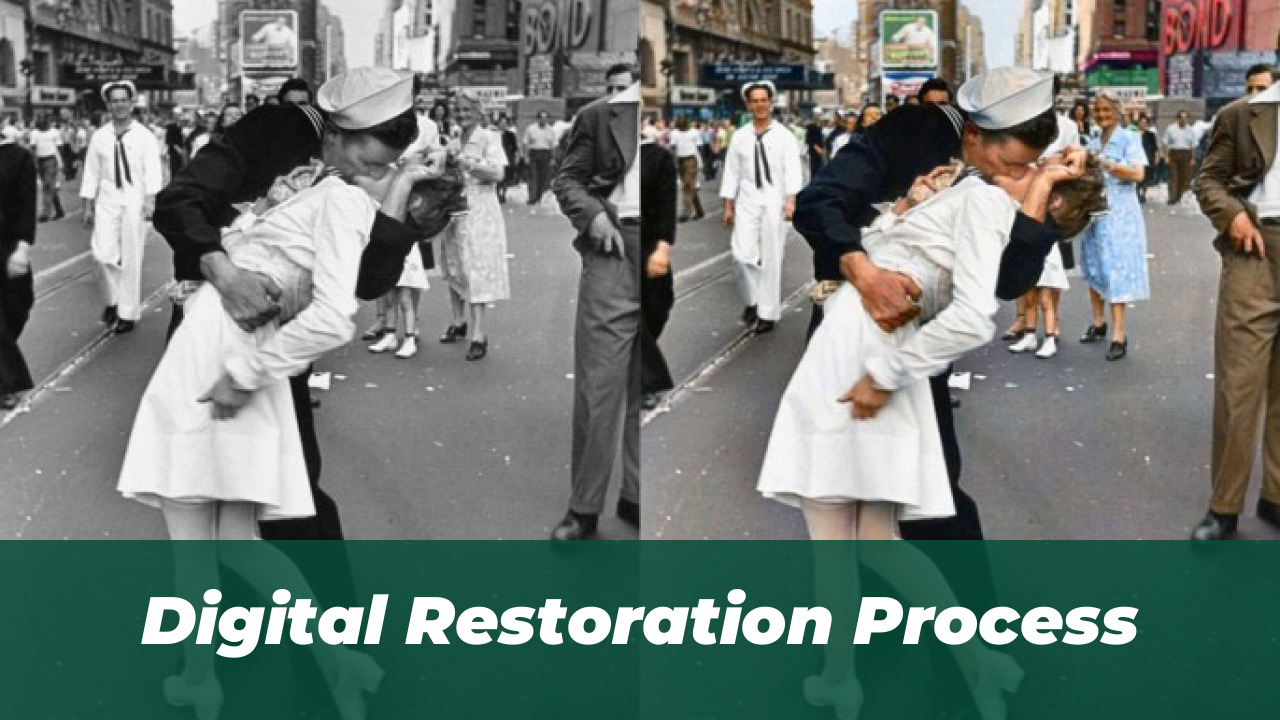
The creation of a colorized image begins with the careful preparation of a high-resolution scan from an original glass plate or film negative. Restorers address physical degradation, such as scratches, dust, and silvering, which frequently plague century-old documents. This stage requires a delicate touch to ensure the foundational grayscale data remains intact throughout the digital cleaning process.
Layering Techniques in Modern Software
Modern restoration artists employ non-destructive layering techniques to apply color without altering the underlying photographic data. By utilizing multiple semi-transparent layers, they build depth and texture that mimic the way light interacts with various surfaces. This method allows for precise control over saturation and opacity, ensuring the colors appear as natural light rather than a painted overlay.
AI Prediction Models Versus Manual Restoration
Artificial intelligence now plays a significant role in predicting color values based on vast datasets of existing color photography. While these algorithms provide a fast starting point, they often struggle with complex textures or unusual lighting conditions. Professional artists combine these automated predictions with manual, brush-based corrections to achieve a higher degree of visual fidelity and nuance.
Accuracy in Historical Reconstruction
Achieving true accuracy requires more than just artistic flair; it demands rigorous investigative research into the period being depicted. Every element, from the chemical composition of early fabric dyes to the specific architectural materials used in the 19th century, must be verified. This commitment to detail separates high-quality historical reconstructions from mere digital approximations.
Researching Period-Correct Fabric Dyes
Artists consult historical catalogs and textile archives to determine which colors were commercially available and popular during specific decades. For example, the vibrant synthetic dyes of the late 19th century differed significantly from the natural pigments used in earlier eras. Applying anachronistic colors can undermine the credibility of a photo, so restorers prioritize period-specific palettes for clothing and accessories.
Matching Skin Tones and Environmental Lighting
Capturing authentic skin tones remains one of the most challenging aspects of the restoration process due to the limitations of early film emulsions. Artists account for the color temperature of ambient light sources, such as gas lamps or natural sunlight, to ensure consistency. By analyzing the interplay between shadow and highlight, they create a cohesive image that feels grounded in reality.
The Ethical Dilemma of Altering Primary Sources
The act of colorizing a historical document sparks intense debate within the academic and archival communities regarding the sanctity of primary sources. Critics argue that applying subjective color interpretations to archival images risks distorting the historical record for future generations. Proponents contend that these derivatives serve as powerful educational tools that engage the public in ways monochrome photos cannot.
Preserving Integrity in Archival Documents
Archivists emphasize that the original negative must always remain the authoritative source of truth, untouched by digital manipulation. Colorized versions are treated as secondary interpretations, clearly labeled to prevent confusion with the raw archival data. This distinction ensures that researchers continue to study the original artifacts while the public enjoys the benefits of modern visualization.
Balancing Public Engagement with Historical Truth
The primary goal of many colorization projects is to foster a deeper connection between modern viewers and historical events. By making the past feel immediate and tangible, these images encourage broader public interest in history and archival research. The challenge lies in maintaining this engagement without sacrificing the nuance and complexity inherent in historical facts.
Expert Perspectives on Visualized History
Professional historians and archivists offer unique insights into how colorized imagery influences our collective memory of the past. Many experts acknowledge that while colorization can humanize historical figures, it also introduces the risk of oversimplification. They advocate for a transparent process where the methodology behind the color choices is documented and accessible to the viewer.
Insights from Professional Archivists
Archivists often highlight the importance of provenance when evaluating the quality of a restoration project. They look for evidence of research, such as citations of historical sources or consultations with subject matter experts. A well-documented process adds a layer of intellectual rigor that elevates the work from a simple artistic project to a scholarly contribution.
The Impact on Public Perception of Past Eras
Colorized photography fundamentally changes how we perceive the distance between our lives and those of our ancestors. It removes the psychological barrier of the black-and-white aesthetic, making the past seem like a continuation of the present. This shift in perspective leads to greater empathy and a better understanding of the human condition across different time periods.
Case Studies in High-Fidelity Colorization
Examining specific projects reveals the immense effort required to produce high-fidelity historical imagery. Projects focusing on the early industrial age require extensive research into urban development and the specific materials used in factory construction. These case studies demonstrate how technical skill and historical knowledge combine to produce stunning results.
Analyzing 19th Century Architectural Details
Restoring architectural photography requires a deep understanding of historical building techniques and material palettes. Artists identify the original materials, such as brick, limestone, or iron, to apply the correct light reflection properties. This attention to detail ensures the final image reflects the true character of the era rather than a stylized interpretation.
Restoring Faces from the Early Industrial Age
Faces represent the most sensitive aspect of any restoration, requiring a nuanced approach to skin texture and lighting. By carefully analyzing the structure of the face and the direction of the light, artists bring out the humanity in the subjects. This process involves multiple rounds of correction to ensure skin tones appear natural and consistent across the entire portrait.
Distinguishing Between Manual and Automated Methods
The industry currently faces a divide between fully automated AI processes and traditional, manual brush-based restoration. Automated methods are efficient but often lack the contextual understanding required to handle complex historical details. Manual methods allow for a higher level of precision but require significantly more time and expertise to execute correctly.
The Human Element in Color Correction
Human artists bring judgment to the process, allowing them to correct errors that algorithms might miss. They interpret context clues in an image, such as the material of a uniform or the type of local foliage, to make informed color decisions. This human element is essential for ensuring the final output is both beautiful and historically sound.
Limitations of Algorithmic Processing
Algorithmic processing frequently struggles with edge detection and color bleeding, which can create distracting artifacts. These tools often rely on pattern matching, which can lead to inaccuracies when the software encounters an object it does not recognize. Consequently, the most successful projects utilize AI as a starting point, followed by extensive human oversight.
The Role of Archives in Modern Restoration
Public archives provide the essential foundation for all high-quality restoration work through their vast collections of high-resolution scans. These institutions maintain strict standards for the handling and digitization of fragile materials, ensuring the original documents survive for future study. Collaborations between artists and these archives are vital for the continued growth of historical visualization.
Accessing High-Resolution Original Scans
Access to high-resolution files is the single most important factor in the success of a colorization project. These files contain the fine details and tonal depth necessary for accurate color application. Many leading archives now offer open access to their digital collections, enabling artists to create work that is both accessible and based on high-quality source material.
Ethical Standards for Digital Derivatives
Standards for digital derivatives are evolving to address the unique challenges posed by modern technology. Experts recommend that all colorized images include metadata detailing the source of the original, the techniques used, and any historical assumptions made during the process. This transparency protects the integrity of the archival record while supporting the creative use of historical data.
Expanding the Scope of Digital Restoration
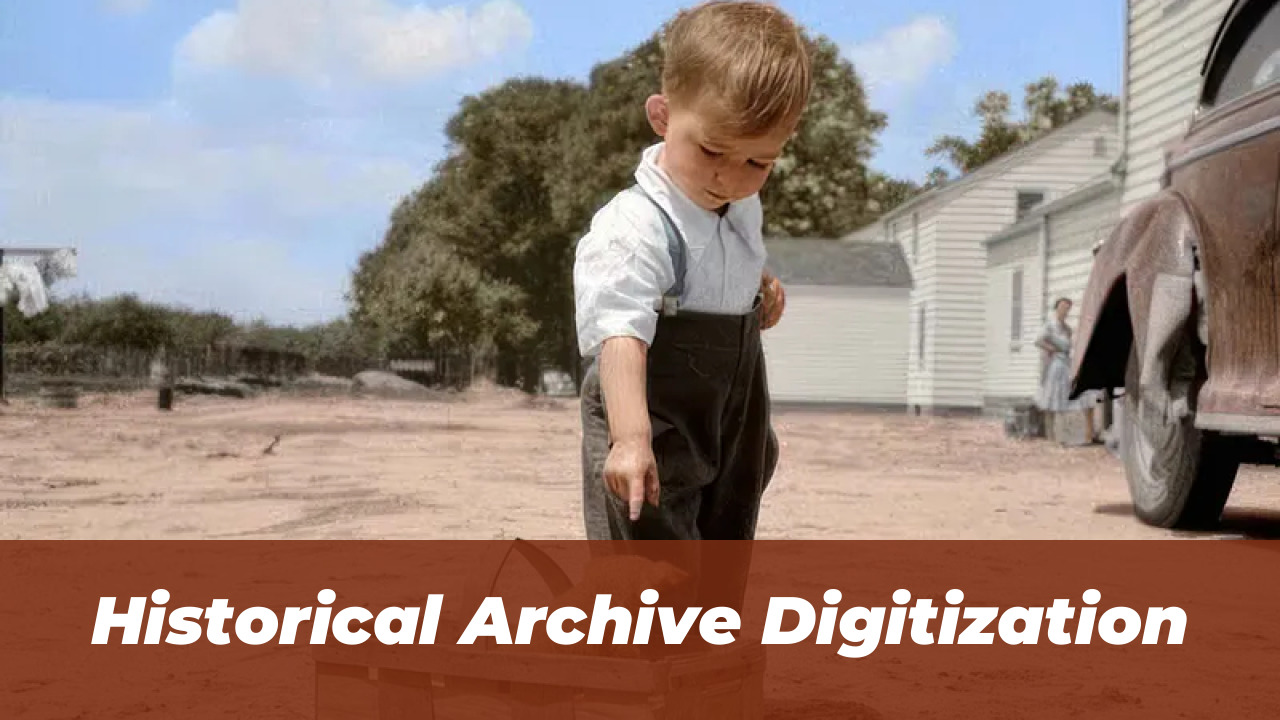
Beyond standard photographs, restorers have begun applying these techniques to rare cinematic footage and personal journals. By colorizing motion pictures, creators allow viewers to observe the pace and movement of daily life in previous centuries. This broader application provides a more complete picture of historical environments, extending the reach of colorization beyond static portraits.
The impact of this technology extends into educational curricula, where teachers use colorized imagery to pique student interest. Research shows that students retain information more effectively when visual aids are presented in a familiar, modern color gamut. This pedagogical shift illustrates the power of visual history to make academic subjects feel relevant and urgent.
Frequently Asked Questions
Does colorization damage the original negative?
No, modern colorization is a purely digital process that occurs on a separate copy of the image. The original negative or print remains completely untouched and preserved in its original state.
How do artists determine correct clothing colors?
Artists research historical fashion catalogs, period-appropriate textile samples, and museum collections. They look for documentation regarding the specific colors popular during the time the photograph was taken.
Are these images considered historically accurate?
Colorized images are interpretations rather than literal historical records. While they aim for high accuracy through research, they should be viewed as educational tools rather than primary source documents.
Why do some historians oppose this practice?
Some historians worry that colorization can introduce anachronistic biases or mislead viewers. They emphasize the importance of distinguishing between the original archival document and the modern digital derivative.
Where can one find high-quality historical images?
Leading national libraries, government archives, and university collections provide public access to high-resolution scans. These institutions are the best sources for authentic historical material.
Key Takeaways
- Colorization bridges the gap between modern viewers and the historical past.
- Rigorous research into period-specific materials is essential for accuracy.
- Digital restoration is a non-destructive process that leaves the original intact.
- Human expertise remains superior to fully automated AI for complex details.
- Transparency and documentation are vital for maintaining ethical standards.
The Future of Historical Representation
The integration of advanced digital tools into historical research has permanently altered how we interact with the past. As technology continues to evolve, the ability to visualize history with greater clarity will likely become a standard component of education and public outreach. By maintaining a balance between artistic innovation and historical integrity, we can continue to bring the past to life in a way that is both meaningful and accurate.
Future developments in machine learning may further refine the process, but the human role in interpreting and validating these images will remain indispensable. As we move forward, the collaboration between technologists and archivists will define the next generation of historical storytelling. The goal remains to honor the past while utilizing the full capabilities of modern innovation.