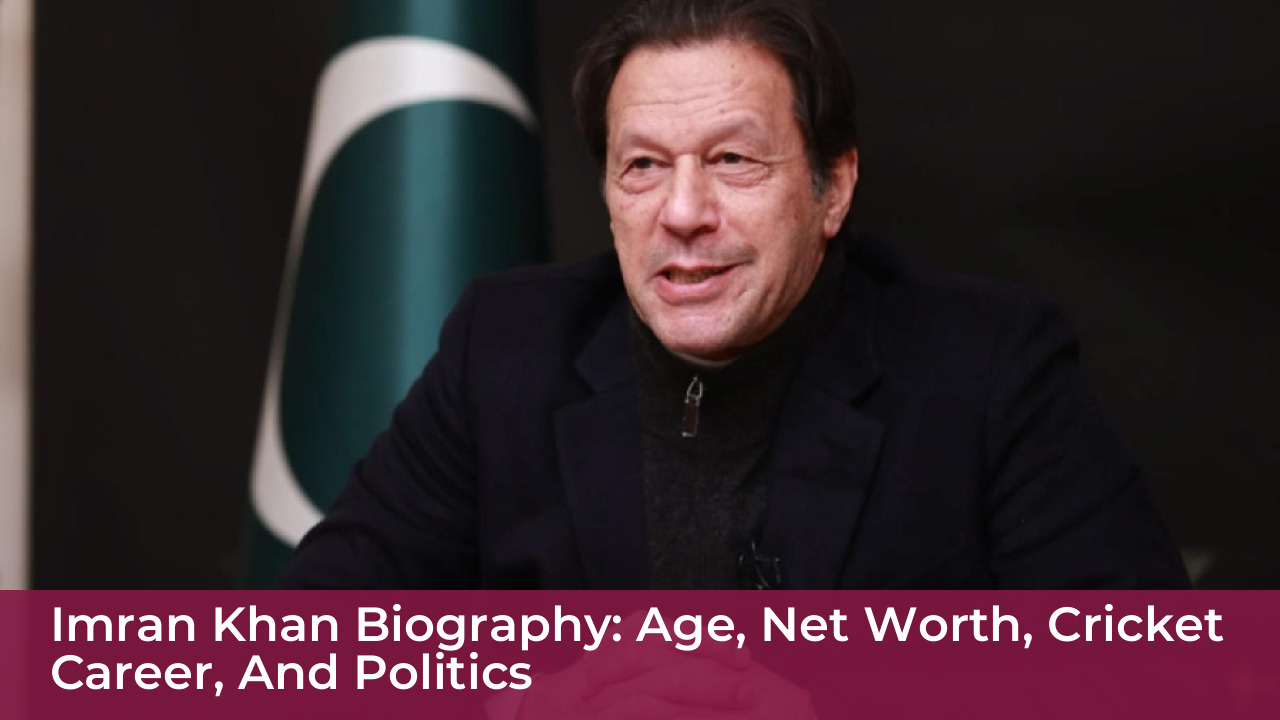
Imran Khan stands as one of the most polarizing and influential figures in modern South Asian history. His trajectory shifts across three distinct domains: international sports stardom, large-scale philanthropy, and high-stakes national politics. Born into a prominent family in Lahore, Khan transitioned from a celebrated fast bowler and World Cup-winning cricket captain to a dedicated philanthropist who revolutionized cancer treatment in Pakistan. Eventually, he entered the political arena, founding the Pakistan Tehreek-e-Insaf party and rising to the office of prime minister. His career reflects the complexities of leadership, institutional friction, and public adulation in a developing democracy.
- Imran Khan Early Life and Education
- Imran Khan Childhood in Lahore and Aitchison College
- Imran Khan Oxford University Years and Cricket Debut
- Imran Khan Legendary Cricket Career and 1992 World Cup
- Imran Khan Rise as Pakistan Cricket Team Captain
- Imran Khan Winning the 1992 Cricket World Cup
- Imran Khan Philanthropic Work and Shaukat Khanum Hospital
- Imran Khan Founding Shaukat Khanum Memorial Cancer Hospital
- Imran Khan Evolution of Philanthropic Funding and Free Healthcare
- Imran Khan Political Career and Rise of Pakistan Tehreek-e-Insaf
- Imran Khan Founding PTI and Early Political Struggles
- Imran Khan Electoral Breakthrough and 2018 General Election
- Imran Khan Prime Minister of Pakistan and Governance Reforms
- Imran Khan Khyber Pakhtunkhwa Health and Educational Reforms
- Imran Khan Economic Challenges and Foreign Policy Shifts
- Imran Khan Contemporary Legal Challenges and Military Relations
- Imran Khan Ouster Through Vote of No Confidence
- Imran Khan Institutional Power Shifts and Judicial Battles
- Imran Khan Net Worth and Personal Life
- Imran Khan Estimated Net Worth and Property Holdings
- Imran Khan Literary Works and Published Books Analysis
- Frequently Asked Questions About Imran Khan
- What is Imran Khan Current Age?
- How Many Books Did Imran Khan Write?
- When Did Imran Khan Win the Cricket World Cup?
- What is the Shaukat Khanum Memorial Hospital?
- When Was Imran Khan Prime Minister?
- What Political Party Did Imran Khan Found?
- Key Takeaways
- Conclusion
Imran Khan Early Life and Education
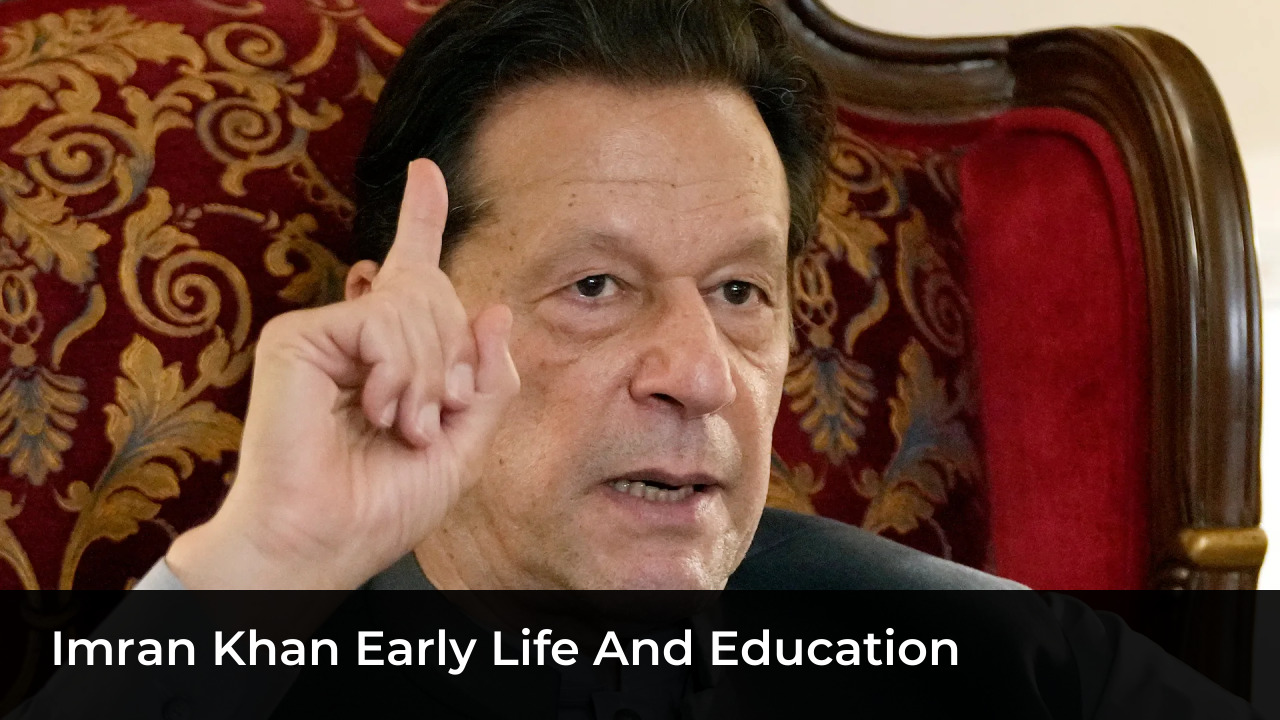
Imran Khan Niazi was born on October 5, 1952, in Lahore, Pakistan. He grew up in an upper-middle-class family with roots in the Niazi Pashtun tribe of Mianwali. His father, Ikramullah Khan Niazi, worked as a civil engineer, while his mother, Shaukat Khanum, came from a family with a rich sporting heritage. As the only son among five sisters, Khan received significant attention regarding his education and athletic pursuits. His early environment in Lahore shaped his initial worldview, exposing him to both traditional values and elite academic institutions.
Formal education began at Aitchison College in Lahore, an elite boarding school modeled on British public schools. During his time at Aitchison, Khan developed a strong interest in cricket, spending hours on the school pitches refining his bowling action. Academic pressures did not overshadow his athletic ambitions, as he regularly represented the school cricket team. Teachers and peers noted his competitive streak and physical endurance, traits that later defined his professional sporting career.
Following his time at Aitchison College, Khan moved to the United Kingdom to further his studies. He enrolled at the Royal Grammar School Worcester before attending Keble College, Oxford, where he studied Philosophy, Politics, and Economics (PPE). Life at Oxford presented a stark contrast to his upbringing in Lahore, exposing him to Western academic rigor and social structures. He graduated in 1975, balancing his demanding university coursework with an increasingly serious commitment to competitive county and international cricket.
Imran Khan Childhood in Lahore and Aitchison College
The streets of Lahore provided the backdrop for Imran Khan’s formative years, where street cricket served as an everyday ritual. His cousins and local peers organized matches that tested resilience and tactical thinking. This informal play built a natural aptitude for the sport long before formal coaching entered his life.
At Aitchison College, institutional discipline helped channel this raw athletic energy into structured performance. The school emphasized sportsmanship alongside academics, instilling a sense of duty that Khan carried into his adult life. Coaches at Aitchison identified his potential early, encouraging him to focus on fast bowling despite his slender frame during adolescence.
Imran Khan Oxford University Years and Cricket Debut
Oxford University provided Imran Khan with intellectual stimulation and a platform to showcase his athletic talents on English pitches. He earned his blues in cricket while studying at Keble College, cementing his status as a formidable all-rounder in university leagues. Balancing the rigorous PPE syllabus with county cricket matches required strict time management.
His international debut for the Pakistan national cricket team occurred in June 1971 against England at Edgbaston. Although his initial performance was modest, the experience offered a glimpse into the demands of test cricket. Over the next few years, Khan refined his bowling technique, transforming from a fast-medium swing bowler into a genuine pace bowler capable of unsettling the world’s best batsmen.
Imran Khan Legendary Cricket Career and 1992 World Cup
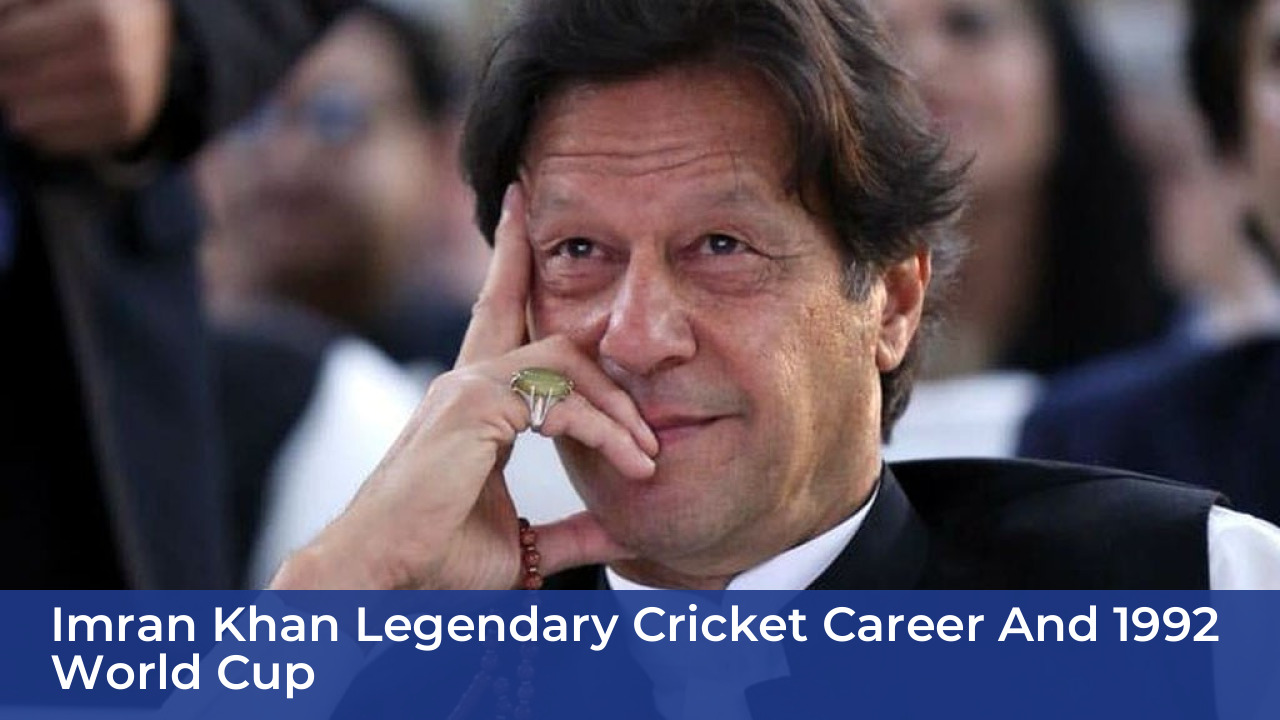
Imran Khan’s career as a cricketer spans two decades, marked by fierce competitiveness, tactical acumen, and athletic longevity. He established himself as one of the finest all-rounders in cricket history, joining an elite group of players who achieved the test double of 3,000 runs and 300 wickets. His leadership transformed the Pakistan national team from a talented but unpredictable squad into a disciplined global powerhouse. Under his guidance, Pakistan achieved historic series victories against formidable opponents, including England, India, and the West Indies.
Beyond his individual statistics, Khan’s impact on the sport lies in his mentoring of younger players. He identified raw talent across the country, particularly nurturing unorthodox bowlers who later dominated international formats. His aggressive captaincy style demanded absolute fitness and mental toughness, setting a new benchmark for Pakistani cricket. Despite suffering a severe stress fracture in his shin during the 1983 season that threatened to end his career, Khan underwent experimental treatment and returned to the pitch with renewed vigor.
The pinnacle of his sporting career arrived in 1988 when he initially retired from international cricket, only to be persuaded by President Zia-ul-Haq to return for the sake of the nation. This return culminated in the historic 1992 Cricket World Cup campaign in Australia and New Zealand. Despite a rocky start and physical injuries, Khan famously urged his team to fight like cornered tigers. His leadership on and off the field galvanized the squad, leading to a victory over England in the final at Melbourne and sealing his legacy as a national icon.
Imran Khan Rise as Pakistan Cricket Team Captain
Assuming the captaincy of the Pakistan cricket team in 1982 brought immense pressure due to intense factionalism within the squad. Imran Khan addressed these internal divisions by enforcing strict discipline and meritocratic selection criteria. He demanded that players match his rigorous fitness standards, reshaping the team culture from within.
This authoritative leadership style initially faced resistance from senior players, but consistent victories on the field validated his approach. Khan led by example, often shouldering the bowling workload during crucial moments of a match. His tactical vision allowed Pakistan to secure competitive advantages against superior-funded cricket boards.
Imran Khan Winning the 1992 Cricket World Cup
The 1992 Cricket World Cup campaign tested Imran Khan’s resilience to its absolute limit. Plagued by a shoulder injury and a string of poor early match results, Pakistan appeared on the brink of elimination. Khan delivered a legendary motivational speech in the dressing room, urging his players to play without fear of failure.
In the final match against England, Khan top-scored for Pakistan with 72 runs and took the final wicket to seal victory. Lifting the crystal trophy at the Melbourne Cricket Ground marked the emotional high point of his athletic life. This triumph united the Pakistani diaspora and domestic population in rare national celebration.
Imran Khan Philanthropic Work and Shaukat Khanum Hospital
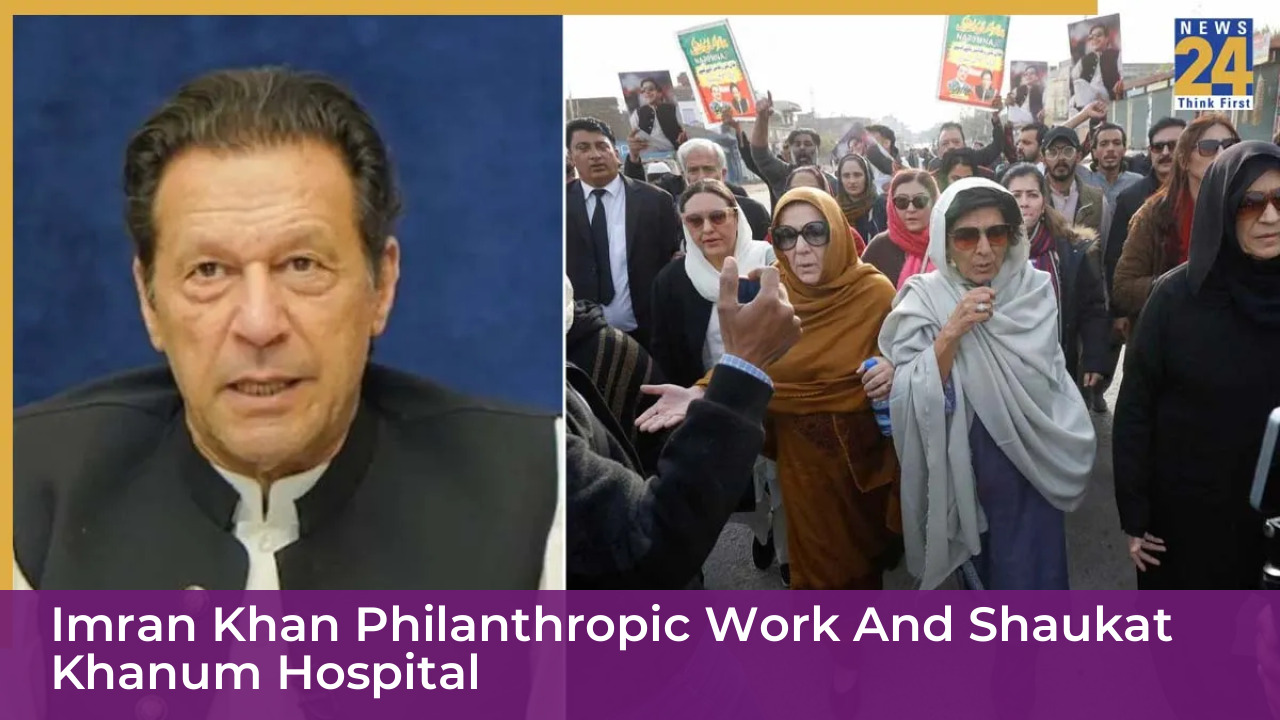
Following his retirement from cricket, Imran Khan shifted his immense public capital toward addressing a critical healthcare crisis in Pakistan. The death of his mother, Shaukat Khanum, from cancer in 1985 exposed the absence of specialized oncology care in the country. Khan resolved to build a world-class cancer hospital that would provide free treatment to underprivileged patients. This ambition skepticism from medical professionals who doubted the feasibility of funding such an expensive project in a developing nation.
Undeterred by early setbacks, Khan launched a relentless global fundraising campaign, leveraging his celebrity status to solicit donations from expatriates, international cricketers, and domestic citizens. He traveled continuously, holding charity dinners, auctions, and public rallies. His personal integrity served as the primary guarantor for donors, ensuring transparency in financial management. The first Shaukat Khanum Memorial Cancer Hospital and Research Centre officially opened in Lahore in 1994, offering state-of-the-art diagnostic and therapeutic facilities.
The institutional model pioneered by Khan fundamentally altered the landscape of charitable healthcare in Pakistan. Over the decades, the hospital network expanded beyond Lahore to include a massive facility in Peshawar, with further projects planned for other regions. The operational model relies on a mix of corporate donations, zakat contributions, and paying patients, allowing the institution to subsidize treatment for roughly 75 percent of its patients entirely free of charge. This achievement established Khan as a social reformer capable of executing complex infrastructural projects.
Imran Khan Founding Shaukat Khanum Memorial Cancer Hospital
The establishment of the Shaukat Khanum Memorial Cancer Hospital required overcoming severe bureaucratic hurdles and financial skepticism. Imran Khan personally spearheaded the architectural planning, land acquisition, and medical equipment procurement. He insisted that the facility match international standards of hygiene and patient care.
Opening the hospital in Lahore transformed local perceptions regarding charity-run institutions. Patients who previously had to travel abroad for cancer therapy found advanced oncology services domestically. The hospital’s success proved that large-scale public welfare projects could succeed through direct citizen participation.
Imran Khan Evolution of Philanthropic Funding and Free Healthcare
Financing the Shaukat Khanum network required innovative fundraising models that adapted to shifting economic conditions. Imran Khan established an extensive donor database, relying heavily on annual zakat contributions during Ramadan. This religious obligation provided a steady stream of capital from devout Muslims worldwide.
The free healthcare model expanded to include specialized research facilities, bridging the gap between clinical treatment and academic medicine. By subsidizing care for impoverished patients through revenues generated from paying clientele, the institution achieved financial sustainability. This dual-tier revenue structure ensured that high-quality cancer care remained accessible regardless of personal wealth.
Imran Khan Political Career and Rise of Pakistan Tehreek-e-Insaf
Imran Khan entered national politics on April 25, 1996, by founding the Pakistan Tehreek-e-Insaf, translating to the Movement for Justice. His political ideology centered on anti-corruption, the establishment of an independent judiciary, and the creation of a welfare state modeled on the State of Medina. For over a decade, PTI remained a minor political player, failing to secure significant seats in the 1997 and 2002 general elections. Critics dismissed Khan as a political novice whose idealism lacked grassroots organizational depth.
The turning point for PTI arrived in the late 2000s and early 2010s, fueled by widespread public disillusionment with the alternating rule of the Pakistan Muslim League-Nawaz and the Pakistan Peoples Party. Khan capitalized on this discontent by organizing massive public rallies, particularly targeting urban youth and women who felt excluded by traditional political elites. His fiery speeches resonated with a generation facing economic stagnation and institutional decay. The historic public gathering at Minar-e-Pakistan in Lahore on October 30, 2011, signaled PTI’s emergence as a major national political force.
In the 2013 general elections, PTI made a significant electoral breakthrough, emerging as the third-largest party nationally and winning a commanding majority in the Khyber Pakhtunkhwa provincial assembly. This provincial victory provided Khan with a governance laboratory to test his reformist agenda. Following five years of opposition politics and sustained anti-corruption agitation, Khan secured victory in the 2018 general elections, forming a coalition government at the federal level and stepping into the office of prime minister.
Imran Khan Founding PTI and Early Political Struggles
The founding of Pakistan Tehreek-e-Insaf in 1996 aimed to dismantle dynastic politics and systemic corruption. Imran Khan recruited academics, technocrats, and civil society activists to form the core party leadership. However, traditional political dynamics rooted in patronage and local biraderi networks proved difficult to penetrate.
During the 2002 general elections under military ruler Pervez Musharraf, Khan won his lone National Assembly seat from Mianwali. Despite this isolated victory, the party struggled to build electoral momentum. Khan frequently boycotted or protested rigged electoral processes, maintaining a principled stance that marginalized PTI in mainstream legislative chambers for years.
Imran Khan Electoral Breakthrough and 2018 General Election
The 2013 general elections marked PTI’s transformation from a pressure group into a viable electoral alternative. Khan utilized social media and energetic youth volunteers to circumvent traditional media monopolies. Although allegations of rigging marred the vote count, the party secured critical legislative ground.
The 2018 general election campaign centered on the promise of a Naya Pakistan, or New Pakistan. PTI emerged as the single largest party in the National Assembly, aided by the inclusion of electables who provided necessary local constituency support. Khan took the oath as prime minister on August 18, 2018, inheriting a precarious economic landscape.
Imran Khan Prime Minister of Pakistan and Governance Reforms
Imran Khan’s tenure as prime minister from 2018 to 2022 focused on structural reforms, economic stabilization, and social welfare expansion. His administration introduced the Ehsaas Programme, one of the largest social safety net initiatives in the country’s history, aimed at poverty alleviation and targeted subsidies. Additionally, the government launched the universal health insurance scheme, known as the Sehat Sahafat Card, providing free inpatient medical treatment to millions of families across Khyber Pakhtunkhwa, Punjab, and Azad Jammu and Kashmir. Environmental initiatives, such as the 10 Billion Tree Tsunami reforestation project, received international acclaim for combating climate change and desertification.
Despite these social welfare achievements, governance faced immense structural hurdles. The administration struggled to manage macroeconomic imbalances inherited from previous governments, leading to prolonged negotiations with the International Monetary Fund. Currency depreciation and inflation strained household budgets, eroding public support. , foreign policy navigations required balancing traditional alliances with Western powers while deepening strategic and economic ties with China through the China-Pakistan Economic Corridor, alongside managing complex relations with neighboring Afghanistan and India.
At the provincial level, particularly in Khyber Pakhtunkhwa where PTI governed continuously from 2013 onward, specific administrative reforms yielded measurable results. The provincial government overhauled the health sector by introducing autonomous district health authorities, upgrading rural health centers, and implementing strict attendance monitoring for medical staff. Educational reforms focused on standardizing curricula, depoliticizing teacher recruitment through independent testing services, and rehabilitating physical infrastructure in thousands of public schools. These sub-national experiments served as the primary policy template that the federal administration attempted to scale nationwide.
Imran Khan Khyber Pakhtunkhwa Health and Educational Reforms
The Khyber Pakhtunkhwa provincial government under PTI implemented radical decentralization in public healthcare. Autonomous hospital boards reduced bureaucratic interference, allowing medical directors to manage budgets efficiently. The introduction of the Sehat Card pilot in the province gave citizens freedom to choose between public and empanelled private hospitals for treatment.
Educational restructuring in the province prioritized merit-based hiring for teachers, eliminating political interference from local legislators. Schools received decentralized funds managed directly by parent-teacher councils, ensuring transparent spending on basic infrastructure. These reforms increased public school enrollment rates and improved teacher accountability across rural districts.
Imran Khan Economic Challenges and Foreign Policy Shifts
Economic governance under Imran Khan faced severe external shocks, including the global COVID-19 pandemic, which threatened economic collapse. The administration prioritized a smart lockdown strategy, balancing public health preservation with daily wage protection. However, soaring global commodity prices and fiscal deficits necessitated strict stabilization measures mandated by international lenders.
Foreign policy underwent a calculated shift toward geoeconomics, emphasizing regional connectivity over traditional security dependencies. Khan advocated for a peaceful political settlement in Afghanistan, urging international engagement with the Taliban administration to avert a humanitarian crisis. Relations with the United States cooled, while ties with China and regional Islamic nations remained central to diplomatic strategy.
Imran Khan Contemporary Legal Challenges and Military Relations
The final phase of Imran Khan’s premiership was defined by intense friction with Pakistan’s powerful military establishment and opposition parties. Tensions flared over key military appointments, intelligence leadership, and divergent views on national security strategy. This institutional fallout eroded the fragile parliamentary coalition supporting PTI. In April 2022, a united opposition successfully ousted Khan through a vote of no confidence in the National Assembly, making him the first prime minister in Pakistani history to be removed via this constitutional mechanism.
| Indicator | Previous Administrations | Imran Khan Administration |
|---|---|---|
| Social Safety Net | Fragmented, localized subsidies | Ehsaas Programme (Nationwide scaling) |
| Healthcare Access | Dominated by out-of-pocket expenses | Sehat Sahafat Card (Universal health coverage) |
| Environmental Policy | Ad-hoc tree planting initiatives | 10 Billion Tree Tsunami Reforestation |
| Foreign Policy Focus | Security-centric alliances | Geoeconomics and regional connectivity |
Following his removal, Khan launched a massive public mobilization campaign, claiming that his ouster resulted from a foreign regime-change conspiracy involving domestic collaborators. This narrative galvanized millions of supporters, leading to unprecedented public rallies across the country. Simultaneously, Khan faced a barrage of over one hundred legal cases, ranging from corruption allegations involving the Al-Qadir Trust to terrorism charges stemming from political protests. His arrest in May 2023 sparked nationwide protests and violent clashes with law enforcement, deepening the rift between PTI and the military hierarchy.
The judicial battles intensified as courts handled petitions regarding election transparency, party symbols, and detention conditions. Despite being imprisoned following convictions in late 2023 and early 2024, Khan maintained a firm grip on his party’s organizational structure. PTI-backed independent candidates secured a plurality of seats in the February 2024 general elections, demonstrating that his electoral appeal remained intact despite systemic state pressure. The intersection of judicial rulings, military oversight, and popular dissent continues to shape the trajectory of Pakistani politics.
Imran Khan Ouster Through Vote of No Confidence
The vote of no confidence in April 2022 concluded weeks of intense political maneuvering and floor-crossing in the National Assembly. Opposition parties united under the banner of the Pakistan Democratic Movement, securing defectors from PTI’s coalition partners. Khan refused to resign voluntarily, arguing that his removal served foreign interests.
Mass resignations of PTI lawmakers followed the vote, creating a legislative vacuum. Khan immediately took his campaign to the streets, holding massive jalsas that drew historic crowds. This strategy bypassed traditional parliamentary opposition, transforming his removal into a prolonged populist movement against institutional intervention.
Imran Khan Institutional Power Shifts and Judicial Battles
Legal battles involving Imran Khan tested the limits of Pakistan’s judicial independence and constitutional framework. Courts became the primary arena for political contestation, with conflicting rulings regarding detention legality, bail applications, and party registration. Khan utilized court appearances to air grievances against state institutions.
The military establishment maintained that its role remained strictly constitutional, distancing itself from political governance. However, public perception linked military leadership directly to PTI’s suppression, internet censorship, and restrictions on political gatherings. These institutional power shifts redefined civil-military equations in contemporary Pakistan.
Imran Khan Net Worth and Personal Life
Imran Khan’s financial status and personal life have long been subjects of intense public scrutiny. His estimated net worth stems from real estate holdings, inheritance, and earnings from his extensive cricket career, commentary, and book royalties. His primary residence is the sprawling Zaman Park estate in Lahore, alongside a hillside property in Bani Gala, Islamabad. Unlike many political figures in the region, Khan’s declared assets reflect a mix of inherited agricultural land and urban real estate, though political opponents frequently challenge the valuation and acquisition sources of these properties.
His personal life includes three marriages. His first marriage was to English heiress Jemima Goldsmith in 1995, with whom he has two sons, Sulaiman Isa and Kasim. The marriage ended in an amicable divorce in 2004 due to the difficulties of bridging cultural divides between London and Lahore. In 2015, his brief marriage to journalist Reham Khan ended in a high-profile divorce accompanied by public controversies. In 2018, Khan married Bushra Bibi, a spiritual guide, a union that remained central to his personal life and public profile during his subsequent political struggles.
Beyond politics and sports, Imran Khan’s intellectual pursuits manifest in his authorship of six published books. These literary works offer deep insight into his personal philosophy, political vision, and historical analysis. His writing covers topics ranging from autobiographical reflections on cricket and fame to detailed critiques of Western imperialism, globalization, and Islamic history. Analyzing these texts reveals a consistent ideological framework that critiques moral decay in modern society while advocating for a return to Islamic social welfare principles.
Imran Khan Estimated Net Worth and Property Holdings
Imran Khan’s net worth is estimated to be in the range of several million dollars, primarily tied up in real estate assets. The Bani Gala property in Islamabad serves as his main operational base, surrounded by protected green land. His ancestral home in Zaman Park, Lahore, holds significant sentimental and historical value for his family.
Financial disclosures submitted to the Election Commission of Pakistan detail his bank balances, foreign currency accounts, and agricultural land in Mianwali. While political rivals accuse him of concealing assets, independent financial audits confirm that his wealth derives largely from pre-political earnings, international cricket contracts, and philanthropic fundraising salaries.
Imran Khan Literary Works and Published Books Analysis
Imran Khan has authored six books, beginning with his 1983 autobiography, “Imran Khan’s Cricket Skills.” Subsequent works include “All Round View” (1988), which details his philosophy on captaincy and team building, and “Indus Journey” (1993), a travelogue exploring Pakistan’s cultural heritage along the Indus River.
His later political writings, such as “Pakistan: A Personal History” (2011), articulate his vision for institutional reform, anti-corruption crusades, and resistance against foreign intervention. These books collectively illustrate his transition from a focused sports star to an intellectual nationalist leader concerned with global geopolitics and domestic justice.
Frequently Asked Questions About Imran Khan
What is Imran Khan Current Age?
Imran Khan was born on October 5, 1952. As of September 2026, he is 73 years old.
How Many Books Did Imran Khan Write?
Imran Khan has written six published books, covering autobiographical accounts of his cricket career, travelogues, and political manifestos.
When Did Imran Khan Win the Cricket World Cup?
Imran Khan captained the Pakistan national cricket team to victory in the 1992 Cricket World Cup held in Australia and New Zealand.
What is the Shaukat Khanum Memorial Hospital?
It is a charitable cancer hospital and research center founded by Imran Khan in memory of his mother, providing free treatment to a majority of its impoverished patients.
When Was Imran Khan Prime Minister?
Imran Khan served as the 22nd Prime Minister of Pakistan from August 18, 2018, until his ouster via a vote of no confidence on April 10, 2022.
What Political Party Did Imran Khan Found?
Imran Khan founded the Pakistan Tehreek-e-Insaf political party on April 25, 1996, with a platform centered on anti-corruption and social justice.
Key Takeaways
- Imran Khan transitioned from an international cricket icon to a pioneering philanthropist who built specialized cancer hospitals providing free care.
- He founded Pakistan Tehreek-e-Insaf in 1996, eventually securing the prime minister’s office in 2018 on an anti-corruption platform.
- His governance tenure introduced landmark social welfare programs, including the Ehsaas poverty alleviation initiative and universal health insurance.
- Sub-national reforms in Khyber Pakhtunkhwa established decentralized models for public health and education administration.
- His ouster in 2022 sparked ongoing legal battles, mass populist mobilization, and complex institutional friction with the military establishment.
Conclusion
Imran Khan’s life story remains a study in ambition, public service, and political turbulence. From dominating international cricket pitches to constructing life-saving cancer facilities and capturing the highest political office in Pakistan, his influence spans multiple generations. While his economic policies and political confrontations generated deep societal polarization, his populist appeal and institutional challenges continue to shape the direction of the nation. Whether viewed as a reformer fighting dynastic corruption or a populist leader locked in institutional struggle, Khan remains a central pillar of contemporary South Asian history.