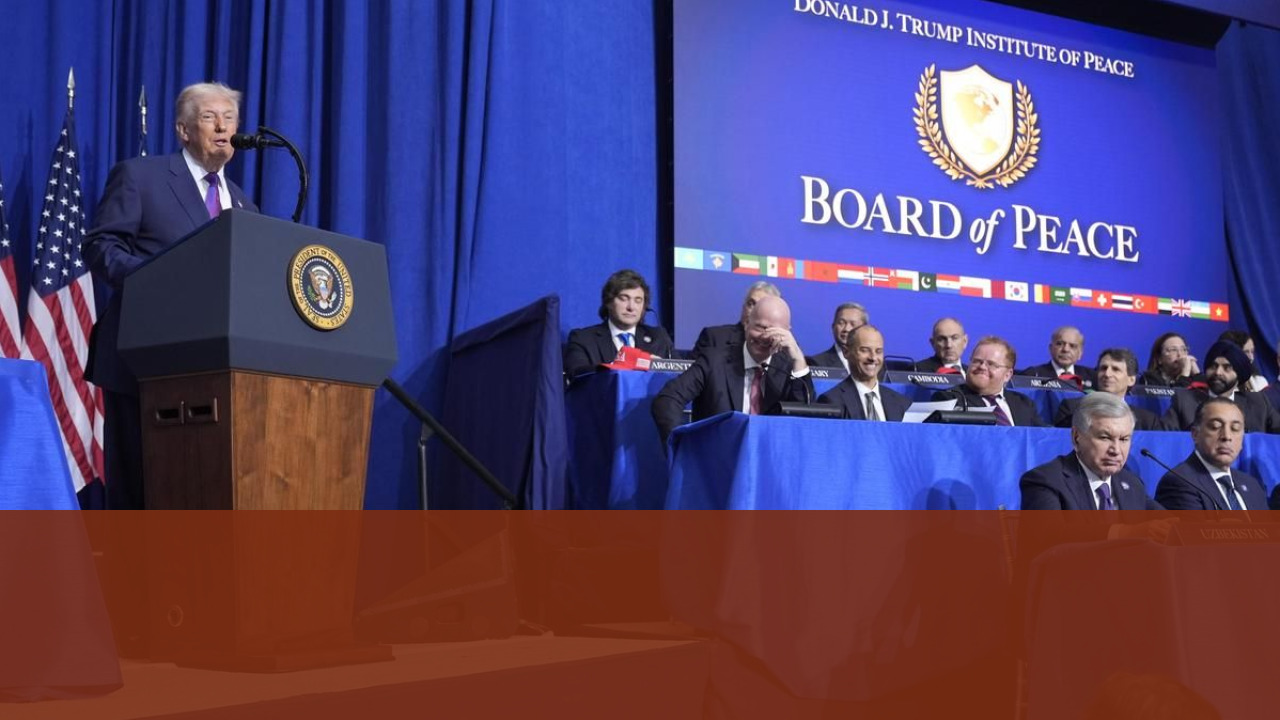
The international community gathered on September 23, 2026, at the United Nations General Assembly in New York to witness the official unveiling of a comprehensive recovery and reconstruction initiative for the Gaza Strip. Spearheaded by the Peace Council, this $2.45 billion stabilization blueprint targets the revival of basic infrastructure, local governance, and long-term security across the war-torn enclave. International diplomats and administrators pitched the 66-project strategy to global donors, marking a vital operational turning point for post-conflict recovery. Nickolay Mladenov, director-general of the Peace Council, addressed representatives and stressed the necessity of a methodical, step-by-step approach to ensure sustainable peace for both Israelis and Palestinians.
- The .45 Billion Gaza Recovery Blueprint
- Core Operational Domains and Initial Funding Allocation
- Long-Term Financial Projections
- Governance and the National Committee for the Administration of Gaza
- The Doctrine of One Authority and One Law
- Sector-by-Sector Progression
- Security Architecture and Demilitarization Strategy
- Role of the International Stabilization Force
- Dismantling Underground Infrastructure
- Diplomatic Realities and Donor Challenges at UNGA
- Securing International Pledges
- Geopolitical Friction and Regional Coordination
- Frequently Asked Questions
- What is the total funding required for the Gaza reconstruction plan?
- Who manages the civil administration in Gaza under this initiative?
- What role does the International Stabilization Force play?
- Conclusion
The $2.45 Billion Gaza Recovery Blueprint
Core Operational Domains and Initial Funding Allocation
Formulated through intensive collaboration between Board of Peace personnel and the National Committee for the Administration of Gaza, the six-month blueprint outlines the immediate phase of post-war rehabilitation. The strategy divides its 66 distinct projects into six core operational domains:
- Infrastructure development
- Human development
- Economic acceleration
- Digital transformation
- Legal affairs
- Regional peace and security
Financial resources are tightly targeted to maximize impact on the ground.
Infrastructure development claims the lion’s share of the initial budget, with approximately $1.0 billion allocated for urgent repairs. This includes $400 million dedicated to temporary housing solutions, $275 million for rubble and unexploded ordnance clearance, $50 million for hospital repairs, and $30 million for vital road networks. Human and economic services receive about $565 million to deploy digital voucher systems, emergency waste management, and water sanitation rehabilitation.
Long-Term Financial Projections
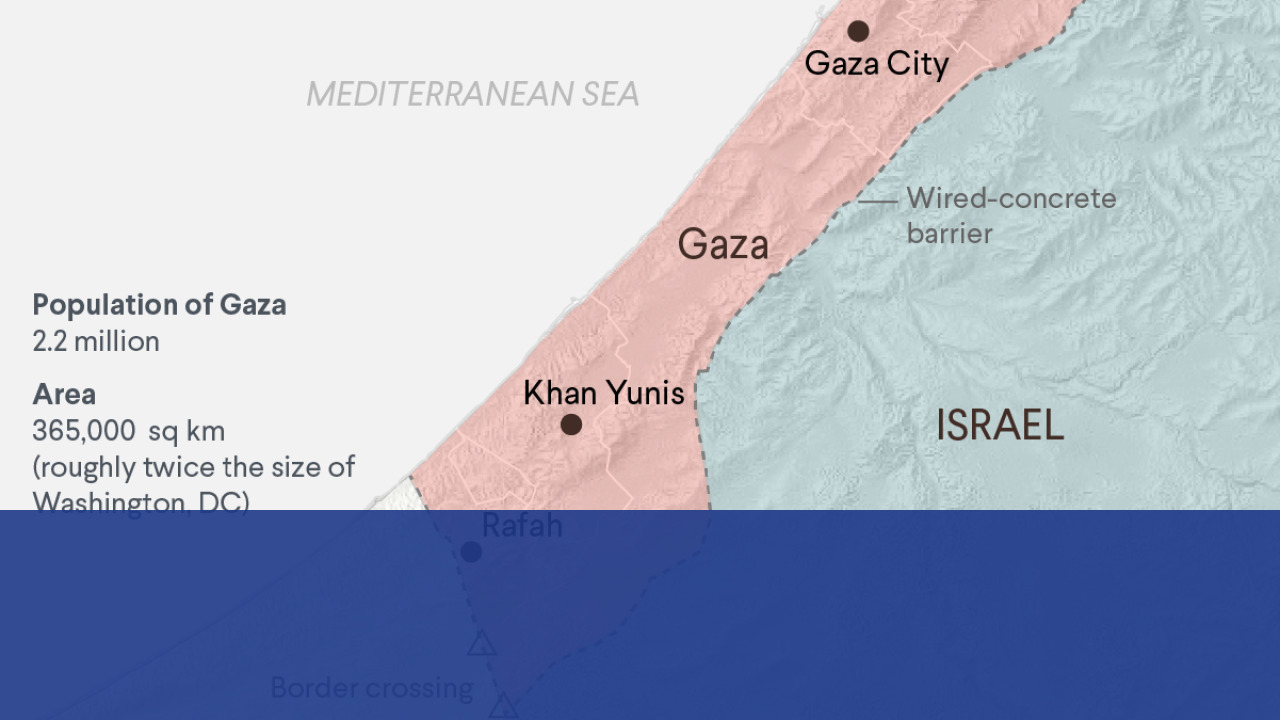
Beyond the immediate six-month financial requirements, the planning documents project that medium-term physical reconstruction will demand approximately $35.2 billion. Over the span of the next decade, total revitalization costs across the 365-square-kilometer enclave are estimated to reach $71.4 billion. These staggering figures reflect the sheer scale of destruction and the extensive investment required to modernize the territory.
International economists and financial planners emphasize that securing these funds requires absolute transparency and rigid oversight. Donors need verifiable proof that their contributions translate directly into functional schools, operational hospitals, and stable electricity grids. The phased funding model is designed to release capital only when specific operational milestones are successfully met.
Governance and the National Committee for the Administration of Gaza
The Doctrine of One Authority and One Law
Implementation of the civil administration framework relies heavily on the National Committee for the Administration of Gaza. Ali Shaath, chief commissioner of the NCAG, outlined the structural principles of the governing body during the New York summit. The new administration intends to operate under the strict doctrine of one authority, one law, and one weapon. This approach ensures consolidated budgeting, strict protection of workers’ rights, and maximum technological transparency.
As an immediate preliminary step, the NCAG scheduled a comprehensive, independent audit of Gaza public assets, governance systems, financial accounts, and the existing municipal workforce. This audit roots out corruption and ensures that every public employee is properly vetted and integrated into the new civil service structure. Transparency remains the foundational pillar of the emerging governance model.
Sector-by-Sector Progression
Shaath confirmed that the rehabilitation strategy proceeds sector by sector, beginning in Rafah and systematically moving northward to Khan Younis, the central camps, Gaza City, and the northern districts. This geographic rollout takes place as Hamas relinquishes governance and Israeli forces complete their phased withdrawal. The committee maintains a strict commitment to rejecting population displacement.
The primary objective centers on keeping residents rooted in their homeland with dignity and economic opportunity. The administration actively encourages displaced families to return to cleared zones where basic utilities, temporary shelters, and medical clinics are already operational. Local prosperity serves as the ultimate metric for successful governance.

Security Architecture and Demilitarization Strategy
Role of the International Stabilization Force
Security logistics remain central to the success of the reconstruction roadmap. Major-General Jasper Jeffers, commander of the International Stabilization Force, detailed plans for a gradual, area-by-area demilitarization of the Gaza Strip. Financial allocations for the security sector total roughly $885 million. This figure incorporates $415 million earmarked to construct a permanent logistics and operations base in Rafah capable of sustaining 5,000 ISF personnel.
Once local zones are certified as verifiably demilitarized, the Israel Defense Forces pull back, allowing a newly trained and vetted NCAG-backed Palestinian police force to assume internal civilian security duties. The deployment of the ISF provides a neutral buffer that reassures neighboring states while protecting civilian populations from internal criminal elements.
Dismantling Underground Infrastructure
Former British Prime Minister and Board executive Tony Blair emphasized that physical security depends entirely on eliminating underground militant infrastructure. Beneath Gaza cities and villages lie kilometers of tunnels and weapons depots that threaten regional stability. The new administration cannot function effectively unless this subterranean network is completely dismantled.
To accelerate this process, the security framework includes a specialized $20 million weapons buy-back initiative designed to incentivize militant factions to surrender their arms voluntarily. The combination of targeted engineering operations and economic incentives helps neutralize remaining security threats without triggering prolonged urban combat.
Diplomatic Realities and Donor Challenges at UNGA
Securing International Pledges
Despite robust institutional backing from the United States, regional Arab partners, and international delegates at the United Nations General Assembly, significant hurdles remain. The complete $2.45 billion funding requirement for the initial six-month phase has not yet been fully secured. This financial gap turns the UNGA gathering into a vital pledging platform for international donors looking for stable investment avenues.
Regional Arab states play a pivotal role in bridging this gap, offering both financial backing and political legitimacy to the NCAG. Diplomatic teams continue to lobby sovereign wealth funds and humanitarian agencies to accelerate their contributions, emphasizing that early financial commitment prevents prolonged instability and reduces long-term reconstruction costs.
Geopolitical Friction and Regional Coordination
Geopolitical friction also complicates operational timelines. Ongoing political sensitivities surrounding upcoming Israeli elections have strained bilateral talks regarding troop withdrawals and administrative handovers. High Representative Mladenov acknowledged these diplomatic headwinds, noting that current discussions with Israeli authorities remain complex and politically charged.
Parallel diplomatic coordination meetings held in New York involving foreign ministers from eight Arab and Islamic nations alongside Qatari leadership underscored broader regional efforts to synchronize support for the roadmap. Observers maintain that aligning international financial contributions with verifiable ground-level security guarantees remains the definitive test for translating diplomatic frameworks into permanent regional stability.
Frequently Asked Questions
What is the total funding required for the Gaza reconstruction plan?
The initial six-month stabilization blueprint requires $2.45 billion, while medium-term reconstruction is estimated at $35.2 billion, with total ten-year revitalization costs reaching $71.4 billion.
Who manages the civil administration in Gaza under this initiative?
The National Committee for the Administration of Gaza oversees civil administration, operating under the strict principles of one authority, one law, and one weapon.
What role does the International Stabilization Force play?
The ISF provides a neutral security buffer, manages area demilitarization, and supports local police forces as Israeli forces execute phased withdrawals.
Conclusion
The unveiling of the $2.45 billion Gaza recovery plan at the United Nations General Assembly marks a decisive step toward transforming a devastated enclave into a self-sustaining community. Success depends entirely on the delicate balance between securing immediate financial pledges from global donors and enforcing rigorous ground-level security guarantees. By uniting civil administration under the National Committee for the Administration of Gaza and deploying the International Stabilization Force, the international community provides a credible pathway out of conflict.
Translating this ambitious diplomatic framework into permanent regional stability requires unwavering political will from all participating nations and local stakeholders. As infrastructure projects break ground and governance structures take root, the shared commitment to peace, transparency, and local prosperity will ultimately determine the future of the Gaza Strip and its residents.