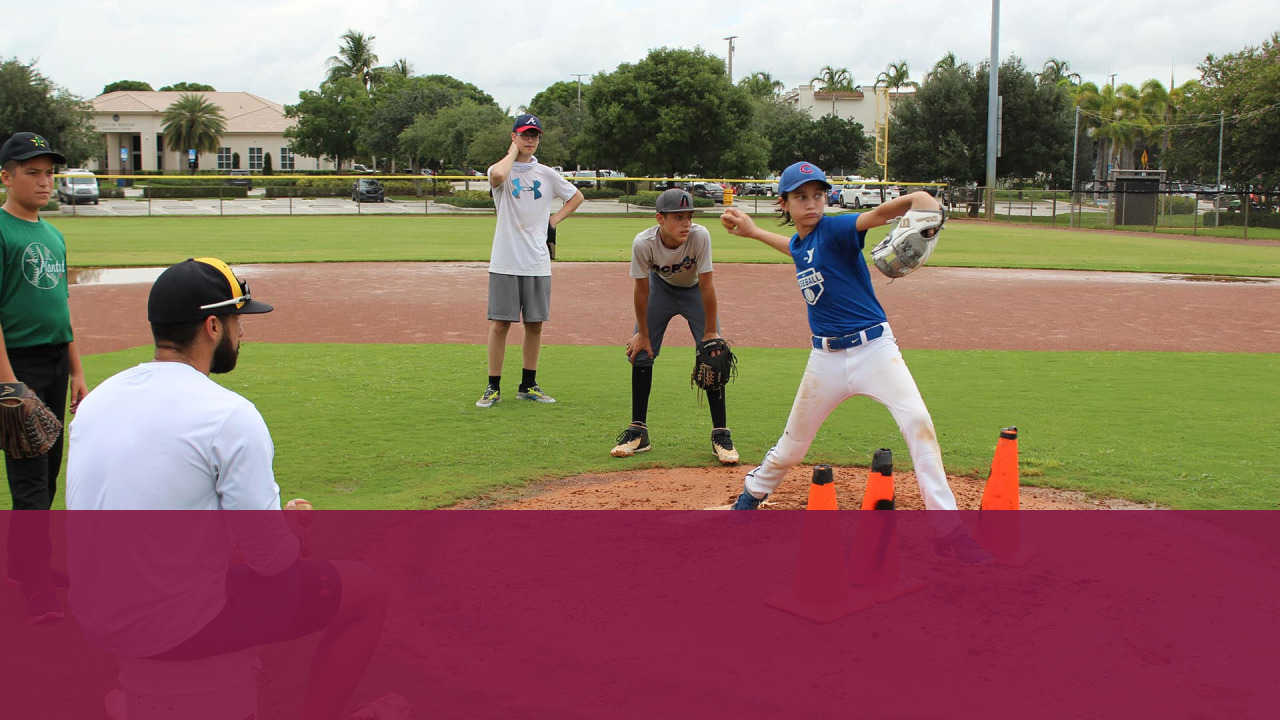
Don Cooper passed away on September 22, 2026, at the age of 70 in Brentwood, Tennessee, leaving behind a monumental footprint on baseball. His family announced his peaceful passing, prompting immediate tributes from the Chicago White Sox organization and former players. Spanning 33 total years within the franchise, Cooper built a reputation for grit, resilience, and an unmatched ability to fix struggling arms. His dedication shaped generations of athletes.
- Remembering Don Cooper: The Architect of Chicago White Sox Pitching
- From the Pitcher’s Mound to the Coaching Ranks
- Playing Career in the Majors
- Climbing the Player Development Ladder
- The Pinnacle: The 2005 World Series Championship
- Mastering the Fall Classic Run
- The Unmatched ALCS Complete Game Feat
- Mentoring Legends and Unearthing Hidden Gems
- Sculpting Franchise Greats
- Resuscitating Careers and Building Bullpens
- Tributes From Across the Baseball Community
- The Enduring Legacy of Coop
- Frequently Asked Questions
- When did Don Cooper pass away?
- How long was Don Cooper with the Chicago White Sox?
- What was Cooper’s most famous achievement?
Remembering Don Cooper: The Architect of Chicago White Sox Pitching
The baseball world lost a true legend when Don Cooper passed away. For over three decades, his name was synonymous with the Chicago White Sox. He dedicated his professional life entirely to the organization, transforming raw talent into polished major league talent. His presence in the dugout provided stability through countless roster rebuilds and managerial changes.
While modern baseball relies heavily on private biomechanics facilities and high-speed cameras, Cooper mastered the human element of coaching. He understood pitchers on a deeply psychological level. When a pitcher lost his release point or his confidence, Cooper walked to the mound with a direct message and an immediate mechanical correction.
His straightforward communication style earned the deep respect of veterans and rookies alike. Pitchers knew he always had their best interests at heart during high-pressure situations. This mutual trust formed the bedrock of his coaching philosophy.
From the Pitcher’s Mound to the Coaching Ranks
Playing Career in the Majors
Selected by the Minnesota Twins in the 17th round of the 1978 amateur draft, Cooper made his major league debut in 1981. His playing career included four seasons in the majors as a right-handed relief pitcher with the Twins, Blue Jays, and Yankees.
Although his major league playing career was relatively brief with 44 total appearances, the experience shaped his understanding of the physical and mental demands placed on professional pitchers. He learned early what separates successful major leaguers from those who wash out.
These early lessons provided him with immense empathy when dealing with player slumps or injuries. He drew upon his own challenges to guide younger athletes through adversity.
Climbing the Player Development Ladder
Cooper transitioned immediately to coaching, joining the White Sox minor league system in 1988. He spent over a decade shaping young arms before the organization promoted him to major league pitching coach in July 2002.
That promotion initiated an incredible 18-year run at the highest level of professional baseball. He earned the trust of four different managers, proving his adaptability across completely different eras of the game.
His tireless work ethic in the minor leagues laid the groundwork for future major league success. He scouted talent with extreme precision.
The Pinnacle: The 2005 World Series Championship
Mastering the Fall Classic Run
Cooper engineered the pitching staff that propelled the White Sox to their first World Series title since 1917. His starters commanded the strike zone with high efficiency, low pitch counts, and ground ball dominance rather than raw velocity.
The 2005 championship team steamrolled through the regular season and playoffs. Much of that success stemmed from Cooper’s insistence on aggressive pitching and early contact. His staff avoided deep counts, saved the bullpen, and dominated opponents through sheer execution.
Every starting pitcher bought into his philosophy completely, creating a unified pitching staff mentality. They trusted his pitch sequencing and game planning implicitly.
The Unmatched ALCS Complete Game Feat
During the American League Championship Series against the Anaheim Angels, Cooper orchestrated four consecutive complete games by his starters. Mark Buehrle, Jon Garland, Freddy Garcia, and Jose Contreras achieved a feat unmatched in modern postseason baseball history.
No other team in the modern era has matched four straight complete games in a single postseason series. This incredible accomplishment remains one of the defining moments of Cooper’s illustrious career.
Baseball historians still study this pitching masterclass as a blueprint for postseason dominance. It showcased Cooper’s ability to keep starters fresh and focused.
Mentoring Legends and Unearthing Hidden Gems
Sculpting Franchise Greats
Cooper worked with four different managers across 18 full seasons as the major league pitching coach, adapting to every era. He guided Mark Buehrle through multiple All-Star appearances, four Gold Gloves, a no-hitter, and a historic perfect game.
His tutelage also transformed Chris Sale from a college reliever into an elite American League starting pitcher. Sale credited Cooper early in his career for teaching him how to harness his unorthodox delivery and attack hitters effectively.
He possessed a rare gift for evaluating mechanics without needing sophisticated gadgetry. His naked eye could spot a millimeter flaw in a delivery instantly.
Resuscitating Careers and Building Bullpens
Esteban Loaiza enjoyed a career year under Cooper in 2003, winning 21 games and finishing second in Cy Young voting. Cooper also oversaw Philip Humber’s immaculate preparation for the 21st perfect game in MLB history.
Relievers like Bobby Jenks, Matt Thornton, and Jesse Crain found career revitalization through Cooper’s sharp mechanical eye. If a pitcher struggled, Cooper diagnosed the flaw within minutes, restoring their velocity and command.
Countless journeymen extended their careers by listening to his adjustments. He transformed ordinary relievers into shutdown bullpen arms.
Tributes From Across the Baseball Community
Former manager Ozzie Guillen credited his managerial success directly to Cooper’s deep understanding of pitching psychology. Guillen often noted that he never had to worry about the pitching staff because Cooper handled every detail with absolute precision.
World Series MVP Jermaine Dye and former catcher A.J. Pierzynski shared emotional memories of his loyalty and dedication. Colleagues remembered him as an elite instructor whose mission extended far beyond the baseball diamond.
Social media filled with touching tributes from players whose careers he saved. The outpouring of love highlighted his profound personal impact.
The Enduring Legacy of Coop
Cooper retired following the 2020 season as the longest-tenured pitching coach in Major League Baseball. The phrase “Coop’ll fix ’em” remains a permanent fixture of White Sox lore, capturing his ability to restore confidence and mechanics.
His impact endures through every pitcher who takes the mound with grit, purpose, and accountability on the South Side. As the baseball community mourns his passing at age 70, his legacy as an iconic pitching coach remains secure.
Future generations of coaches will continue to study his methodologies. His legendary status in Chicago baseball history is forever cemented.
Frequently Asked Questions
When did Don Cooper pass away?
Don Cooper passed away on September 22, 2026, at the age of 70 in Brentwood, Tennessee.
How long was Don Cooper with the Chicago White Sox?
Cooper spent 33 total years within the White Sox organization, including 18 seasons as the major league pitching coach.
What was Cooper’s most famous achievement?
His crowning achievement was coaching the pitching staff that won the 2005 World Series, highlighted by four consecutive complete games in the ALCS.