The high-stakes diplomatic summit between Venezuelan interim President Delcy Rodriguez and United States President Donald Trump at the Lotte New York Palace in Manhattan marks a profound turning point in modern inter-American relations. This closed-door meeting occurred against the backdrop of the 81st United Nations General Assembly on September 22, 2026. Global leaders and financial markets watched closely as the two administrations sat face-to-face for the first time in over eleven years. The historic encounter signals an abrupt shift from a decade of hostile ideological confrontation toward pragmatic, transactional diplomacy driven largely by resource security and macroeconomic restructuring.
- A Historic Encounter at the United Nations General Assembly
- The Manhattan Summit Details
- High-Level Delegations from Both Nations
- Strategic Energy Agreements and Financial Reintegration
- Securing American Access to Venezuelan Oil Reserves
- Macroeconomic Stabilization and International Lenders
- Domestic Political Realities and Internal Defense in Caracas
- Backlash from Exiled Opposition and Critics
- Diosdado Cabello and the Push for National Unity
- Global Reactions and Geopolitical Realignments in Latin America
- Western and Market Perspectives on Pragmatic Diplomacy
- Regional Friction and Concerns Over External Interference
- Frequently Asked Questions
- When and where did Delcy Rodriguez meet Donald Trump?
- What were the main topics discussed during the meeting?
- Who attended the meeting alongside President Trump?
- How has the Venezuelan government responded to domestic criticism of the meeting?
This high-level engagement serves as a direct consequence of the extraordinary political transformation triggered by the January 3, 2026, events in Caracas. With the removal of former President Nicolas Maduro, the interim administration under Rodriguez has aggressively pursued international legitimization and economic re-engagement. The New York meeting provides the definitive stamp of Washington’s backing for the current transition, altering the geopolitical balance across South America and redefining the petroleum trade paradigm.
A Historic Encounter at the United Nations General Assembly
The Manhattan Summit Details
The meeting took place on September 22, 2026, inside a heavily secured suite at the Lotte New York Palace hotel in Manhattan. Choosing a neutral venue on the sidelines of the United Nations General Assembly allowed both delegations to conduct high-level diplomacy away from the immediate glare of formal UN protocols. This summit represents the first high-level encounter between the nations in over a decade, effectively freezing years of deep-seated hostility and diplomatic severance.
This bilateral breakthrough stems directly from the political transition following the January military operation that removed former President Nicolas Maduro from power. Rather than maintaining a posture of total isolation, the new leadership in Caracas opted for immediate diplomatic engagement. The meeting in New York solidifies this new reality, proving that geopolitical expedience often supersedes historical grievances.
High-Level Delegations from Both Nations
Interim President Delcy Rodriguez traveled to New York with a specialized delegation designed to address economic stabilization and energy exports. Her team included the vice president of economy, the oil minister, and top executives from the state-owned energy enterprise PDVSA. This composition highlights the primary objective of the mission, which is to reassure international markets and secure direct foreign investment for Venezuela’s failing infrastructure.
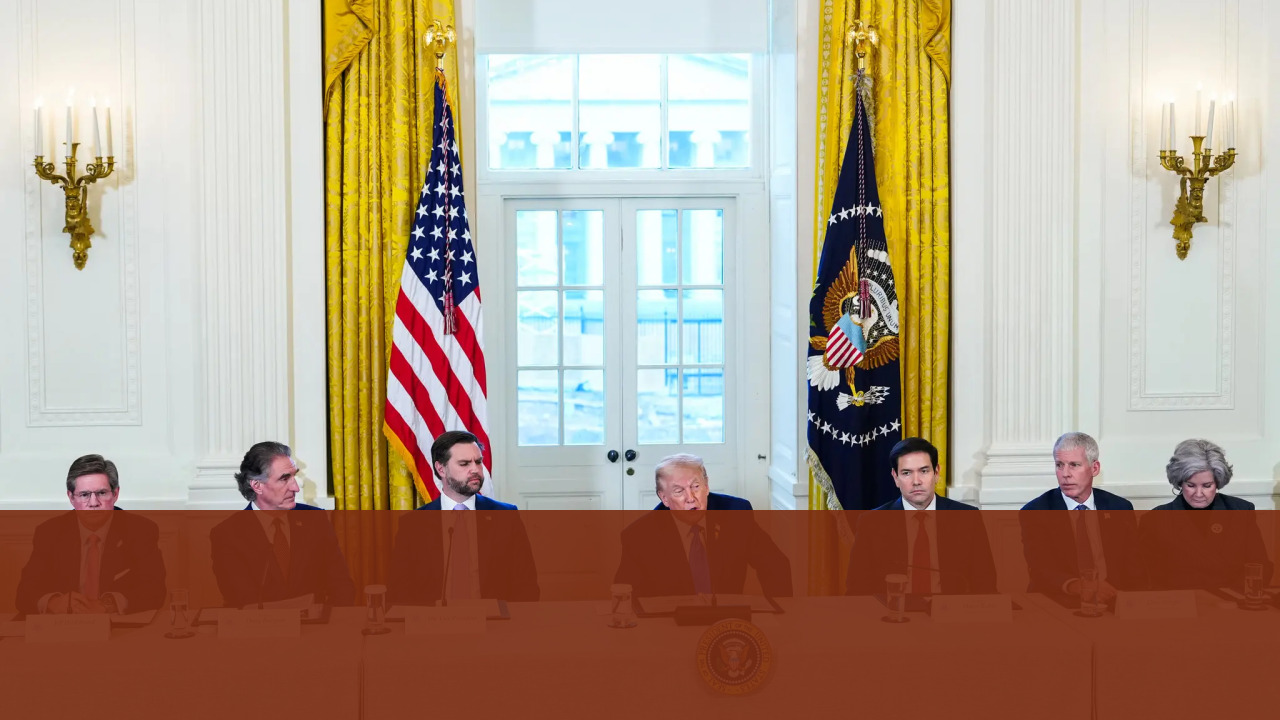
The White House assembled an equally formidable delegation to match the Venezuelan presence. President Trump brought along Secretary of State Marco Rubio, Treasury Secretary Scott Bessent, White House Chief of Staff Susie Wiles, and Deputy Chief of Staff Stephen Miller. The heavy representation of economic and national security portfolios underscores how seriously Washington views the reintegration of Venezuelan resources into global markets.
Strategic Energy Agreements and Financial Reintegration
Securing American Access to Venezuelan Oil Reserves
Energy dominance and resource access remain the central pillars of the renewed Caracas-Washington relationship. Earlier in September, the two governments finalized a landmark energy agreement granting the United States preferential access to a substantial portion of Venezuela’s proven oil reserves, which are estimated at over 65 billion barrels. During his address to the United Nations General Assembly, President Trump defended the January military operation that ousted Maduro, labeling the former leader an outlaw dictator while celebrating the oil pact as a major strategic victory.
The energy agreement sets the stage for massive foreign direct investments aimed at restoring Venezuela’s crumbling energy infrastructure. Years of underinvestment and severe international sanctions left the nation’s oil production facilities operating at a fraction of their historical capacity. With American technological expertise and capital now flowing back into the Orinoco Belt, energy analysts project a steady recovery in crude output, helping to stabilize global energy supplies.
Macroeconomic Stabilization and International Lenders
Beyond bilateral energy pacts, Rodriguez and her economic team engaged in extensive financial talks with major multilateral institutions. Meetings with Inter-American Development Bank President Ilan Goldfajn, World Bank Group President Ajay Banga, and International Monetary Fund Managing Director Kristalina Georgieva focused on immediate debt restructuring. Venezuela faces a staggering debt burden amassed over decades of economic mismanagement.
The discussions in New York established initial frameworks for macroeconomic stabilization and renewed access to development financing. International lenders expressed cautious optimism regarding the interim government’s willingness to implement structural reforms. By aligning economic policy with global financial standards, Caracas aims to transition away from hyperinflation and rebuild its shattered monetary system.
Domestic Political Realities and Internal Defense in Caracas
Backlash from Exiled Opposition and Critics
The swift diplomatic outreach to Washington has sparked intense domestic controversy back in Venezuela. Critics of the interim government, including exiled opposition figures, condemn the New York meeting as an asymmetrical accommodation. Detractors argue that Rodriguez has subordinated Venezuelan sovereignty to American resource demands in exchange for personal political survival. They point out that the rapid economic rapprochement has effectively sidelined long-standing democratic reform efforts and marginalized prominent opposition voices like María Corina Machado.
These domestic critics worry that the current administration is simply trading one form of authoritarian control for external dependency. The lack of transparent domestic consultation regarding the terms of the oil agreements fuels public skepticism. Many citizens question whether the wealth generated from the new energy pacts will actually trickle down to alleviate everyday poverty or merely line the pockets of political elites.
Diosdado Cabello and the Push for National Unity
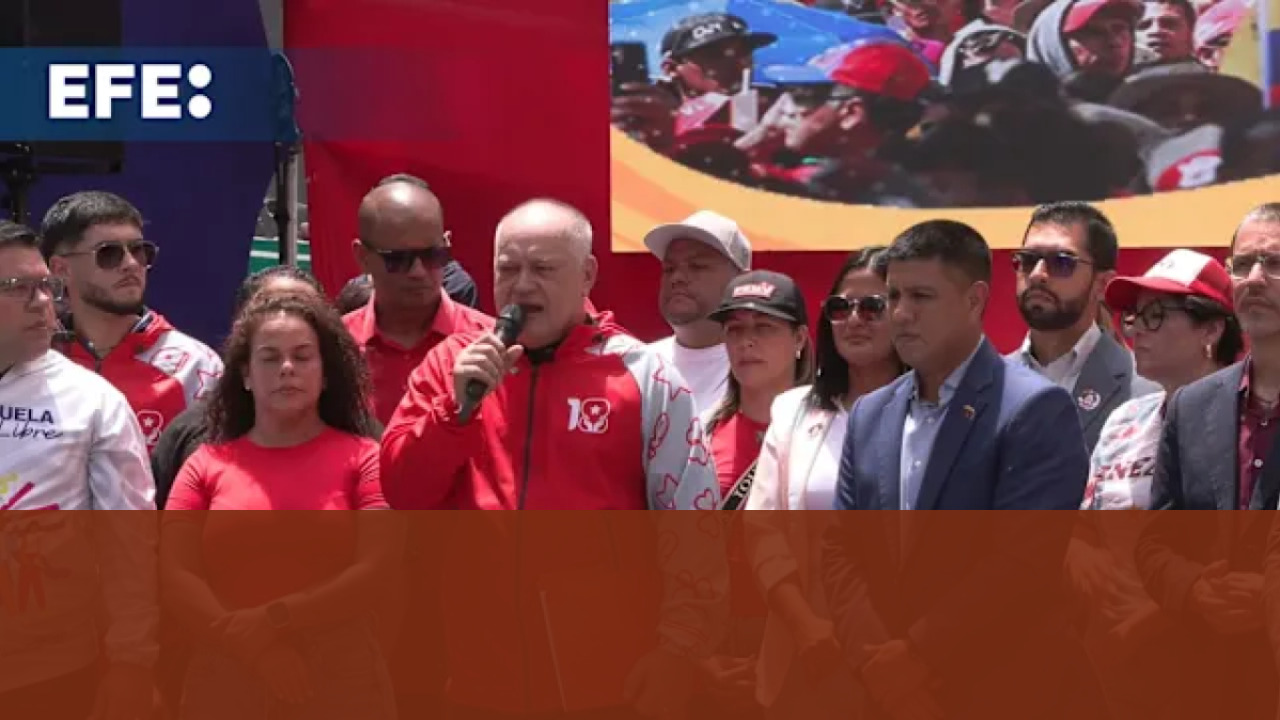
To counter mounting domestic backlash, Venezuelan Interior Minister Diosdado Cabello robustly defended Rodriguez’s international mission during a large public rally in Caracas. Cabello emphasized the extreme political volatility and severe hardships the country faced following the sudden removal of Maduro in January. During the rally, Cabello stated that maintaining national unity remained a monumental challenge through the transition, requiring constant coordination by the high political command.
Following the public demonstration, Cabello took a decisive legislative step by submitting a formal petition to the Venezuelan Parliament. The petition requests a comprehensive floor debate regarding national legislative support for Rodriguez’s foreign policy initiatives. By bringing the debate into the national legislature, the ruling party hopes to project democratic legitimacy and quell accusations of backroom dealing.
Global Reactions and Geopolitical Realignments in Latin America
Western and Market Perspectives on Pragmatic Diplomacy
Global reactions to the Rodriguez-Trump summit remain deeply polarized along ideological and regional lines. Western governments and market analysts view the dialogue as a pragmatic necessity. Restoring diplomatic ties helps stabilize global energy supplies and restarts Venezuela’s paralyzed economy, reducing the risk of a wider humanitarian migration crisis. For international markets, the return of Venezuelan crude offers a welcome buffer against ongoing Middle Eastern supply fluctuations.
This shift represents a clear transition from ideological confrontation to transactional diplomacy. Washington appears willing to overlook ongoing domestic political consolidation in Caracas as long as American strategic energy and security interests are fully met. This hard-nosed realism defines the new American foreign policy posture in the Western Hemisphere.
Regional Friction and Concerns Over External Interference
Conversely, regional leaders expressed deep caution regarding renewed American hegemony in Latin America. During the UN General Assembly session, Brazilian President Luiz Inácio Lula da Silva openly criticized external interference in sovereign democratic processes. Lula asserted that Latin America is not anyone’s backyard, capturing the unease felt by several leftist governments across the region regarding the American military intervention in Caracas and the subsequent oil pacts.
This broader Latin American debate highlights a split over renewed U.S. influence. While conservative governments welcome the economic stabilization of Venezuela, nationalist movements view the arrangement as a dangerous precedent. Despite this regional friction, the New York summit solidifies Delcy Rodriguez’s position as the undisputed head of Venezuela’s interim administration, proving that her government has successfully navigated a turbulent post-Maduro transition.
Frequently Asked Questions
When and where did Delcy Rodriguez meet Donald Trump?
The meeting occurred on September 22, 2026, at the Lotte New York Palace hotel in Manhattan, during the high-level opening week of the United Nations General Assembly.
What were the main topics discussed during the meeting?
The discussions focused on bilateral diplomatic relations, economic recovery, strategic cooperation in energy and mining, and regional security frameworks.
Who attended the meeting alongside President Trump?
Top American officials present at the talks included Secretary of State Marco Rubio, Treasury Secretary Scott Bessent, White House Chief of Staff Susie Wiles, and Deputy Chief of Staff Stephen Miller.
How has the Venezuelan government responded to domestic criticism of the meeting?
Interior Minister Diosdado Cabello defended the diplomatic mission during a public rally in Caracas, emphasizing the necessity of national unity following the political upheaval of January 2026, and submitted a formal request for a parliamentary debate on the matter.