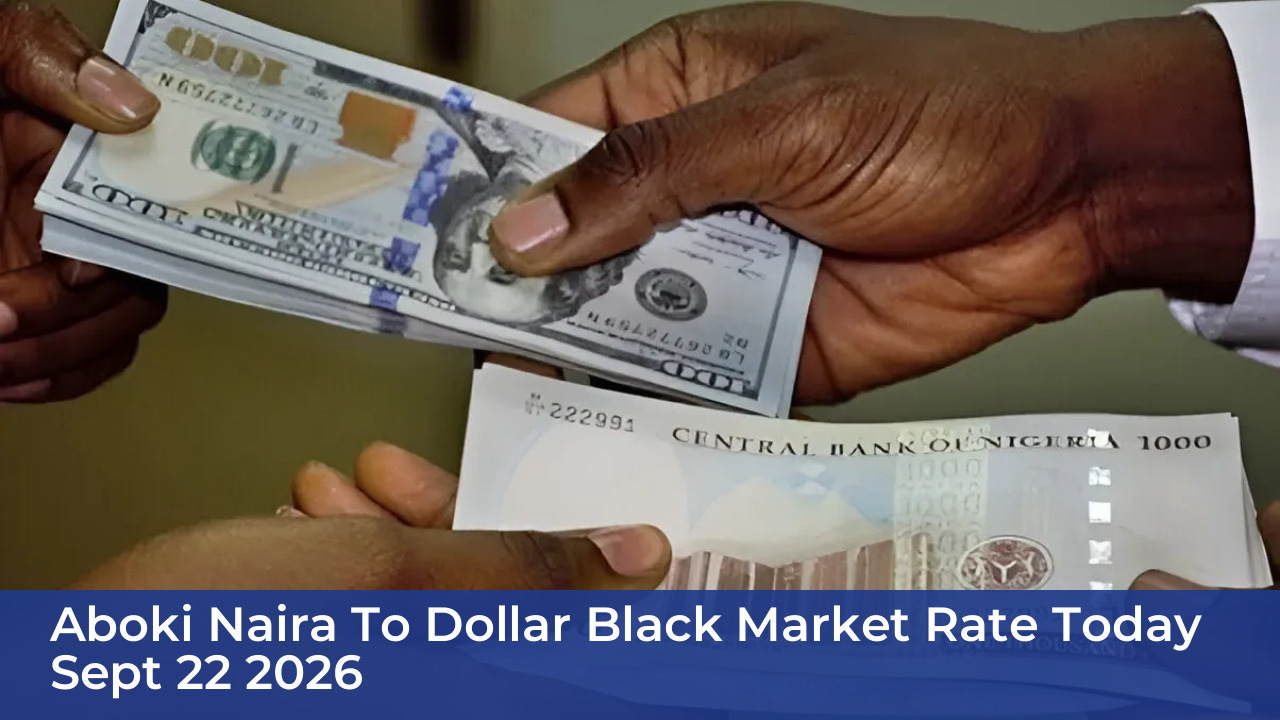
Foreign exchange dynamics in Nigeria dictate daily economic realities for millions of citizens, retail traders, and corporate treasurers. On Tuesday, September 22, 2026, the Nigerian naira trades at distinct valuations across parallel street markets and regulated banking windows. Market participants monitor these rates constantly to price goods, settle foreign obligations, and manage purchasing power erosion. Parallel market dealers across major commercial clusters in Lagos, Abuja, and Port Harcourt quote the United States Dollar with a sell rate hovering between ₦1,380 and ₦1,390 per USD. Meanwhile, Bureau de Change (BDC) operators post buy rates ranging from ₦1,375 to ₦1,383.48 per USD. By contrast, the official Central Bank of Nigeria (CBN) rate via the Nigerian Foreign Exchange Market (NAFEM) window anchors at approximately ₦1,331.25 per USD. This persistent variance underscores structural liquidity imbalances within Nigeria’s monetary architecture.
- Current USD to NGN Rate Breakdown: Parallel Versus Official Windows
- Comprehensive USD to NGN Parallel Market Conversion Matrix
- Macroeconomic Drivers Behind the Parallel Market Premium
- Regional Liquidity Hubs: Lagos Island Versus Abuja Wuse Zone 4
- The Micro-Economy of Physical Banknote Grading in Street Trading
- Historical Evolution and Trajectory of the Naira to Dollar Exchange Rate
- Strategic Hedging and Risk Management Framework for SMEs and Retail Remitters
- Actionable Risk Mitigation Steps
- Foreign Exchange Market Outlook and Regulatory Compliance
- Frequently Asked Questions
- What is the difference between the NAFEM rate and the parallel market rate?
- Why do street brokers reject older dollar bills?
- Are Bureau de Change operators legal in Nigeria?
- How often do parallel market exchange rates change?
- How can small businesses protect themselves against sudden currency depreciation?
- What documents are required for official foreign exchange transactions?
- Conclusion
The daily divergence between official and unofficial foreign exchange benchmarks influences every layer of commercial activity. Retail importers, international students paying foreign tuition, and corporate entities sourcing raw materials must evaluate these competing rates before executing transactions. Understanding the mechanics of these currency markets allows stakeholders to mitigate financial risks and optimize capital allocation in an unpredictable macroeconomic climate.
Current USD to NGN Rate Breakdown: Parallel Versus Official Windows
Understanding currency movement requires precise comparison between unofficial street channels and official regulatory platforms. The gap between these tiers highlights ongoing supply constraints in formal financial institutions. When market participants speak of the parallel market, they refer to the decentralized network of licensed and unlicensed street brokers who trade physical foreign currency outside direct central bank allocations.
The parallel market sell rate currently ranges between ₦1,380 and ₦1,390 per USD. This represents the price buyers pay when acquiring physical United States dollars from street dealers or BDC operators. Conversely, the parallel market buy rate sits between ₦1,375 and ₦1,383.48 per USD. This is the amount of naira dealers offer when purchasing physical dollars from individuals liquidating foreign cash holdings. On the regulated side, the official CBN NAFEM closing anchor rests at ₦1,331.25 per USD.
This absolute spread between the official window and the street market represents a liquidity premium. Traders factor in the speed, anonymity, and immediate availability of physical cash when pricing this variance. While official channels require extensive documentation and face processing delays, the parallel market delivers immediate settlement for physical currency.
Comprehensive USD to NGN Parallel Market Conversion Matrix
To assist traders, travelers, and corporate finance officers with quick calculations, the following matrix outlines standard dollar amounts converted at the benchmark parallel market sell rate of ₦1,390 per USD for September 22, 2026.
| US Dollar (USD) | Nigerian Naira (NGN) Parallel Rate |
|---|---|
| $1 | ₦1,390 |
| $5 | ₦6,950 |
| $10 | ₦13,900 |
| $20 | ₦27,800 |
| $50 | ₦69,500 |
| $100 | ₦139,000 |
| $250 | ₦347,500 |
| $500 | ₦695,000 |
| $1,000 | ₦1,390,000 |
| $5,000 | ₦6,950,000 |
| $10,000 | ₦13,900,000 |
Retail participants frequently rely on these tiered conversion tables to manage petty cash transactions, small-scale cross-border commerce, and family remittances. Because street rates fluctuate multiple times throughout a single trading session, these figures serve as baseline estimates rather than fixed quotes.
Macroeconomic Drivers Behind the Parallel Market Premium
The persistence of a parallel market premium above official CBN rates stems from fundamental macroeconomic pressures. Nigeria maintains an import-reliant economy requiring massive foreign currency allocations for raw materials, refined petroleum products, machinery, and consumer goods. Commercial banks operating under CBN guidelines allocate foreign exchange through restricted channels such as Form A applications for tuition and medical tourism, alongside Form M applications for industrial imports.
When formal banking channels fail to satisfy total market demand due to capped foreign reserve inflows or strict documentation requirements, individuals and enterprises turn to the parallel market. Street brokers fulfill this excess demand instantly, albeit at a higher cost determined purely by open-market supply and demand forces. Regulatory tightening often compresses liquidity in the official window, inadvertently driving higher transaction volumes toward parallel market operators.
Regional Liquidity Hubs: Lagos Island Versus Abuja Wuse Zone 4
Exchange rates are not uniform across every city in Nigeria. Regional liquidity hubs establish baseline pricing that smaller satellite markets follow throughout the day. Lagos serves as the commercial nerve center of Nigeria. Major currency trading desks on Lagos Island and around the bustling Ikeja computer village handle immense daily transaction volumes. Because corporate importers and retail speculators concentrate in Lagos, price discovery happens rapidly based on immediate commercial demand.
Simultaneously, Abuja functions as the political and diplomatic capital, hosting the legendary Wuse Zone 4 parallel market cluster. Wuse Zone 4 acts as a primary liquidity aggregator for northern trade corridors, diplomatic missions, and wealthy private wealth holders. Price signals travel constantly between Lagos Island and Abuja Wuse Zone 4 via digital communication channels, ensuring national parity with minor regional deviations of ₦2 to ₦5 based on local cash availability.
The Micro-Economy of Physical Banknote Grading in Street Trading
A fascinating and often overlooked aspect of the Nigerian parallel market is the rigorous grading of physical United States dollar banknotes. Street brokers do not treat all paper currency equally. The physical condition, series year, and security features of a dollar bill directly dictate its street-level value, creating a distinct micro-economy within the parallel market ecosystem.
Traders apply strict discounting rules based on banknote attributes:
- Crisp Post-2009 Series: Federal Reserve notes featuring the latest color-shifting security ribbons, large numerals, and pristine uncirculated condition command the highest market buy and sell rates.
- Old Series Pre-2006 Bills: Legacy series notes featuring smaller portraits face mandatory discounting ranging from ₦10 to ₦30 per dollar because commercial banks and foreign exchange clearinghouses reject them or charge high repatriation fees.
- Damaged or Stained Currency: Bills with minor tears, ink stamps, oil stains, or excessive creases suffer severe devaluation or outright rejection by street brokers due to difficulties in offloading them to international bank partners.
Holders of physical cash must carefully inspect their dollar bills before approaching a Bureau de Change operator to avoid unexpected deductions at the point of exchange.
Historical Evolution and Trajectory of the Naira to Dollar Exchange Rate
Contextualizing 2026 valuations requires reviewing the major currency reforms implemented over preceding years. The Central Bank of Nigeria abandoned rigid single-peg mechanisms in favor of managed floating exchange rate regimes, attempting to unify multiple historical windows. Despite these structural reforms, chronic demand pressures for foreign goods and capital flight have continued to pressure domestic purchasing power.
Long-term economic stability relies heavily on diversifying export earnings beyond crude oil and boosting domestic agricultural and manufacturing output. Until non-oil foreign exchange inflows match import liabilities, the parallel market will continue serving as a vital barometer of true market liquidity and currency health.
Strategic Hedging and Risk Management Framework for SMEs and Retail Remitters
Navigating volatile foreign exchange spreads requires disciplined financial management. Small and medium-sized enterprises (SMEs) importing goods must implement structured hedging strategies to protect profit margins against sudden parallel market spikes.
Actionable Risk Mitigation Steps
- Staggered Sourcing: Avoid executing large foreign exchange purchases in a single transaction. Stagger conversions across multiple days to average out intraday volatility.
- Digital Remittance Rails: Compare fintech cross-border transfer fees against physical BDC cash pickups. Licensed digital platforms often provide competitive rates with lower logistical security risks.
- Invoice Pricing Adjustments: Incorporate dynamic pricing clauses into commercial sales agreements to reflect real-time replacement costs of imported inventory.
Foreign Exchange Market Outlook and Regulatory Compliance
Market operators operate within an evolving regulatory framework designed to curb speculative hoarding and enforce compliance across financial institutions. The Central Bank of Nigeria routinely reviews banking guidelines to encourage transparency, penalize illegal cross-border capital flight, and trace illicit financial flows. Retail participants engaging with Bureau de Change operators must ensure they present valid identification documents for large transactions, aligning with regulatory standards.
Simultaneously, corporate finance directors are deploying sophisticated treasury management tools to monitor multi-currency cash flows. Automated accounting software integrated with live feed APIs allows treasurers to track real-time spread movements between NAFEM benchmarks and parallel market quotes, ensuring optimal timing for treasury conversions. As international trade agreements evolve and regional payment systems expand across the African continent, bilateral trade settlements in local currencies may gradually alleviate chronic dependence on the United States dollar for regional commerce.
Frequently Asked Questions
What is the difference between the NAFEM rate and the parallel market rate?
The NAFEM rate is the official, regulated interbank exchange rate determined by willing buyer and seller transactions on the Central Bank of Nigeria platform. The parallel market rate is the unofficial street price negotiated directly between individuals and Bureau de Change operators based on open market supply and demand.
Why do street brokers reject older dollar bills?
Pre-2006 dollar bills lack advanced anti-counterfeiting security features. Additionally, domestic and international deposit banks frequently refuse to accept legacy series notes or charge exorbitant handling fees to repatriate them back to the United States Federal Reserve.
Are Bureau de Change operators legal in Nigeria?
Yes, legitimate Bureau de Change operators are licensed and regulated by the Central Bank of Nigeria. However, a vast network of informal street traders also operates parallel exchange desks outside direct regulatory oversight.
How often do parallel market exchange rates change?
Parallel market exchange rates fluctuate dynamically throughout the trading day, responding instantly to shifts in physical cash supply, speculative demand, and morning interbank market openings.
How can small businesses protect themselves against sudden currency depreciation?
Small businesses can safeguard their operating capital by staggering foreign exchange purchases across multiple days, utilizing digital multi-currency accounts, and incorporating flexible pricing clauses into client contracts.
What documents are required for official foreign exchange transactions?
Official transactions through banking channels typically require valid identification, tax clearance certificates, Form A or Form M applications, and explicit proof of underlying commercial or personal transactions such as tuition invoices or shipping bills.
Conclusion
The foreign exchange landscape in Nigeria on September 22, 2026, reflects a complex interplay between official monetary policy and parallel market realities. With the parallel market sell rate trading between ₦1,380 and ₦1,390 per USD against an official NAFEM anchor of ₦1,331.25, market participants must remain vigilant. By understanding regional pricing hubs, physical banknote grading mechanics, and disciplined risk management frameworks, businesses and individuals can successfully navigate currency volatility and safeguard their financial assets.