Apple is officially re-entering the enterprise server market. Under the leadership of CEO John Ternus, who assumed the role on September 1, 2026, the company is pivoting from its consumer-centric roots to address the massive demand for enterprise-grade AI infrastructure. This move marks the company’s most significant shift in hardware strategy since the discontinuation of the Xserve in 2011.
The Financial Catalyst: Why Apple is Entering the Server Market in 2026
The fiscal Q3 2026 performance served as a wake-up call for Cupertino. Apple reported a staggering $10.4 billion in Mac revenue, representing a 29% year-over-year growth. This surge is not merely a result of retail laptop sales; behind these numbers lies a silent migration of AI research labs, including OpenAI and Anthropic, which have been bulk-purchasing headless Mac Studio and Mac mini units to power their development pipelines.
Apple has realized that its silicon is no longer just for creative professionals; it is the engine for the next generation of AI agents. By formalizing this relationship through dedicated server hardware, Apple is positioning itself to capture a larger slice of the enterprise pie, a move that parallels the broader economic shifts in technology infrastructure currently being observed globally.
Technical Specifications: The M8 Ultra-Powered Infrastructure
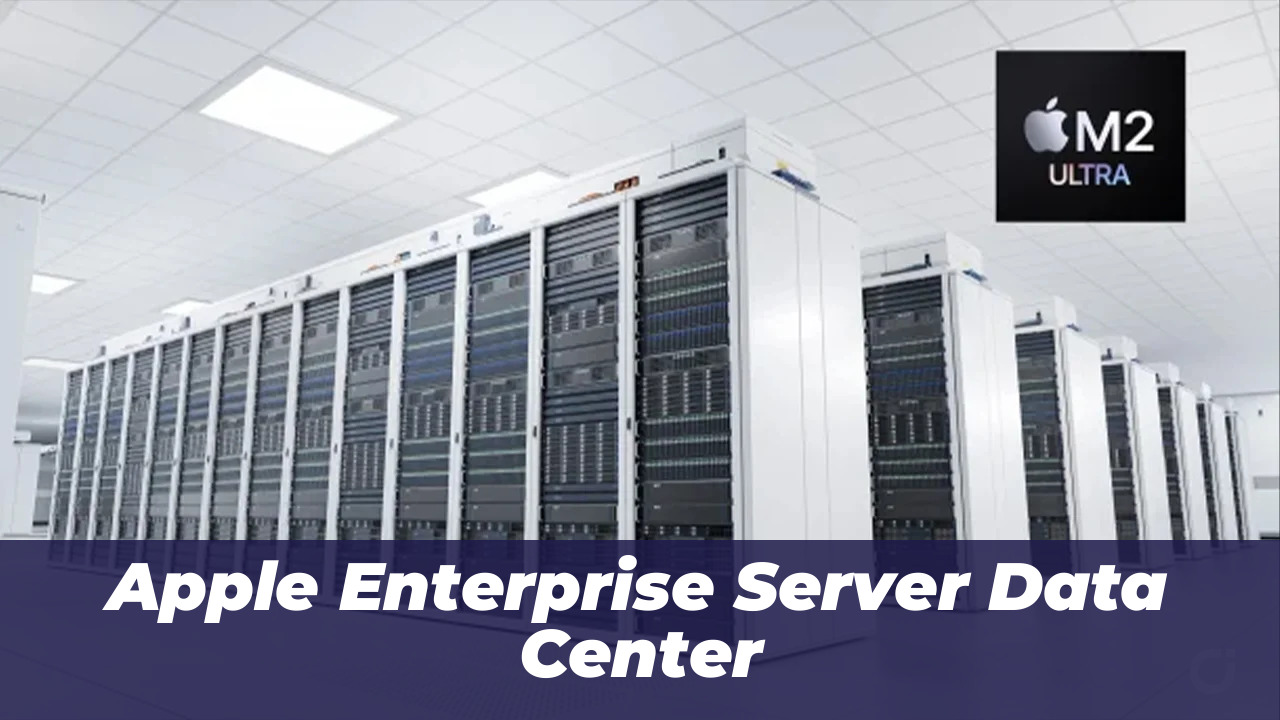
Apple is developing a modular architecture designed to scale with the needs of modern AI training. The infrastructure centers on the M8 Ultra chip, providing high-density compute power tailored for both inference and training tasks.
Apple Enterprise Server Specifications (2026)
| Configuration | Processor | Memory Architecture | Primary Use Case |
|---|---|---|---|
| Standard Node | 2x M8 Ultra | Unified Memory | Inference & Local Model Fine-tuning |
| Compute Cluster | 4x M8 Ultra | Unified Memory | Large-scale AI Training & Simulation |
| High-Density Rack | 16x M8 Ultra | Unified Memory | Enterprise LLM Deployment |
| Edge Gateway | 1x M8 Ultra | Unified Memory | Real-time Data Processing |
The Competitive Edge: Why Unified Memory Architecture (UMA) Matters
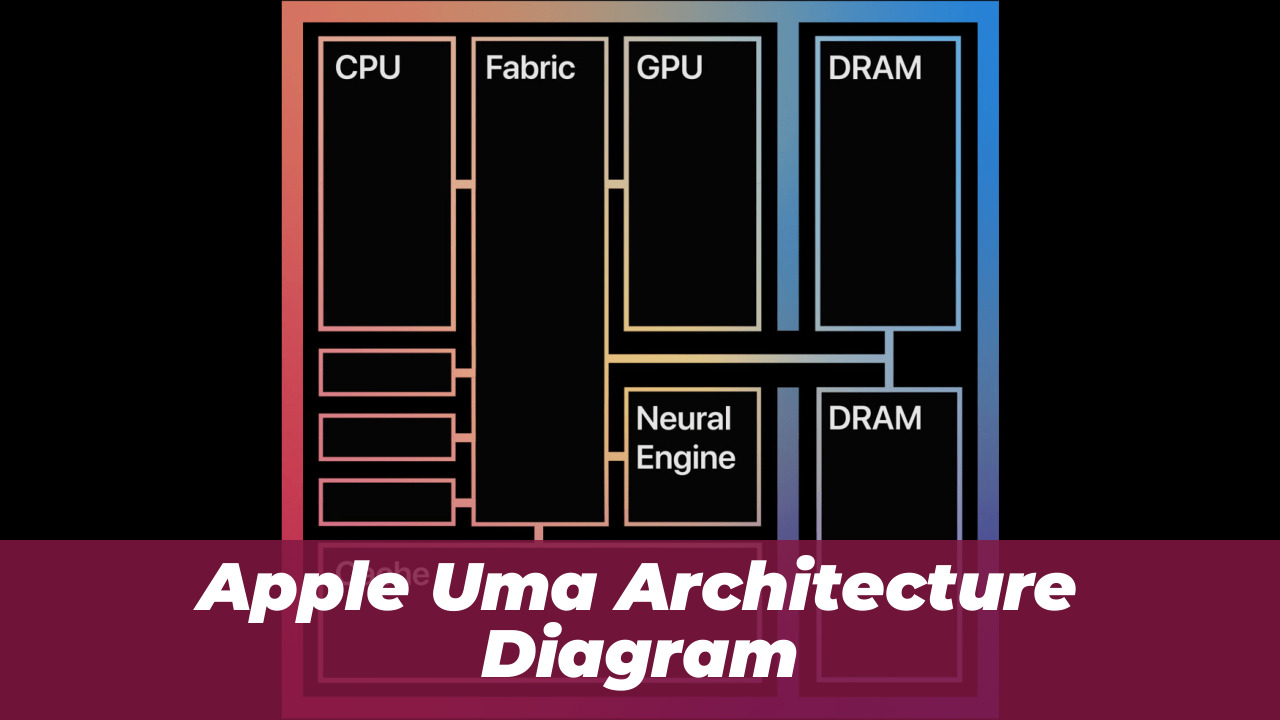
The primary differentiator for Apple in the server space is its Unified Memory Architecture (UMA). In traditional data centers, developers deal with the bottleneck of moving data between the CPU, GPU, and discrete RAM. Apple’s UMA eliminates this latency. By allowing all components to access a single, high-bandwidth memory pool, Apple’s hardware provides a significant advantage for reinforcement learning. For enterprises, this means faster training cycles and lower power consumption compared to traditional x86 server clusters.
The Nvidia Dilemma: UltraFusion vs. NVLink Integration
While Apple’s proprietary UltraFusion interconnect is a marvel of silicon engineering, it is currently limited to single-chassis die integration. To compete in the enterprise market, Apple needs “rack-scale” performance. Industry reports suggest that Apple is in discussions to license Nvidia’s NVLink Fusion technology. By integrating this standard, Apple can bridge the gap between its superior chip architecture and the requirements of massive data centers. This “co-opetition” strategy is a pragmatic step to overcome the limitations of building a proprietary interconnect protocol from scratch.
Technological Sovereignty: The EU and Government Market Opportunity
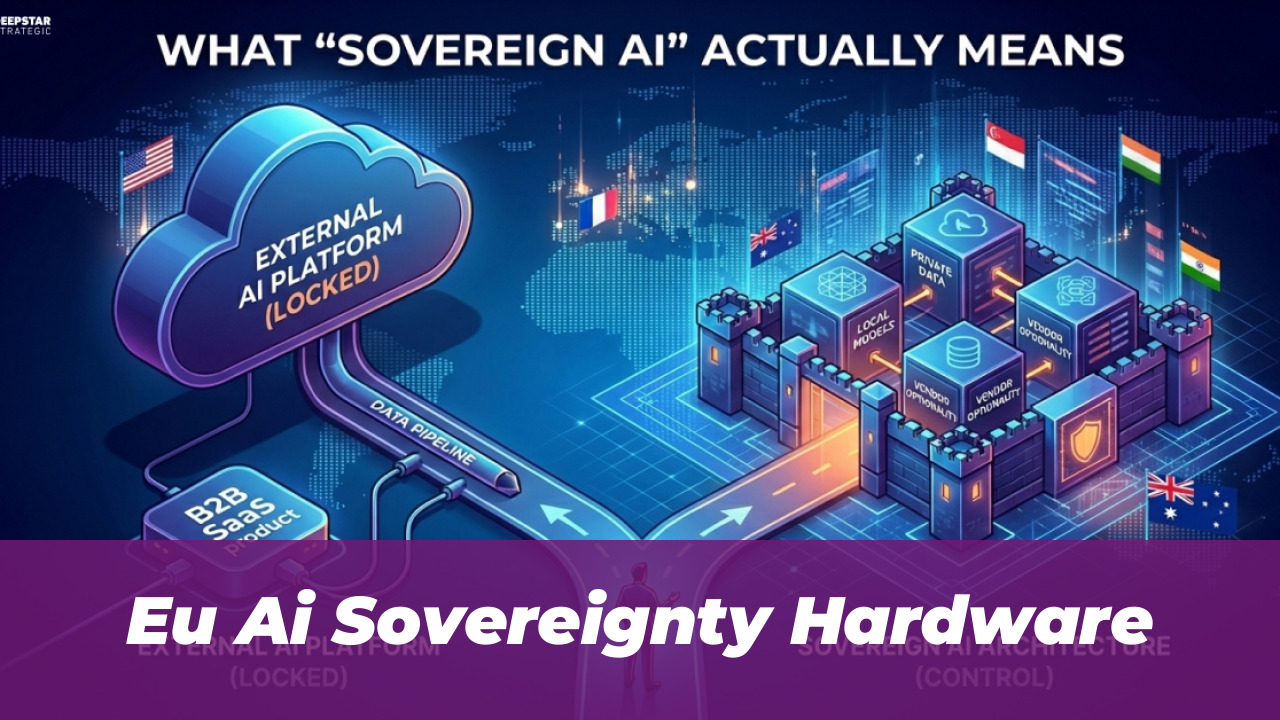
There is a growing geopolitical demand for “Private AI.” As governments and corporations in the European Union face stricter mandates under the EU Cloud and AI Development Act, the reliance on public, US-based cloud providers has become a liability. Apple’s pivot to on-premise, enterprise-grade hardware offers a sovereign alternative. By keeping data processing physically within the client’s infrastructure, Apple is positioning its servers as the gold standard for privacy-focused AI deployment, effectively bypassing the risks associated with public cloud reliance.
Pros and Cons of Apple’s Enterprise AI Strategy
Pros
- Efficiency: UMA provides unmatched performance per watt for AI workloads.
- Demand: Proven interest from major AI labs already leveraging Mac hardware.
- Sovereignty: Offers a secure, on-premise solution for privacy-sensitive government sectors.
- Integration: Seamless compatibility with existing Apple ecosystem development tools.
- Thermal Management: Advanced cooling integration designed for 24/7 server room uptime.
Cons
- Interconnect Hurdles: Reliance on third-party standards like NVLink may be necessary due to current bandwidth limitations.
- Deployment Timeline: The 2029 target for full-scale rack deployment is aggressive, leaving a window for competitors to innovate.
- Supply Chain: Ongoing fluctuations in high-speed memory chip availability could impact the cost-effectiveness of these units.
- Software Ecosystem: Lack of native support for certain legacy enterprise server management protocols.
- Entry Barrier: High initial capital expenditure for organizations transitioning from x86 architecture.
The Road to 2029: What Enterprise Customers Should Expect
Apple is currently bridging the gap between today’s individual Mac Studios and the future of rack-scale enterprise computing. For businesses, the next few years will be a transition period. While we wait for the 2029 launch of full server racks, enterprises should expect Apple to continue optimizing its macOS and silicon for headless, high-density environments. This shift is not just a hardware update; it is a fundamental transformation of Apple’s role in the global AI ecosystem.