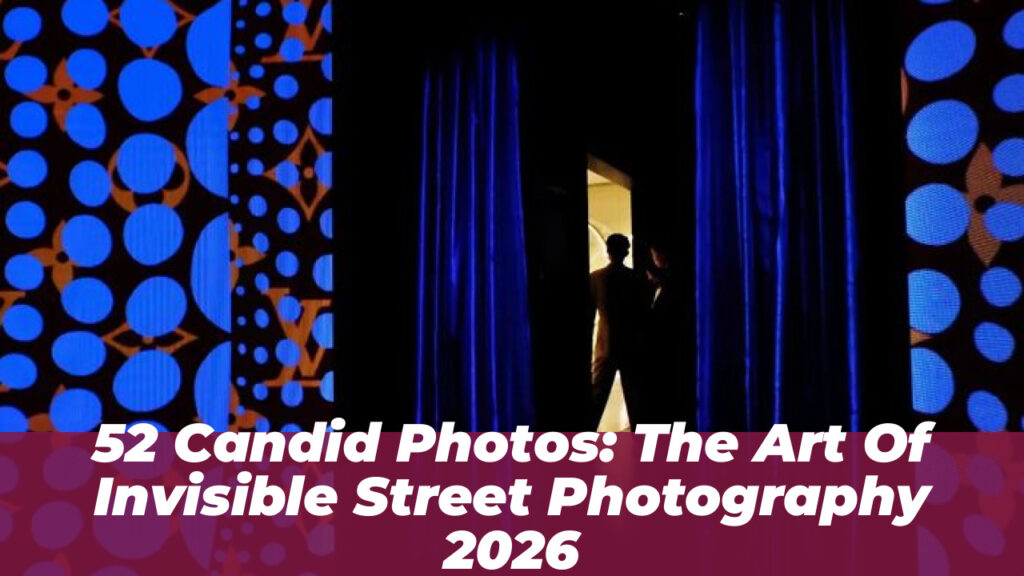
In the high-speed urbanity of 2026, we are conditioned to look at screens rather than the world around us. Christiano Kumoro, an Indonesian street photographer who has spent over 18 years documenting the shifting pulse of Jakarta, actively challenges this digital fatigue. His work transcends the simple act of clicking a shutter; it is a dedicated exercise in the art of noticing.
By mastering the technique of becoming an invisible observer, Kumoro captures the fleeting, unscripted moments that define the human experience. In this collection of 52 photographs, we explore the technical precision and the philosophical patience required to document life without ever altering its course.
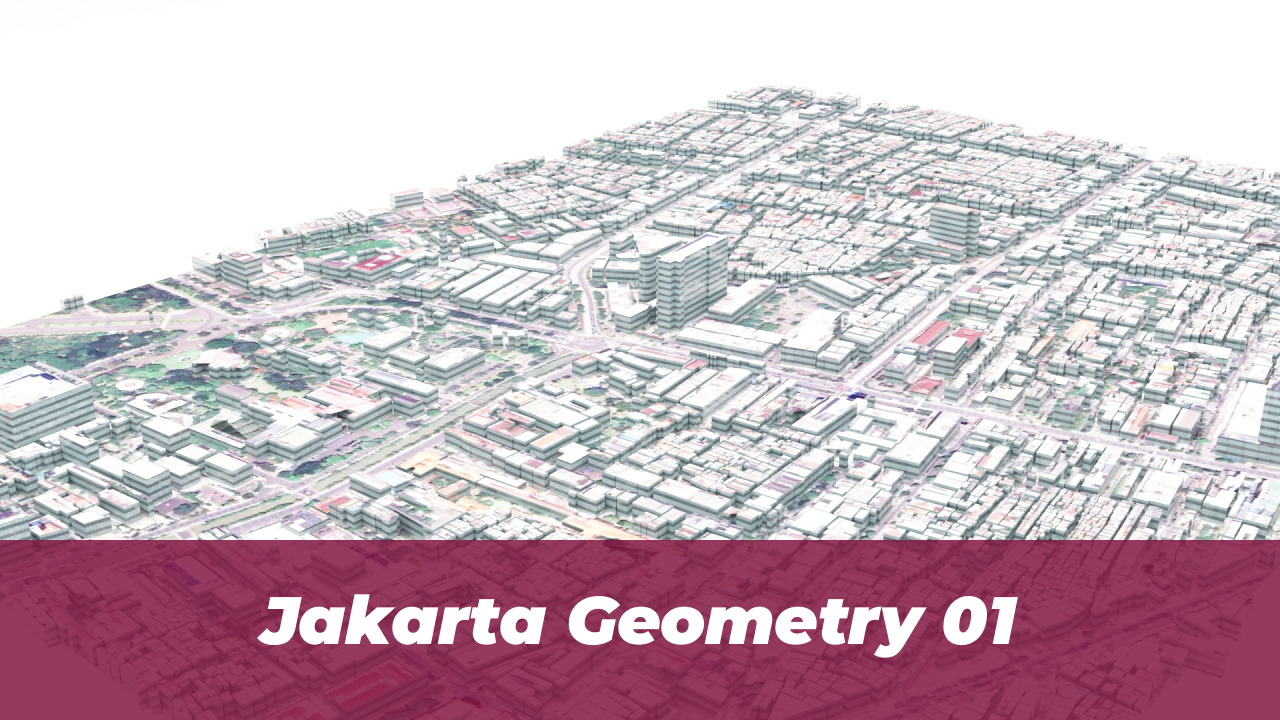
Section 1: The Geometry of Jakarta (Images 1-13)
Jakarta’s concrete maze serves as an expansive canvas for human movement. Kumoro utilizes the harsh lines of modern architecture to frame the organic, unpredictable nature of the people inhabiting these spaces.
- A lone commuter walks against the sharp, elongated shadow of a skyscraper at high noon.
- Concrete pillars create a rhythmic, repetitive pattern that frames a street vendor’s morning setup.
- Overlapping pedestrian bridges form a metallic, industrial cage around a cyclist passing through.
- Reflections in a glass facade distort the dense traffic into a vibrant, abstract painting.
- A single red umbrella provides a striking focal point against the grey brutalist walls of a transit station.
- Staircases leading to nowhere provide a temporary stage for a weary traveler’s brief respite.
- Geometric sunlight patches hit the pavement, precisely marking the path of a hurried student.
- Steel beams frame a distant mosque, highlighting the stark contrast between traditional heritage and modern growth.
- A grid of windows mirrors the chaotic, fluid movement of a passing bus below.
- Symmetrical shadows cast by a large billboard create a natural, darkened corridor for pedestrians.
- The sharp edge of a building cuts through the soft, hazy morning mist characteristic of the Jakarta skyline.
- Vertical lines of a massive construction site emphasize the overwhelming scale of the city’s ongoing development.
- A perfect intersection of walkway lines leads the viewer’s eye directly to a solitary, contemplative figure.
Pro Tip 2026: To capture urban geometry effectively, utilize a 35mm lens and maintain an aperture of f/8 to ensure that everything from the foreground lines to the background architecture remains tack-sharp.
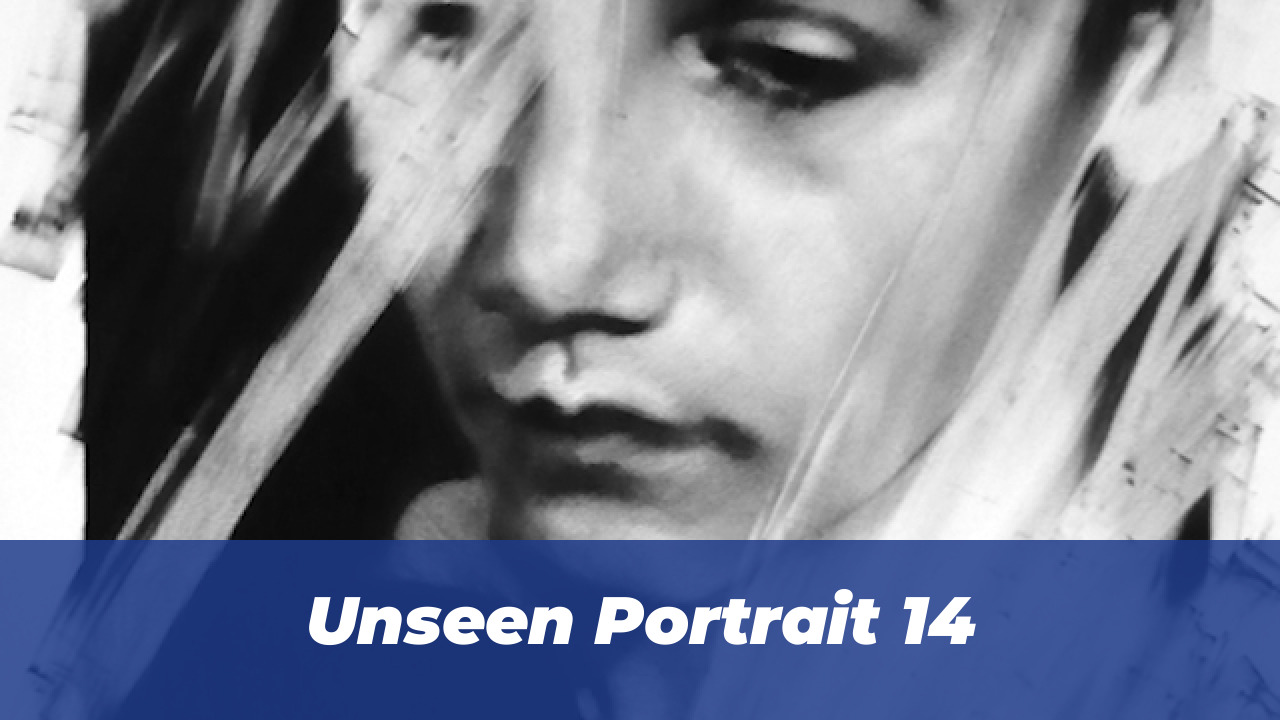
Section 2: The Unseen Portrait (Images 14-26)
Capturing the human soul before the subject becomes aware of the camera requires the philosophy of the ghost. Being present without being felt is the ultimate skill in candid photography.
- A street food vendor shares a genuine smile with a customer, entirely unaware of the lens nearby.
- A child stares intently at a passing train, completely lost in a private world of imagination.
- An elderly woman adjusts her scarf, her weathered expression reflecting a lifetime of untold stories.
- A businessman checks his watch, his rigid posture revealing the mounting stress of the morning rush.
- Two friends share a spontaneous laugh on a park bench, absorbed in an intimate conversation.
- A street musician tunes his instrument on the sidewalk, focused solely on the acoustic resonance.
- A flower seller waits with stoic patience, eyes scanning the passing crowd for a potential buyer.
- A student leans against a crumbling wall, engrossed in a book while the city rushes by in a blur.
- A mother carries her sleeping toddler, her face showing the quiet, profound exhaustion of parenthood.
- A local shopkeeper counts his daily earnings, his brow furrowed in deep, silent concentration.
- A tourist studies a map, looking slightly disoriented but clearly relishing the joy of urban discovery.
- A tailor works at his machine, his hands moving with the rhythmic, practiced precision of a master craftsman.
- A young girl watches a street performer, her eyes wide with a sense of genuine, unadulterated wonder.
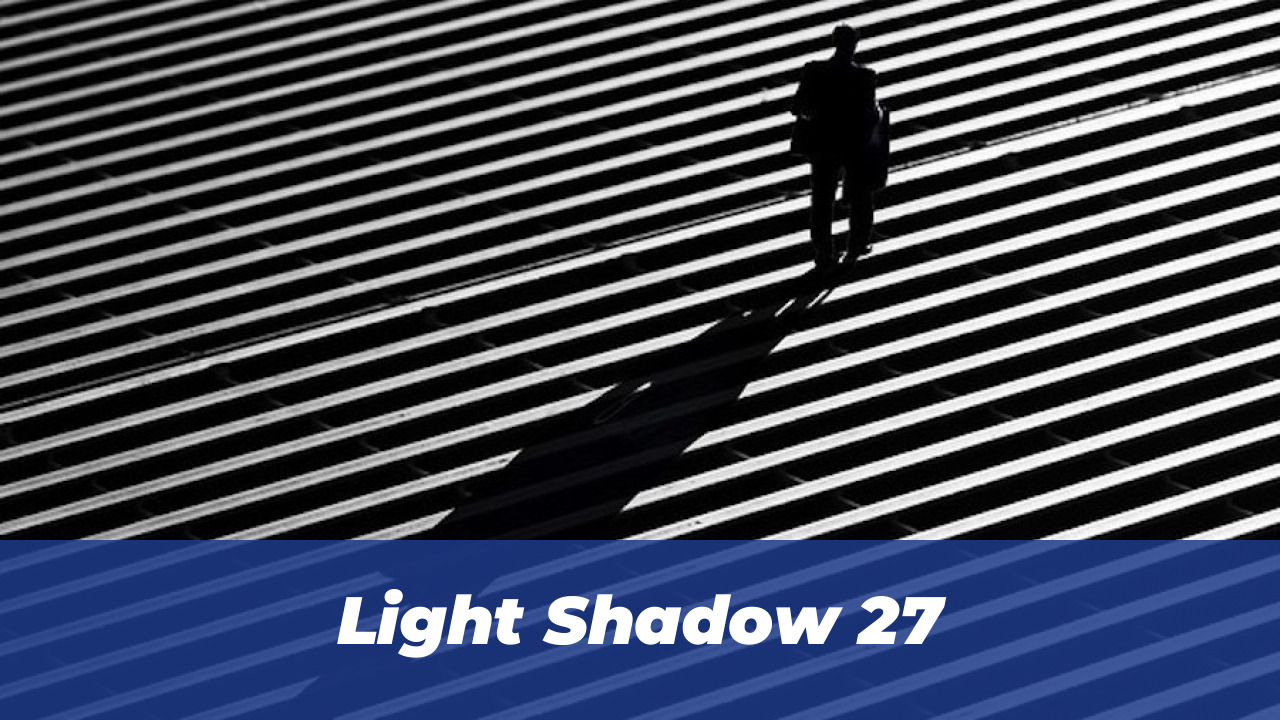
Section 3: Light, Shadow, and Silence (Images 27-39)
Where the light ends, the story begins. Using current-gen gear like the Fujifilm X100VI, Kumoro utilizes high-contrast settings to turn mundane scenes into cinematic noir.
- A sliver of natural light illuminates a man’s face in the depths of a dark alleyway.
- The distinct silhouette of a man on a bicycle is cast against the bright, golden setting sun.
- Harsh midday sunlight creates a dramatic, high-contrast texture on a vendor’s weathered hands.
- A dark, cavernous doorway perfectly frames a brightly lit scene of a busy neighborhood market.
- Long evening shadows stretch across the road, trailing a lone motorcycle rider.
- A flickering neon sign casts an ethereal blue glow on a passerby’s jacket during the twilight hours.
- Sunlight filtering through thick leaves creates a complex, dappled pattern on a quiet residential street.
- A high-contrast shot captures a man walking into a tunnel of total darkness.
- The reflection of a street lamp in a rain-filled puddle creates a soft, golden halo effect.
- Deep, crushing shadows hide the granular details of a market, leaving only compelling shapes behind.
- A precise beam of light highlights a single, crystalline raindrop on a window pane.
- Silhouetted figures wait at a bus stop under the dim, artificial glow of evening streetlights.
- The interplay of light and shadow transforms a simple, textured wall into a piece of minimalist art.
Pro Tip 2026: For high-contrast street shots, set your shutter speed to 1/500s or faster to freeze movement, and use spot metering on the highlights to maintain deep, rich shadows.
Section 4: The Final Transition – Life in Motion (Images 40-52)
This section documents the rhythm of a city that never stops to pose. These final images capture the chaotic beauty of Indonesian life, from bustling markets to public transit.
- Commuters scramble to board a departing train, creating a cinematic blur of human motion.
- A busy market aisle is captured, filled with vibrant colors and the frantic energy of daily activity.
- A motorcycle weaves through heavy traffic, captured with a slight motion blur to emphasize speed.
- Street food smoke rises into the humid air, partially obscuring the busy, layered background scene.
- A crowded bus interior showcases the diverse, weary faces of the city’s essential workforce.
- A street sweeper begins his shift early in the morning while the rest of the city still sleeps.
- Rain-slicked streets reflect the chaotic, neon-drenched lights of the evening rush hour.
- A vendor pushes a heavy, overloaded cart, his body leaning into the physical task.
- A group of children plays in a narrow alleyway, full of unbridled energy and laughter.
- The blur of a passing taxi creates a sharp streak of light across the frame.
- A newsstand owner organizes his papers, a quiet relic of a slower, more deliberate time.
- Pedestrians crossing a busy intersection are caught in a moment of organized, urban chaos.
- The final shot: a quiet, serene sunrise over the city, signaling the start of a brand new day.
Specifications Table
| Feature | Detail |
|---|---|
| Primary Camera | Fujifilm X100VI / Ricoh GR IIIx |
| Lens Focal Length | 23mm / 28mm (Fixed) |
| ISO Range | 800-3200 |
| Shutter Speed | 1/500s – 1/1000s |
| Editing Style | Minimal, High-Contrast Black & White |
Pros & Cons
Pros:
- Encourages authentic, non-staged storytelling that resonates with viewers.
- Develops high levels of patience and refined observation skills over time.
- Minimalist gear setups allow for faster, more discreet movement in crowded areas.
Cons:
- Requires significant time investment to find the “perfect” candid moment.
- Can be physically demanding to stand or walk for long periods to secure the right shot.
- Often requires high-speed settings that may be difficult to manage in low-light conditions.
For those planning to document their travels while managing professional commitments, such as coordinating industrial workforce solutions, staying mobile and efficient remains a priority for any photographer on the move.