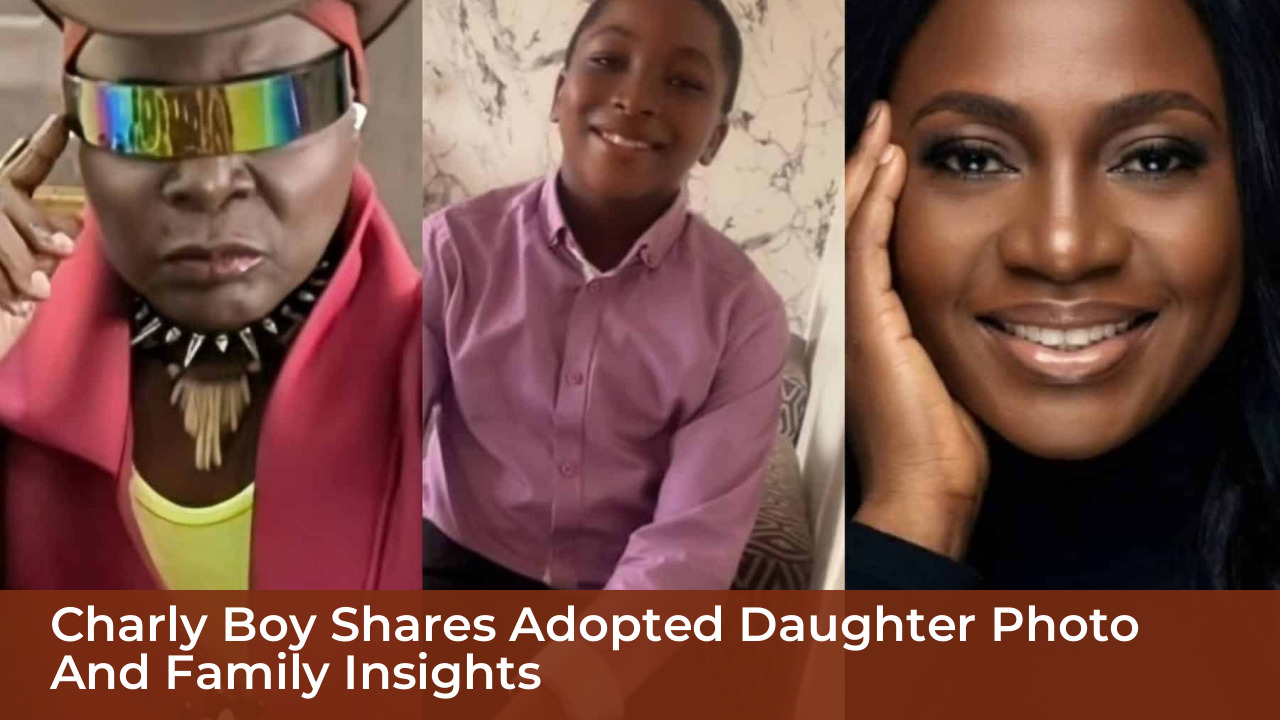
Iconic Nigerian entertainer Charles Chukwuemeka Oputa, universally recognized as Charly Boy, sparked a national conversation surrounding parentage, filial loyalty, and social obligation after posting photographs featuring his adopted daughter and grandchild. The veteran musician and activist utilized his platform to challenge deeply entrenched cultural beliefs regarding biological supremacy within family structures, asserting that blood ties do not guarantee unconditional affection or lifetime support.
- Charly Boy Reveals Adopted Daughter and Grandchild in Social Media Post
- Key Statements and Public Reaction
- Breakdown of Charly Boy’s Family Dynamics and Public Legacy
- Cultural Context: Redefining Kinship and Bloodline in West Africa
- Psychological and Social Shifts in Parent-Child Relationships
- Frequently Asked Questions
- How many biological children does Charly Boy have?
- What were Charly Boy’s exact words regarding his adopted children?
- Why is Charly Boy’s statement significant in West Africa?
- Evolving Definitions of Legacy and Fatherhood
Through a series of reflective public updates, the multi-generational artist presented a candid appraisal of his personal experiences as a father to both biological and adopted offspring. His commentary highlighted a distinct shift in how modern African families handle affection, responsibility, and intergenerational caregiving.
Charly Boy Reveals Adopted Daughter and Grandchild in Social Media Post
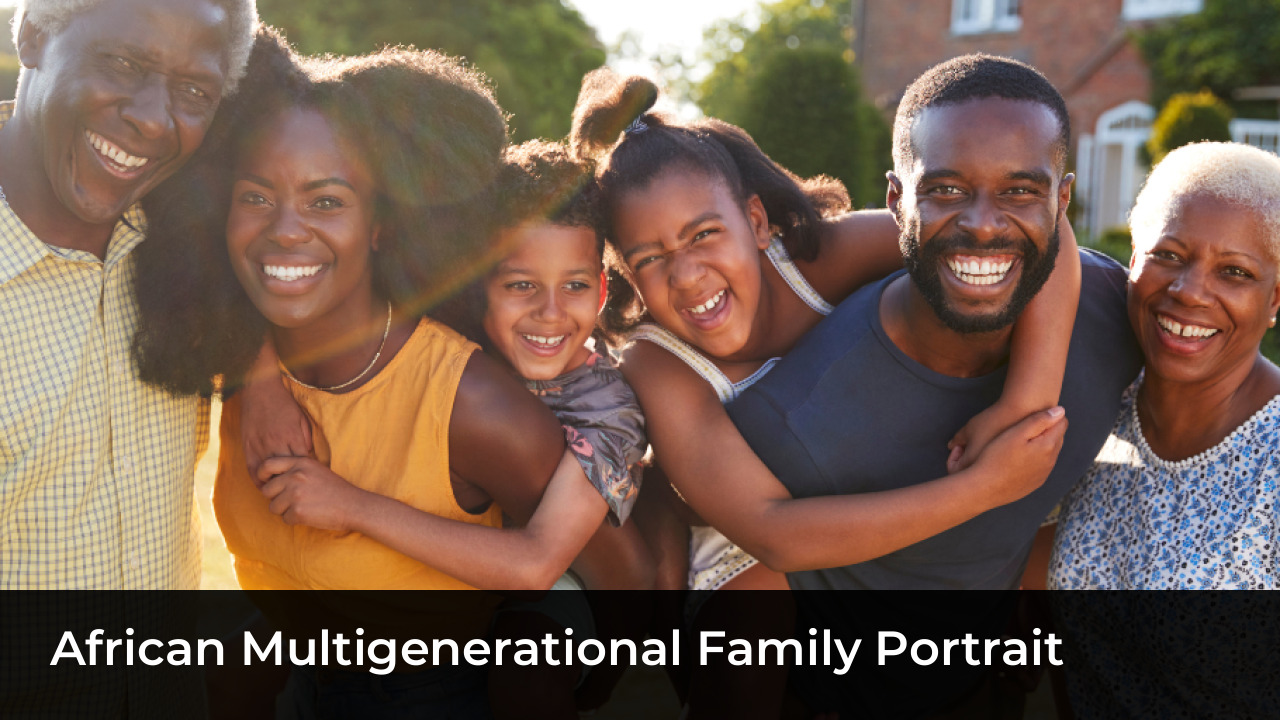
During a public address across his social media channels, Charly Boy published warm family portraits showcasing his adopted daughter alongside his grandchild. The imagery captured intimate domestic moments, serving as a visual backdrop to an unreserved critique of conventional parenting expectations in West Africa. Rather than emphasizing traditional lineage, the activist focused on the practical realities of emotional closeness and practical support.
The veteran entertainer openly challenged the widely held societal premise that shared genetic material automatically translates into meaningful human relationships. He argued that consistent care, active presence, and mutual respect represent the true pillars of family cohesion. His statements sparked immediate engagement, with thousands of followers analyzing the implications of his personal revelations.
By bringing his adopted children into the spotlight, Charly Boy forced a public re-examination of household structures that prioritize biological children over adopted wards. He detailed how everyday actions, rather than theoretical obligations, define who stands by a parent during their later years.
Key Statements and Public Reaction
The core of Charly Boy’s viral message rested on several provocative statements regarding parental affection and biological obligations. Among his most widely cited remarks was his explicit declaration: “Some of my adopted kids have shown me more love than my biological children.” He pushed the argument further by attacking societal dogmas directly, stating that “one of the biggest lies is that blood makes one family” and maintaining that “family is determined more by behaviour than blood.”
Public reaction across digital platforms reflected a sharp divide between traditionalists and younger, reform-minded observers:
- Cultural Traditionalists: Contended that biological ties carry irreplaceable spiritual, legal, and ancestral significance that cannot be eclipsed by informal emotional bonds.
- Family Dynamics Advocates: Validated the entertainer’s perspective, citing numerous instances where chosen families provided superior emotional security and financial backing compared to biological relatives.
- Social Commentators: Praised the singer for shedding light on the silent pain many aging parents face when biological children become distant or unsupportive.
The discourse quickly expanded into broader debates on parental expectations, emotional reciprocity, and the growing prevalence of alternative care networks across modern urban centers.
Breakdown of Charly Boy’s Family Dynamics and Public Legacy
Charly Boy has long managed a large and unconventional household. The legendary entertainer is the father of nine biological children born from various relationships across several decades, alongside a number of informally and formally adopted children whom he raised within his domestic circle. His open-door policy has defined his private life for over forty years, creating an expansive extended family network.
Throughout his career, the artist earned a reputation as a compassionate mentor to marginalized youth, street performers, and disenfranchised creatives across Nigeria. His residence famously served as a sanctuary for young talents seeking shelter, professional guidance, and artistic development, earning him the affectionate title of “Area Fada” among urban youth populations.
His history as an unconventional iconoclast heavily informs his stance on family composition. Having spent decades challenging social norms through his music, motorcycle culture, and political activism, his refusal to prioritize biological offspring aligns with his lifelong ethos of radical social inclusion.
The table below highlights the distinct structural differences between conventional African family arrangements and Charly Boy’s chosen family philosophy:
| Family Framework Aspect | Conventional Lineage Model | Charly Boy’s Chosen Model |
|---|---|---|
| Primary Foundation | Biological lineage and shared genetic heritage | Reciprocal affection, behavioral commitment, and active presence |
| Inheritance & Status | Strictly prioritized by birth order and bloodline | Determined by personal contribution, loyalty, and mutual respect |
| Caregiving Expectation | Obligatory filial duty based on traditional hierarchy | Voluntary, emotionally driven support and presence |
| Social Inclusion | Rigid boundaries excluding non-relatives from core rights | Fluid household structure welcoming adopted wards and proteges |
Cultural Context: Redefining Kinship and Bloodline in West Africa
West African societies historically place an enormous premium on biological continuity, ancestral lineage, and formal inheritance rights. Traditional customs often dictate that legacy, land, and family leadership pass strictly through biological lines, creating deep-rooted expectations for adult children to care for aging parents out of customary duty.
Within this traditional framework, formal or informal adoption has sometimes carried unfair social stigma. Non-biological children have occasionally faced exclusion from ancestral holdings or secondary status within extended family meetings. Consequently, open discussion of adoption dynamics among prominent public figures serves as a powerful catalyst for social reform.
When influential personalities speak publicly about the emotional depth found in non-biological parent-child bonds, it helps reduce historical biases. Modern African families increasingly acknowledge that practical caregiving, mutual emotional validation, and shared life values form a far more reliable foundation for family stability than genetic heritage alone.
Psychological and Social Shifts in Parent-Child Relationships
Sociological studies on modern family life highlight an increasing drift toward functional kinship. Adult children and elderly parents frequently recalibrate their relationships based on emotional safety and active engagement rather than guilt or ancestral duty. Behavioral devotion routinely creates deeper security than unfulfilled biological obligations.
In contemporary society, effective fatherhood demands emotional presence, consistent financial or psychological backing, and continuous dialogue. When biological children become emotionally or physically absent, the bond naturally weakens. Conversely, adopted children who experience loving parenting often step forward with profound gratitude and active support in a parent’s later years.
Charly Boy’s public reflections offer clear practical lessons for modern households:
- Prioritize Emotional Investment: Genuine human relationships require consistent nurture, active listening, and unconditional empathy rather than simple reliance on formal titles.
- Acknowledge Reciprocal Effort: Honor and appreciate those family members who show up consistently during difficult times, regardless of genetic origin.
- Remove Stigma from Adoption: Embrace adopted children with full social, emotional, and household equality to foster genuine long-term loyalty and love.
Frequently Asked Questions
How many biological children does Charly Boy have?
Charly Boy is the father of nine biological children from his various relationships across his life, alongside several adopted children whom he has raised and mentored over the decades.
What were Charly Boy’s exact words regarding his adopted children?
He publicly stated, “Some of my adopted kids have shown me more love than my biological children,” while asserting that “one of the biggest lies is that blood makes one family” and concluding that family dynamics are determined by behavior rather than genetics.
Why is Charly Boy’s statement significant in West Africa?
His commentary directly challenges long-standing traditional beliefs that prioritize biological bloodlines, helping to break down historical social stigmas around adoption and chosen family structures in the region.
Evolving Definitions of Legacy and Fatherhood
Charly Boy’s public tribute to his adopted daughter and grandchild highlights a broader shift in how society evaluates family relationships. By openly praising the deep love received from non-biological offspring, the legendary entertainer has initiated a necessary dialogue on fatherhood, responsibility, and gratitude.
Ultimately, his message reinforces the principle that true family status is earned through action, kindness, and sustained devotion. As social structures evolve, his candid words remind parents and children alike that emotional presence remains the truest measure of kinship.