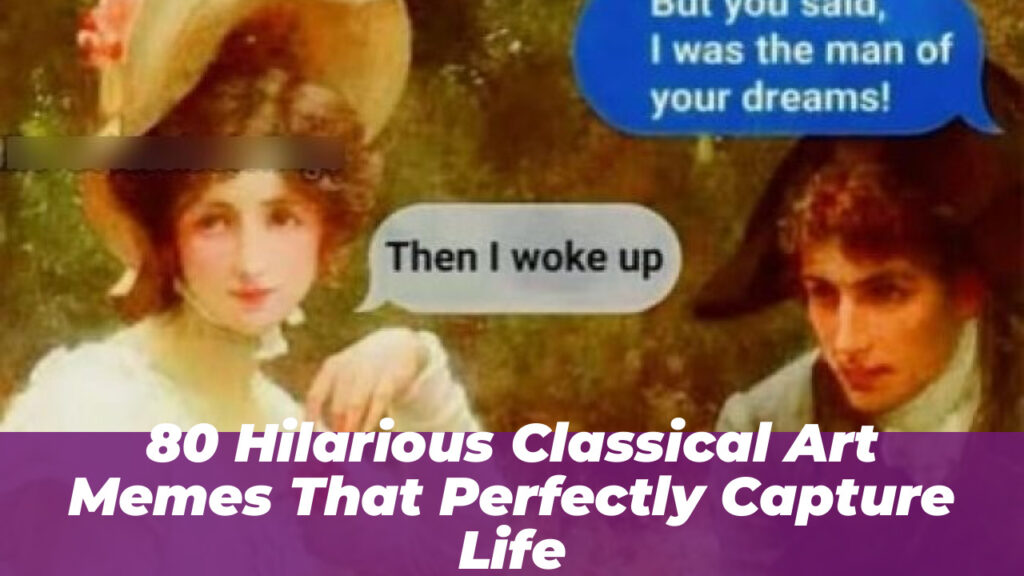
The digital age has birthed a peculiar yet delightful phenomenon where the hallowed halls of art history collide with the cynical reality of modern existence. By taking the stoic figures of the Renaissance and Baroque periods and overlaying them with biting, relatable commentary, internet creators have bridged a five-hundred-year gap. This blend of high-brow aesthetics and low-brow wit offers a refreshing escape from the monotonous scroll of social media.
Why Classical Art Memes Resonate in 2026
The enduring popularity of these memes stems from the concept of anachronistic juxtaposition. When we see a 17th-century aristocrat looking profoundly disappointed while holding a glass of wine, it mirrors our own internal exhaustion after a long week. This visual dissonance creates a comedic spark that feels both fresh and strangely timeless.
These images act as a mirror for the modern soul, reflecting our shared anxieties through a lens of historical grandeur. By stripping away the prestige of the museum setting, creators make the art feel accessible rather than intimidating. It transforms the museum experience from a quiet, academic exercise into a vibrant conversation about the human condition.
Furthermore, the inscrutable expressions found in classical portraiture serve as a perfect blank slate for digital creators. Because the subjects often appear caught in a moment of deep thought or mild irritation, they become ideal vessels for our modern internal monologues. We project our own frustrations onto these oil-painted faces, finding comfort in the realization that human emotion has remained constant for centuries.
The Psychology of Anachronistic Humor
Human psychology dictates that we gravitate toward humor that validates our own experiences. When we encounter a meme that perfectly encapsulates a specific type of social awkwardness, it triggers a sense of belonging. The use of classical art adds a layer of intellectual irony that makes the humor feel sharper and more sophisticated.
This type of humor thrives on the tension between the formal and the informal. The brain finds delight in the unexpected pairing of a stiff, ornate portrait with a casual, slang-heavy caption. It is a cognitive puzzle that results in a laugh, providing a brief but necessary dopamine hit in an otherwise stressful digital environment.
How Digital Creators Reclaim Old Masters
Modern creators have effectively reclaimed the works of the Old Masters by stripping them of their elitist connotations. By repurposing these images, they democratize art history, turning intimidating museum pieces into relatable cultural currency. This process removes the barriers to entry that often prevent casual viewers from engaging with complex historical works.
The digital remixing of these paintings serves as a form of homage rather than a critique. By selecting specific works that evoke particular moods, creators demonstrate a sophisticated understanding of composition and lighting. They are not merely mocking the paintings; they are celebrating the emotional depth that these artists managed to capture so long ago.
Workplace Woes: Renaissance Figures at the Office
The modern workplace is a breeding ground for frustration, and nowhere is this better expressed than through the dramatic gestures of Renaissance figures. Whether it is the look of utter despair on a saint’s face or the weary posture of a merchant, these paintings capture the essence of a Tuesday afternoon meeting perfectly. The visual drama of the era translates seamlessly into the chaos of corporate life.
These memes often highlight the absurdity of modern professional norms. A painting of a courtly gathering might be captioned with a comment about unnecessary email chains or the dread of a performance review. By framing these experiences within a historical context, the sting of workplace reality is softened by the absurdity of the visual pairing.
Ultimately, these memes provide a cathartic outlet for employees everywhere. Seeing a 16th-century figure look as tired as you feel provides a strange sense of solidarity. It reminds us that while our tools and titles have changed, the fundamental experience of navigating hierarchy and professional expectation remains largely the same.
The ‘Reply All’ Disaster in Baroque Style
The Baroque period is characterized by intense emotion and dramatic lighting, making it the ideal aesthetic for the horror of a ‘Reply All’ email mistake. The wide-eyed terror found in many Baroque portraits captures the exact moment of realization when one hits send on an inappropriate message. The theatricality of the art style amplifies the comedic impact of the digital error.
This specific sub-genre of memes highlights the extreme reactions we have to minor digital inconveniences. By elevating a simple email blunder to the level of a dramatic historical tragedy, the humor becomes hyperbolic and undeniably effective. It turns a mundane office panic into a grand, epic narrative of human failure.
Monday Morning Energy as Depicted by 17th-Century Portraits
Monday morning is a universal struggle, and 17th-century portraiture provides the perfect visual shorthand for the feeling of deep, existential sluggishness. The heavy velvet fabrics, the dim lighting, and the perpetually unimpressed expressions of the subjects mirror the feeling of waking up before the sun. These memes capture the essence of the “not ready for the week” mood with unmatched elegance.
The contrast here is key; the subject is dressed in exquisite, expensive clothing, yet their posture suggests they would rather be anywhere else. This perfectly encapsulates the feeling of having to perform professionalism while feeling completely drained. It is a visual representation of the internal conflict between duty and personal desire.
Modern Dating and Social Awkwardness
The world of modern dating is fraught with anxiety, and the dramatic narratives of classical art offer a perfect stage for these stories. From the confusion of text-based communication to the pressure of first impressions, the expressive faces of historical figures tell the story better than any emoji could. These memes turn the painful process of modern romance into a series of comedic vignettes.
The art of the bad first date, for example, is captured through paintings that feature awkward physical spacing or suspicious side-eyes. These images highlight the universal nature of social friction. By using these historical figures, we can laugh at the absurdity of our own dating lives without feeling overly exposed or vulnerable.
The Art of the Bad First Date
A bad first date often feels like a performance, and classical art is nothing if not performative. Paintings featuring two figures looking in opposite directions or appearing visibly bored have become staples for illustrating the awkward silence of a dinner date gone wrong. The humor lies in how easily these historical poses translate into modern social failures.
These memes serve as a therapeutic tool for the modern dater. By laughing at the visual representation of a disastrous encounter, we feel less alone in our experiences. It turns a collection of awkward memories into a shared cultural language that everyone can understand and appreciate.
Navigating Modern Romance Through Oil Paintings
Navigating the complexities of digital romance requires a level of patience that often results in the same expressions of pained longing found in Romantic-era paintings. The act of waiting for a text back is perfectly represented by a lone figure staring out of a window. These memes capture the yearning and uncertainty that define the modern dating experience.
The use of these paintings allows for a level of dramatic flair that modern photography simply cannot match. The brushstrokes and lighting add a layer of gravity to a situation that is ultimately quite trivial. This elevation of the mundane into the grand is exactly what makes these memes so compelling to a wide audience.
Family Dynamics and Holiday Stress
Family gatherings are a minefield of unspoken tension and complex dynamics, a theme that has been present in portraiture for centuries. Whether it is the judgmental aunt or the chaotic dinner table, classical art captures these moments with startling accuracy. These memes bring a sense of humor to the often-overwhelming reality of family life.
The richness of detail in these paintings allows for nuanced storytelling. A single image of a crowded table can reveal a dozen different family archetypes, from the stressed parent to the disinterested teenager. By adding a witty caption, creators highlight the universal nature of these family struggles, making them feel less like personal burdens and more like shared human experiences.
Relatable Moments from the Renaissance Dinner Table
The Renaissance dinner table was a place of status and ceremony, yet the paintings often show the hidden cracks in that facade. Children looking bored, guests whispering in corners, and hosts appearing overwhelmed are all common themes. These images are perfectly suited for captioning the inevitable chaos of modern family dinners.
These memes resonate because they strip away the facade of the “perfect family.” By pointing out the hidden moments of annoyance or exhaustion in these historical scenes, we acknowledge that family stress is a timeless constant. It is a reminder that even in the most formal settings, people are just people, struggling to get through the meal.
Capturing the Chaos of Family Gatherings
The sheer number of figures in many historical paintings makes them ideal for representing the overwhelming nature of large family reunions. The chaotic composition of these works mirrors the noise and confusion of trying to keep everyone happy at once. These memes turn the stress of the holiday season into a spectacle of historical proportion.
The humor here is derived from the contrast between the rigid social order of the past and the messy reality of the present. By placing modern complaints about family politics over images of 18th-century gatherings, the absurdity of the situation is highlighted. It provides a much-needed laugh during times that are often filled with social anxiety.
Existential Dread and Modern Life
Existential dread is a defining feature of the 2026 experience, and classical art provides a profound visual language for these complex feelings. The stoicism of a portrait subject often masks a depth of thought that mirrors our own internal struggles with the state of the world. These memes allow us to confront our anxieties through a lens of historical perspective.
This category of memes is perhaps the most poignant, as it bridges the gap between lighthearted humor and genuine reflection. The subjects in these paintings often look as though they are contemplating the meaning of life, which is exactly where many of us find ourselves on a daily basis. It is a way to acknowledge our fear while keeping a sense of humor about it.
Why Stoic Portraits Perfectly Mirror Our Anxiety
The stoic expression is a hallmark of classical portraiture, signifying control and dignity. However, when placed in a modern context, that same expression can look like someone holding back a scream of frustration. This ambiguity is exactly why these paintings work so well as memes; they are open to interpretation.
Our anxiety often feels like an internal weight that we must carry with a stoic face. Seeing that same tension reflected in a painting from the 1600s provides a sense of continuity. It suggests that while the world has changed, the human struggle to maintain composure in the face of uncertainty is a thread that connects us all.
Finding Humor in Global Uncertainty
Global uncertainty can feel paralyzing, but humor remains one of our most effective coping mechanisms. By using art to frame these large-scale issues, we make them feel slightly more manageable. These memes don’t solve the problems, but they do make them feel less lonely, turning a shared experience of dread into a shared moment of laughter.
The use of historical art serves as a reminder that the world has always been a place of change and turbulence. By looking back at how previous generations navigated their own times of trouble, we can find a strange sense of comfort. We are part of a long history of people who found ways to laugh in the face of the unknown.
The Educational Side Effect: Learning History Through Laughs
One of the most surprising outcomes of the classical art meme trend is the genuine interest it has sparked in art history. Viewers who might never have visited a gallery are now spending time in comment sections identifying the artists and the historical context of the paintings. It is a classic case of learning through engagement.
This educational byproduct is a testament to the power of humor as a gateway to knowledge. When a meme makes someone laugh, they are more likely to want to know the story behind the image. This curiosity leads to deeper research, turning a simple social media post into a springboard for genuine historical exploration.
Identifying the Original Painters Behind the Jokes
The comment sections of popular meme accounts have become accidental classrooms. Users frequently tag each other to ask, “Who painted this?” or “Is this a Caravaggio?” This collaborative effort to identify the works has created a community of amateur art historians. It proves that the appetite for knowledge is there; it just needed the right hook to draw it out.
This trend has also encouraged content creators to include more context in their posts. Many now include the title of the painting and the artist in the caption, recognizing that their audience values this information. It is a mutually beneficial relationship where entertainment and education reinforce each other, leading to a more informed public.
How Memes Spark Interest in Art History
Memes act as a soft introduction to the vast world of art history, removing the intimidation factor. By presenting these works in a familiar, humorous format, the art becomes part of our daily digital lives. This familiarity makes the prospect of visiting a museum less daunting and more exciting, as viewers look to see their favorite “meme paintings” in person.
The impact of this cannot be overstated. By bringing art into the digital mainstream, these memes are helping to preserve the relevance of historical masterpieces. They ensure that the works of the Old Masters continue to be seen, discussed, and appreciated by new generations who might otherwise have passed them by.
FAQ Section
Are these memes disrespectful to art history?
Most art historians and museum curators view these memes as a form of appreciation rather than disrespect. By keeping these images in the public consciousness, the memes ensure that the works remain relevant. As long as the art is credited correctly, the humor is generally seen as a modern tribute to the timelessness of the original creations.
Where do most of these images originate?
The majority of these images are sourced from the public domain archives of major international museums. Institutions like the Louvre, the Metropolitan Museum of Art, and the National Gallery have made high-resolution images of their collections available for public use. This has been a massive driver for the growth of the art meme community.
Can I create my own classical art memes?
Absolutely, and it is highly encouraged. There are numerous free online tools that allow you to overlay text on high-resolution images. The best approach is to find a painting that resonates with a specific emotion or situation you have experienced. The most successful memes are those that feel personal and authentic to the creator.
Why are these memes so viral on social media?
They are viral because they are highly shareable and universally relatable. They bridge the gap between different cultures and generations by focusing on human emotions that are shared by everyone. The combination of visual beauty and sharp, sarcastic wit is a winning formula for engagement on platforms that prioritize quick, impactful content.
Conclusion: The enduring bond between historical beauty and modern wit.
The fusion of classical art and modern sarcasm is more than just a passing internet trend; it is a testament to the enduring power of human expression. By using the visual language of the past to articulate the complexities of the present, we create a bridge that connects us to those who came before. It is a celebration of the fact that, despite the passage of centuries, our joys, fears, and frustrations remain fundamentally human.
As we continue to navigate an increasingly digital and often chaotic world, the ability to find humor in our shared history is a vital skill. These memes serve as a gentle reminder that we are not the first to feel overwhelmed, confused, or exhausted by the state of things. They offer a perspective that is both grounded in history and firmly rooted in the realities of 2026.
Ultimately, the popularity of these memes proves that art is never truly static. It evolves with every generation, taking on new meanings and serving new purposes. Whether it is teaching us about the past or simply helping us survive a difficult Monday, the bond between historical beauty and modern wit is one that will likely continue to thrive for years to come.