
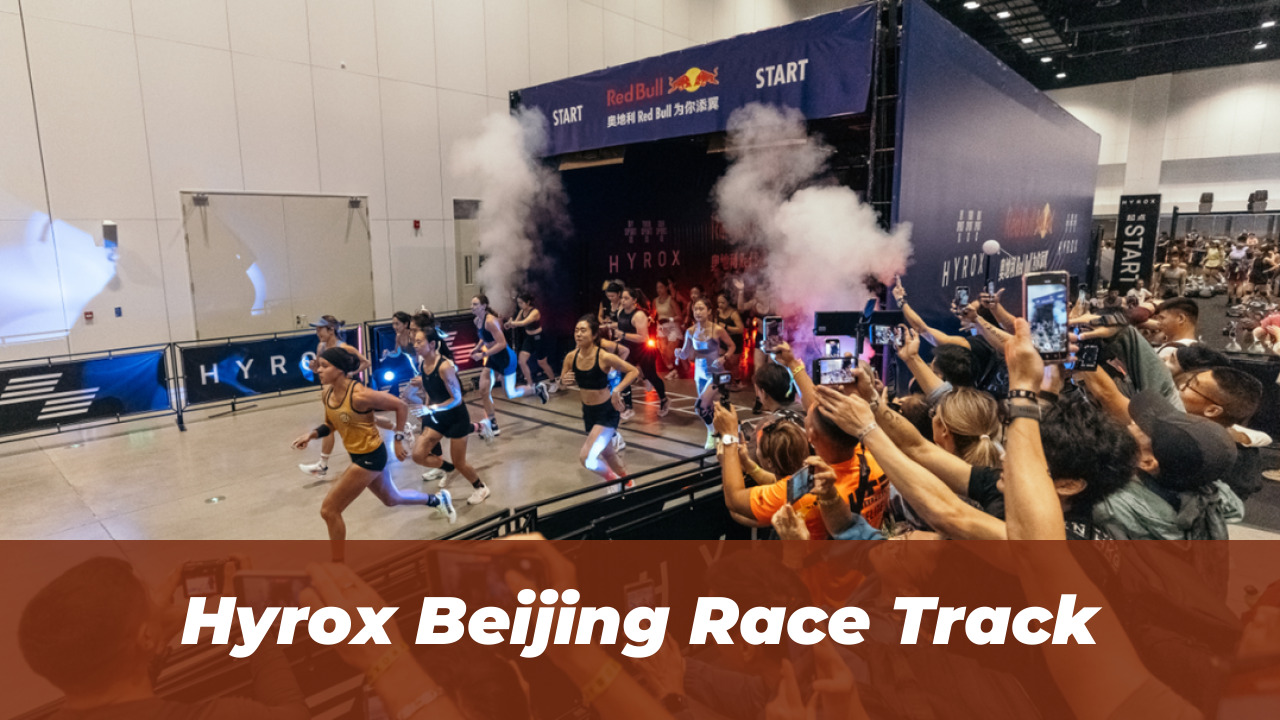
The global fitness community has been left reeling following the events at the HYROX Beijing competition on September 12, 2026. What was intended to be a premier endurance showcase quickly spiraled into a significant controversy when athlete Joanna Wietrzyk continued to compete despite suffering a public episode of fecal incontinence. This incident has ignited a broader conversation regarding professional integrity, the maintenance of sanitary standards in elite sports, and the fragile nature of corporate sponsorships in the modern era.
The Incident and The Aftermath
The situation unfolded mid-race, leaving both spectators and fellow competitors visibly stunned. Despite the sanitary implications of the accident, Wietrzyk persisted on the course, eventually crossing the finish line in first place. However, the victory was fleeting. By September 17, 2026, the global outcry regarding the breach of hygiene protocols forced a total re-evaluation of her standing. The backlash focused less on the biological accident itself and more on the athlete’s decision to prioritize a podium finish over the health and comfort of other participants sharing the race environment.
Sponsorship Fallout: PUMA’s Decision
The most immediate professional consequence for Wietrzyk was the swift termination of her high-profile partnership with PUMA. By mid-September 2026, the Joanna Wietrzyk x PUMA signature clothing line had been completely removed from the brand’s global digital storefronts. Industry analysts characterize this as a defensive maneuver to shield the brand from the intense social media discourse linking their corporate identity to the incident. PUMA’s move underscores a growing trend where brands are prioritizing the protection of their reputation against the social costs of athlete controversies.
Joanna Wietrzyk’s Formal Apology and Withdrawal
On September 17, 2026, Wietrzyk released a formal statement acknowledging the severity of the situation. “I recognize that I should have made a different choice,” she admitted. “I take full responsibility for my decision to continue.” Following her admission, she officially withdrew from the Beijing event, forfeiting all points earned. She has since requested privacy, stepping away from public platforms to focus on her health and personal well-being a move many experts view as a necessary step to mitigate further reputational damage.

HYROX Organization’s Policy Overhaul
In response to the incident, the HYROX organization has confirmed the implementation of stricter health and hygiene protocols. While HYROX is renowned as a rigorous test of physical endurance, this event exposed a gap in the rulebook regarding biological incidents. The organization is now transitioning toward a zero-tolerance policy, ensuring that public hygiene and participant safety are prioritized over raw finishing times in all future competitions.
The Science Behind Endurance Sports Accidents
While public reaction has been unforgiving, medical experts like Dr. Michael Dobson offer a more clinical perspective on the physiological strain of elite racing. During high-intensity exertion, the body often redirects blood flow from the digestive system to the heart and skeletal muscles. This phenomenon, known as gut ischemia, is a recognized, albeit rare, risk in endurance sports. While this provides a medical context for the accident, it has not altered the professional consensus that continuing the race under such circumstances was a lapse in judgment.

Public Backlash vs. Harassment Warnings
The intensity of the public response has been unprecedented, leading to instances of targeted personal threats against Wietrzyk. HYROX has adopted a firm stance, issuing a warning that any individual found engaging in harassment or threats of violence against the athlete will face a permanent, lifetime ban from all future competitions. This dual approach holding the athlete accountable for their actions while protecting them from mob-style abuse reflects the complex challenges sports organizations face in the digital age. As the industry continues to integrate advanced analytical AI to monitor performance and safety, the need for clear ethical guidelines has never been more apparent.
Summary of Consequences and Data
The following table outlines the key outcomes for the athlete and the organization as of September 2026.
| Category | Details |
|---|---|
| Athlete | Joanna Wietrzyk |
| Event Location | Beijing, China |
| PUMA Status | Partnership Terminated |
| Points Status | Forfeited |
| Official Stance | Zero-Tolerance Policy Implemented |
| Health Context | Gut Ischemia Risk |
Pros and Cons of Current HYROX Policy Changes
- Pros:
- Establishment of enhanced hygiene standards for all participants.
- Development of clearer, actionable guidelines for medical emergencies on the track.
- Implementation of robust protections against online harassment for all athletes.
- Cons:
- Potential for over-policing of athlete performance during heat-of-the-moment scenarios.
- Increased psychological pressure on athletes to self-report minor health issues.
- Risk of subjective enforcement regarding “biological incident” thresholds.
- Complexity in managing race-day logistics during mandatory health halts.
Conclusion
The Joanna Wietrzyk case serves as a stark reminder of the intersection between human biology and professional sports. As HYROX evolves, the lessons drawn from the Beijing 2026 incident will undoubtedly shape more robust safety protocols. For now, the sport moves forward, leaving the controversy as a cautionary tale about the importance of integrity, hygiene, and the long-term impact of split-second decisions in the spotlight.