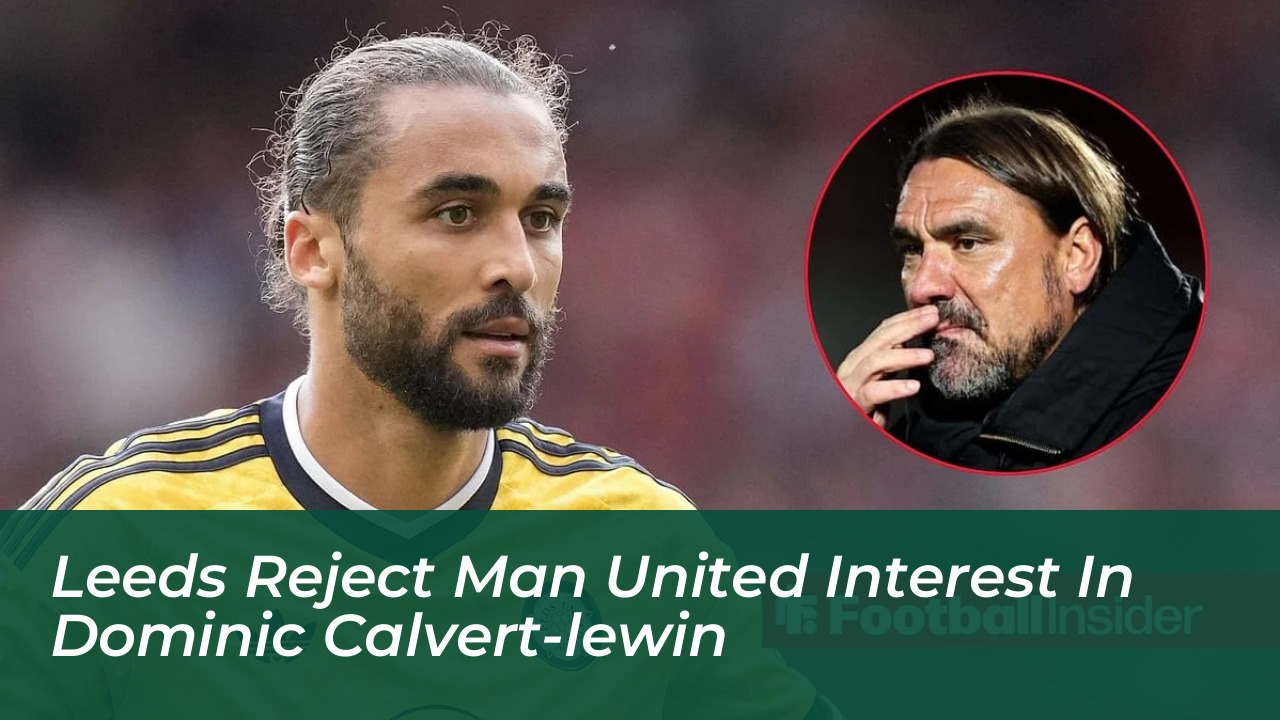
Dominic Calvert-Lewin has experienced a dramatic and rapid career revival at Elland Road, transforming from an injury-hit forward into one of the most lethal finishers in the Premier League. Recent media speculation attempted to link the English striker with a high-profile move to Manchester United, but the Leeds United hierarchy swiftly dismissed those rumors. The club holds a firm stance regarding their star player, shutting down any talk of an exit as they look to secure his long-term future in West Yorkshire.
- The Origins of Old Trafford Transfer Rumors
- Michael Owen Comments and Squad Depth Pressures
- Fact-Checking the Links with Industry Insiders
- Calvert-Lewin Resurgence and Impact at Elland Road
- Impressive Statistics and Debut Campaign Success
- Managerial Praise and Tactical Fit Under Daniel Farke
- Contract Extension Plans and Financial Strength at Leeds
- Current Deal and Long-Term Security
- Holding All the Cards in Future Negotiations
- Strategic Evaluation for Rival Clubs Pursuing Forwards
- Age Profile and Long-Term Recruitment Strategies
- Player Happiness and Total Control at Elland Road
- Frequently Asked Questions
- Is Dominic Calvert-Lewin moving to Manchester United?
- When does Dominic Calvert-Lewin’s contract with Leeds expire?
- How many goals has Calvert-Lewin scored this season?
- Why did transfer rumors link him to Old Trafford?
- What makes Daniel Farke’s system work so well for him?
Transfer windows always generate wild speculation, but the recent whispers connecting Calvert-Lewin to Old Trafford gained zero traction inside Elland Road. Leeds United view the 29-year-old forward as an indispensable member of Daniel Farke’s squad. Rather than entertaining offers, the West Yorkshire club are actively preparing to open discussions regarding a lucrative contract extension that reflects his immense value to the team.
The swift rejection of these rumors highlights the ambition pulsing through Leeds United right now. Far from being a selling club vulnerable to the financial pull of traditional giants, the board intends to protect their assets. Calvert-Lewin feels settled, valued, and central to the tactical blueprint established by Farke, making any prospective transfer completely unrealistic for interested rival clubs.
The Origins of Old Trafford Transfer Rumors
Speculation linking elite players to Manchester United often starts from isolated pundit commentary rather than actual club interest. Old Trafford chiefs face ongoing scrutiny over their squad construction, which creates a vacuum easily filled by media outlets searching for sensational headlines. The links to Calvert-Lewin emerged precisely from this kind of external media pressure.
Media pundits often throw names into television debates without checking the reality of player contracts or club stances. This creates an echo chamber across social media platforms that tricks fans into believing a transfer is genuinely happening.
Michael Owen Comments and Squad Depth Pressures
- Former Manchester United forward Michael Owen publicly suggested that his old club should target the in-form Leeds striker to solve ongoing attacking vulnerabilities.
- Manchester United invested heavily in Benjamin Sesko, but inconsistent performances and a distinct lack of experienced cover behind the Slovenian international exposed major flaws in their squad depth.
- Injuries across the front line forced the coaching staff to scramble for short-term solutions during demanding fixture periods.
- Pundits frequently point toward proven domestic goalscorers when traditional powerhouse teams struggle to break down low blocks.
Fact-Checking the Links with Industry Insiders
- Industry insiders quickly downplayed the substance of these reports, with former Manchester United chief scout Mick Brown confirming a total lack of formal interest from the club.
- Analysts noted the ironic timing of the rumors, pointing out that top clubs ignored Calvert-Lewin during his difficult, injury-plagued final seasons at Everton compared to his current resurgence.
- Recruitment staff at Old Trafford maintain a strict focus on younger profiles rather than veterans approaching their thirties.
- Club sources confirmed that no official inquiries or phone calls reached the Leeds boardroom regarding the forward.
Calvert-Lewin Resurgence and Impact at Elland Road
The transformation of Calvert-Lewin since joining Leeds United remains one of the standout stories of recent English football. Arriving on a free transfer, he quickly erased doubts about his fitness and form. Under the precise tactical guidance of Daniel Farke, the forward rediscovered the lethal instincts that once made him one of the most feared aerial threats in the country.
Physical conditioning played a massive role in this successful chapter of his career. Dedicated medical staff designed a bespoke training routine that keeps him sharp for every matchday.
Impressive Statistics and Debut Campaign Success
- His arrival on a free transfer from Everton proved to be an astute piece of business, culminating in a stellar debut campaign where he netted 15 important goals.
- He carried that momentum into the current season, delivering a blistering start with three goals in his opening five Premier League matches to propel Leeds into the top five.
- Conversion rates inside the penalty box place him among the most clinical strikers in the entire division.
- Defenders struggle to cope with his physical presence during set-piece situations and crosses from wide areas.
Managerial Praise and Tactical Fit Under Daniel Farke
- Daniel Farke utilizes his exceptional aerial dominance, elite physical conditioning, and clever penalty-box movement to spearhead the Leeds attacking system.
- Consistent first-team minutes and peak physical form earned the striker a well-deserved recall to the England national team setup under Thomas Tuchel.
- Tactical flexibility allows him to drop deep and link play or spin off the shoulder of the last defender effectively.
- Managerial trust gives the player the mental freedom needed to execute difficult chances with absolute confidence.
Contract Extension Plans and Financial Strength at Leeds
Financial stability empowers clubs to dictate terms to richer rivals, and Leeds United currently operate from a position of absolute strength. The board rewards performance proactively, meaning the striker’s current deal does not induce panic. Instead of fielding calls from suitors, club executives plan to upgrade his terms to reflect his status as an elite Premier League performer.
Modern football economics require clubs to protect their prize assets well before their agreements enter the final twenty-four months. Leeds management understands this protocol completely.
Current Deal and Long-Term Security
- His current contract at Elland Road runs securely until the summer of 2028, leaving Leeds in complete control of his medium-term future.
- Informal talks are already on the horizon to reward his outstanding goalscoring form and adjust his wages to match his elevated status in the squad.
- Long-term planning ensures that transfer value remains exceptionally high should any situation change down the line.
- The player appreciates the security and faith shown by the hierarchy during his initial transition period.
Holding All the Cards in Future Negotiations
- Leeds face zero financial pressure to cash in on their main talisman, completely eliminating any possibility of a cut-price January or summer sale.
- Any rival club wishing to test the resolve of the Elland Road board must prepare a massive financial package that far exceeds normal market evaluations.
- Board members hold all leverage in any potential discussions regarding player retention.
- Commercial revenue growth allows the club to match wage expectations locally without selling top performers.
Strategic Evaluation for Rival Clubs Pursuing Forwards
Clubs searching for proven Premier League experience often evaluate the financial and tactical viability of making a bid. Pursuing a player of Calvert-Lewin’s profile comes with specific hurdles that tend to deter cautious recruitment departments.
Data analytics departments across Europe weigh age curves heavily against short-term squad needs when presenting targets to sporting directors.
Age Profile and Long-Term Recruitment Strategies
- Turning 30 next year places the forward outside the preferred age bracket for elite clubs focusing heavily on younger, high-resell-value prospects.
- Sporting directors prefer investing heavy capital into players who offer significant future profit margins upon resale.
- Squad building philosophies at top-tier clubs lean heavily toward developing teenagers and players in their early twenties.
- Veteran additions remain rare unless they arrive to fill an immediate, short-term leadership void.
Player Happiness and Total Control at Elland Road
- The player enjoys regular starts, adoration from the supporters, and a central role under Farke, removing any personal desire to force an exit.
- Family stability in Yorkshire provides a calm environment away from the intense glare of tabloids in larger cities.
- Understanding the tactical system allows him to perform at peak capacity every single weekend.
- Mutual respect between the dressing room and coaching staff creates an unbreakable bond.
Frequently Asked Questions
Is Dominic Calvert-Lewin moving to Manchester United?
Leeds United have completely dismissed the possibility of selling Calvert-Lewin during upcoming transfer windows, and Manchester United sources indicate he is not on their recruitment shortlist.
When does Dominic Calvert-Lewin’s contract with Leeds expire?
His current contract at Elland Road runs until the summer of 2028, with Leeds actively planning to hold talks regarding an extension to reward his form.
How many goals has Calvert-Lewin scored this season?
The forward started the campaign with three Premier League goals in five matches, following a productive 15-goal haul in his debut season.
Why did transfer rumors link him to Old Trafford?
Pundit suggestions and Manchester United struggles with attacking depth behind Benjamin Sesko sparked speculation, though no formal bids or club-level talks ever took place.
What makes Daniel Farke’s system work so well for him?
The manager builds attacking patterns around his aerial ability, physical strength, and intelligent runs into the penalty area.