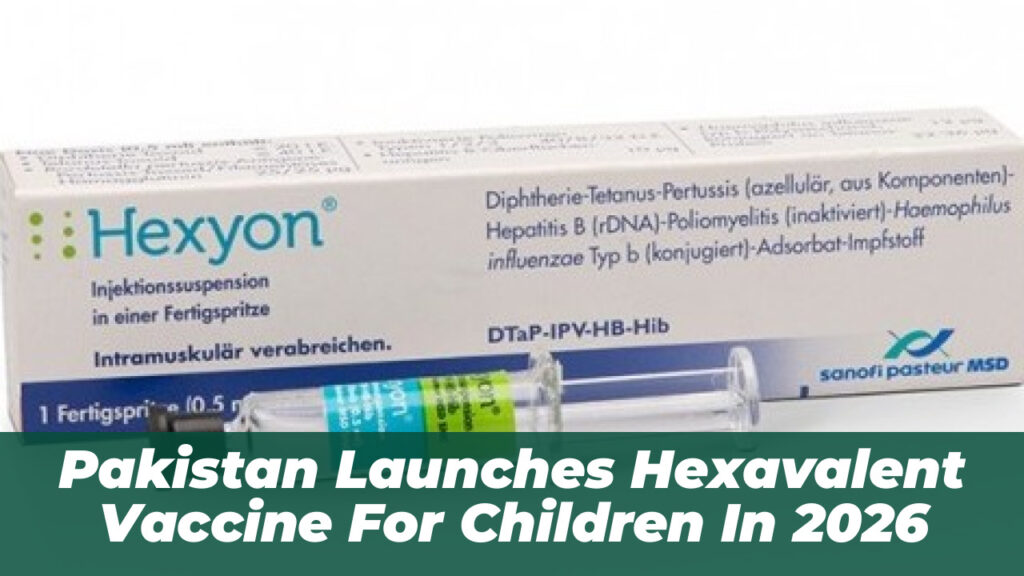
In a major advancement for public health, Pakistan has officially integrated the hexavalent vaccine into its national routine immunization program. This strategic move, finalized in 2026, represents a shift toward more efficient, child-friendly, and comprehensive disease protection. By consolidating six life-saving vaccines into a single injection, the government aims to reduce the burden of multiple pricks on infants, thereby increasing parental compliance and strengthening the nation’s defense against preventable childhood illnesses.
Understanding the Hexavalent Vaccine: What Has Changed?
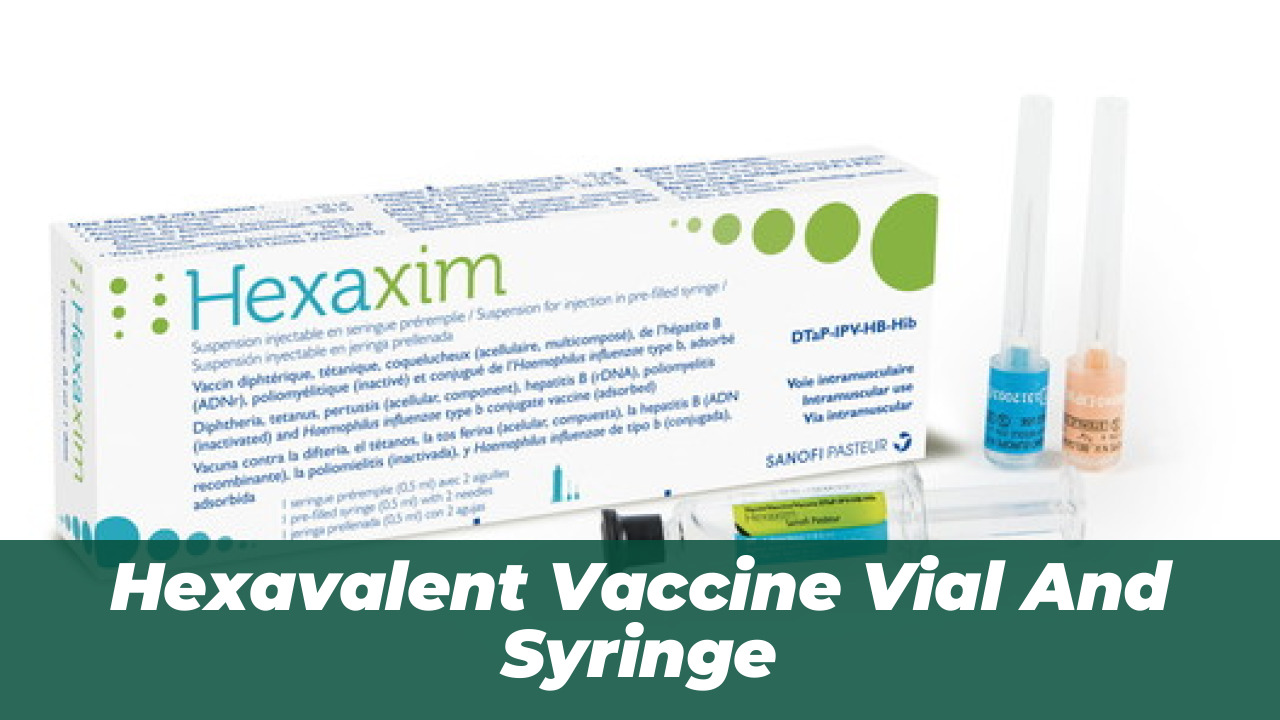
The hexavalent vaccine is a consolidated, “six-in-one” immunization tool that replaces the previously used pentavalent vaccine. While the pentavalent vaccine covered Diphtheria, Tetanus, Pertussis (whooping cough), Hepatitis B, and Haemophilus influenzae type b (Hib), the new hexavalent formulation adds the Inactivated Polio Vaccine (IPV).
This integration is a landmark decision by the Federal Ministry of Health, endorsed by the National Immunization Technical Advisory Group, to streamline the protection of children against six major infectious diseases in a single visit. It marks a departure from fragmented vaccination schedules, moving toward a cohesive model that simplifies the experience for both parents and frontline health workers.
The Core Benefits of the “Six-in-One” Approach
For parents and healthcare workers, the primary advantage is the reduction of injection-related stress. By combining the IPV with the traditional pentavalent components, the number of injections a child receives during a single clinic visit is significantly reduced.
- Reduced Discomfort: Fewer needles mean less pain and anxiety for infants, making the vaccination experience much calmer.
- Improved Compliance: Simplified schedules make it easier for parents to track and complete the full course of vaccinations.
- Logistical Efficiency: Less cold-chain storage space is required, and inventory management for immunization centers becomes more streamlined, ensuring that vaccines are readily available even in high-traffic clinics.
Revised Immunization Schedule for Pakistani Infants (2026)
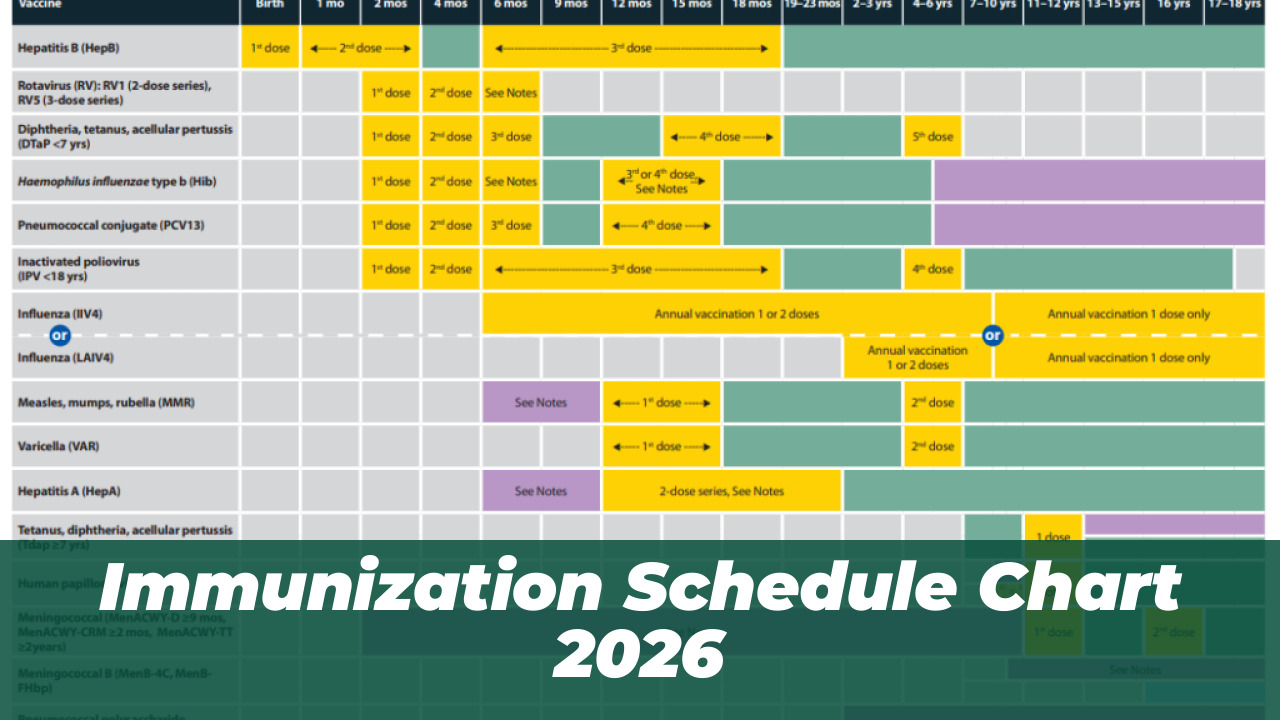
Following the 2026 guidelines, the National Immunization Program has adopted a streamlined schedule to ensure maximum efficacy. Infants will be administered the hexavalent vaccine at the following critical developmental milestones:
- First Dose: 6 weeks of age
- Second Dose: 10 weeks of age
- Third Dose: 14 weeks of age
Note: This schedule ensures that children receive robust protection before they reach their most vulnerable developmental stages.
Why the Shift Matters: Efficiency and Parental Trust
The move toward hexavalent vaccines is not merely a technical upgrade; it is a strategic priority for national health security. Minister of Health Syed Mustafa Kamal has emphasized that reducing the number of injections helps build long-term trust within communities. When immunization visits are less traumatic, parental participation rates typically rise, leading to higher coverage levels across the country.
As the country navigates its economic future and next moves, prioritizing the health of the next generation through such technological advancements remains a cornerstone of sustainable development. This transition aligns Pakistan with global standards, ensuring that our children receive the same high-quality protection as children in more developed healthcare systems.
Global Collaboration: The Role of Gavi, WHO, and UNICEF
The successful rollout of the hexavalent vaccine in 2026 is the result of 14 months of intensive coordination between the Government of Pakistan and international partners. Gavi, the Vaccine Alliance, has been instrumental in providing the financial and logistical framework required for this switch. With the support of the World Health Organization (WHO), UNICEF, and the Gates Foundation, Pakistan has secured a stable supply chain, ensuring that these vaccines are available even in the most remote areas of the country.

Frequently Asked Questions (FAQs) Regarding the New Vaccine
Q1: Is the hexavalent vaccine safe for my child?
Yes. The hexavalent vaccine has undergone rigorous clinical testing and is endorsed by both the WHO and the National Immunization Technical Advisory Group for its safety and effectiveness.
Q2: Does this replace the polio drops (bOPV)?
The hexavalent vaccine contains the Inactivated Polio Vaccine (IPV). However, it does not replace the bivalent oral polio vaccine (bOPV). Parents must continue to follow the advice of health workers regarding the administration of oral polio drops as per the national polio eradication strategy.
Q3: Is there any cost for this vaccine at government centers?
No. As part of the government’s commitment to public health, this vaccine is provided free of charge at all public sector immunization centers across Pakistan.
Q4: What if my child missed a dose?
If a child misses a scheduled dose, parents should visit the nearest Basic Health Unit (BHU) or immunization center immediately to consult with a healthcare provider and get back on the recommended 6/10/14-week schedule.
Vaccine Specifications Summary
| Feature | Details |
|---|---|
| Vaccine Type | Hexavalent (6-in-1) |
| Diseases Covered | Diphtheria, Tetanus, Pertussis, Hep-B, Hib, IPV |
| Dosing Schedule | 6, 10, and 14 weeks |
| Administration | Intramuscular Injection |
| Availability | Free at Government EPI Centers |
Pros and Cons
Pros:
- Significant reduction in injection pain for infants.
- Higher parental compliance due to fewer clinic visits.
- Streamlined logistics and reduced cold-chain burden.
Cons:
- Requires trained staff to manage the new formulation.
- Initial transition period may cause minor confusion for some parents.