Global dietary habits face intense scrutiny following a landmark multi-continent study linking daily ultra-processed foods to higher disease risk across diverse populations. Researchers tracked health outcomes for years to understand how industrially altered ingredients impact human physiology on a massive scale.
- Understanding the Global Ultra-Processed Food Study
- Defining Ultra-Processed Foods and Everyday Portions
- Quantifying the Health Risks of Daily UPF Consumption
- Cardiovascular and Metabolic Consequences
- Comprehensive Health Risk Breakdown
- Neurological and Gastrointestinal Impacts
- Biological Mechanisms: Why Industrial Foods Harm the Body
- The Cocktail Effect of Food Additives
- Gut Microbiome Disruption and Leaky Gut
- Processing Contaminants and Cellular Damage
- Content Gaps: What Major Reports Miss
- Liquid Versus Solid Ultra-Processed Items
- Socioeconomic and Access Factors
- Unique Angles and Practical Dietary Shifts
- The Additive Strategy for Craving Control
- Simple Pantry Swaps for Everyday Meals
- Frequently Asked Questions
- Does organic labeling make ultra-processed food safer?
- Can I reverse the damage caused by these foods?
Understanding the Global Ultra-Processed Food Study
Global dietary habits face intense scrutiny following a landmark multi-continent study published in Family Medicine and Community Health on September 22, 2026. Researchers analyzed health data from nearly 8.8 million adults across North America, South America, Europe, Asia, and Oceania. The investigation spanned follow-up periods of two to 32 years to track how industrially altered ingredients impact long-term human physiology.
Led by Xiao Liu, a cardiologist at Sun Yat-sen Memorial Hospital and a research fellow at Duke-NUS Medical School, the research team focused heavily on ultra-processed foods. These ready-to-eat or heat-and-serve products undergo heavy industrial manipulation. They typically feature formulations containing artificial additives, added sugars, refined sodium, and unhealthy fats while stripping away essential dietary fiber, vitamins, and minerals.
Defining Ultra-Processed Foods and Everyday Portions
Quantifying these items provides clear perspective for everyday consumers navigating supermarket aisles. One hundred grams roughly equals a single-serve cup of mini cookies, a small bag of corn chips, or a standard packaged candy bar. Consuming just one extra serving of this size each day triggers measurable, cumulative physiological damage across multiple organ systems.
Many shoppers underestimate how frequently these items appear in standard meal plans. Breakfast cereals, flavored yogurts, packaged breads, and ready-made frozen meals all fall into this classification. Recognizing these everyday portions helps consumers identify hidden sources of industrial ingredients in their kitchens.
The prevalence of these items in modern pantries suggests a widespread reliance on convenience. By auditing daily intake, individuals can identify specific categories of processed goods that contribute most significantly to their total caloric load.
Quantifying the Health Risks of Daily UPF Consumption
Cardiovascular and Metabolic Consequences
Statistical breakdowns from the multi-continent analysis reveal precise risk increments tied directly to daily gram consumption. For every additional 100 grams of ultra-processed foods added to a daily diet, chronic disease probabilities climb significantly. Cardiovascular events emerge as a primary casualty. An extra 100 grams daily elevates heart attack and stroke risks by 14 percent, with high intake groups experiencing up to a 24 percent surge in overall cardiovascular complications.
Metabolic stability also deteriorates rapidly under the weight of industrial diets. The study links high ultra-processed food intake to a higher incidence of metabolic syndrome and type 2 diabetes. Cancer risk increases by 4 percent per 100 grams, while all-cause mortality rises by 3 percent.
Comprehensive Health Risk Breakdown
| Health Condition | Risk Increase Per 100g Daily UPF | Risk Increase For High-Intake Groups |
|---|---|---|
| Cardiovascular Events | 14% | 24% |
| Digestive Diseases | Not specified | 31% |
| Depression and Anxiety | Not specified | 27% |
| Obesity and Overweight | Not specified | 23% |
| Metabolic Syndrome / Diabetes | 2% (up to 16% per 10% energy intake) | 24% |
| Cancer | 4% | 12% |
| All-Cause Mortality | 3% | 18% |
Neurological and Gastrointestinal Impacts
Beyond cardiovascular and metabolic markers, the study connects high ultra-processed food consumption to neurological and gastrointestinal disorders. Participants with the highest dietary share of ultra-processed products exhibit a 31 percent higher rate of digestive diseases. Data also shows a 27 percent increase in depression and anxiety diagnoses among heavy consumers.
Obesity rates surge by 23 percent within the highest intake brackets. These numbers demonstrate that industrial formulations affect brain chemistry and mood regulation just as much as physical organ systems, pointing to a systemic disruption of human health.
Biological Mechanisms: Why Industrial Foods Harm the Body
The Cocktail Effect of Food Additives
Medical researchers point to specific biochemical pathways that explain why convenience foods degrade human health. Industrial manufacturing fundamentally alters the physical and chemical matrix of raw agricultural ingredients. Modern packaged snacks and sugary beverages rely heavily on emulsifiers, artificial coloring agents, thickeners, and chemical preservatives.
Emerging scientific evidence suggests that consuming multiple additives simultaneously triggers a cumulative cocktail effect. This chemical burden challenges liver filtration pathways and promotes systemic low-grade inflammation throughout the body.
Gut Microbiome Disruption and Leaky Gut
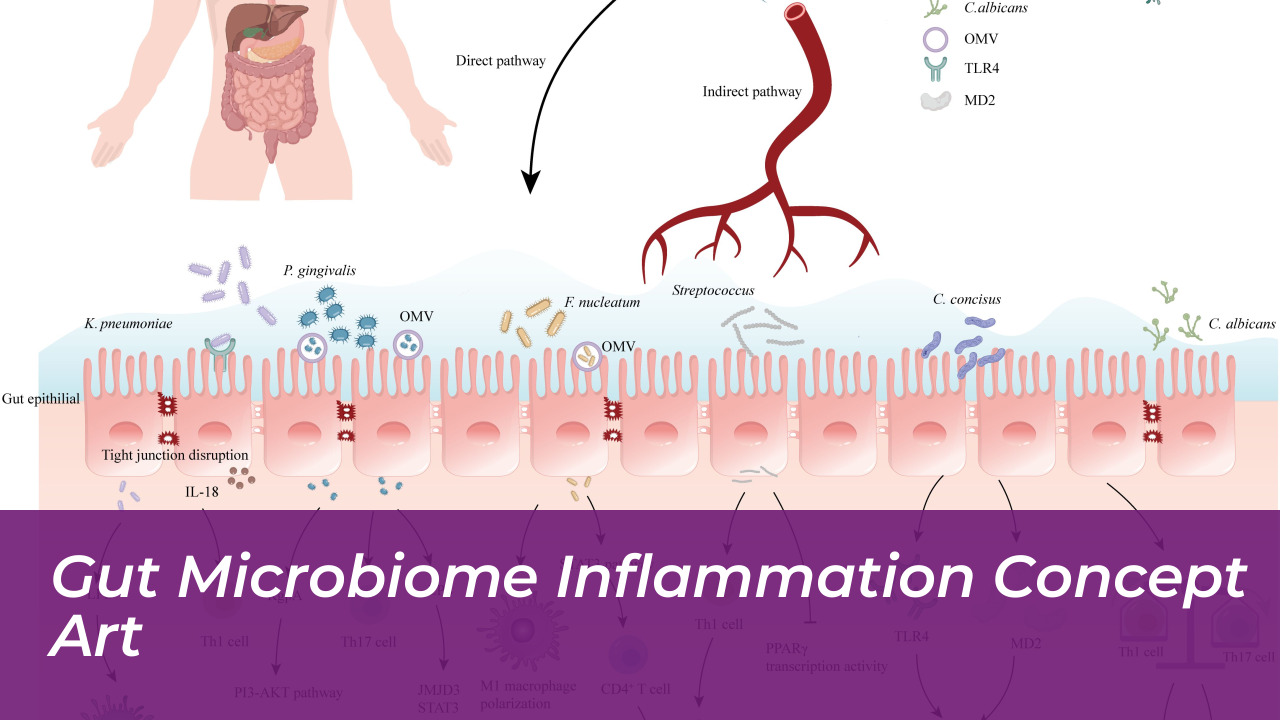
Dietary fiber naturally feeds beneficial gut bacteria, maintaining a robust intestinal barrier. Ultra-processed foods lack this structural fiber. Laboratory analyses demonstrate that altered physical compositions starve beneficial microbiota, encouraging the proliferation of inflammatory bacterial strains.
This microbial imbalance impairs gut permeability, often referred to as leaky gut. When this barrier weakens, endotoxins enter the bloodstream and spark chronic inflammation. This cascade impacts immune response and metabolic efficiency.
Processing Contaminants and Cellular Damage
High-heat industrial manufacturing creates harmful chemical byproducts. Acrylamide forms naturally during intense heat treatment of starchy foods. Meanwhile, acrolein generates when cooking oils undergo repeated high-temperature processing.
Both compounds correlate directly with cellular damage, vascular dysfunction, and accelerated cardiovascular disease progression. Regular exposure to these processing contaminants wears down the body’s natural defense mechanisms.
Content Gaps: What Major Reports Miss
Liquid Versus Solid Ultra-Processed Items
Most mainstream news summaries treat all 100-gram portions equally. However, liquid ultra-processed items like sugary sodas and energy drinks bypass normal satiety cues much faster than solid snacks. Beverages accelerate insulin spikes and hepatic fat accumulation differently than solid counterparts.
Understanding this distinction helps clarify why liquid sugar calories exact a heavier toll on metabolic health than solid snack foods containing similar caloric values.
Socioeconomic and Access Factors
Commercial reports rarely address the economic reality of food deserts. Fresh produce remains scarce and expensive in underserved regions. Cheap ultra-processed items become a survival default for low-income households rather than a mere lifestyle choice.
Addressing the systemic drivers of poor nutrition requires structural changes in food access, not just individual behavior modifications.
Unique Angles and Practical Dietary Shifts
The Additive Strategy for Craving Control
Effective lifestyle changes require realistic modifications rather than restrictive diets. Kelly Springer, a New York-based registered dietitian, emphasizes an additive approach to nutrition rather than a purely restrictive mindset. Completely eliminating favorite comfort foods often backfires psychologically.
Pairing processed snacks with high-fiber and high-protein whole foods slows down gastric emptying. Eating a handful of almonds alongside a piece of fruit blunts glycemic spikes and promotes natural satiety.
Simple Pantry Swaps for Everyday Meals
Transitioning away from industrial formulations is easier with clear, actionable alternatives. Consider these simple pantry swaps:
- Morning Breakfast: Replace sugary boxed cereals containing synthetic dyes with rolled oats topped with fresh berries, chia seeds, and raw honey.
- Afternoon Snacks: Swap packaged corn chips and mini cookies for crisp cucumber slices dipped in homemade hummus or raw walnuts paired with an apple.
- Evening Dinners: Trade processed frozen ready-meals for quick pan-seared chicken breast, canned or dried black beans, and steamed quinoa paired with fresh vegetables.
Frequently Asked Questions
Does organic labeling make ultra-processed food safer?
Organic certification refers only to farming practices, not processing methods. Organic cookies or snacks still undergo industrial manipulation and contain similar amounts of additives as conventional options.
Can I reverse the damage caused by these foods?
The body possesses significant regenerative capacity. Adopting a whole-food diet allows the gut microbiome to recover and reduces systemic inflammation, mitigating many risks over time.
Building a diet around minimally processed whole foods remains one of the most effective long-term investments in human longevity. Recognizing how small daily portions accumulate into systemic disease provides the necessary motivation to reclaim kitchen routines and protect metabolic health.