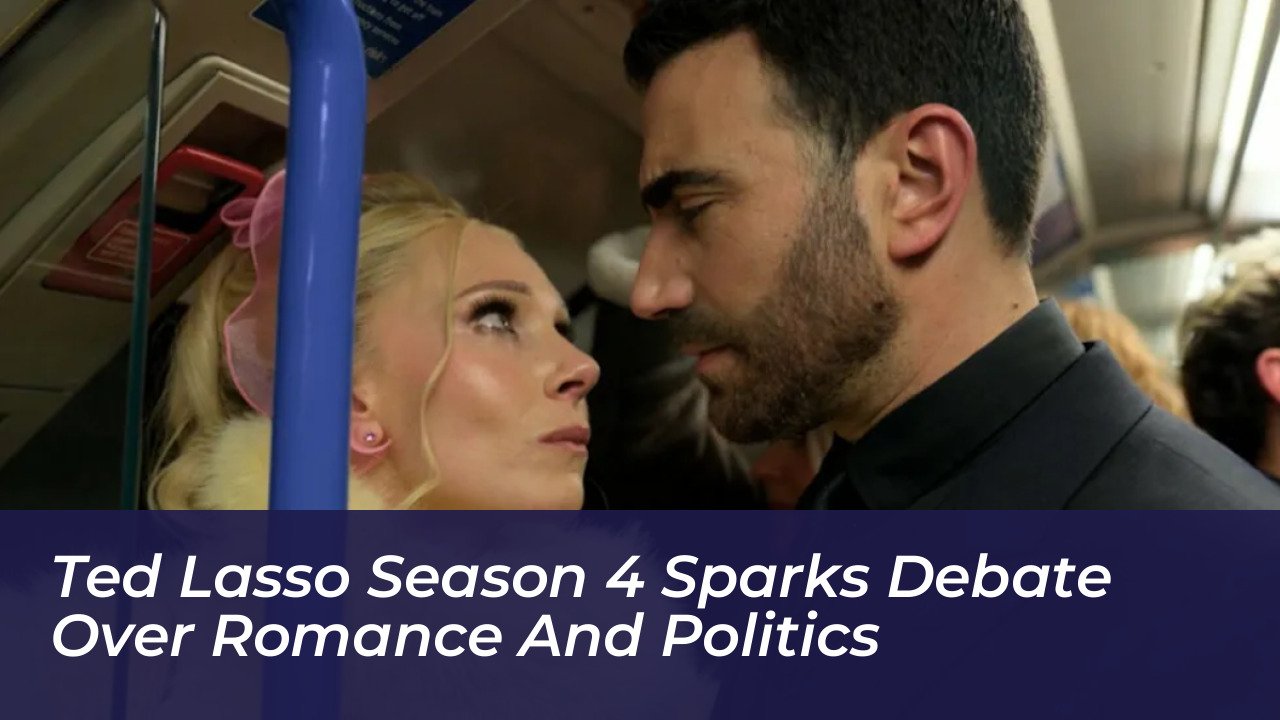
The fourth season of Apple TV’s hit comedy-drama Ted Lasso has returned to screens with substantial narrative shifts, immediate character relocations, and a heavier emphasis on sociopolitical themes. While Jason Sudeikis returns as the optimistic titular coach now leading AFC Richmond Women alongside new assistant coach Alice, the series is generating fierce debate across fandoms. Viewers and critics are heavily divided over recycled relationship obstacles, notably between Roy Kent and Keeley Jones, alongside an increased focus on progressive cultural commentary, corporate buyouts, and institutional sports parity. This fourth installment brings fresh challenges to London and Kansas alike, but the pacing and character regressions have tested audience loyalty. Understanding the core controversies requires a close examination of how the new episodes handle romance, political messaging, and athletic developments for Richmond WFC.
- The Roy Kent and Keeley Jones Romance Dilemma
- Revisiting Established History
- Contrived Separation Tropes
- The Manchester Turning Point in Episode 8
- The Shift Toward Social and Political Commentary
- Stepping Into Women’s Athletics
- Key Sociopolitical Subplots
- Balancing Message and Escapism
- Corporate Mystery and Richmond WFC Front Office Turmoil
- The Covert Buyout Plot
- Rebecca’s Isolation Strategy
- Character Regression Across the Ensemble
- Jamie Tartt
- Alice and Supporting Staff
- Ensemble Consistency
- Fan Reception and Narrative Expectations
- Table of Storyline Expectations Versus Reality
- The Evolution of Long-Running Television
- Frequently Asked Questions
- Why are fans divided over Roy and Keeley in Season 4?
- What sociopolitical themes does Ted Lasso Season 4 explore?
- How does the audience react to Jamie Tartt’s character arc?
- Conclusion
The Roy Kent and Keeley Jones Romance Dilemma
Revisiting Established History
Few relationships in modern television have attracted as much emotional investment as the dynamic between former footballer Roy Kent, played by Brett Goldstein, and PR executive-turned-CFO Keeley Jones, played by Juno Temple. Throughout the first three seasons, their bond evolved through distinct phases of raw vulnerability, humor, and mutual respect. Viewers watched them navigate career changes, personal insecurities, and external pressures with surprising emotional maturity.
Season 4, however, introduces a frustrating narrative roadblock by artificially keeping the couple apart. Rather than letting them tackle mature relationship milestones together, writers lean into contrived separation tropes that feel out of character. This sudden pivot has left many longtime fans questioning the motivation behind stalling a partnership that felt so securely established by the end of season 3.
Contrived Separation Tropes
The most prominent friction point involves Keeley asking Roy to date other people simply to test his commitment. This plot device leads to repetitive subplots where Roy stumbles awkwardly through dates while remaining completely fixated on Keeley. Fans have pointed out that forcing these two mature adults into a traditional will-they-won’t-they box ignores years of established history.
Instead of exploring the complexities of maintaining a healthy, long-term relationship in the public eye, the writers rely on sitcom tropes from decades past. The artificial distance creates unnecessary frustration, as viewers who rooted for their growth are forced to watch them backtrack through avoidable communication breakdowns.
The Manchester Turning Point in Episode 8
In episode 8, titled Follow the Anger, the narrative finally addresses this lingering tension during a chaotic trip to Manchester. Following his recent breakup with Dr. Erin Beaumont, Roy and Keeley share a definitive turning point, ultimately rekindling their romance. The emotional weight of the scene reminds audiences why the pairing worked so well initially.
While this resolution satisfies fans demanding a reunion, critics argue the journey to get here relied on unnecessary dramatic friction. Stalling their reconciliation for half a season stalled both characters’ personal growth, proving that manufactured obstacles often do more harm than good in serialized storytelling.
The Shift Toward Social and Political Commentary
Stepping Into Women’s Athletics
Beyond romance, Season 4 pivots aggressively toward sociopolitical themes. The transition of Ted Lasso and Coach Beard to the women’s athletics sphere opens the door for direct commentary on systemic inequalities within professional sports. Management dynamics change drastically as the team faces external scrutiny, budget constraints, and a general lack of institutional support compared to the men’s division.
This structural change allows the writers to tackle real-world issues facing female athletes and staff. However, the sudden influx of heavy sociopolitical messaging alters the tonal fabric of the show, shifting away from pure character-driven comedy toward issue-based drama.
Key Sociopolitical Subplots
The series dives deep into specific structural inequalities through various supporting characters and plotlines. Funding disparities take center stage as subplots investigate the stark financial differences between men’s and women’s club operations, exposing corporate negligence at every turn. Executive representation highlights administrative pushback against women in leadership roles across sports management. , the show introduces storylines addressing biological timelines and professional stability for female athletes. Key player Gemma Jay suffers a severe knee injury in recent episodes, directly threatening her sports career while she simultaneously weighs a demanding law firm internship, balancing two high-pressure worlds under intense public observation.
Balancing Message and Escapism
While many viewers praise the series for using its platform to spotlight real-world inequities in women’s sports, a vocal segment of the fanbase argues the messaging occasionally overshadows the lighthearted humor. The original run of the show succeeded by offering a comforting antidote to cynicism through radical empathy and unyielding kindness.
When heavy administrative corruption and workplace politics dominate the runtime, the friction between modern realism and the original appetite for wholesome escapism becomes glaringly apparent. Striking the right balance remains a challenge for the writing room as the series tackles heavier institutional themes.
Corporate Mystery and Richmond WFC Front Office Turmoil
The Covert Buyout Plot
Amidst the interpersonal drama and sociopolitical arcs, the operational side of AFC Richmond introduces a high-stakes corporate puzzle. Team official Leslie Higgins uncovers a covert buyout attempt involving undisclosed buyers steadily acquiring Richmond shareholder shares. This shadowy financial plot threatens Rebecca Welton’s ownership control, forcing the front office into defense mode.
The mystery injects a dose of corporate thriller energy into the comedy-drama framework. It forces the administration to look beyond the football pitch and secure their corporate standing against ruthless outside investors who view the club merely as a financial asset rather than a community institution.
Rebecca’s Isolation Strategy
Unfortunately, Rebecca Welton’s character arc has faced criticism for self-sabotaging secrecy. Rather than confiding immediately in her inner circle, specifically Keeley, Rebecca repeatedly holds back vital information. This creates artificial workplace tension that mirrors the romantic hurdles plaguing Roy and Keeley.
After three seasons of learning to trust her friends and let her guard down, watching Rebecca retreat into isolation feels like a narrative step backward. Executive poise should translate to transparent leadership, yet the script chooses drama over open communication.
Character Regression Across the Ensemble
Jamie Tartt
A central criticism of Ted Lasso Season 4 is the noticeable regression of several beloved figures. The series built its reputation on meaningful, lasting character evolution. Season 4 occasionally reverses those gains for the sake of manufactured conflict.
Jamie Tartt, once celebrated for shedding his arrogant persona to become a selfless team player, reverts to an insufferably self-absorbed celebrity during a vodka brand launch party in episode 6. This sudden personality flip undermines years of hard-fought personal development.

Alice and Supporting Staff
New coaching addition Alice struggles with deep insecurities, repeatedly clashing with players before taking superficial steps toward self-improvement that reset by the end of each episode. This repetitive loop prevents the character from establishing a grounded, relatable presence within the locker room.
When characters repeat the exact same behavioral mistakes season after season without genuine growth, audience engagement begins to wane. Viewers expect the ensemble to learn from past mistakes rather than cycle through identical emotional roadblocks.
Ensemble Consistency
Manufactured conflict for the sake of drama undercuts the earned growth of previous years. When every character experiences simultaneous regression, the fictional world loses its internal logic. Maintaining consistency across a large ensemble requires balancing fresh challenges with established wisdom.
Fan Reception and Narrative Expectations
Table of Storyline Expectations Versus Reality
The reception to Ted Lasso Season 4 highlights a broader cultural conversation about how long-running television shows should evolve. The gap between initial expectations and the actual screen delivery is captured in the comparison below.
| Storyline / Theme | Initial Fan Expectation | Season 4 Reality |
|---|---|---|
| Roy and Keeley | Solidified partnership after Season 3 | Forced separation via manufactured dating rules |
| Ted and Rebecca | Deepened professional and personal soulmate bond | Infrequent one-on-one scenes and scattered dialogue |
| Athletic Focus | Continuation of AFC Richmond men’s legacy | Heavy dive into Richmond WFC and systemic sports politics |
| Jamie Tartt | Mature, team-first mentality | Regression into arrogant caricature during guest appearances |
The Evolution of Long-Running Television
Post-pandemic television demands differ vastly from current audience expectations regarding realism and social commentary. The original run captured global audiences by offering pure comfort. Today, viewers look for nuanced reflections of societal challenges.
However, negotiating this shift without alienating the core fanbase proves difficult. Shows that pivot into heavier social commentary often risk losing the lighthearted charm that initially built their devoted following.
Frequently Asked Questions
Why are fans divided over Roy and Keeley in Season 4?
Fans feel frustrated because the writers introduced contrived separation tropes after establishing their mature relationship dynamics in earlier seasons.
What sociopolitical themes does Ted Lasso Season 4 explore?
The new season focuses heavily on women athletics parity, funding disparities, executive representation, and professional stability for female players.
How does the audience react to Jamie Tartt’s character arc?
Many viewers express disappointment seeing Jamie regress into an arrogant celebrity persona after years of genuine personal growth.
Conclusion
With the midseason marker passed, Ted Lasso Season 4 stands at a vital crossroads. The resolution of Roy and Keeley’s romance in Manchester provides a welcome emotional anchor, but the series must resolve its pacing issues and curb character regressions if it wants to recapture its former magic.
Whether the bold leap into sports politics and corporate takeovers ultimately serves the overarching narrative remains to be seen. What is certain is that Ted Lasso continues to provoke intense debate, proving that even a show built on radical kindness cannot escape the complexities of modern television storytelling.