Acting Navy Secretary Hung Cao recently confirmed that eight service members assigned to the USS Abraham Lincoln Carrier Strike Group attempted suicide during an exceptionally long deployment in the Middle East. This disclosure highlights the heavy psychological toll of sustained combat operations, long-term isolation, and deteriorating living conditions at sea. The strike group, comprising approximately 7,500 personnel, completed a grueling 286-day deployment without a single port visit, testing the absolute limits of both human endurance and mechanical infrastructure.
- Congressional Disclosure and Strike Group Overview
- Letter to Senator Kirsten Gillibrand
- Distribution of Personnel Across Units
- Timeline of Emergency Interventions and Overboard Incidents
- Active Combat Interventions
- Search and Rescue Operations
- Mechanical Failures and Environmental Stressors
- Seawater Temperatures and Desalination Failures
- Operational Endurance and Food Service Adjustments
- USS Abraham Lincoln Deployment Operations Summary
- Oversight, Relief, and Return Transit
- Congressional Criticism and Navy Defense
- Handover and Transit to San Diego
- Frequently Asked Questions
- What caused the high rate of suicide attempts on the USS Abraham Lincoln?
- Were there any fatalities resulting from these suicide attempts?
- How does the Navy plan to prevent similar incidents in future deployments?
- Conclusion and Support Resources
Congressional Disclosure and Strike Group Overview
Letter to Senator Kirsten Gillibrand
The official confirmation arrived via a formal response letter addressed to Senator Kirsten Gillibrand. Congressional inquiries increasingly focus on crew welfare, living standards, and mental health resources following reports of operational strain in the Middle East theater. Lawmakers pressed the Department of the Navy for exact figures regarding medical emergencies, equipment breakdowns, and behavioral health interventions during the extended cruise.
The Navy response clarified the scope of the incidents while defending the overall readiness and response protocols of the command structure. Oversight committees continue to examine whether current deployment lengths exceed acceptable thresholds for physical and psychological well-being among enlisted personnel and officers alike.
Distribution of Personnel Across Units
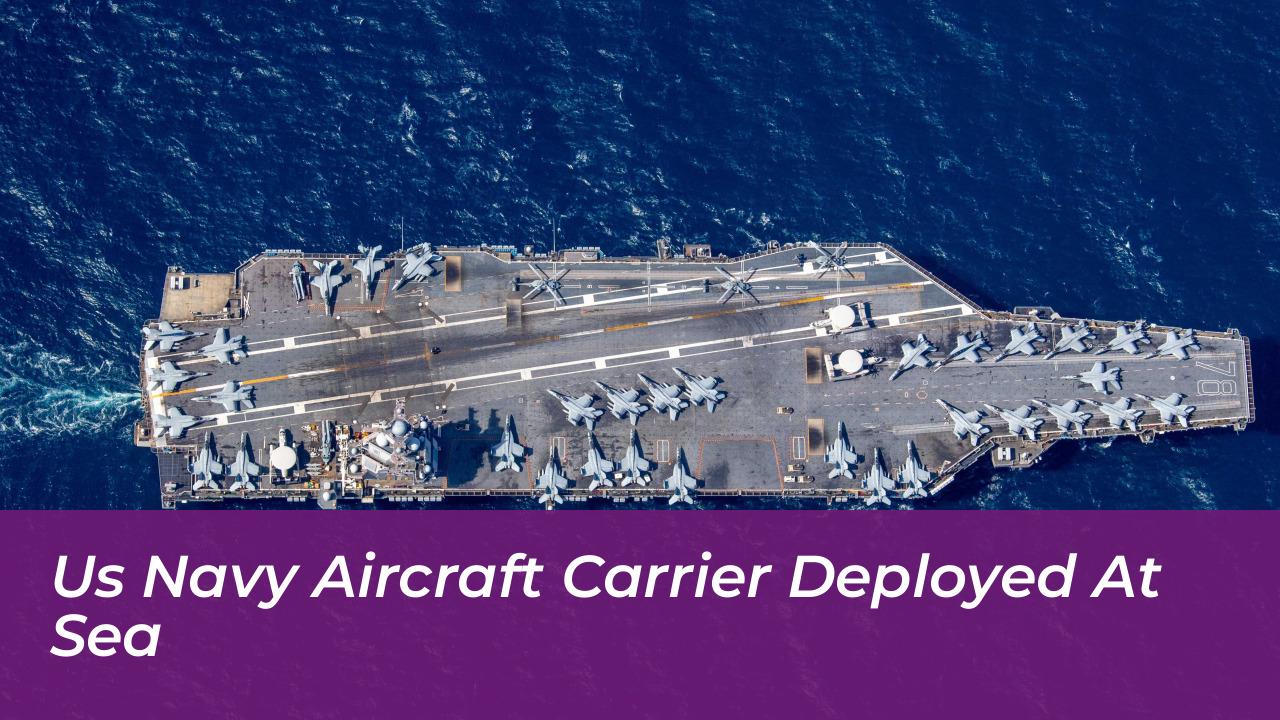
The 7,500 service members who participated in the deployment were distributed across multiple distinct operational units within the strike group. This population encompassed the primary aircraft carrier crew, the squadrons of the Carrier Air Wing, the Destroyer Squadron staff, and various escorting guided-missile destroyers operating in close coordination.
Despite the immense pressure of operating in hostile waters, Navy leadership confirmed that zero suicide fatalities occurred during the entire 286-day deployment. Rapid intervention by peers, medical teams, and specialized crisis response personnel successfully prevented loss of life during all eight reported attempts.
Timeline of Emergency Interventions and Overboard Incidents
Active Combat Interventions
Operating in active combat zones introduces acute psychological trauma that compounds the background stress of long deployments. Two of the eight suicide attempts occurred directly during active combat engagements in the Middle East, requiring immediate tactical and medical responses from nearby shipmates.
In March 2026, quick-thinking crew members aboard the carrier intervened directly to stop a sailor who attempted to jump overboard. Prompt physical action by shipmates neutralized the immediate danger and brought the individual back to safe compartments before security forces arrived.
Search and Rescue Operations
The operational dangers escalated further in August 2026 when a second sailor went overboard into open waters during active operations. This incident triggered a complex search and rescue protocol across the strike group.
A rescue helicopter launched immediately, executing a precision extraction from the ocean. Medical teams stabilized the sailor on board the carrier before arranging an emergency off-ship medical evacuation to an ashore facility for specialized psychiatric care.
Mechanical Failures and Environmental Stressors
Seawater Temperatures and Desalination Failures
Environmental conditions in the Middle East severely impacted the physical infrastructure of the USS Abraham Lincoln. High ambient seawater temperatures in the region degraded the performance of the ship reverse osmosis desalination units, which are responsible for converting ocean water into potable water.
The reduced output from these systems caused localized piping failures and temporary water rationing across multiple ship compartments. Impaired sanitation facilities, restricted shower schedules, and broken heads created persistent discomfort that eroded crew morale over the final months of the deployment.
Operational Endurance and Food Service Adjustments
Sustaining a massive carrier strike group far from home ports requires complex supply chains that faced continuous disruption in active combat zones. Resupply vessels experienced extended transit times, forcing the ship command to implement conservative conservation measures.
To preserve essential food stores and extend operational endurance, mess decks temporarily reduced main entree options from two choices down to one. Navy officials emphasized that despite the menu consolidation, the galley continued to serve four nutritionally balanced meals daily to maintain the physical strength of active-duty personnel.
USS Abraham Lincoln Deployment Operations Summary
| Metric / Event | Operational Detail |
|---|---|
| Deployment Start Date | November 21, 2025 |
| Consecutive Days at Sea | 286 Days |
| Strike Group Population | Approximately 7,500 Personnel |
| Confirmed Suicide Attempts | 8 Incidents (0 Fatalities) |
| Primary Operational Area | Middle East / Strait of Hormuz |
| Relief Vessel | USS George Washington |
| First Port Call Post-Deployment | Thailand (September 1, 2026) |
Oversight, Relief, and Return Transit
Congressional Criticism and Navy Defense
Reports of failing infrastructure and exhausted sailors drew sharp criticism from congressional leaders. Senator Kirsten Gillibrand publicly challenged initial military statements that downplayed supply shortages and mechanical breakdowns on board the carrier.
Department of the Navy representatives defended their management by highlighting the constant availability of embedded mental health specialists, shipboard chaplains, and medical officers. Leadership asserted that despite extraordinary operational demands, support networks remained accessible to every sailor seeking assistance.
Handover and Transit to San Diego
Relief finally arrived in late August 2026 when the USS George Washington relieved the strike group in the Middle East operational theater. This handover allowed the USS Abraham Lincoln to depart the region and begin its long transit home to San Diego.
The vessel made its first port call in Thailand on September 1, 2026, ending an unprecedented stretch of over nine months without stepping ashore. A subsequent logistics stop in Guam later in September supported the final leg of the trans-Pacific journey.
Frequently Asked Questions
What caused the high rate of suicide attempts on the USS Abraham Lincoln?
The prolonged 286-day deployment without port visits created severe isolation and exhaustion among the crew. Environmental stressors and active combat conditions further strained mental health resources.
Were there any fatalities resulting from these suicide attempts?
Military officials confirmed zero fatalities during the deployment due to rapid intervention by peers and medical staff.
How does the Navy plan to prevent similar incidents in future deployments?
Command leadership is reviewing deployment duration caps and expanding onboard mental health support teams.
Conclusion and Support Resources
The deployment of the USS Abraham Lincoln underscores the profound human cost of prolonged high-tempo naval operations. Continuous institutional reform, reliable shipboard infrastructure, and proactive mental health interventions remain essential for protecting service members operating in high-stress environments.
Military personnel and their families needing confidential support can reach out immediately. The Military Crisis Line is available 24/7 by dialing 988 and pressing 1, or by texting 838255 for immediate assistance from trained professionals.