The American Dream was once defined by the picket fence, the steady pension, and the promise that hard work guaranteed upward mobility. In 2026, that narrative feels less like a goal and more like a relic of a bygone era. We aren’t looking at news reports; we are looking at the lived experience of millions who find themselves working harder while the baseline for survival continues to move out of reach.
When the math of basic living rent, food, and healthcare no longer aligns with the average paycheck, it isn’t just an economic hiccup; it’s a systemic design flaw. Below are 70 observations that reflect the current state of the nation, grounded in the reality of 2026.
The Economic Precarity of 2026
- The $7.25 Federal Minimum Wage Stagnation: Despite record inflation, the federal floor remains unchanged since 2009. This creates a permanent class of working poor who cannot afford basic shelter on a 40-hour week.
- The Subscription-Based Life: From heated seats in cars to software for basic appliances, ownership is being replaced by perpetual rent. It ensures that the consumer never truly owns the assets they use.
- Healthcare Deductibles Exceeding Rent: Many families face medical deductibles that are higher than their monthly housing costs. One health emergency effectively resets a household’s financial progress to zero.
- Corporate Welfare Dependence: Major retailers continue to rely on taxpayer-funded social safety nets to support their employees. This effectively means the public subsidizes the payroll of the most profitable corporations.
- The 2026 Housing Affordability Index: With mortgage rates and home prices hitting historic highs, homeownership has become a luxury for the ultra-wealthy. The dream of a house is now a statistical impossibility for the median income earner.
- The Invisible Homelessness: Millions of veterans and seniors are living in vehicles or temporary motels. This hidden homelessness is often ignored in favor of polished city center aesthetics.
- Education Debt as a Lifetime Anchor: Student loans are no longer a bridge to a career but a permanent tax on the young. The interest accumulation often outpaces the ability of graduates to pay down the principal.
- The Disappearance of the Third Place: Public spaces like libraries and parks are being privatized or gated. There is almost nowhere left to sit or exist in a community without the expectation of spending money.
- The Illusion of Grocery Choice: A handful of massive conglomerates own nearly every brand on the shelf. This consolidation keeps prices artificially high while reducing quality.
- The Polarization Stress Index: Political and social tension remains at an all-time high in 2026. This creates a baseline of chronic stress that degrades physical health across the population.
- The Gig Economy Trap: Platforms promise freedom but deliver instability without benefits. Workers are essentially contractors who bear all the risks of the business without any of the equity.
- The Death of the 40-Hour Week: Many Americans now work 50 to 60 hours across multiple jobs to reach the same purchasing power their parents had at 40. The “hustle” is now a survival requirement.
- Food Deserts in Urban Centers: Low-income neighborhoods often lack access to fresh produce. Residents are forced to rely on processed foods from convenience stores, leading to long-term health crises.
- The Surveillance Capitalism Model: Every movement, purchase, and digital interaction is tracked and sold. Privacy is now a luxury product that only the wealthy can afford to secure.
- The Crumbling Infrastructure: Bridges, roads, and water systems are reaching the end of their design life. The cost of neglect is being passed down to taxpayers through emergency repairs rather than proactive maintenance.
- The Digital Divide: High-speed internet is essential for work and education, yet rural areas remain disconnected. This creates a two-tier society where opportunity depends on your zip code.
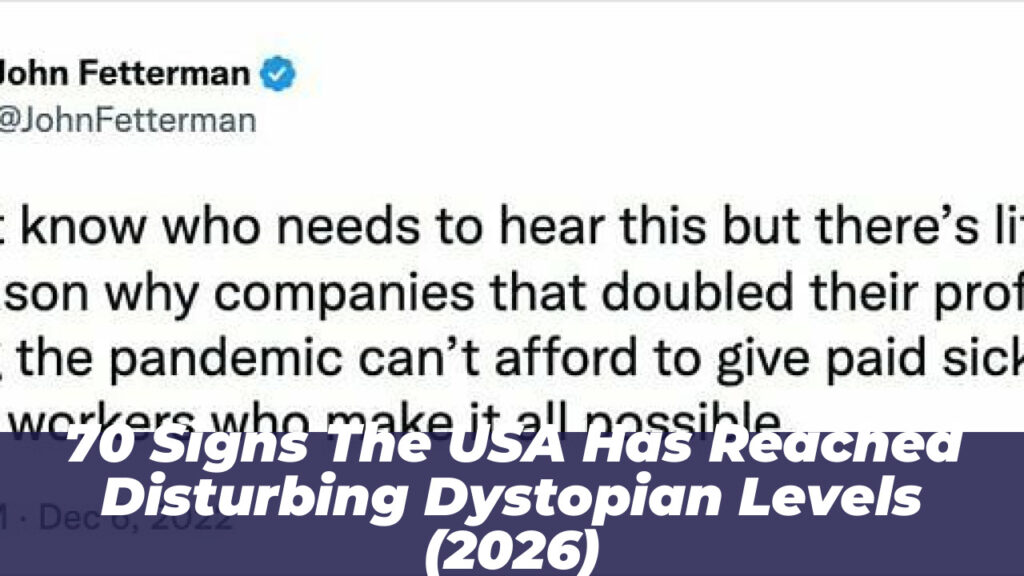
- The Erosion of Paid Sick Leave: Millions of Americans still lack federally mandated sick days. This forces people to choose between their health and their ability to pay rent.
- The Aging Infrastructure Crisis: As the population ages, the lack of affordable long-term care becomes a national emergency. Families are being bankrupted by the cost of basic elderly support.
- The Decline of Public Transit: With limited investment, public transport is often unreliable or non-existent. While some nations have invested in modern sustainable transit, US infrastructure forces people into car ownership, which remains a massive financial burden.
- The Inflation-Adjusted Purchasing Power: Even with wage increases in some sectors, the cost of essentials has risen faster. The average American is effectively poorer in 2026 than they were a decade ago.
- The Loss of Local News: The closure of local newspapers has left communities without oversight. Corruption often goes unchecked when there is no local reporting.
- The Algorithmic Echo Chamber: Social media algorithms prioritize rage over nuance. This has fundamentally fractured the ability of the country to agree on basic facts.
- The Privatization of Prisons: Incarceration has become a profit-driven industry. This creates a perverse incentive to keep recidivism rates high rather than focusing on rehabilitation.
- The Disappearing Middle Class: The gap between the ultra-wealthy and everyone else is widening. The structures that allowed for social mobility are being systematically dismantled.
- The Calibration of the Dream: The dream of the 1950s cannot be replicated in 2026. We must define a new, realistic path that prioritizes human well-being over corporate quarterly growth.
- The Rise of AI-Driven Job Displacement: Automation is no longer just for manufacturing; white-collar roles are being replaced at an unprecedented rate, leaving workers with few transition paths.
- The Decline of Apprenticeships: The focus on four-year degrees has hollowed out the skilled trades, leading to a shortage of labor for essential infrastructure repairs.
- The Cost of Childcare: For many, the cost of childcare now exceeds the average mortgage payment, forcing one parent to exit the workforce entirely.
- The Corporate Landlord Monopoly: Large investment firms are buying up single-family homes, turning potential homeowners into permanent renters.
- The Decline of Civic Engagement: As trust in institutions hits record lows, voter apathy has become a symptom of a disengaged and exhausted electorate.
- The Erosion of Intellectual Property Rights: Small creators are being squeezed by AI models that scrape their work without compensation or attribution.
- The Mental Health Crisis: Access to affordable therapy is limited, leaving a large portion of the population to navigate burnout and anxiety without professional support.
- The Over-Medication of Society: Rather than addressing the root causes of environmental and economic stress, the system often relies on pharmaceutical stop-gaps.
- The Decline of Public School Quality: Funding disparities based on property taxes ensure that quality education remains a privilege for the wealthy.
- The Gigification of Professional Services: Even specialized roles like legal or accounting work are being platform-based, eroding benefits and job security.
- The Rise of “Dark Stores”: Neighborhood retail is being replaced by fulfillment centers, killing the local economy and traditional small business storefronts.
- The Shrinking Food Quality: Shrinkflation and the use of ultra-processed ingredients have made healthy eating a luxury that most cannot afford.
- The Militarization of Police: Local law enforcement is increasingly equipped with surplus military gear, changing the relationship between the state and the citizen.
- The Declining Life Expectancy: For the first time in generations, life expectancy in the US has stagnated or declined, a clear indicator of systemic health failures.
- The Lack of Retirement Security: With the decline of pensions and the volatility of 401(k)s, most Americans face a retirement cliff.
- The Rise of Predatory Lending: Payday loans and “buy now, pay later” schemes have become the primary financial lifeline for millions.
- The Environmental Cost of Convenience: The push for instant delivery is creating a massive waste crisis that local municipalities are struggling to manage.
- The Erosion of Privacy in Healthcare: Sensitive patient data is increasingly being sold to third-party brokers, compromising individual medical privacy.
- The Decline of Volunteerism: As people work longer hours to survive, the time once dedicated to community service has evaporated.
- The Fragility of the Supply Chain: Over-reliance on global manufacturing has left the nation vulnerable to disruptions, leading to periodic shortages of essential goods.
- The Rise of “Doomscrolling”: The design of digital platforms is intentionally addictive, contributing to a widespread sense of hopelessness and anxiety.
- The Cost of Higher Education: The return on investment for a degree is shrinking, yet the cost continues to climb, creating a debt trap.
- The Decline of Public Libraries: Often the last free space in a community, libraries are facing budget cuts that limit their ability to serve the public.
- The Rise of Loneliness: Despite being digitally connected, the lack of physical community spaces has led to an epidemic of social isolation.
- The Inequality of Justice: The legal system often favors those with the resources to pay for premium defense, leaving the poor at a disadvantage.
- The Lack of Disaster Preparedness: As climate events become more frequent, the lack of robust infrastructure makes recovery harder for vulnerable populations.
- The Erosion of Truth: The proliferation of deepfakes and misinformation has made it difficult to discern reality, further fracturing the social contract.
- The Corporate Lobbying Power: Legislative outcomes are often dictated by special interest groups rather than the will of the public.
- The Decline of Manufacturing Pride: The loss of local industry has gutted the identity of many American towns, leading to a sense of abandonment.
- The Rise of “Ghost Jobs”: Companies post roles they have no intention of filling, wasting the time and energy of desperate job seekers.
- The Cost of Energy: Utility bills are rising, forcing families to choose between heating their homes and buying food.
- The Decline of Public Parks: Maintenance backlogs have left many public spaces in a state of disrepair, reducing their usability for families.
- The Rise of Subscription Fatigue: Everything requires a monthly fee, making it impossible for low-income households to access basic digital services.
- The Erosion of Workers’ Rights: Union membership remains low, leaving individual workers with little bargaining power against massive corporations.
- The Lack of Affordable Housing Policy: Policy solutions are often stalled by NIMBYism and corporate lobbying, preventing the construction of necessary, high-density housing.
Summary of Key Issues
| Issue Category | Impact Level | Primary Driver |
|---|---|---|
| Housing | Critical | Institutional Buying |
| Healthcare | High | Profit-Driven Insurance |
| Wages | High | Stagnant Federal Minimums |
| Infrastructure | Moderate | Deferred Maintenance |
Pros & Cons of the Current System
Pros:
- Technological innovation remains world-leading.
- Access to information is instantaneous.
- High levels of individual consumer convenience.
Cons:
- Wealth inequality is at historic highs.
- Lack of robust social safety nets.
- Chronic stress and declining public health.
Conclusion: Can the Dream Be Recalibrated?
The “American Dystopia” isn’t a single event; it is the cumulative effect of decades of policy choices that favored capital over labor. To move forward, the conversation must shift from complaining about the state of the world to demanding systemic changes that align with the reality of 2026. The economic next move framework serves as a reminder that nations must constantly adapt their strategies to remain viable in an evolving global landscape.