If you have stepped outside in areas ranging from Clifton and DHA to the densely populated corridors of Gulshan-e-Iqbal and North Nazimabad this week, you have likely noticed a pungent, fishy odor hanging in the air. As of September 2026, this recurring phenomenon has once again sparked widespread speculation across Karachi. While social media is rife with theories ranging from industrial gas leaks to sewage mismanagement, environmental experts and meteorological data point to a natural, albeit unpleasant, biological event.
Is It a Gas Leak? Addressing the Immediate Public Concern
The first instinct for many residents especially those in DHA and Clifton is to fear a hazardous gas leak. However, authorities and environmental experts have consistently clarified that the current scent does not match the chemical profile of a gas pipeline rupture. Unlike a localized industrial leak, this odor is widespread, affecting diverse neighborhoods including Korangi, PECHS, and even parts of Tower and Kharadar. The consistency of the smell across these massive distances suggests an atmospheric source rather than a localized infrastructure failure.
The Biological Culprit: Understanding Noctiluca Scintillans
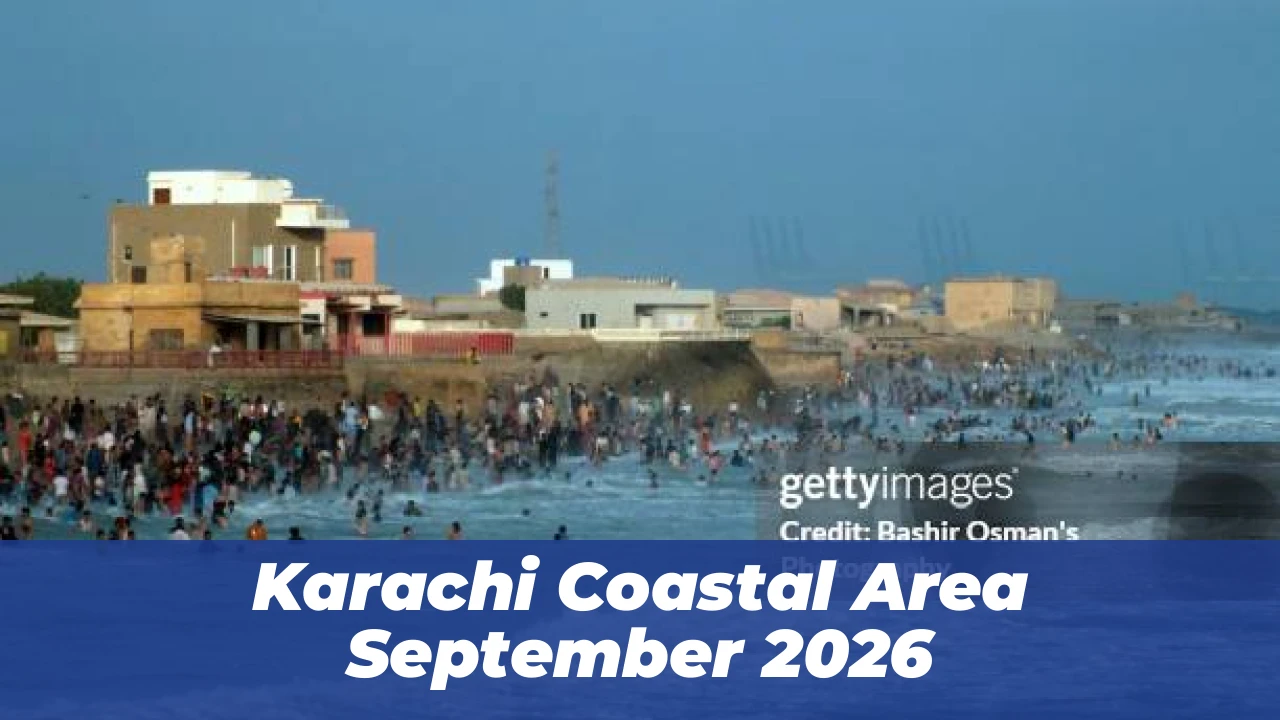
The primary driver behind this annual nuisance is a biological process involving marine microorganisms known as Noctiluca scintillans, often referred to as “Sea Sparkle.” During the post-monsoon transition, the Arabian Sea experiences a bloom of these organisms. When these blooms die off in large numbers, they undergo a rapid decomposition process in the water. As they break down, they release ammonia and other organic compounds that are carried inland by the shifting sea breezes. It is not pollution in the traditional sense, but a natural cycle of the marine ecosystem.
Why Does It Happen Every Year? The Monsoon Connection
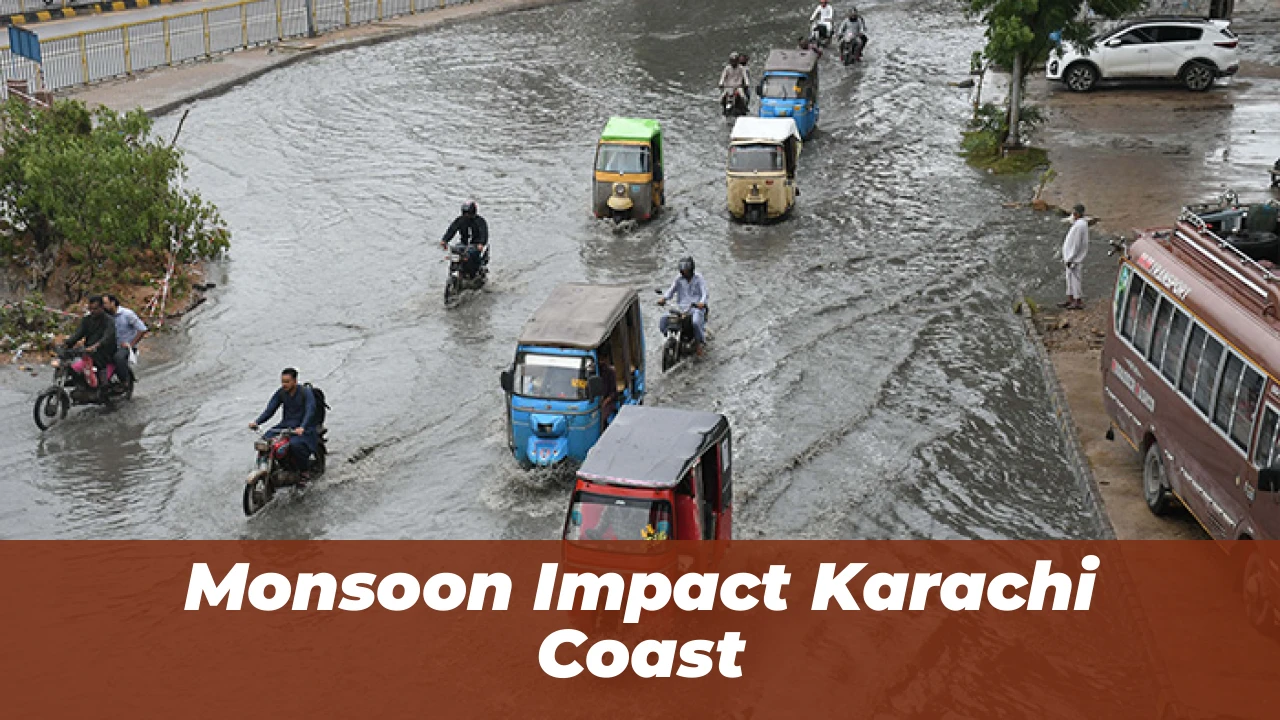
Karachi’s unique geography makes it susceptible to this event every September. The monsoon season provides an influx of nutrients into the coastal waters, which acts as a catalyst for phytoplankton growth. As the monsoon recedes and the water temperature and current patterns shift, these massive colonies of microorganisms reach the end of their life cycle. The result is the distinct, heavy odor that residents have come to associate with the end of the summer season.
Expert Consensus: Insights from WWF-Pakistan
Muhammad Moazzam Khan, a leading expert at WWF-Pakistan, has reiterated that this is a recurring natural event. While Karachi does face legitimate challenges with solid waste and sewage management which can occasionally exacerbate the intensity of the smell in specific low-lying areas the widespread nature of the current odor is fundamentally linked to the marine biological die-off.
When Will the Air Clear? PMD Forecast
According to the Pakistan Meteorological Department (PMD) outlook for mid-September 2026, the smell is expected to dissipate as wind patterns stabilize. Currently, weak sea breezes are trapping the odor inland. Meteorologists anticipate that as the wind flow strengthens by Wednesday and Thursday, the stagnant air will be cleared, effectively flushing the scent out of the city’s residential zones.
What Residents Should Do: A Quick Safety Guide
While the smell is natural, it can be irritating to those with respiratory sensitivities. To ensure your comfort during this period:
- Keep Windows Closed: During the peak evening hours when the sea breeze carries the odor inland, keeping windows shut can significantly reduce indoor impact.
- Use Air Purifiers: If you have an HEPA-filter air purifier, run it on a higher setting to neutralize lingering organic odors.
- Stay Informed: Rely on official updates from the PMD rather than unverified social media rumors.
- Report Localized Issues: If the smell near your home is significantly different (e.g., chemical or sulfur-like), report it to the local municipal authorities, as this could indicate a separate issue like a localized sewage blockage or industrial discharge.
By understanding that this is a natural, temporary event, Karachiites can navigate this week with clarity and avoid unnecessary panic. The sea breeze, which usually brings relief to the city, will soon return to its fresh, clean state.
*