In the current fiscal year of 2026, the global economic narrative has shifted significantly. Finance Ministers across developing and emerging economies are moving away from the outdated practice of hiking tax rates, focusing instead on a more sustainable strategy: Broadening the Tax Base.
For any nation aiming for long-term growth, the goal is clear bring more individuals and businesses into the formal tax net. This shift is not merely about revenue collection; it is a fundamental pillar for ensuring macro-economic stability, improving investor confidence, and funding critical infrastructure without placing an undue burden on the existing compliant taxpayer.
The Shift: Why Broadening Trumps Increasing Rates
Historically, governments relied on increasing tax rates to meet fiscal deficits. However, the 2026 economic model proves that high rates often lead to tax evasion and discourage entrepreneurship. By expanding the tax net, the government ensures:
- Equitable Distribution: The tax burden is shared by a larger segment of the population rather than falling solely on the salaried class.
- Compliance Incentives: Lower, stable rates encourage voluntary compliance rather than evasion.
- Economic Formalization: As more businesses enter the tax net, they gain access to formal banking and credit, fueling healthy economic activity.
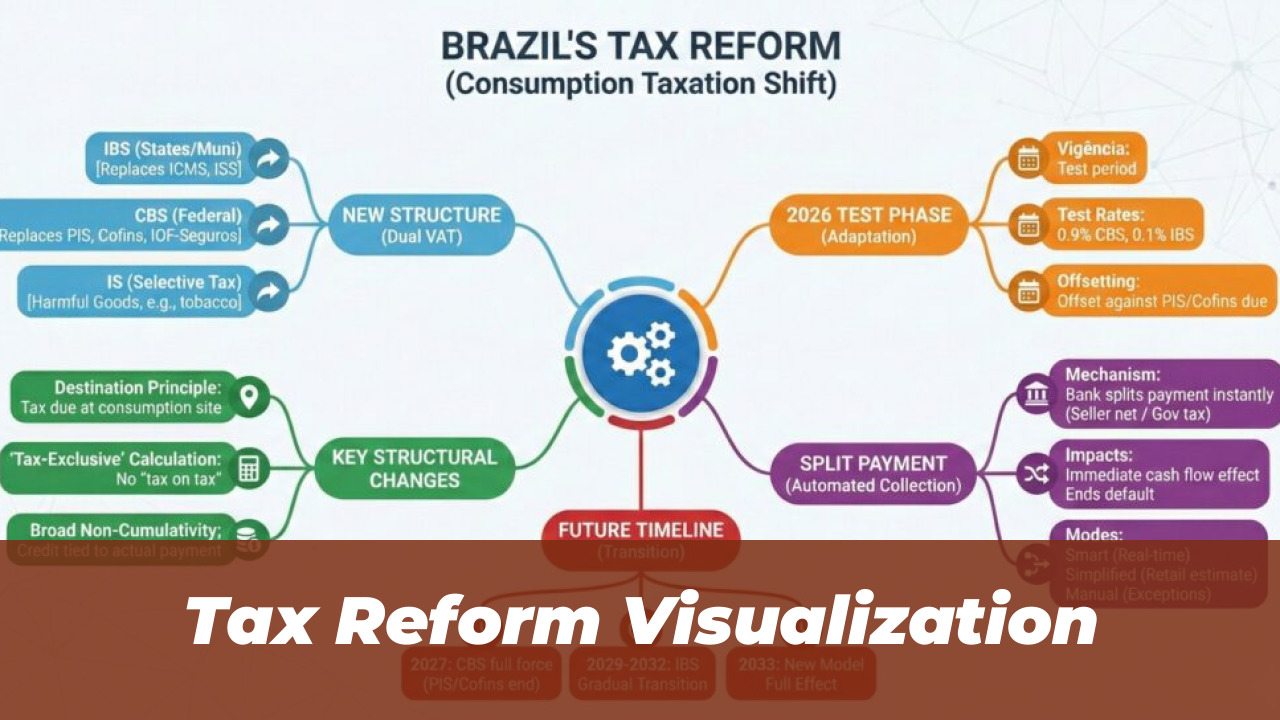
Digitalization: The Engine of 2026 Tax Reforms
Transparency is the primary driver of public trust. With the implementation of advanced digital tax portals in 2026, the interaction between tax authorities and citizens has been simplified.
- Removal of Discretionary Powers: By automating tax assessments, the scope for corruption and administrative harassment is significantly reduced.
- Real-Time Tracking: Digital integration allows for real-time monitoring of economic transactions, making it harder for high-net-worth individuals and informal sectors to remain invisible to the system.
The Link Between Fiscal Reform and Investor Confidence
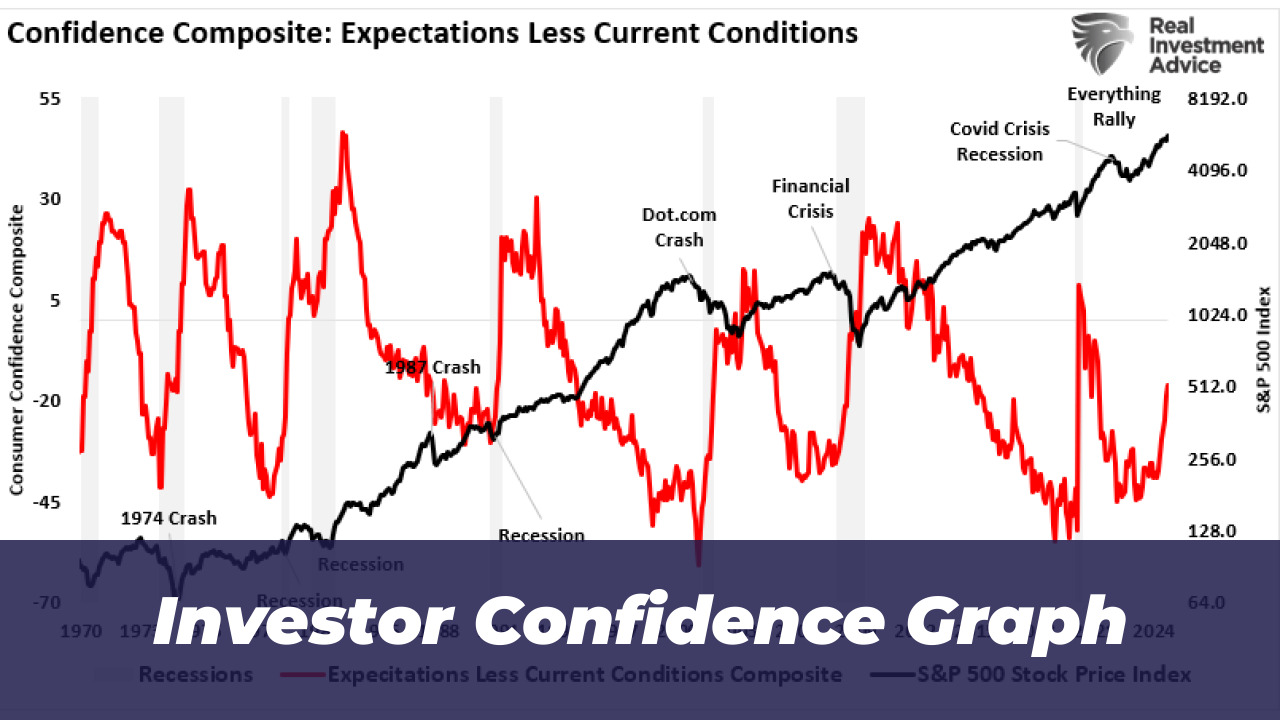
International investors and institutions like the IMF are closely monitoring fiscal discipline in 2026. The current focus on achieving a primary surplus and the privatization of state-owned enterprises has already led to credit rating upgrades.
When a Finance Minister emphasizes expanding the tax base, it signals to global markets that the country is serious about:
- Reducing Debt Dependency: Lower reliance on high-interest domestic and foreign financing.
- Infrastructure Investment: Allocating tax revenue toward energy reforms and social welfare projects that offer high returns on investment.
- Market Stability: Creating a predictable environment where policy is driven by data rather than ad-hoc tax measures.
Bridging the Gap: Transparency and Civic Duty
A common hurdle in increasing the tax base is the persistent trust deficit. Citizens often ask: Where does my money go? To address this, the 2026 fiscal policy framework prioritizes:
- Tangible Results: Linking tax revenue directly to visible infrastructure projects, such as modern transport networks and subsidized energy initiatives.
- Tax Awareness: Shifting the narrative from “tax as a burden” to “tax as a civic duty” that enables national development.
- Protecting the Vulnerable: Ensuring that reforms do not penalize low-income earners, but rather target the informal sectors that have historically evaded their share.
Strategic Comparison: The 2026 Approach
| Strategy | Traditional Approach (Pre-2025) | Modern 2026 Approach |
|---|---|---|
| Tax Base | Narrow; heavy reliance on salaried class | Broad; inclusive of informal & retail sectors |
| Tax Rates | Frequent hikes to cover deficits | Stable; focus on enforcement & compliance |
| Administration | Manual; high discretionary power | Digital; automated & transparent |
| Fiscal Goal | Short-term revenue gain | Long-term economic stability |
Conclusion: The Path Forward
The mandate of the Finance Minister in 2026 is clear: the economy cannot thrive if it relies on a shrinking pool of taxpayers. By leveraging digital transformation, enforcing fairness, and ensuring transparency in resource allocation, the government is not just collecting revenue it is building a resilient economic foundation.
For the citizens, understanding that tax compliance is the fuel for national progress is essential. As we monitor the digital divide, it is clear that expanding access to technology, such as the mobile internet usage gap in 2026, is also vital for ensuring that rural and informal sectors can participate in the formal economy. The success of these reforms will be measured by the country’s ability to sustain growth, attract foreign direct investment, and provide better services to its people.
Key Takeaways for Stakeholders
- For Businesses: Formalization is no longer a risk; it is a gateway to growth and international partnerships.
- For Policymakers: Prioritize digital infrastructure to eliminate leakage and broaden the tax net.
- For the Public: Demand transparency in spending, as your contribution is the catalyst for the country’s 2026 economic recovery.