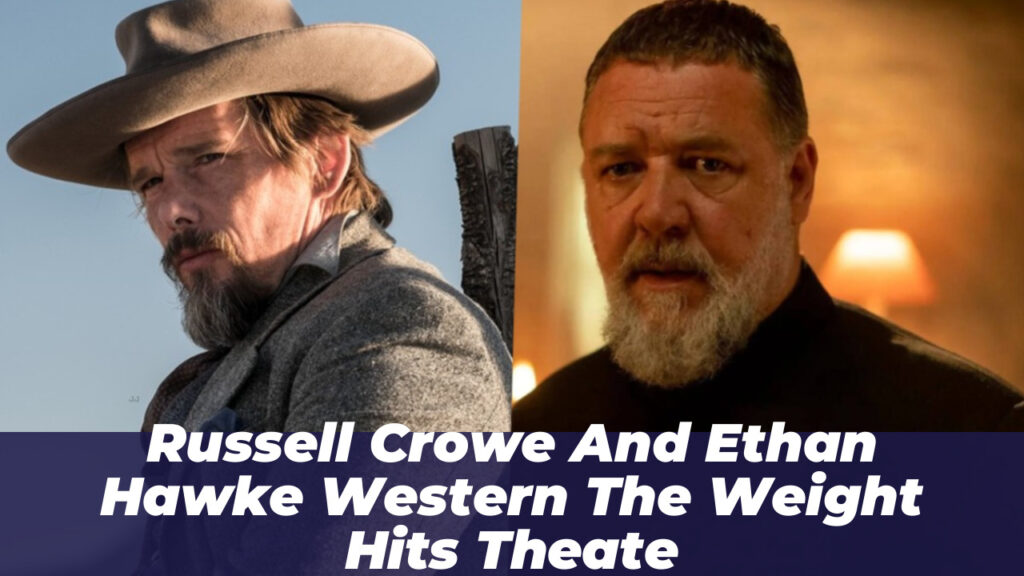
The cinematic landscape shifts today as The Weight officially arrives in theaters across the United States. This gritty historical drama, headlined by heavyweights Russell Crowe and Ethan Hawke, has generated significant momentum following its triumphant debut at the 2026 Sundance Film Festival. Distributed by Vertical, the film promises an uncompromising look at human endurance that demands the full scale of a theater screen.
Early reviews suggest this production is not merely another entry in the Western canon but a defining moment for the genre this decade. With a stellar 93 percent critical approval rating, the film stands as a testament to the power of raw, character-driven storytelling. Moviegoers seeking a visceral experience will find exactly that in this haunting exploration of desperation and survival.
Beyond the immediate spectacle, the film invites audiences to witness a masterclass in tension. It manages to balance the quiet, introspective moments of a man pushed to his brink with the explosive reality of life in a 1930s labor camp. The result is a film that lingers in the mind long after the credits roll.
The Weight: A Masterclass in Modern Western Storytelling
At its core, The Weight functions as a stark meditation on morality when pushed to the absolute limit. By stripping away the romanticized tropes often associated with the American frontier, the film focuses entirely on the psychological toll of isolation. It is a slow-burn experience that rewards patient viewers with intense emotional pay-offs.
The narrative structure avoids unnecessary flourishes, opting instead for a lean, muscular pace that keeps the audience tethered to the protagonist’s plight. Every scene serves a purpose, whether it is establishing the harsh environmental conditions or deepening the tension between the primary characters. It is a rare example of a film that balances high-stakes action with quiet, introspective moments.
This production succeeds by grounding its stakes in reality rather than spectacle. The audience is invited to feel the biting cold of the Oregon landscape and the crushing pressure of the characters’ choices. It is a masterful display of how atmosphere can become just as much a character as the actors themselves.
Why Critics Are Comparing It to 70s Cinema
Critics have been quick to draw parallels between this film and the gritty, character-focused epics of the 1970s. During that era, filmmakers often prioritized the internal struggles of their leads over traditional heroics, a trend that The Weight revives with precision. The aesthetic is intentionally unpolished, favoring natural light and authentic textures.
The film echoes the sensibilities of classic survival dramas, where the environment acts as a relentless antagonist. By eschewing modern digital over-saturation, the cinematography feels grounded and tactile. This stylistic choice creates a sense of dread and realism that modern audiences have increasingly craved in their prestige cinema.
The Director’s Vision: Padraic McKinley’s Gritty Aesthetic
Director Padraic McKinley brings a surgical level of focus to the project, ensuring every frame feels earned. His vision for the film was centered on capturing the physical brutality of the 1930s without losing the human heart of the story. McKinley manages to weave a complex web of motivations that never feels cluttered or confusing.
His commitment to practical effects and location shooting adds a layer of authenticity that is difficult to replicate. By forcing his actors to contend with the actual elements, he elicits performances that feel lived-in and desperate. McKinley has effectively established his own signature style, blending historical accuracy with a modern, high-tension narrative flow.
The Art of Minimalist Dialogue
The screenplay relies heavily on what is left unsaid. McKinley and his writers understand that in a world defined by survival, words are expensive and often dangerous. This minimalist approach forces the audience to read the body language and micro-expressions of the cast, which adds a layer of immersion rarely seen in contemporary studio films.
By keeping the dialogue sparse, the film avoids the common pitfall of over-explaining the plot. Instead, the story unfolds through the physical actions of the characters. This choice respects the intelligence of the viewer and keeps the pacing sharp and focused on the immediate, life-altering stakes of the mission.
The High-Stakes Narrative of Samuel Murphy
The story centers on Samuel Murphy, a man whose life is shattered by forces beyond his control. After a tragic separation from his young daughter, Penny, Samuel is thrust into a dehumanizing work camp. This setting serves as the crucible for his transformation from a grieving father into a man capable of extreme measures.
The narrative hook is simple yet devastatingly effective. Samuel is not fighting for glory or riches, but for the fundamental right to be a parent. This singular motivation drives the film forward, creating a clear emotional anchor for the audience. As he navigates the treacherous path laid out by the Warden, his moral compass is constantly tested.
The plot moves with a relentless momentum that mirrors the difficulty of the journey itself. Every encounter, from the prisoners he meets to the threats he faces in the wilderness, is calibrated to push Samuel closer to his breaking point. The tension is palpable, anchored by a screenplay that refuses to offer easy answers to complex ethical dilemmas.
1933 Oregon: A Setting Built on Desperation
The choice of 1933 Oregon provides a unique backdrop that feels both expansive and claustrophobic. During this era, the shadow of the Great Depression loomed over every aspect of American life, and the film captures that sense of societal decay. The landscape is not a playground for heroes, but a graveyard for the broken.
The wilderness serves as a silent witness to the atrocities committed within the camp system. By placing the story in this specific historical window, the filmmakers highlight the vulnerability of those caught in the gears of a failing system. It is a setting where hope is a luxury few can afford, making Samuel’s struggle feel all the more monumental.
The Gold Smuggling Ultimatum
The central conflict hinges on a dangerous ultimatum issued by the Warden. Samuel is tasked with smuggling gold through a landscape that is as deadly as the men pursuing him. This mission is a suicide run, and he knows it, yet the promise of liberation and reunion with his daughter forces his compliance.
This plot device masterfully raises the stakes, transforming the film into a high-octane survival thriller. It forces Samuel to weigh the value of his own life against the potential for a future with his child. The gold becomes a symbol of the corruption that defines the Warden’s world, contrasting sharply with Samuel’s desperate, pure intent.
The Weight of Historical Accuracy
To ensure the film felt authentic, the production team spent months researching the labor conditions of the Pacific Northwest during the early thirties. Every tool, garment, and structure in the camp was meticulously recreated to reflect the period. This attention to detail prevents the film from becoming a generic period piece and keeps it firmly rooted in its grim reality.
The film captures the specific textures of poverty and desperation that defined that decade. By focusing on the tangible, the movie makes the audience feel the grit and grime of the era. It is a sensory experience that demands the viewer pay attention to the environment as much as the plot.
Russell Crowe and Ethan Hawke: A Dynamic On-Screen Pairing
The pairing of Russell Crowe and Ethan Hawke is a masterstroke of casting. Crowe, as the enigmatic and cold-blooded Warden, radiates a quiet, terrifying authority. His performance is restrained, relying on subtle shifts in expression to convey the depth of his character’s malice and hidden complexities.
Conversely, Ethan Hawke delivers a performance defined by physical vulnerability and raw desperation. As Samuel, he is a man constantly on the verge of exhaustion, yet fueled by a singular, burning purpose. The contrast between Hawke’s frantic, desperate energy and Crowe’s composed, calculated stillness creates a magnetic tension that drives the film.
Their scenes together are the highlights of the movie, serving as a chess match of wills. Each interaction feels charged with unspoken history and mutual distrust. It is a rare pleasure to watch two seasoned performers at the absolute top of their craft, pushing each other to deliver some of the most memorable work of their respective careers.
Analyzing the Chemistry Between Protagonist and Antagonist
The chemistry between these two leads is built on a foundation of professional respect and narrative friction. They play off one another with a natural rhythm that makes their adversarial relationship feel deeply personal. Every word exchanged between the Warden and Samuel feels heavy with consequence and hidden meaning.
The film does not rely on loud, explosive confrontations, but rather on the psychological warfare that takes place in the spaces between them. This approach allows the audience to see the thin line that separates the hero from the villain. It is a nuanced portrayal of power dynamics that elevates the film above standard genre fare.
How Their Historical Roles Redefine the Genre
Crowe and Hawke effectively strip away the mythic quality often attributed to Western archetypes. Instead of playing the stoic gunslinger or the honorable sheriff, they portray men trapped by the realities of their era. This grounding in historical truth allows the film to explore themes of systemic injustice and personal sacrifice.
By bringing such high-level talent to these roles, the film signals a shift in how Westerns are perceived by mainstream audiences. It moves away from the “good versus evil” morality play and toward a more mature exploration of the human condition. It is a refreshing evolution that honors the genre’s past while pushing it into new, more complex territory.
The Supporting Cast as Emotional Anchors
While Crowe and Hawke dominate the screen, the supporting cast ensures the world remains grounded. Actors like Julia Jones and Sam Hazeldine provide the necessary human elements that keep the story from feeling too clinical. Their performances add layers of grief, loyalty, and betrayal that round out the narrative experience.
The film succeeds because the entire cast operates at the same high level. There is no weak link in the ensemble, which is vital for a story that relies so heavily on the interconnected lives of the camp prisoners. Each character feels like a real person with a history that exists outside the film’s runtime.
Meet the Supporting Cast Bringing the Wilderness to Life
The supporting ensemble provides the necessary texture to make the world of the work camp feel authentic and lived-in. Julia Jones, in particular, stands out as Anna, a runaway who brings a necessary perspective to the narrative. Her character’s inclusion adds a layer of depth to the story, highlighting the diverse voices affected by the era’s systemic cruelty.
The prisoners within the camp, played by actors like Austin Amelio and Avi Nash, serve as a mirror for Samuel’s own plight. Their presence creates a sense of community forged in adversity, adding weight to the decisions Samuel must make. Every member of the cast, from Sam Hazeldine’s loyal lackey to the smaller roles, contributes to the overall atmosphere of tension.
Julia Jones as the Catalyst for Change
Julia Jones delivers a compelling turn as Anna, providing an essential counterpoint to the male-dominated environment of the camp. Her character is not merely a bystander; she is a driving force that challenges Samuel to look beyond his own survival. Her presence introduces a sense of agency that shifts the trajectory of the film.
Jones plays the role with a blend of resilience and caution that feels entirely appropriate for the setting. She is a symbol of endurance, representing the many lives caught in the wake of the Warden’s machinations. Her scenes with Hawke are among the most poignant, offering a glimmer of human connection in an otherwise cold world.
The Ensemble Dynamics in the Work Camp
The ensemble cast functions like a well-oiled machine, capturing the suffocating reality of the camp environment. The interactions between the prisoners are fraught with the tension of men who know their lives are being traded for profit. This group dynamic creates a palpable sense of dread that permeates every scene set within the camp walls.
The supporting actors do an excellent job of conveying the physical and mental toll of their circumstances. Whether they are working in the mines or strategizing in the shadows, their performances are consistently grounded. This commitment to the ensemble ensures that the world feels lived-in, dangerous, and entirely real.
Box Office Expectations and Awards Season Buzz
With an overwhelmingly positive reception from critics and a strong opening day, The Weight is poised to become a significant player in the upcoming awards season. Industry analysts suggest that the film’s unique blend of genre thrills and prestige drama will appeal to a wide range of voters. It is the type of high-caliber project that often finds itself in the conversation for major accolades.
Box office projections remain optimistic as the film benefits from strong word-of-mouth and the star power of its leads. Audiences have been eager for a substantial, adult-oriented drama, and this film fills that void perfectly. If the current trajectory continues, it is likely to remain in theaters for a considerable run, solidifying its place as one of the year’s most successful artistic endeavors.
Frequently Asked Questions
Where can I watch The Weight today?
The Weight is currently available in cinemas nationwide starting September 18, 2026. You can check your local theater listings or major ticketing websites to find showtimes in your area. It is highly recommended to experience this film on the largest screen possible to fully appreciate the cinematography.
What is the official MPAA rating for the film?
The film has been officially rated R by the MPAA. This rating reflects the film’s intense thematic elements, gritty violence, and language that captures the harsh reality of its historical setting. It is intended for mature audiences who are prepared for a visceral and uncompromising cinematic experience.
Is the movie based on true historical events?
While the film is a work of fiction, it is deeply rooted in the historical realities of the 1930s. The depiction of work camps and the socio-economic desperation of the era draws inspiration from actual historical accounts. The narrative is crafted to reflect the authentic struggles of that time period.
Who directed this new Western drama?
The film was directed by Padraic McKinley. Known for his keen eye for atmosphere and character-driven storytelling, McKinley has been praised for his ability to blend historical accuracy with a compelling, modern narrative style. This project stands as a significant milestone in his directorial career.
Final Thoughts: Why This Film Demands a Big-Screen Experience
The Weight is a rare achievement in modern cinema, offering a viewing experience that is as emotionally resonant as it is visually stunning. By favoring practical landscapes and nuanced performances over digital spectacle, the film invites the audience to fully immerse themselves in its bleak yet beautiful world. It is a testament to the enduring power of the Western genre when handled with such care and artistic ambition.
For those who value storytelling that challenges the intellect and stirs the heart, this film is an essential watch. Seeing it in a theater allows the atmospheric tension and the powerhouse chemistry between Russell Crowe and Ethan Hawke to reach their full potential. Do not miss the opportunity to witness this gripping drama on the big screen, as it is undoubtedly one of the most significant cinematic releases of the year.