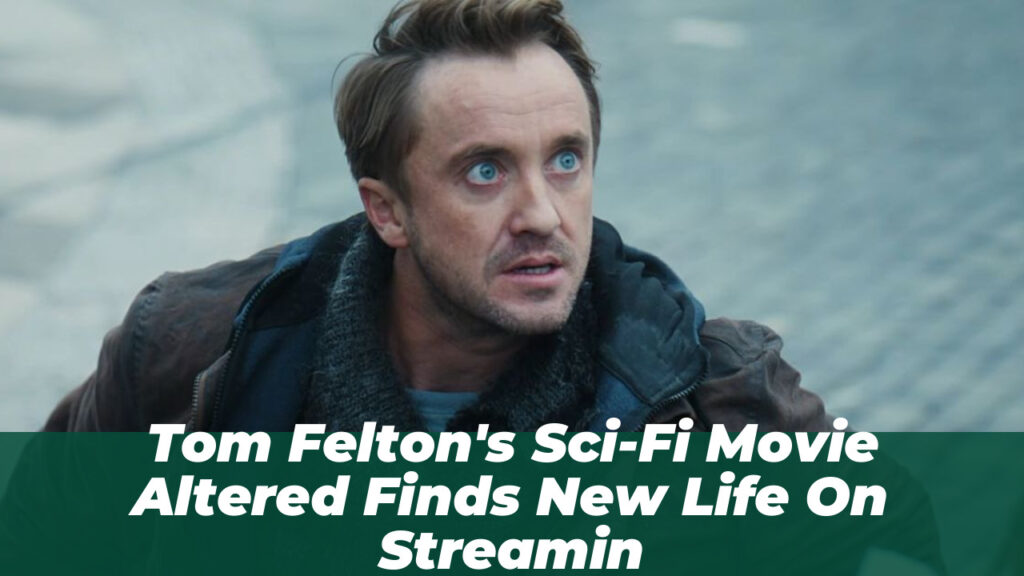
A quiet revolution is unfolding across global streaming platforms as the 2025 science fiction thriller Altered experiences an unexpected surge in popularity. Despite a lackluster debut in traditional theaters, the project has transformed into a digital phenomenon, proving that the shelf life of modern cinema is no longer dictated by opening weekend box office receipts.
From Theatrical Flop to Streaming Hit
The journey of Altered from a box office disappointment to a streaming sensation highlights the shifting landscape of modern entertainment. When the film premiered in 2025, it struggled to capture the attention of domestic cinema-goers, resulting in a stark financial deficit that left many industry analysts dismissing it as a commercial failure.
The production carried a substantial budget of $15 million, yet it managed to secure only $346,774 during its initial theatrical run. This massive gap between investment and ticket sales initially painted a grim picture for the future of the project and its lead actors, as it failed to secure the necessary momentum to sustain a long-term presence on the big screen.
However, the transition to streaming has completely rewritten the narrative for this high-concept thriller. By bypassing the traditional metrics that once defined a movie’s worth, the film has leveraged the global reach of digital platforms to find a massive, previously untapped audience that resonates with its gritty, futuristic tone.
The $15 Million Gamble that missed the mark
At the time of its release, the film was positioned as a high-stakes entry into the competitive sci-fi genre. The production team invested heavily in visual effects and world-building, hoping to replicate the success of established franchises, but the project failed to connect with the specific demographic of theater patrons during its limited opening window.
The failure to ignite interest in North American theaters was largely attributed to a crowded release schedule and a lack of aggressive marketing. Without the benefit of a massive promotional budget, the film vanished from the public consciousness almost as quickly as it arrived, leaving the studio to absorb the significant financial blow.
How digital metrics redefine success in 2026
In the current streaming era, success is no longer measured solely by the number of tickets sold on a Friday night. Instead, platforms now prioritize completion rates, engagement duration, and global chart performance, which allow films like Altered to demonstrate their value long after their theatrical exits.
By securing a consistent spot on global Top 10 lists, the film has proven that it possesses a “long-tail” appeal that traditional cinema metrics often overlook. This shift in evaluation allows studios to recoup investments through licensing deals and platform-specific performance bonuses that were entirely unavailable just a few years ago.
Tom Felton’s Pivot to Sci-Fi Protagonist
For lead actor Tom Felton, the resurgence of Altered serves as a significant milestone in his post-wizarding career. Taking on the role of Leon, an inventor fighting against a genetically enhanced elite, Felton has successfully demonstrated his range as a leading man in a demanding, action-oriented genre.
The role of Leon is a far cry from the villainous, aristocratic characters that defined his early career. By choosing a narrative that focuses on resilience and personal sacrifice, Felton has managed to capture a new audience segment that values character-driven storytelling within a high-concept science fiction framework.
Breaking the wizarding typecast
Transitioning away from a career-defining role is notoriously difficult for actors, but Felton has handled this shift with calculated precision. By choosing projects that prioritize emotional depth over spectacle, he has carved out a unique space for himself in the industry that separates his current work from his past legacy.
This deliberate pivot toward the sci-fi thriller genre highlights his desire to challenge audience perceptions. Rather than relying on his previous fame, he has allowed the material to speak for itself, ultimately finding success in a medium that rewards authentic performances over nostalgic appeal.
The emotional core of the character Leon
At the heart of Altered is the story of a “whiz kid” who finds himself at odds with a dystopian social hierarchy. Felton’s portrayal of Leon relies on a grounded, humanistic approach that anchors the more fantastical elements of the film, providing viewers with a relatable protagonist to root for as he navigates a hostile environment.
Felton has noted in interviews that he was drawn to the project by the character’s internal struggle. The script offered a chance to explore themes of class division and personal redemption, allowing him to deliver a performance that feels both urgent and deeply personal to the audience.
Regional Dominance and International Appeal
The film’s success is particularly notable in international territories, where it has achieved a level of dominance that domestic markets failed to produce. The project is currently charting as a top-tier title in several countries, suggesting that its themes of rebellion and technological advancement have a strong resonance across diverse cultural landscapes.
This international footprint has become the primary driver of the film’s newfound profitability. By reaching audiences that were not exposed to the initial marketing failures of its North American release, Altered has found a second life that is entirely independent of its original box office performance.
Why Eastern Europe is driving viewership
The film has seen exceptional performance metrics in countries such as the Czech Republic, Slovakia, and Romania, where it currently holds the number one spot on streaming charts. This regional popularity is often tied to the specific content libraries available in these territories, where science fiction remains a highly sought-after genre.
Streaming data indicates that viewers in these regions are particularly engaged with narratives that explore power dynamics and systemic change. By aligning with the existing appetites of these markets, Altered has secured a loyal fanbase that continues to propel it up the global rankings.
Comparing international performance to domestic trends
While the film struggled to find a footing in the United States, its international success highlights a clear disparity in consumer preferences. In domestic markets, the film is primarily accessed through ad-supported platforms, which often attract a different type of viewer compared to the premium subscription services dominant in Eastern Europe.
This bifurcation suggests that the film’s appeal is highly dependent on the platform’s accessibility. By catering to both premium international subscribers and domestic ad-supported users, the film has managed to cast a wide net that captures viewers across different socioeconomic backgrounds.
The Distribution Strategy: HBO Max vs. Ad-Supported Platforms
The distribution strategy for Altered is a perfect study in modern film economics. By utilizing high-profile subscription services internationally while relying on ad-supported platforms in the U.S., the studio has maximized the film’s reach while minimizing the risks associated with a single-format release.
This dual-track approach ensures that the film is always available to viewers, regardless of their preferred streaming model. By leveraging the prestige of platforms like HBO Max for international audiences, the film maintains a level of visibility that helps sustain its status as a top-performing title.
The U.S. landscape: Roku, Plex, and YouTube
In the United States, the film has bypassed major subscription services in favor of platforms like The Roku Channel, Plex, and YouTube. This strategy allows the film to be discovered by a vast audience of cord-cutters who are looking for free, high-quality entertainment without the barrier of a monthly subscription fee.
These ad-supported models are increasingly becoming the home for films that underperform in theaters. By providing a low-friction viewing experience, these platforms have allowed Altered to build a steady audience that continues to grow through organic discovery and word-of-mouth recommendations.
Analyzing the long-tail revenue model
The long-tail revenue model relies on the consistent, incremental income generated by ad impressions over a long period. Unlike the explosive, front-loaded revenue of a theatrical release, this model provides a stable stream of income that can turn even a significant initial loss into a profitable venture over time.
This approach is becoming the standard for genre films that fail to capture the mainstream zeitgeist immediately. By keeping the film in circulation across multiple digital storefronts, the production team ensures that it remains a viable asset for years to come, rather than a depreciating liability.
Genre Trends and Audience Appetite
The success of Altered is part of a broader trend in which audiences are increasingly turning to sci-fi thrillers to satisfy their demand for complex, high-concept entertainment. As streaming platforms compete for exclusive content, they are finding that genre fiction is a reliable way to drive engagement and retention.
The film’s ability to thrive alongside established franchises suggests that there is a deep, unmet hunger for original science fiction stories. Viewers are clearly looking for narratives that offer more than just familiar tropes, and Altered has managed to capture that interest by delivering a distinct and compelling vision of the future.
The demand for high-concept sci-fi thrillers
High-concept science fiction is defined by its ability to explore big ideas through the lens of a compelling narrative. In Altered, the use of an exoskeleton suit as a metaphor for social mobility and resistance provides a framework that is both visually engaging and intellectually stimulating for the audience.
This type of storytelling is particularly effective in the streaming age, where viewers can pause, analyze, and discuss the nuances of a film’s world-building. The demand for such content is only expected to grow as audiences become more sophisticated in their tastes and look for stories that challenge their perspectives.
Synergy with existing platform catalogs
When a film is placed alongside other genre staples, it gains a “halo effect” that helps it reach new viewers. By appearing in the recommendations alongside popular sci-fi titles, Altered has benefited from the algorithms that guide users toward content that matches their viewing history.
This synergy is essential for the success of smaller, independent-minded projects. By positioning the film within a curated environment of similar stories, platforms have helped it overcome its lack of initial marketing, allowing it to find its rightful place among the most watched titles in its category.
Frequently Asked Questions
Is Altered available on HBO Max in the U.S.?
As of September 2026, Altered is not available on HBO Max in the United States. While it enjoys a prominent position on the service in many international territories, domestic viewers can currently access the film through ad-supported platforms such as The Roku Channel, Plex, and YouTube.
What is the premise of the film?
The film follows Leon, an inventor who uses a powerful exoskeleton suit to challenge a genetically enhanced elite class. The story centers on his struggle to overcome personal adversity and his efforts to perform a selfless act that could fundamentally change his society.
Why did the film perform poorly at the box office?
The theatrical failure of Altered was largely attributed to a highly competitive release schedule and a lack of significant promotional support. With a budget of $15 million, it required a much larger audience engagement than it received during its limited theatrical window in 2025.
Who are the key supporting cast members?
In addition to Tom Felton, the film features an ensemble cast including Liza Bugulova, Richard Brake, Igor Jijikine, Aggy K. Adams, Sergey Tsyrulnikov, and Aleksey Filimonov. Each actor contributes to the film’s gritty, high-stakes atmosphere.
Conclusion: The future of genre film distribution
The resurgence of Altered is a testament to the power of the streaming era to grant second chances to films that were once written off as failures. By leveraging digital platforms and targeting specific global audiences, the project has successfully transitioned from a commercial disappointment to a sustainable success story.
As the industry continues to evolve, the distinction between theatrical and streaming success will likely continue to blur. Future projects will no doubt look to the model established by this film, prioritizing long-term digital visibility over the high-risk, high-reward nature of traditional theatrical distribution. In the end, it is the audience that decides the longevity of a story, and for Altered, that verdict has been firmly positive.