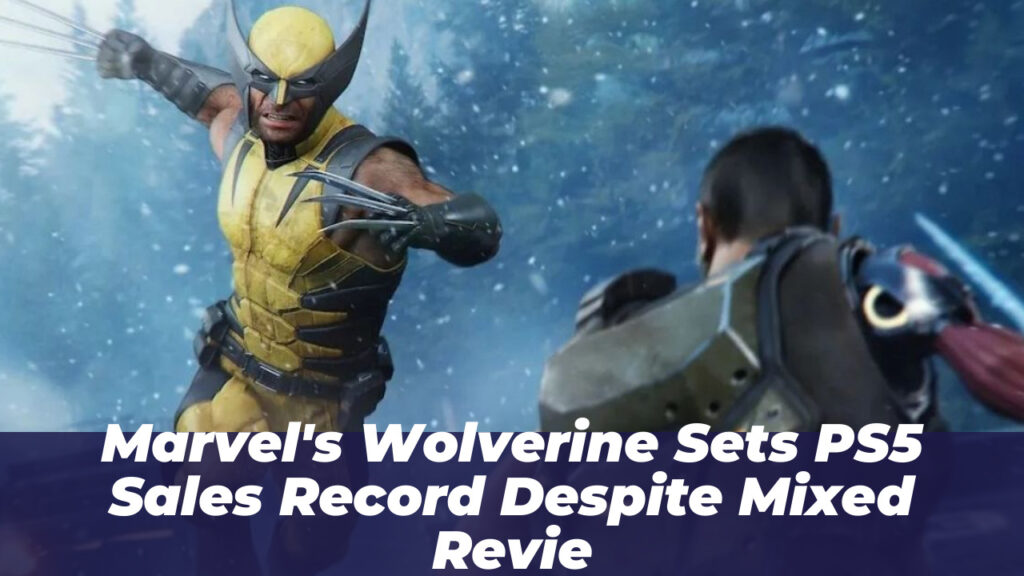
The arrival of Marvel’s Wolverine on September 15, 2026, has ignited a fierce debate within the gaming community. This release marks a rare moment where commercial triumph clashes with critical skepticism. The title shattered expectations by moving nearly two million units in its opening window. Despite this unprecedented financial velocity, the game faces intense scrutiny from reviewers who argue that the experience lacks the innovation required to justify its high-profile status.
For many industry observers, this launch represents a fascinating paradox of the modern console era. While the marketing engine successfully propelled the game into the record books, the underlying reception suggests a disconnect between brand power and creative satisfaction. As players navigate the gritty world of Logan, the industry wonders whether massive initial sales can sustain a title that struggles to escape the shadow of its predecessors.
Breaking Down the Record-Setting Launch
The headline figure of 1.9 million units sold in just three days solidified the game as the fastest-selling title on the PlayStation 5 for the 2026 calendar year. This surge represents a monumental achievement for the developers, proving that the appetite for Marvel intellectual property remains insatiable among the core gaming demographic. The sheer volume of units moved during the opening weekend effectively silenced initial doubts regarding the game’s marketability.
The milestone is not without its nuances, as analysts point to the heavy reliance on pre-release hype to drive these numbers. The momentum was largely fueled by a massive marketing push that solidified the game’s presence in the public consciousness long before the first reviews were published. By the time critics began to voice their concerns about gameplay depth, a significant portion of the total sales volume was already secured through early commitments.
Analyzing the 1.9 Million Unit Milestone
The 1.9 million figure is impressive when placed against the performance of other major releases throughout the year. By outpacing titles like the latest entry in the baseball simulation franchise and the long-awaited sequel to the courier-focused epic, the game established a new benchmark for software performance. This success highlights the immense power of the Logan character, whose popularity continues to transcend multiple generations of pop culture.
It is vital to recognize that these figures represent sold-in data rather than sell-through numbers. This means the majority of these units currently reside in retail warehouses or on store shelves, awaiting final purchase by the end consumer. While the initial shipment numbers are record-breaking, the true health of the title will be determined by how quickly these copies move from retailers into the hands of players over the coming weeks.
Digital Pre-orders vs. Physical Retail Reality
A staggering one million copies were accounted for via digital pre-orders, signaling a massive shift toward platform-exclusive ecosystems. This digital dominance allowed the game to bypass traditional retail bottlenecks, ensuring that players could begin their journey the moment the servers went live. This trend underscores the importance of the digital storefront as the primary driver for modern blockbuster releases.
In contrast, physical retail sales accounted for less than 23 percent of the total volume, highlighting the ongoing decline of the disc-based market. While physical copies remain a staple for collectors, the convenience and immediacy of digital downloads have clearly become the preferred method for the majority of the gaming public. This split reinforces the necessity for developers to prioritize digital distribution channels in their long-term financial strategies.
The Financial Impact of Marvel’s Latest Hero
With an estimated revenue of 130 million dollars in its opening window, the game proved to be a financial juggernaut for the studio. This windfall provides significant breathing room for the development team as they look toward future content updates and potential expansions. The sheer scale of this revenue confirms that even with mixed critical reception, a strong enough brand can generate massive returns in a short timeframe.
The financial success of the project also validates the heavy investment made into the title’s development and promotion. By securing such high returns early on, the studio mitigated some of the risks associated with the high costs of triple-A game production. This success will likely embolden stakeholders to continue pushing for more large-scale, character-driven experiences that leverage established cinematic universes.
Revenue Benchmarks: Outpacing High-Profile Rivals
Comparing this launch to the 99 million dollars generated by the year’s top sports simulation reveals a clear shift in market dominance. The ability to pull in 130 million dollars in just three days places the title in an elite tier of software releases. This performance is especially notable given the competitive landscape of 2026, where players are increasingly selective about where they spend their entertainment budget.
The revenue figures also suggest that the game is successfully attracting a broad audience, from hardcore fans of the source material to casual players looking for a high-octane experience. This wide appeal is a testament to the effectiveness of the marketing strategy. Even as critics debated the game’s merits, the general public demonstrated a clear willingness to invest in the experience based on brand recognition alone.
Understanding the ‘Sold-In’ vs ‘Sell-Through’ Metric
It is vital for investors and fans alike to distinguish between copies shipped to retailers and copies actually sold to players. While the 1.9 million figure is technically accurate in terms of inventory distribution, it does not account for the potential for unsold stock. If the current critical narrative persists, retailers may find themselves with excess inventory that could eventually lead to price drops or inventory corrections.
Industry analysts are keeping a close watch on the sell-through rates over the next month to see if the demand matches the initial supply. If the actual sales to consumers do not keep pace with the initial shipments, the title could face a difficult path to long-term profitability. Monitoring these metrics will provide a clearer picture of the game’s true success beyond the initial excitement of the launch.
Why Critics and Fans Are Divided
The divide between the game’s commercial success and its critical reception centers on the issue of gameplay innovation. Many reviewers highlighted that while the combat is polished and visually stunning, it lacks the fresh mechanics one would expect from a new, standalone title. This feeling of familiarity led to a narrative that the game is a safe, albeit predictable, iteration of existing formulas.
Fans, however, seem more willing to forgive these structural similarities in exchange for the chance to inhabit the role of an iconic character. For many, the joy of playing as Logan outweighs the desire for experimental gameplay design. This divergence between those who evaluate games through a lens of innovation and those who prioritize pure entertainment is a central theme in the current discourse surrounding the release.
The Shadow of the Spider-Man Framework
A primary point of contention is the game’s reliance on the structural framework established by previous hero-themed titles from the same studio. Critics argue that the traversal, mission design, and even the user interface feel like direct transplants from the web-slinging adventures that preceded it. This lack of distinct identity has left some players feeling as though they are playing a reskinned version of an older, more familiar game.
While the developers clearly aimed for a sense of consistency, this design choice backfired with segments of the audience that crave evolution. The reliance on a proven engine and established systems made the title feel dated to some, despite the high graphical fidelity. This tension between delivering a reliable experience and pushing the boundaries of the genre is where the game’s narrative currently resides.
Addressing Claims of Derivative Gameplay
The accusations of derivative gameplay are not merely about aesthetics; they touch upon the core mechanics that define the player experience. Critics point to the repetition in mission objectives and the lack of truly novel combat systems as reasons for their lukewarm assessments. For a title with such high expectations, the perception that it plays it safe is a significant blow to its critical standing.
Conversely, supporters argue that these mechanics are refined to a point of near-perfection, making them enjoyable regardless of their origin. They contend that the game does not need to reinvent the wheel to be a successful and fun experience. This debate highlights a fundamental disagreement about what makes a game good in the modern era: is it the novelty of its systems, or the polish of its execution?
Marketing Velocity vs. Long-term Sustainability
The marketing campaign for the game was a masterclass in building hype, utilizing trailers and teasers to create an aura of anticipation that few titles can match. This velocity was essential in securing the one million pre-orders that defined the game’s launch success. However, marketing can only carry a title so far, and the real challenge lies in maintaining that momentum once the initial wave of excitement subsides.
There is a genuine risk that the game could hit a sales cliff as the market saturates and the initial wave of eager fans finishes the campaign. Without the backing of strong word-of-mouth or critical acclaim, the title may struggle to find a second wind. The challenge for the publisher now is to pivot from hype-driven sales to value-driven engagement, ensuring that the game remains relevant as we move toward the winter months.
The Danger of the Post-Launch ‘Sales Cliff’
The post-launch period is notoriously difficult for titles that rely heavily on pre-orders and brand recognition rather than sustained critical buzz. As the initial excitement fades, the game must rely on its own merits to attract late adopters. If the current mixed reviews continue to dominate the conversation, those who are on the fence may choose to wait for a discount rather than paying full price.
This creates a precarious situation where the game’s long-term success is heavily dependent on the public’s perception of its value. If the narrative shifts toward the game being a wait for a sale title, the momentum will inevitably stall. The developers are currently in a race against time to prove that the experience offers enough depth to justify its place in a player’s library throughout the remainder of the year.
Can Holiday Momentum Save the Title?
The upcoming holiday season presents an opportunity to revitalize the game’s commercial performance. Historically, the holiday period is when blockbuster titles see a resurgence in sales as they become popular gift options. If the game can secure a spot on holiday wish lists, it may be able to overcome its critical hurdles and reach a much wider audience.
However, this will require a concerted effort to keep the game in the public eye through promotions, potential discounts, or perhaps even surprise content updates. The holiday season is highly competitive, and the game will be going up against a fresh wave of end-of-year releases. Whether it can maintain its position as a top-tier choice will depend on the effectiveness of the publisher’s holiday strategy.
The Role of Brand Recognition in 2026 Gaming
In the current gaming landscape, the power of a recognizable brand name has never been more influential. The success of this title proves that consumers are often drawn to familiar characters and universes, even when the critical consensus is divided. This brand-first approach is becoming the standard for major publishers, as it provides a safety net against the volatility of new, untested intellectual properties.
However, relying solely on brand recognition is a double-edged sword. While it guarantees an initial audience, it also invites intense scrutiny if the product fails to meet the high standards associated with that brand. In 2026, players are more informed than ever, and they expect that a major brand will translate into an exceptional experience. Meeting these expectations is the key to balancing commercial success with brand integrity.
Leveraging Marvel Intellectual Property
The Marvel name remains one of the most potent drivers of interest in the entertainment industry. By tapping into this well, the developers ensured that the game would be a focal point of the year’s release calendar. The ability to leverage such a vast and beloved library of characters and stories is a significant advantage that few other studios possess.
This strategic use of intellectual property is not just about sales; it is about building a community of fans who are invested in the ongoing narrative of the characters. When done correctly, this creates a virtuous cycle where each new release strengthens the brand, which in turn fuels the success of future titles. The challenge is to keep the experience fresh enough that the audience remains engaged over the long term.
Consumer Expectations in the Modern PS5 Era
Modern players have high expectations for what a PS5 title should deliver in terms of performance, visual fidelity, and innovative gameplay. The console’s capabilities are often viewed as a platform for pushing the boundaries of what is possible in interactive media. When a high-profile release feels like it is treading old ground, it can lead to a sense of disappointment among the most dedicated hardware enthusiasts.
These consumers are the early adopters who drive the initial sales, but they are also the ones who set the tone for the rest of the market. If the core community is not satisfied, it can create a ripple effect that impacts the game’s reputation. Balancing the need to appeal to a mass audience with the demands of these power users is the defining challenge for developers in the current era.
Future Outlook for Insomniac’s Newest IP
Looking ahead, the studio faces the task of managing the game’s long-term lifecycle in the face of mixed sentiment. This will likely involve a combination of community engagement, potential technical refinements, and a clear roadmap for post-launch support. The goal is to turn the current division into a constructive dialogue that helps shape future updates and content drops.
If the team can demonstrate a commitment to listening to player feedback, they may be able to win over some of the more skeptical critics. This is a common strategy in the industry, where ongoing support can transform a divisive launch into a beloved title over time. The coming months will be a test of the studio’s agility and its ability to adapt its vision to the needs of its audience.
Potential Inventory Corrections in Q4
As we head into the final quarter of the year, there is a distinct possibility of inventory corrections for retailers who over-ordered based on the initial hype. If the sell-through rates do not show significant improvement, we may see price adjustments or promotional bundles designed to clear out excess stock. This is a standard part of the retail lifecycle, but it could impact the game’s perceived value.
The publisher will likely be working closely with retail partners to manage this process and ensure that the game remains accessible without devaluing the brand. Navigating this period will be essential for maintaining the game’s commercial health as we exit the year. The goal is to find a balance between clearing shelf space and maintaining a premium price point for as long as possible.
Strategic Adjustments for Post-Launch Support
Post-launch support will be the deciding factor in how the game is remembered a year from now. Whether this includes new combat challenges, story expansions, or quality-of-life improvements, the community will be looking for signs that the studio is still invested in the product. Strategic updates can address some of the criticisms regarding gameplay depth and provide a reason for players to return to the game.
By prioritizing the most requested features and addressing the common complaints, the developers can foster a more positive relationship with their audience. This kind of proactive support can be the difference between a title that fades away and one that becomes a staple of the console’s library. The next few months of updates will be a clear indicator of the long-term commitment to this project.
Frequently Asked Questions
Did the game actually sell 1.9 million copies to players?
The 1.9 million figure represents units sold-in, meaning copies shipped to retailers. While this indicates high demand from stores, it does not confirm that 1.9 million individual players have purchased the game yet. The actual sell-through number is likely lower, as it depends on how quickly consumers buy those copies from retail locations.
Why are critics calling the gameplay derivative?
Critics argue that the game relies too heavily on the structural and mechanical framework of previous titles from the studio. This includes similar traversal methods, mission design, and combat systems, which some feel prevents the game from carving out its own distinct identity or offering enough innovation to justify the leap to a new title.
How does the game compare to previous PS5 hits?
In terms of initial sales velocity, the game has outperformed other major 2026 releases, including popular sports simulations and high-profile sequels. It has set a new record for the year, proving that its brand power is currently unmatched, even if its critical reception is more divided than some of the console’s previous landmark titles.
Is the game worth buying during the holiday season?
Whether the game is worth purchasing depends on your personal preference for familiar, polished gameplay versus innovative new mechanics. If you enjoy the studio’s established style, it remains a high-quality experience. However, if you are looking for something that breaks the mold, you may want to wait for potential holiday discounts or further content updates.
Conclusion: A Commercial Win with Creative Question Marks
Marvel’s Wolverine has achieved a remarkable commercial feat, proving that brand recognition remains the most powerful tool in the modern gaming industry. By setting a new sales record for 2026, the game has secured its place as a financial success. Yet, the persistent criticism regarding its derivative nature suggests that the industry cannot rely on brand power alone forever. As the game moves into the holiday season, its ability to bridge the gap between initial hype and long-term player satisfaction will determine whether it is remembered as a fleeting trend or a lasting pillar of the PlayStation 5 library.