The alarm sounds, a laboratory seal fails, and within minutes, a bustling city descends into absolute bedlam. For fans of the Resident Evil franchise, this specific brand of high-octane biological horror is the gold standard. You crave the tight corridors, the relentless pursuit by mutated monstrosities, and the desperate scramble for a vaccine that never seems to arrive. When the credits roll on your latest Umbrella Corporation marathon, the silence of your living room feels wrong. You need another hit of pure, unadulterated survival adrenaline.
The zombie genre offers far more than simple jump scares. It provides a mirror for our collective fears regarding corporate overreach, viral fragility, and the thin veneer of social order. If you are hunting for films that match the tactical intensity and claustrophobic dread of your favorite infection-themed epics, the following selections will keep your heart rate elevated long after the screen goes dark.
The Evolution of Zombie Cinema: From Slow Shufflers to Biological Nightmares
The zombie sub-genre underwent a radical transformation over the last three decades. It shifted from the slow, lumbering corpses of folklore to the lightning-fast, genetically modified threats seen in modern media. This evolution reflects changing societal anxieties, moving from a fear of death itself to a fear of uncontrollable, microscopic viral outbreaks.
Resident Evil stands as the definitive bridge between survival horror gaming and cinematic spectacle. By focusing on the biohazard trope, it popularized the concept of corporate entities playing god. These films turn ordinary suburban settings into testing grounds for lethal, mutating pathogens that defy biological logic.
How Resident Evil Reshaped Viral Horror
At its core, the franchise emphasizes scientific hubris, where the pursuit of power leads to a total breakdown of order. These films utilize a unique blend of tactical combat and puzzle-like survival. They force protagonists to navigate complex environments while managing dwindling resources and terrifying, mutated monstrosities.
This approach successfully bridged the gap between video game mechanics and traditional narrative structure. By utilizing tight corridors, hidden laboratory secrets, and sudden escalations of violence, the franchise established a template where the environment is just as lethal as the infected entities stalking the hallways.
The Great Debate: Fast Infected vs Traditional Undead
A major point of contention among genre purists is the speed of the antagonist. While traditional zombies are defined by their slow, overwhelming numbers, the modern infected introduced in the early 2000s brought a terrifying, kinetic energy. This forced audiences to reconsider the nature of vulnerability.
Classifying these threats helps in understanding the genre’s variety. Some films feature reanimated corpses, while others depict living humans driven to primal rage by airborne pathogens. Both variations offer unique opportunities for tension, with the former emphasizing dread and the latter prioritizing breathless, high-velocity survival.
Five Essential Post-Resident Evil Zombie Films
To satisfy the itch for more containment breaches and desperate last stands, we curated a list of five films that capture the adrenaline and intensity found in the best survival horror epics.
1. Train to Busan: High-Octane Claustrophobia on Rails
This South Korean masterpiece takes place on a speeding train during a sudden nationwide outbreak. The limited space creates a frantic, claustrophobic atmosphere that forces characters to adapt or die in a matter of seconds.
Fans of Resident Evil will appreciate the film’s relentless momentum and tactical combat. It balances visceral, high-speed action with a deeply emotional core, proving that even in a world of monsters, the most compelling stories remain those of human resilience and sacrifice.
2. 28 Days Later: The Blueprint for Hyper-Aggressive Outbreaks
Set in a desolate, abandoned London, this film popularized the concept of the rage-infected human. The story follows a survivor who wakes from a coma to find his city transformed into a hollowed-out graveyard of chaos.
The film’s stark visual style and raw psychological dread set a new standard for the genre. It offers a grounded, terrifying look at the collapse of society, focusing on the sheer lethality of enemies that do not stop moving. It serves as a perfect companion piece for any fan of aggressive, fast-paced horror.
3. REC: Ground-Level Biohazard Survival
Shot in a gritty, first-person perspective, this Spanish horror film follows a television reporter trapped in a quarantined apartment building. The lack of traditional camera angles creates an intense, you are there experience that remains impossible to look away from.
The film mirrors the survival horror mechanics of classic games, where every shadow could hide a threat and every locked door is a potential trap. Its commitment to unyielding tension and claustrophobic pacing makes it a must-watch for those who enjoy the trapped in a facility dynamic.
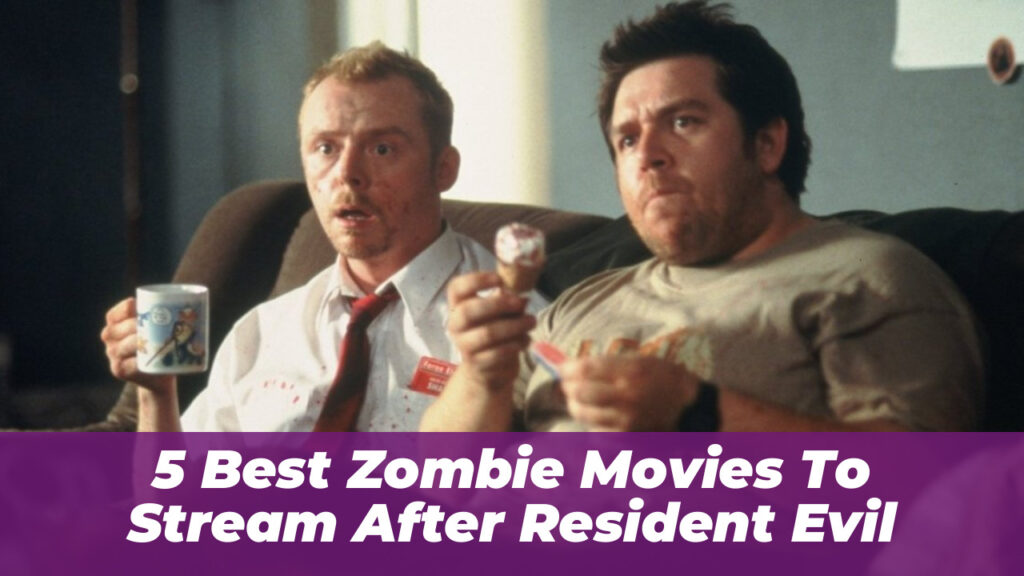
4. Shaun of the Dead: Satirical Brilliance Meets Visceral Gore
While often categorized as a comedy, this film is a meticulously crafted homage to the zombie genre. It follows two aimless friends attempting to navigate a sudden apocalypse while maintaining their personal relationships and daily routines.
The film earns its place on this list through its incredible attention to detail, practical effects, and genuine survival drama. It serves as a perfect palate cleanser that honors the traditions of the genre while delivering a surprisingly poignant narrative about the importance of human connection during a crisis.
5. Dawn of the Dead (2004): Kinetic Action and Commercial Quarantine
This reimagining of a classic concept places a small group of survivors inside a fortified shopping mall. The opening sequence is a masterclass in chaotic, blockbuster-style pacing that captures the sudden, terrifying onset of a global pandemic.
The film is packed with heavy weaponry, military-grade defensive strategies, and a relentless sense of urgency. For viewers who enjoy the action-heavy, high-stakes combat found in the Resident Evil series, this film provides the ultimate experience in large-scale, barricaded survival.
The Mechanics of Terror: Why Tactical Horror Thrives
What makes these films work is their adherence to the rules of engagement. In a world where the threat is biological and fast, the protagonist cannot simply run. They must secure exits, scavenge for ammunition, and prioritize team survival over individual glory. This tactical layer elevates the genre from simple monster movies to high-stakes thrillers.
Modern audiences respond to these mechanics because they mimic the problem-solving nature of the games they play. When a character in a film checks their magazine or barricades a door, the audience feels the weight of that decision. It turns the viewing experience into a participatory exercise in survival strategy.
Bridging the Romero Legacy: Why the Classics Still Matter
While modern films often focus on speed and high-octane action, one must acknowledge the foundational texts of the genre. The works of George A. Romero established the rules that every modern filmmaker now follows, whether they realize it or not.
These early films were not just about monsters; they were biting critiques of society, consumerism, and human fallibility. Understanding these roots provides a deeper appreciation for how the genre has shifted from slow-burn social commentary to the fast-paced, globalized threats of today.
George A. Romero’s Foundational Rules
Romero defined the zombie as we know it: a mindless threat that can only be stopped by destroying the brain. His 1968 classic, Night of the Living Dead, established the structural blueprint of the trapped group dynamic that remains the industry standard.
These films taught us that the zombies are rarely the true villains. Instead, the real danger is the breakdown of human cooperation under extreme stress. This lesson remains the core of every successful survival horror story, from the low-budget classics to the massive streaming hits of the 2020s.
How Modern Adaptations Reinterpret Societal Collapse
Contemporary cinema has moved toward themes of corporate accountability and global, uncontrollable pandemics. Recent hits like The Last of Us demonstrate how modern storytelling can blend fungal, scientific horror with deep, character-driven narratives that resonate with current global anxieties.
These adaptations show how the genre continues to evolve by reflecting our real-world fears. By shifting the focus from simple reanimation to complex biological mutations, filmmakers keep the genre fresh, relevant, and terrifying for a new generation of audiences.
Video Game DNA on the Big Screen: What Makes Infection Thrillers Work
Adapting the mechanics of a video game into a feature film is a significant creative challenge. The key to success lies in capturing the feeling of resource scarcity, the tension of navigating dangerous environments, and the sense of constant, escalating pressure.
The most successful films in this space understand that pacing is everything. They allow for quiet moments of exploration to build tension before exploding into bursts of high-intensity survival, mirroring the rhythm of a well-played horror game.
Frequently Asked Questions About Zombie Cinema
Are the infected in 28 Days Later technically zombies?
While they do not fit the traditional definition of reanimated corpses, they are widely considered fast zombies in modern taxonomy. They function as a biological threat driven by a virus rather than magic, which is a common trope in contemporary horror.
Which Resident Evil movie is considered the most faithful to the games?
Opinions vary, but many fans point to the 2021 reboot, Welcome to Raccoon City, for its direct efforts to recreate the specific locations and atmosphere of the original games, despite its polarizing reception.
What makes Train to Busan stand out among Western zombie releases?
Its ability to balance intense, kinetic action with a deeply emotional, character-focused story. It treats the human drama with as much importance as the horror, making the stakes feel much higher than in standard action films.
Where should beginners start when exploring the zombie movie genre?
Beginners should start with the 2004 Dawn of the Dead for action, Shaun of the Dead for a mix of humor and heart, and the original Night of the Living Dead to understand the historical roots of the genre.
The Future of the Undead: Where Infection Thrillers Go Next
As we head into 2026 and beyond, the genre is moving toward more high-concept, scientifically grounded horror. We are seeing a rise in fungal-based pathogens and psychological thrillers that explore the fragility of human society when faced with an invisible, biological enemy.
The enduring fascination with these stories stems from our need to confront the unthinkable. By watching characters struggle against the impossible in a controlled cinematic environment, we find a way to process our own fears of the future, ensuring that the zombie genre will continue to mutate and thrive for years to come.