The intersection of provocative arthouse cinema and modern internet culture creates immediate friction. Actor Orlando Bloom finds himself at the center of intense online backlash following promotional events for the upcoming film Bucking Fastard. When high-concept filmmaking collides with social media outrage, the resulting digital storm often overshadows the actual artistic merits of a project. Viewers and critics alike rush to judgment before stepping foot inside a theater.
- Inside the Digital Storm Surrounding Bucking Fastard
- Orlando Bloom and the San Sebastián Festival Comments
- Plot Dynamics and the Holbrooke Sisters
- Orlando Bloom as Gareth Mulroney
- Werner Herzog and Uncompromising Artistic Vision
- Artistic Intent Versus Audience Reception
- Industry Context, Festivals, and Distribution Challenges
- Frequently Asked Questions
- What is the premise of Bucking Fastard?
- Why is Orlando Bloom facing backlash?
- How did Werner Herzog direct the controversial scene?
- Have Kate and Rooney Mara appeared in a movie together before?
- When did Bucking Fastard premiere?
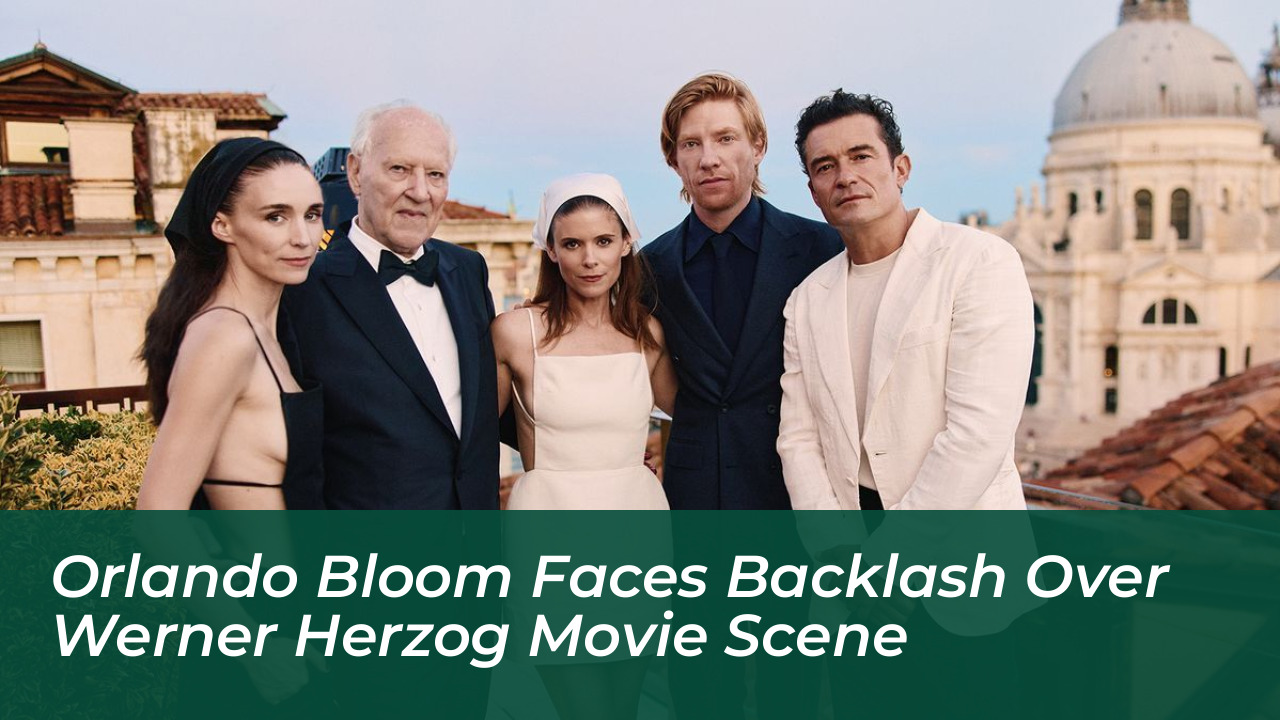
Directed by veteran filmmaker Werner Herzog, the movie features a premise that immediately ignited fierce debates across social media platforms like Reddit and X. At the heart of the controversy is an intimate scene involving Bloom alongside real-life biological sisters Rooney Mara and Kate Mara. This unique casting choice immediately drew the attention of digital commentators who question the ethical boundaries of modern storytelling.
Inside the Digital Storm Surrounding Bucking Fastard
The spark that ignited social media outrage began with early festival screenings and press releases detailing the film’s premise. The narrative involves real-life biological sisters Kate Mara and Rooney Mara sharing an intimate dynamic with Bloom on screen. This specific plot detail caused a rapid spread of festival quotes across the internet, sparking fierce ethical debates about boundary-pushing cinema.
Contrasting viewpoints quickly dominated online spaces. Commentators demanded strict moral boundaries in mainstream media casting choices. Meanwhile, defenders cited artistic expression and the long history of challenging arthouse cinema. The debate highlights a growing divide between traditional film audiences who appreciate provocation and digital consumers who demand adherence to modern social norms.
Digital platforms amplify controversy within minutes of a press release dropping. Algorithms favor high-conflict topics over nuanced cinematic analysis. This dynamic forces studio publicists to rethink traditional media rollouts.
Orlando Bloom and the San Sebastián Festival Comments
Orlando Bloom fueled the ongoing discussions during his appearance at the San Sebastián Film Festival. Bloom described the intimate dynamic in the film as a complex mix of carnal desires and stark innocence. His framing of the sequence during press interviews aimed to contextualize the artistic goals of the director, but the comments had the opposite effect on public perception.
Public reaction to the actor’s statements was swift and overwhelmingly critical in certain digital circles. Audiences struggled to reconcile the professional nature of the shoot with the unconventional family dynamics presented on screen. The actor now finds himself balancing the personal defense of the project with rising public discomfort and aggressive online commentary.
Industry veterans advise actors to remain cautious when discussing provocative art. Modern audiences demand safe spaces even within avant-garde cinema. Bloom miscalculated the tolerance levels of mainstream digital consumers.
Plot Dynamics and the Holbrooke Sisters
Werner Herzog pushes psychological boundaries through a script that explores extreme human connection and societal rejection. The Holbrooke sisters serve as the emotional and thematic anchor of the story. Kate Mara, aged 43, and Rooney Mara, aged 41, portray characters so deeply connected that they function almost as a single entity within their community.
This project marks the first time the famous siblings share a feature film credit. Achieving this level of on-screen synchronization required rigorous rehearsal schedules. The sisters had to match speech patterns, physical movements, and psychological ticks to convince audiences of their character bond. The screenplay details how the local press, legal systems, and romance dynamics react to their unified existence.
Character motivations remain deliberately ambiguous throughout the runtime. Herzog refuses to offer easy answers or moral resolutions. Audiences must sit with the discomfort of unresolved narrative tension.
Orlando Bloom as Gareth Mulroney
Orlando Bloom steps into the role of Gareth Mulroney, a man completely out of his depth. The 49-year-old actor explained to press members that his character struggles to navigate the bizarre psychological territory of the Holbrooke sisters. Despite the unconventional premise, Bloom insists the cast and crew captured a sincere tone rather than a purely sensational one.
The narrative forces Mulroney into uncomfortable situations that test his emotional endurance. The reactions from the community and the legal system add layers of tension to the narrative. Herzog utilizes these societal pressures to critique how outside forces react to unconventional human relationships.
Mulroney acts as a surrogate for the bewildered spectator. His internal conflict reflects the confusion felt by viewers encountering the sisters for the first time. Bloom delivers a restrained performance amid chaotic narrative circumstances.
Werner Herzog and Uncompromising Artistic Vision
Known for challenging audience comfort zones, veteran filmmaker Werner Herzog approaches sensitive material with characteristic detachment. His unique directing style often prioritizes raw human instinct over conventional studio polish. This philosophy guided the production of Bucking Fastard from conception to the final cut.
During the production of the sensitive sequence, Herzog adopted a minimalist approach on set. He gave minimal instructions to Bloom and the Mara sisters, leaving the physical execution entirely to the cast. By maintaining an atmosphere of creative freedom over micro-management, the director allowed the actors to dictate the rhythm of the room without unnecessary interference.
Herzog cares little for conventional box office expectations. His cinematic catalog brims with controversial human studies and extreme environments. This project fits neatly into his lifelong exploration of fringe human behavior.
Artistic Intent Versus Audience Reception
Herzog defended the artistic merits of the final cut during subsequent interviews. He described the controversial sequence as charming, layered, and emotionally deep. Industry analysts point out that Herzog frequently tests audience comfort zones with provocative themes that challenge traditional narrative structures.
Cast members also emphasized professional boundaries and the clear distinction between real life and cinematic art. However, modern social media culture reacts aggressively to concepts involving family dynamics. This digital scrutiny turns a standard arthouse premiere into a trending ethics debate that pressures distributors and studios.
Box office tracking firms now monitor social sentiment daily. Negative online chatter directly impacts theatrical ticket sales. Studios must decide if arthouse prestige outweighs financial risk.
Industry Context, Festivals, and Distribution Challenges
As studios monitor audience reactions, the film navigates a complex festival circuit and an aggressive digital landscape. Bucking Fastard held its world premiere at the Venice Film Festival on September 3, 2026, before heading to the San Sebastián screening. While festival critics praised the film’s audacity and unique tone, online forums remained deeply polarized.
The divide between festival reception and online outrage highlights the shifting dynamics of film distribution. Social media amplification changes how arthouse films are received by the general public. Studios must now weigh the value of organic digital controversy against traditional marketing strategies.
Distributors face difficult choices regarding international releases. Certain regions may ban the film outright due to its sensitive themes. Marketing teams must craft careful campaigns to protect the film from premature condemnation.
Frequently Asked Questions
What is the premise of Bucking Fastard?
The film follows the Holbrooke sisters, played by Kate and Rooney Mara, who share an inseparable bond and pursue romantic interests alongside a character played by Orlando Bloom.
Why is Orlando Bloom facing backlash?
Social media users criticized the film’s intimate scenes involving Bloom and real-life sisters Kate and Rooney Mara, leading to widespread ethical debates online.
How did Werner Herzog direct the controversial scene?
Werner Herzog used a minimalist approach, stepping back to give the actors complete autonomy and freedom over the physical execution of the sequence.
Have Kate and Rooney Mara appeared in a movie together before?
No, Bucking Fastard marks the very first time the famous biological sisters share a feature film credit.
When did Bucking Fastard premiere?
The film held its world premiere at the Venice Film Festival on September 3, 2026.